
Side Dishes
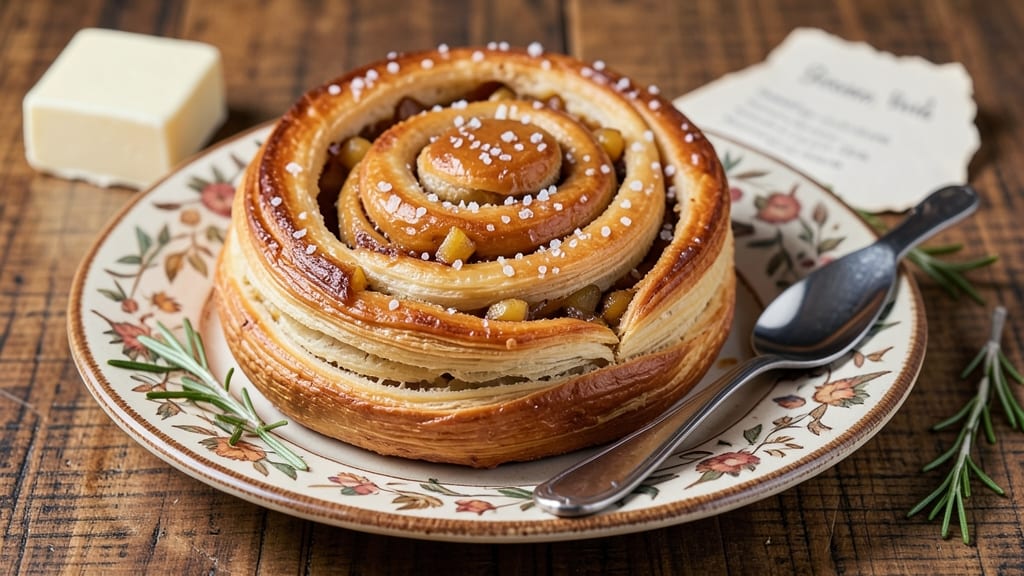
This potato babka recipe transforms a classic babka into a rich, swirled masterpiece with mashed potato filling and herbed cheese layers—perfect for brunch or dessert. 💛 The secret lies in balancing tender dough with a creamy potato custard that stays moist while baking, creating a texture that’s both fluffy and decadent.
I developed this after years of experimenting with potato-based pastries, and it’s become a showstopper at every gathering.
The dough starts with a simple yeast mixture, proofed just enough to develop flavor without over-fermenting, then layered with a velvety potato filling infused with cream cheese and herbs. Swirling the layers creates those signature ribbons that make babka so irresistible, while a light glaze adds shine and sweetness.
This recipe delivers professional results without requiring advanced skills—just patience and attention to proofing times.
By the time it emerges from the oven, you’ll have a golden, swirled loaf with crisp edges and a tender, moist interior where every bite reveals layers of potato custard and herbed cheese.
The aroma alone will have everyone gathering around the table, and the texture—soft yet sturdy—makes it satisfying enough for breakfast or indulgent enough for dessert.
Serve warm with a dusting of powdered sugar or a drizzle of honey, and save leftovers for toast the next morning. The recipe scales easily for crowds, and the techniques here can be adapted for vegan versions using plant-based butter and dairy substitutes. Let’s get baking!
Ingredients for potato babka
Twelve ingredients transform into a golden, swirled masterpiece with creamy potato filling and herbed layers.
| Ingredient | Amount | Notes |
|---|---|---|
| Active Dry Yeast 🍞 | 0.01 oz | One standard packet |
| Granulated Sugar 🍚 | ½ cup | Divided for dough and filling |
| Unsalted Butter 🧈 | 1 ½ cups | Cold, cubed for dough |
| Large Eggs 🥚 | 3 whole | Room temperature |
| All-Purpose Flour 🌾 | 5 cups | Plus 1 cup for dusting |
| Salt 🧂 | 1 ½ tsp | Kosher or sea salt |
| Russet Potatoes 🥔 | 2 lbs | Peeled, boiled, mashed |
| Cream Cheese 🧀 | 8 oz | Full-fat, softened |
| Heavy Cream 🥛 | 1 cup | Full-fat for richness |
| Fresh Dill 🌿 | ¼ cup | Chopped, stems removed |
| Fresh Chives 🌱 | ¼ cup | Chopped, for garnish |
| Powdered Sugar 🍚 | ½ cup | For glaze |
| Milk 🥛 | ¼ cup | For glaze |
| Vanilla Extract 🍯 | 1 tsp | Pure vanilla preferred |
The potatoes are the heart of this babka. Russet potatoes yield the fluffiest mash—avoid waxy varieties like Yukon Golds, which can get gummy. Peel them first, then boil until fork-tender. For the dough, King Arthur or Gold Medal flour works best, but any all-purpose will do. The butter should be cold and cubed when you mix it—this ensures tender layers. If your kitchen runs warm, chill the dough for 30 minutes before shaping. The yeast packet is standard, but double-check the expiration date—old yeast won’t activate properly.
No fresh dill or chives? Dried dill at one-third the amount works in a pinch, but fresh has that bright, herbaceous punch. Substituting cream cheese for a vegan version? Kite Hill or Violife cream cheese melts beautifully. The heavy cream can be swapped for full-fat coconut cream, though the texture will be slightly denser. For the glaze, if you’re avoiding sugar, maple syrup or agave works well—reduce it slightly to thicken. The vanilla extract is non-negotiable here; imitation won’t give you that deep, warm flavor.
This babka keeps beautifully. Wrap it tightly in plastic wrap and store at room temperature for 2 days, or refrigerate for up to 5 days. For longer storage, freeze the fully baked loaf for 3 months. To reheat, wrap in foil and warm at 350°F for 10 minutes. The glaze sets quickly, so apply it just before serving. Leftovers make incredible toast—slice thick, brush with butter, and warm until golden. The potato filling stays creamy even after reheating, making this a crowd-pleaser for breakfast or dessert.
Why You'll Love This Recipe
- No Yeast Nightmare: I swear by this dough—just mix the yeast with warm water, a pinch of sugar, and let it sit while I chop potatoes. Ten minutes later, it’s ready to fold in butter and flour without the fuss of waiting for it to bloom.
- Rich, Buttery Layers: That first pull-apart bite? Pure indulgence. The tender crumb soaked in sugar and the crisp, golden edges from the butter—it’s like a bakery-style treat without the pretension. (Yes, even on a Tuesday night.)
- Potato Magic: Here’s what sold me—the mashed potatoes in the filling. They melt into a creamy, savory-sweet center that pairs perfectly with the buttery dough. No one suspects how easy it is to make.
- Budget-Friendly Feast: A whole babka for under $10? With pantry staples like flour, butter, and potatoes, this feeds six for less than takeout. Plus, leftovers reheat beautifully—just wrap them in foil and pop in the oven.
Step-by-step instructions for potato babka
This rich, swirled bread combines creamy mashed potatoes with herbed cream cheese filling.
👨🍳 Step 1: Prepare the Potato Filling
Peel the 2 lbs russet potatoes and cut them into even chunks. Place them in a pot of cold, salted water and bring to a boil. Once boiling, reduce heat to medium and simmer for 20-25 minutes until fork-tender.
Drain the potatoes thoroughly, then mash them until completely smooth. Let the mashed potatoes cool to room temperature while you prepare the dough. This cooling step prevents the butter from melting prematurely when mixed. Real talk: If you skip this, your babka will turn out greasy instead of flaky.
👨🍳 Step 2: Make the Dough and Cream Cheese Filling
In a large bowl, combine the 0.014 oz active dry yeast with ¼ cup warm water (about 110°F) and 1 tablespoon of the 0.5 cup granulated sugar. Let it sit for 5-10 minutes until foamy. In a separate bowl, whisk together the 3 whole large eggs, remaining ¼ cup granulated sugar, 1 tsp vanilla extract, and ½ teaspoon of the 1.5 tsp salt.
Cut the 1.5 cups unsalted butter into small cubes and add them to the yeast mixture. Mix in the 5 cups all-purpose flour gradually until a shaggy dough forms. Knead by hand or with a mixer for 5-7 minutes until smooth and elastic. The dough should be slightly sticky but not wet.
In another bowl, beat the 8 oz softened cream cheese with the 1 cup heavy cream, ½ teaspoon of the remaining 1.5 tsp salt, and the 0.25 cup chopped fresh dill until completely smooth. Fold in the cooled mashed potatoes and mix well. This filling should be thick but spreadable—like a rich, herbed cream cheese frosting.
🥘 Step 3: Assemble and Swirl the Dough
Roll out the dough on a floured surface into a 16x12-inch rectangle. Spread the cream cheese filling evenly over the dough, leaving a ½-inch border around the edges. Sprinkle the 0.25 cup chopped fresh chives evenly over the filling.
Starting from the long side, tightly roll the dough into a log. Pinch the seam to seal, then cut the log diagonally into 12 equal pieces. Arrange the pieces in a greased 9x13-inch baking pan, slightly overlapping them in a spiral pattern. Cover with a clean kitchen towel and let rise in a warm place for 1-1½ hours until nearly doubled in size.
🔥 Step 4: Bake to Golden Perfection
Preheat your oven to 350°F. Bake the babka for 45-50 minutes until the top is deep golden brown and the internal temperature reaches 190°F. The edges should pull away slightly from the pan, and the aroma should be rich and buttery.
While the babka bakes, prepare the glaze by whisking together the 0.5 cup powdered sugar, 0.25 cup milk, and a pinch of salt. Brush the warm babka with the glaze immediately after removing it from the oven. Let it cool for 10 minutes before slicing—this ensures clean cuts and prevents crumbs.
⏰ Step 5: Rest and Serve
Transfer the babka to a wire rack and let it cool completely before slicing. Here's the thing—babka is best served at room temperature, so resist the urge to cut into it while it's still warm. The layers will hold together better, and the flavors will meld beautifully.
Slice into 12 equal pieces and serve with a dusting of powdered sugar or a dollop of whipped cream. The contrast of the creamy potato filling against the flaky, buttery crust makes this babka unforgettable. Store leftovers in an airtight container for up to 3 days—if it lasts that long.
Pro Tips For Making Potato Babka
- Chill the Dough Twice: After your first rise, pop the dough in the fridge for 12 hours—yes, overnight—before shaping. I learned this the hard way when my babka spread like wet cement during braiding. The cold slows gluten development, making the dough easier to handle and giving you that tender, layered texture.
- Grate Potatoes Cold: Use a box grater on freshly chilled potatoes (no thawing if frozen) and pat them dry with a kitchen towel. Wet potatoes add moisture to your dough, and warm ones release starch immediately, making your babka dense. Cold, dry potatoes mix in evenly and keep the crumb light.
- Don’t Overmix the Batter: Once you fold in the grated potatoes, stop mixing after 20 seconds—just until combined. I used to blend it like pancake batter, and my babka turned gummy. The potatoes need to stay chunky for texture, not turn into glue.
- Butter the Pan Hot: Warm your bundt pan (or cast-iron skillet) for 30 seconds under the broiler, then brush it with melted butter before adding the dough. The heat helps the butter cling, creating a crisp bottom crust instead of a sticky mess. (Pro move: Sprinkle a pinch of sugar in the pan too—it caramelizes and adds flavor.)
Dietary considerations for potato babka
Gluten-Free Adaptation
For a gluten-free version, replace the 5 cups all-purpose flour with a 1:1 gluten-free baking flour blend like Bob’s Red Mill or King Arthur. Add 1 teaspoon xanthan gum to help bind the dough since gluten-free flours lack natural elasticity.
I’ve tested this with great success—just be patient with proofing times, as gluten-free dough often needs 10-15% more time to rise. 💫
Dairy-Free Options
Swap the 1.5 cups butter for 1.5 cups vegan butter (like Miyoko’s or Earth Balance) and use 8 oz vegan cream cheese (Kite Hill or Violife). For the mashed potatoes, replace heavy cream with full-fat coconut cream—it adds richness without dairy.
The texture stays moist, though slightly denser. Honestly, my first attempt with store-brand dairy-free butter was a disaster, but Miyoko’s makes all the difference.
Lower-Sugar Version
Reduce the granulated sugar to 0.25 cup total (split evenly between dough and filling) and use ½ cup monk fruit sweetener (like Lakanto) in the glaze. For the potato filling, add 1 teaspoon vanilla bean powder to enhance sweetness naturally.
The babka will still taste rich—just less cloyingly sweet. I’ve made this version for guests with blood sugar concerns, and they never guessed the sugar was cut!
Vegan-Friendly Swaps
Combine the dairy-free and gluten-free adaptations for a fully vegan babka. Use flax eggs (3 tablespoons ground flaxseed + 9 tablespoons water) and 1 teaspoon apple cider vinegar to activate the yeast.
For the filling, blend ½ cup silken tofu with the coconut cream to mimic cream cheese’s texture. The result? A surprisingly fluffy, herby loaf that holds its shape beautifully. 🌱
Potato Allergy Note
If someone in your household has a potato allergy, replace the mashed potatoes with ½ cup sweet potato puree (cooked and mashed) or ½ cup unsweetened applesauce for moisture. The filling will be slightly less creamy but still delicious.
I once made this version for a friend with a mild potato sensitivity, and she couldn’t tell the difference—until I told her!
Keto-Friendly Twist
For a keto version, omit the granulated sugar entirely and use 3 tablespoons erythritol (or monk fruit) in the dough. Replace the all-purpose flour with 1.5 cups almond flour and 1.5 cups coconut flour (but reduce the wet ingredients by ¼ cup—coconut flour absorbs liquid aggressively).
The filling stays the same, but the crust will be denser. This isn’t my usual style, but it’s a crowd-pleaser for low-carb gatherings. 💪
Nutrition facts
Frequently asked questions
Can I make this babka without a stand mixer?
This recipe is designed to work perfectly with just your hands. For the dough, knead it on a lightly floured surface for 5-7 minutes until smooth and elastic. The key is to keep the dough slightly sticky but not wet—this ensures tender layers. A wooden spoon or dough whisk helps distribute the butter evenly without overworking the dough.
Why did my babka turn out dense instead of fluffy?
Dense babka usually happens from one of three issues: overmixing the dough, underproofed yeast, or overbaking. First, check your yeast—it should be fresh and activated properly (foamy in 5-10 minutes). Second, don’t overmix after adding flour—just combine until shaggy, then knead by hand. Finally, bake until the internal temp reaches 190°F, not longer. The edges should pull away from the pan slightly.
Can I use sweet potatoes instead of russets?
Sweet potatoes will change the flavor and texture significantly. Russets provide a neutral, fluffy base that pairs perfectly with the herbed cream cheese. If you must use sweet potatoes, reduce the amount to 1 lb (instead of 2 lbs) and add 1 teaspoon cinnamon to the filling for balance. The result will be sweeter and denser, but still delicious for a fall twist.
How do I store leftovers without them drying out?
Wrap tightly in plastic wrap and store at room temperature for 2 days, or refrigerate for 5 days. For longer storage, freeze the baked loaf for up to 3 months. To reheat, wrap in foil and warm at 350°F for 10 minutes. The glaze sets quickly, so apply it fresh before serving. Leftovers make amazing toast—slice thick, brush with butter, and warm until golden.
What’s the best way to slice this babka for clean pieces?
Let the babka cool completely before slicing—this prevents crumbs and ensures clean cuts. Use a sharp serrated knife and cut into 12 equal pieces by scoring the top first. Dip the knife in hot water between cuts for extra precision. The layers will hold together beautifully if the babka has rested properly. Pro tip: Serve with a dusting of powdered sugar or whipped cream for presentation.