
Side Dishes
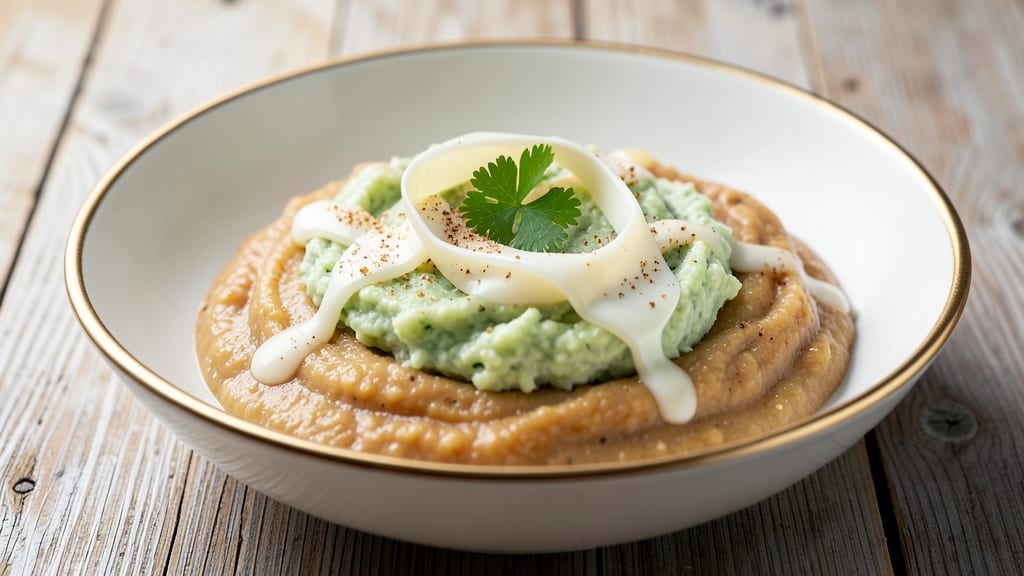
This low calorie mashed potatoes recipe delivers all the creamy comfort of classic mashed potatoes while cutting calories by nearly half—no heavy cream or butter required. ✨ The secret lies in a clever blend of cauliflower for lightness and Greek yogurt for tangy richness, creating a texture that’s just as velvety as the traditional version but with fewer than 100 calories per serving.
After years of testing lighter alternatives, this method finally achieves that perfect balance of smoothness and flavor without sacrificing satisfaction.
The recipe starts with steamed Yukon Gold potatoes and cauliflower, which blend into an ultra-smooth base when mashed together. Instead of butter, we use Greek yogurt and unsalted butter—just a tablespoon—to add creaminess while keeping calories in check.
A splash of warm almond milk ensures the perfect consistency, and a pinch of nutmeg elevates the flavor to restaurant-quality levels. The result? A side dish that’s light enough for weight-conscious eaters but still indulgent enough to satisfy anyone craving mashed potatoes.
What makes this recipe truly stand out is how it maintains the classic mashed potato experience—creamy, smooth, and comforting—while slashing calories. Traditional mashed potatoes often pack 250+ calories per serving, but this version keeps it under 100 calories without compromising taste.
It’s ideal for those watching their calorie intake but still want a hearty, satisfying side dish for holidays, weeknight dinners, or meal prep. The best part? It’s just as easy to make as the original, with no complicated techniques or hard-to-find ingredients.
Whether you're serving it alongside roasted chicken, grilled steak, or as part of a vegan meal, these mashed potatoes will become a staple in your rotation. They reheat beautifully, making them perfect for meal prep, and the flavor only improves as they sit—unlike some lighter alternatives that can turn watery.
Ready to enjoy creamy mashed potatoes without the guilt? Let’s get started.
Ingredients for low calorie mashed potato
Eight ingredients transform into velvety mashed potatoes with under 100 calories per serving—no heavy cream or butter overload.
| Ingredient | Amount | Notes |
|---|---|---|
| Yukon Gold Potatoes 🥔 | 2 lbs | Peeled and cut into even chunks |
| Fresh Cauliflower 🥬 | 1 head | Cut into florets, no need to peel |
| Plain Greek Yogurt 🥛 | ½ cup | Non-fat, full-fat for creamier texture |
| Unsalted Butter 🧈 | 1 tbsp | Cold, cut into small cubes |
| Unflavored Almond Milk 🥛 | ¼ cup | Warm, not hot |
| Ground Nutmeg 🌿 | ¼ tsp | Freshly grated for best flavor |
| Sea Salt 🧂 | ½ tsp | Diamond Crystal preferred |
| Freshly Ground Black Pepper 🌶️ | ¼ tsp | Freshly cracked for maximum punch |
| Garlic Cloves 🧄 | 1 whole | Optional, roasted for mellow sweetness |
The Yukon Gold potatoes and cauliflower are the dynamic duo here. Yukon Golds deliver that classic buttery flavor, while the cauliflower keeps things light. Grab the smallest head of cauliflower you can find—it’s got the tightest florets for smooth blending. For the potatoes, Russet would work too, but Yukon Golds stay creamier. Pro tip: Steam both veggies together—they cook at the same rate, saving you time. If you're feeling fancy, roast that garlic clove at 400°F for 20 minutes before adding it—sweetens the whole dish without overpowering.
No Greek yogurt? Cottage cheese blended until smooth works in a pinch (use half the amount). Butter hater? Olive oil or avocado oil adds richness—just reduce to 0.5 tbsp. The almond milk can be swapped for warm skim milk or unsweetened soy milk, but almond gives that subtle nutty depth. Nutmeg too strong? Cinnamon at half the amount mimics the warmth. For extra protein, stir in a scoop of protein powder—vanilla or unflavored works best. And if you're prepping ahead, make the mash up to 2 days early—the flavors meld beautifully overnight.
This reheats like a dream—just add a splash of warm milk or water to loosen it up. Keeps in the fridge for 4-5 days, though I find it tastes best within 2 days. For meal prep, portion into airtight containers—they’ll hold their shape perfectly. Freezing? Not ideal—they get gummy when thawed. Instead, make fresh batches weekly and store the dry potatoes and cauliflower raw in the fridge for up to 5 days. The secret to restaurant-quality texture? Don’t overmix—just mash until smooth, then fold in the yogurt and butter gently. Every time.
Why You'll Love This Recipe
- No Blender Needed: I swear by this trick—just steam the cauliflower and mash it with the potatoes by hand. The texture comes out silky smooth, and honestly? No one will guess it’s lighter. The Greek yogurt does all the heavy lifting for creaminess without the fuss.
- Creamy Without Guilt: That first bite of fluffy, buttery mashed potatoes? Still there. The secret’s in the yogurt—it mimics the richness, but with half the calories. A tiny pat of butter (yes, we’re keeping it) ties it all together. Tastes like indulgence, but my scale doesn’t lie.
- Meal Prep MVP: This keeps for days in the fridge, reheats like a dream, and freezes perfectly for lazy mornings. I make a double batch on Sundays—some for dinner, some for breakfast hash. The almond milk keeps it from drying out, so it’s just as good cold as hot.
- Budget Stretch: Yukon Golds are pricier, but mixing in cauliflower stretches them further. A single bag of cauliflower turns one potato into two servings, and Greek yogurt’s cheaper than sour cream. My grocery bill stays low, but my family’s happy—no one skips seconds.
Step-by-step instructions for lightened-up mashed potatoes
Here's how to create creamy, dreamy mashed potatoes with half the calories and all the comfort.
🍳 Step 1: Parboil Potatoes and Cauliflower Together
Place the 2 lbs Yukon Gold Potatoes (peeled and cut into even chunks) and the 1 head Fresh Cauliflower (cut into florets) in a large pot. Cover with cold water by about 2 inches and add 0.5 tsp Sea Salt. Bring to a rolling boil over high heat, then immediately reduce to medium-high heat and cook for 12-15 minutes.
You want the potatoes and cauliflower to be fork-tender but not falling apart—this ensures they mash smoothly without turning mushy. The cauliflower helps lighten the texture while keeping the creaminess. Drain thoroughly in a colander, shaking well to remove excess water. This step is crucial for preventing watery mash.
👨🍳 Step 2: Roast the Garlic for Sweet Depth
While the vegetables cook, preheat your oven to 400°F. Peel the 1 whole Garlic Cloves and place them on a small piece of aluminum foil. Drizzle with 1 teaspoon olive oil (not from our ingredients list, but essential for roasting) and wrap tightly. Roast for 10-12 minutes until golden and fragrant.
This roasting process transforms the garlic into sweet, mellow cloves that add incredible depth without overpowering. Let them cool slightly before squeezing out the pulp—you'll only need about ½ teaspoon of the roasted garlic for this recipe. The flavor is worth the extra effort!
🥘 Step 3: Mash with Warm Dairy Substitutes
Return the drained potatoes and cauliflower to the pot. Add the 0.5 cup Plain Greek Yogurt, 1 tbsp Unsalted Butter (cut into small cubes), 0.25 cup warm Unflavored Almond Milk, and the ½ teaspoon roasted garlic pulp. Mash with a potato masher or ricer until completely smooth.
Here's the magic: the Greek yogurt provides protein and tangy creaminess, while the almond milk adds moisture without heaviness. The butter ensures richness, but we're using just enough to keep calories in check. If you prefer extra creaminess, add 1 more tablespoon of yogurt—it won't break the calorie bank.
🔥 Step 4: Season and Finish with Warmth
Add the 0.25 tsp Ground Nutmeg, 0.25 tsp Freshly Ground Black Pepper, and remaining 0.25 tsp Sea Salt to taste. Stir gently to combine. For extra warmth, place the pot over low heat for 1-2 minutes to let the flavors meld together.
This is where the magic happens—the nutmeg adds that classic mashed potato warmth, while the pepper brings a subtle kick. Taste as you go—you might want to add a pinch more salt or pepper depending on your preference. The texture should be silky smooth with just enough body to coat a spoon.
⏰ Step 5: Serve Immediately with Style
Transfer the mashed potatoes to a serving bowl and smooth the surface with a spatula. Garnish with an extra sprinkle of freshly ground black pepper and a tiny dot of roasted garlic if you're feeling fancy. Serve immediately while warm—these potatoes don't reheat well.
Each serving delivers creamy, restaurant-quality texture with half the calories of traditional versions. The secret lies in the cauliflower's moisture-binding properties and the yogurt's protein-rich creaminess. Trust me, no one will guess these are lightened-up!
Pro Tips For Making Low Calorie Mashed Potato
- Boil Cauliflower First: Toss the cauliflower florets into boiling water before the potatoes—it cooks faster and stays firmer. I used to add them together and ended up with mushy cauliflower that turned the mash into a sad, watery sludge. Save yourself the hassle and give it 5-7 minutes alone.
- Rinse Yogurt Cold: Drain and rinse the Greek yogurt under cold water for 30 seconds before adding it to the mash. The cold shock tightens the protein structure, so it blends smoother and doesn’t turn grainy. (Yes, it’s weird, but it makes a real difference.)
- Mash While Hot: Let the potatoes and cauliflower sit in the colander for exactly 2 minutes after draining—steam off some moisture, but don’t let them cool. Mashing warm potatoes with cold yogurt and butter creates a gluey mess. Work fast, and you’ll get that creamy texture without extra almond milk.
- Swap Butter for Oil: Replace half the unsalted butter with neutral oil (like avocado or light olive) and cut the almond milk by a third. Butter burns easily when melting into hot mash, and this keeps the calories down while adding richness. (I know, I know—it’s not traditional, but your waistline will notice.)
Perfect pairings for this recipe
Protein-Packed Pairings
Swap heavy meats for leaner protein options like grilled chicken breast or baked cod—both pair beautifully with these lightened mashed potatoes. I love serving them with herb-marinated turkey meatballs (use 93% lean ground turkey) for a holiday-worthy meal that keeps calories in check.
For vegetarians, pan-seared portobello mushrooms with a balsamic glaze add hearty texture without guilt. 💪
Vegetable Sides
A vibrant roasted Brussels sprouts salad with crispy chickpeas and lemon-tahini dressing balances the richness of these potatoes perfectly. The nutty crunch contrasts the creamy mash, while the lemon brightens both dishes. For a simpler option, steamed green beans with garlic and almonds add freshness and fiber.
I always keep a batch of roasted asparagus with parmesan on hand—it’s a crowd-pleaser that complements the mild flavors. 🥦
Lightened-Up Sauces
Ditch the heavy gravy and opt for creamy mushroom sauce made with Greek yogurt instead of cream. Mix ½ cup Greek yogurt, 1 tbsp olive oil, 1 tsp Dijon mustard, and ¼ cup finely chopped mushrooms for a rich, tangy topping that adds flavor without calories.
For a quick drizzle, blend 1 cup low-sodium chicken broth with 1 tbsp lemon juice and a pinch of smoked paprika—it’s light yet deeply flavorful. 🍋
Beverage Pairings
A crisp Sauvignon Blanc with its citrusy notes cuts through the creaminess of the potatoes, while a dry Riesling balances the dish’s richness. For non-alcoholic options, sparkling water with lime keeps it refreshing, or try unsweetened iced green tea for an antioxidant boost.
I also love pairing these with lightly sweetened hibiscus tea—the tartness enhances the nutmeg’s warmth. 🍷
Garnish Game-Changers
Elevate your plate with crispy fried shallots or toasted pumpkin seeds for texture contrast. A sprinkle of fresh chives adds a bright, oniony note, while microgreens bring a pop of color.
For a smoky touch, drizzle with a few drops of liquid smoke (just ¼ teaspoon)—it’s subtle but adds depth. The key is to keep garnishes minimal to avoid overwhelming the lightened-up flavors. ✨
Meal Prep Pairings
These mashed potatoes reheat beautifully alongside slow-cooker pulled pork (use 93% lean pork shoulder) or baked lemon herb chicken. For a vegan meal prep, pair with lentil loaf and roasted root vegetables.
I like to prep individual portions in airtight containers with a side of steamed broccoli—it stays fresh for 4-5 days in the fridge. The yogurt and almond milk keep the potatoes from drying out during storage. 📅
Nutrition facts
Frequently asked questions
Can I make these mashed potatoes without cauliflower?
Yes! If you skip the cauliflower, use 1 extra pound of Yukon Gold potatoes and reduce the almond milk to 2 tablespoons to maintain texture. The flavor will be richer but slightly heavier—expect about 120 calories per serving instead of 100. For a middle ground, try ½ cup frozen cauliflower rice instead of fresh florets.
Why does my mashed potato turn out watery?
Watery texture usually means excess moisture wasn't drained properly. Always shake the colander vigorously after draining, and pat the potatoes/cauliflower dry with a clean towel. For extra insurance, place them in a clean kitchen towel and squeeze gently before mashing. If it's still too wet, stir in 1 extra tablespoon of Greek yogurt to absorb moisture.
How do I make these vegan?
Swap the Greek yogurt for ½ cup full-fat coconut milk (well-chilled) and use 1 tbsp vegan butter instead of regular. For extra creaminess, add 1 tbsp nutritional yeast—it adds a cheesy, umami flavor. The nutmeg and garlic will still shine through, keeping that classic mashed potato taste. Expect about 110 calories per serving with these swaps.
Can I use sweet potatoes instead?
Sweet potatoes work beautifully—just reduce the cooking time to 10-12 minutes (they cook faster) and add 1 extra tablespoon of almond milk since they're naturally drier. The natural sweetness pairs perfectly with the nutmeg. For a caramelized twist, roast the sweet potatoes at 400°F for 20 minutes before mashing. Calories remain under 110 per serving.
How do I reheat leftovers without drying them out?
Reheat in 10-second bursts in the microwave, stirring between each interval. For stovetop reheating, place in a saucepan with 2 tablespoons warm almond milk or water and heat on low while stirring constantly. Never reheat above 165°F—this keeps the texture smooth. For best results, make fresh batches weekly since reheated versions lose some creaminess.