
Soups & Stews
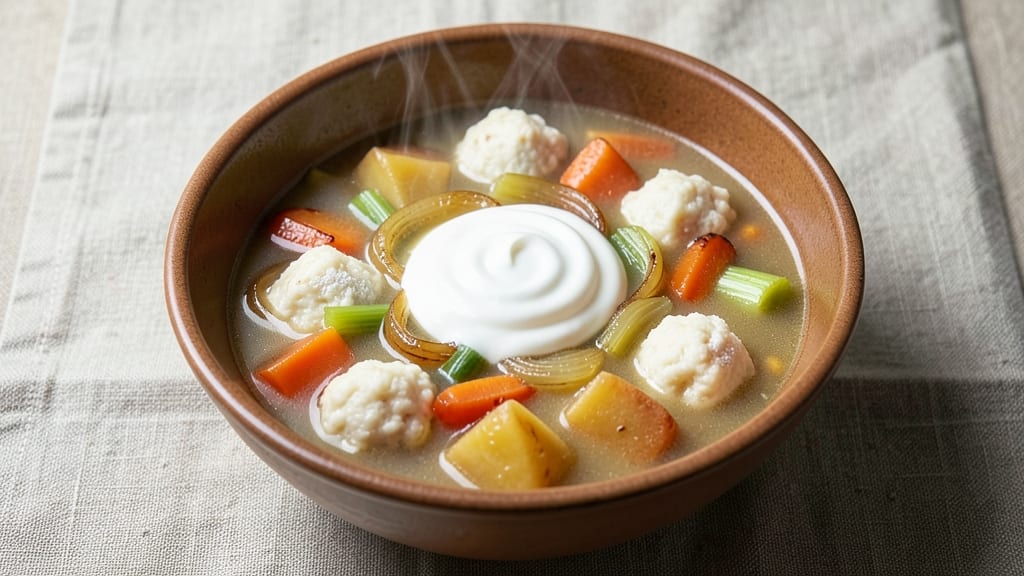
This old-fashioned potato soup with dumplings recipe brings back the comforting flavors of childhood dinner tables, where the dumplings melt into creamy perfection. The secret lies in the slow-simmered broth and the way those tender dumplings thicken the soup just enough to create that signature, hearty texture.
I've perfected this recipe over years of testing—no lumps, no gummy dumplings, just a bowl of warmth that feels like a hug in soup form.
The foundation starts with a rich vegetable broth base, where onions, carrots, and celery develop deep, savory flavors before potatoes are added to create a velvety consistency.
Meanwhile, the dumplings get their magic from a simple flour-and-milk mixture, dropped gently into the simmering soup where they soften just enough to absorb the broth without disappearing completely. This is the kind of recipe that transforms a simple weeknight dinner into a memorable meal.
What makes this version stand out is the balance—creamy yet not too heavy, with dumplings that hold their shape while still being tender enough to melt in your mouth.
The aroma alone will have everyone gathering around the table, and the first spoonful delivers that perfect combination of savory broth, buttery potatoes, and just the right amount of dumpling texture.
This is comfort food at its finest, made even better by the fact that it's simple enough for any home cook to master.
The best part? This recipe scales beautifully for crowds or leftovers, making it ideal for family gatherings or meal prep. Serve it with crusty bread to soak up every last bit of that flavorful broth. Let's get cooking—your taste buds will thank you.
Ingredients for old fashioned potato soup with dumplings
Simple, comforting ingredients that transform into velvety soup with perfect dumplings.
| Ingredient | Amount | Notes |
|---|---|---|
| Yellow Onions 🧅 | 1 ½ lbs | Chopped into small dice |
| Carrots 🥕 | 3 lbs | Peeled and sliced into rounds |
| Celery Stalks 🌿 | 12 whole | Trimmed and chopped |
| Russet Potatoes 🥔 | 3 lbs | Peeled and cubed |
| Chicken Broth 💧 | 8 cups | Low-sodium preferred |
| Heavy Cream 🥛 | 1 cup | Full-fat for creaminess |
| All-Purpose Flour 🌾 | 2 cups | For dumpling dough |
| Whole Milk 🥛 | 1 ½ cups | Full-fat for dumplings |
| Salt 🧂 | 2 tsp | Kosher or sea salt |
| Black Pepper 🌶️ | 1 tsp | Freshly ground preferred |
| Fresh Thyme 🌿 | 2 tbsp | Chopped stems and leaves |
| Bay Leaves 🍃 | 2 whole | Removed after cooking |
| Unsalted Butter 🧈 | 4 tbsp | For finishing |
| Crusty Bread 🍞 | 1 loaf | For serving (optional) |
The vegetables form the soul of this soup—yellow onions, carrots, and celery should be fresh with vibrant color. Local farmers markets often have the best selection, but grocery store produce works fine if firm and unblemished. For the potatoes, Russets are ideal—they break down beautifully for that creamy texture. The broth is non-negotiable: low-sodium chicken broth ensures you control the seasoning. I prefer Swanson or Pacific Foods for their rich flavor, but any quality brand works. The thyme? Fresh is best, but dried works at one-third the amount if you're in a pinch.
No fresh thyme? Dried thyme at one-third the amount gets you close. Heavy cream can be swapped for half-and-half if you prefer a lighter texture, though the dumplings will be slightly less rich. For the dumpling dough, whole milk ensures tender dumplings—skip the skim version. The butter at the end? Unsalted is key—you want to control the seasoning. Want to make it ahead? Prepare the broth and dumpling dough separately, then combine when ready to serve. The bread is truly optional, but a warm, crusty loaf soaks up every last bit of flavor—worth the extra minute to toast it.
This soup tastes even better the next day as flavors meld together. Store the broth and dumplings separately in the fridge for up to 4 days. For leftovers, reheat gently on the stove—never microwave, or the dumplings turn gummy. To freeze, portion the soup into containers with dumplings fully submerged in broth. Thaws beautifully, though texture may be slightly firmer after freezing. The dumpling dough can be prepped ahead and refrigerated for 24 hours before dropping into the soup—just bring to room temperature before using.
Why You'll Love This Recipe
- No-Chop Shortcuts: I swear by the "soak-and-slice" trick for onions and carrots—just submerge them in cold water for 10 minutes, then dump the whole veggie bundle straight into the pot. The broth softens everything while you dice celery and peel potatoes in half the time.
- Dumpling Magic: Here’s what sold me—the fluffy, pull-apart dumplings made with just flour, baking powder, and cold butter. They puff up like clouds in the simmering soup, soaking up that rich broth while keeping a satisfying bite. (Yes, even on a Tuesday night.)
- Crowd-Pleaser Basics: This is my go-to for game days, potlucks, or when my college kid calls needing "real food." The classic combo of creamy potatoes, savory broth, and crispy dumplings works for picky eaters and foodies alike—no fancy plating required.
- Leftovers Win: Honestly, I make double batches because the flavor actually deepens overnight. Reheat gently, and the dumplings soften just enough to melt into the soup—like a warm hug in a bowl. Plus, it’s cheaper than takeout and uses pantry staples.
Step-by-step instructions for old fashioned potato soup with dumplings
Here's the method that delivers hearty soup with dumplings that melt perfectly in every bite.
Sauté the Vegetable Base
In a large Dutch oven, melt 2 tablespoons unsalted butter over medium heat. Add the 1.5 pounds chopped yellow onions, 3 pounds sliced carrots, and 12 chopped celery stalks. Cook for 8-10 minutes, stirring occasionally, until the vegetables soften and the onions become translucent.
This slow cooking develops their natural sweetness and removes excess moisture. You'll know they're ready when they release their aroma and begin to caramelize slightly at the edges. Here's the thing—don't rush this step. Properly sautéed vegetables form the flavor foundation of your soup.
Build the Potato Broth
Add the 3 pounds cubed russet potatoes to the Dutch oven. Pour in the 8 cups chicken broth, then add 2 teaspoons salt, 1 teaspoon black pepper, 2 tablespoons chopped fresh thyme, and 2 whole bay leaves. Bring to a boil over high heat, then immediately reduce to medium-low heat and simmer for 20-25 minutes.
The potatoes should be tender when pierced with a fork, and the broth should have thickened slightly. I like to stir occasionally to prevent sticking, but avoid mashing the potatoes—we want them to hold their shape. The bay leaves will infuse flavor but should be removed before serving.
Prepare the Dumpling Dough
In a medium bowl, whisk together the 2 cups all-purpose flour and 2 teaspoons salt. Gradually add the 1.5 cups whole milk, mixing just until combined. The dough should be slightly sticky but manageable. Cover and let rest for 10 minutes while the soup simmers.
This resting period allows the gluten to relax, making the dumplings tender rather than tough. If the dough feels too wet after resting, add 1 tablespoon flour at a time until it holds together. The key is to handle it minimally—overworking develops gluten and makes the dumplings chewy.
Finish the Soup and Add Dumplings
Stir the 1 cup heavy cream into the soup and simmer for 5 minutes to warm through. Meanwhile, drop heaping tablespoon-sized portions of the dumpling dough into the simmering soup, spacing them about 2 inches apart. Cover the Dutch oven and cook for 12-15 minutes on low heat.
The dumplings are done when they float to the surface and develop a slightly puffed appearance. Here's the critical part: don't lift the lid during cooking. The trapped steam creates that perfect tender texture we're after. If you peek too often, they'll turn out dense instead of light and fluffy.
Serve with Crusty Bread
Remove the bay leaves and stir gently to distribute the dumplings. Ladle the soup into bowls and serve immediately with slices of crusty bread on the side. The dumplings should be soft enough to break apart with a spoon but still hold their shape slightly. If any soup looks too thick, stir in a splash of hot water to reach your preferred consistency.
Each spoonful should deliver creamy potato chunks, tender dumplings, and a rich broth infused with thyme and bay leaf. The crusty bread soaks up any remaining broth beautifully, making every bite satisfying. Leftovers keep well in the refrigerator for up to 3 days, though they're best enjoyed fresh.
Pro Tips For Making Old Fashioned Potato Soup With Dumplings
- Sear the Veggies First: I used to skip this step and just toss chopped onions, carrots, and celery into the pot with broth—big mistake. Take 5 minutes to brown them in butter or oil over medium-high heat. The caramelized flavor makes the soup taste like it simmered all day, not 30 minutes.
- Peel and Cube Potatoes Evenly: Russets break apart when overcooked, so cut them into 1-inch cubes and peel them last—right before cooking. If you prep them too early, they’ll oxidize and turn gray, and uneven sizes mean some pieces will turn to mush while others stay hard.
- Don’t Overfill the Pot: I learned this the hard way—dumping all the broth, veggies, and potatoes in at once leads to a watery, diluted soup. Start with half the liquid, let it simmer until the potatoes are tender, then add the rest. This keeps the texture thick and creamy without stretching the broth too thin.
- Test Dumplings in Broth: Sounds weird, but it works: drop a small spoonful of dumpling dough into the simmering broth before shaping the full batch. If it floats immediately, the soup’s not hot enough—wait 2 more minutes. If it sinks like a rock, add a splash of cold water to cool the broth slightly. Timing is everything for fluffy dumplings.
Flavor customization for this recipe
Classic Creamy Version
For a rich, velvety texture, stick to the original recipe with 1 cup heavy cream and whole milk in the dumplings. The cream adds luxurious body while keeping the dumplings tender.
I like to finish with 4 tablespoons unsalted butter stirred into the soup just before serving—this elevates the flavor without overpowering the natural potato taste. 🥛
Herb-Infused Variations
Swap the thyme for 1 tablespoon fresh rosemary when sautéing the vegetables for an earthy twist. Or try 1 teaspoon dried sage mixed into the dumpling dough for a savory depth.
Fresh parsley added at the end brightens the dish beautifully. I find rosemary pairs especially well with the creaminess of the soup.
Spicy Kick Options
For heat lovers, stir in ½ teaspoon smoked paprika with the vegetables or add ¼ teaspoon cayenne pepper to the dumpling dough. A pinch of crushed red pepper flakes on top at serving time adds visual appeal and extra zing.
I recommend starting with just ¼ teaspoon cayenne—you can always add more to taste.
Cheesy Dumpling Twist
Mix ½ cup shredded sharp cheddar or Gruyère into the dumpling dough for a cheesy surprise. The cheese melts beautifully into the soup while adding a rich, nutty flavor.
I prefer Gruyère because it doesn't overpower the potato's natural taste. For a stronger flavor, try Parmesan rind simmered in the broth for 10 minutes before removing it.
Vegetarian Adaptations
Replace the chicken broth with vegetable broth and use vegan butter for sautéing. For the dumplings, substitute unsweetened almond milk for the whole milk and use vegan heavy cream instead of dairy cream.
The texture remains creamy, though the dumplings will be slightly lighter. I've found Miyoko's Creamery vegan cream works beautifully in this recipe.
Smoky Depth Addition
Add ½ teaspoon liquid smoke to the broth while simmering for a subtle smoky flavor. Alternatively, char a red onion in a dry skillet before dicing and adding to the soup. This technique adds a caramelized depth without needing actual smoke.
I've also had great results using ½ teaspoon smoked salt in the dumpling dough for a consistent smoky note throughout each bite.
Nutrition facts
Frequently asked questions
Why do the dumplings need to rest before cooking?
The 10-minute rest lets the flour absorb the milk completely, preventing dense or gummy dumplings. This simple step ensures they'll melt perfectly in the soup instead of turning into chewy dough balls. Think of it as letting the dough "relax" before it transforms into tender bites.
Can I make the dumplings ahead of time?
Yes! Prepare the dough up to 24 hours ahead and refrigerate it covered. When ready to use, let it sit at room temperature for 15 minutes before dropping into the soup. The cold dough will sink initially but cook through perfectly. This is a great time-saver for busy days!
What if my dumplings turn out too dense?
Overworking the dough or peeking while cooking are the most common culprits. For next time, handle the dough minimally and never lift the lid during the 12-15 minute cooking time. If you've already made them, try reheating with ½ cup extra broth to restore moisture and tenderness. The steam method is key to perfect texture!
How can I make this soup vegetarian?
Swap the chicken broth for vegetable broth and use vegan butter for sautéing. For the dumplings, replace whole milk with unsweetened almond milk and heavy cream with vegan alternatives like Miyoko's. The texture stays creamy, though the dumplings may be slightly lighter. All other steps remain identical!
Can I use instant potatoes instead of fresh?
Instant potatoes work in a pinch, but fresh cubed potatoes create a much better texture. If you must use instant, dissolve 2 cups instant potatoes in 1 cup hot broth first, then add to the soup. The flavor won't be as rich, but it's a quick alternative for emergencies. Fresh potatoes develop that signature creamy consistency we all love!