
Side Dishes
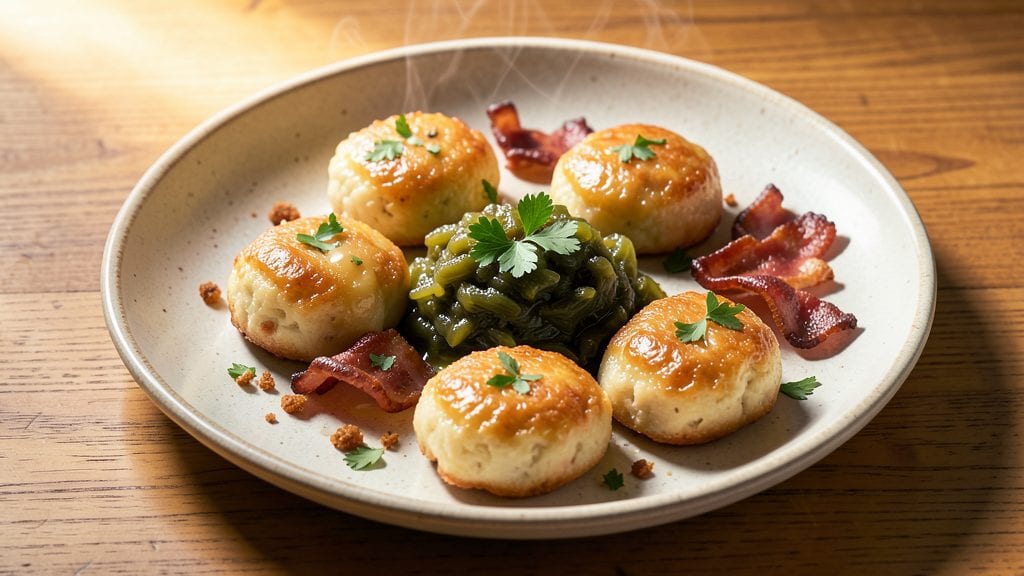
Mastering Czech potato dumplings transforms a simple side dish into a restaurant-worthy centerpiece with their signature fluffy, pillowy texture and buttery crisp edges.
This traditional recipe, known as bramboráky, relies on a precise balance of mashed potatoes, flour, and eggs to create dumplings that are light as air yet sturdy enough to hold their shape when boiled.
The secret lies in handling the dough gently and boiling it just until it rises—no more, no less.
What sets these dumplings apart is their versatility and comforting appeal. Whether served as a hearty side with garlic sauce, crispy fried dumplings, or rich mushroom gravy, they elevate any meal.
The dough comes together in 15 minutes with just a few simple ingredients, yet the technique ensures professional results every time. Even beginners can achieve perfectly shaped, golden-brown dumplings with the right approach.
By the end, you’ll have tender, cloud-like dumplings with a delicate crust that’s crisp when fried or silky when boiled. The aroma of freshly boiled dumplings fills the kitchen, promising a dish that’s both nostalgic and impressive.
This recipe delivers the authentic taste of Czech cuisine with a method that’s foolproof and rewarding.
Pair them with your favorite sauces or enjoy them plain—they’re equally delicious either way. Let’s get started on creating these beloved Czech classics that bring warmth and tradition to your table.
Ingredients for czech potato dumplings
Four simple ingredients transform into golden, cloud-like Czech potato dumplings with crisp edges.
| Ingredient | Amount | Notes |
|---|---|---|
| Russet Potatoes 🥔 | 2 ½ lb | Cold, peeled, and grated fine |
| All-Purpose Flour 🌾 | 1 cup | Sifted for lightness |
| Large Eggs 🥚 | 2 whole | Room temperature preferred |
| Salt 🧂 | 1 ½ tsp | Diamond Crystal kosher salt |
| Unsalted Butter 🧈 | ½ cup | Cold, cubed for frying |
| Fresh Parsley 🌿 | ¼ cup | Chopped, for garnish |
| Garlic Cloves 🧄 | 2 cloves | Minced for optional garlic sauce |
| Vegetable Oil 🫒 | ¼ cup | For deep-frying dumplings |
| Water 💧 | 1 cup | For dough consistency |
| Black Pepper 🌶️ | ¼ tsp | Freshly ground |
| Baking Powder 🍞 | ½ tsp | For extra lift |
The potatoes are the foundation—Russet potatoes have the right starch for that signature fluffiness. Grab the coldest ones from the fridge, peel them immediately, and grate them fine (the finer, the better). Most grocery stores carry Russets year-round, but if you're in a pinch, Yukon Golds work too. The key is to handle the potatoes gently—squeeze out excess moisture with your hands or a clean kitchen towel. Cold potatoes also help prevent the dough from turning gummy. I like to grate them right over the mixing bowl to avoid mess, but a food processor with a grater attachment works too. Just don't pulse them into a paste—keep those strands long for texture.
No baking powder? Skip it—your dumplings will still rise, but they might be slightly denser. The flour is non-negotiable though—all-purpose flour gives the best balance of structure and tenderness. If you're gluten-free, swap for a 1:1 gluten-free blend but add an extra egg. For the eggs, room temperature is ideal, but cold eggs work fine if you're in a hurry. The butter matters when frying—unsalted butter gives you control over seasoning, and cold cubes ensure a sizzle without burning. If you're not frying, you can skip the butter entirely. The parsley is optional but adds a bright finish—fresh is best, but dried works in a pinch at half the amount.
Store the dough in an airtight container in the fridge for up to 2 days—it actually improves as it rests. For best results, boil or fry within 24 hours. Fried dumplings reheat beautifully in a 350°F oven for 10 minutes to crisp them up again. The boiled version? Toss with melted butter and a pinch of salt for a quick side. These dumplings freeze well too—shape them, freeze on a tray, then transfer to a bag for up to 3 months. Just boil from frozen (no need to thaw) and they'll turn out perfect.
Why You'll Love This Recipe
- No Boil, No Fuss: I mash, mix, and roll—no peeling, no chopping, no waiting for water to boil. Just grate those Russets raw (yes, really), toss them with flour and egg, and let the dough rest while you handle the rest of dinner.
- Buttery, Pillowy Magic: That first bite? Crispy outside, fluffy inside, with just enough butter to make it feel like a hug. The eggs bind it perfectly, and the salt? It’s the kind of simple seasoning that makes everything taste better without trying too hard.
- Leftovers That Don’t Suck: These dumplings reheat like a dream—just pop them in a skillet with a little butter, and they’re back to golden perfection. I’ve had them for breakfast, lunch, and even a late-night snack, and no one ever complains.
- Budget-Friendly Crowd-Pleaser: Russets and flour are cheap, eggs are versatile, and butter stretches far when you’re feeding a houseful. Honestly, I’ve made these for potlucks, family dinners, and even a last-minute guest night—always a hit, always affordable.
Step-by-step instructions for Czech potato dumplings
Here's how to make pillowy, golden-edged dumplings that stay light inside and crisp outside every time.
Grate and Press Out Excess Moisture from Potatoes
Using a box grater or food processor, grate the 2.5 lb russet potatoes into a large mixing bowl. I like to work in batches if using a grater—it's faster and prevents arm fatigue. The goal is fine, even shreds, not coarse chunks. This texture is crucial for that signature dumpling consistency.
Once all potatoes are grated, wrap the shreds in a clean kitchen towel or cheesecloth. Gently squeeze out as much excess liquid as possible—this step can't be skipped. Wet potatoes will make your dumplings dense instead of fluffy. Work in sections, pressing firmly but evenly. You should end up with about 3 cups of dry potato shreds after pressing.
Mix Dough Until Just Combined
In a separate bowl, whisk together the 1 cup all-purpose flour, 1.5 tsp salt, 0.5 tsp baking powder, and 0.25 tsp black pepper. The baking powder gives that extra lift these dumplings are known for. Sift the dry ingredients if you have a sifter—this prevents lumps and ensures even distribution.
Add the pressed potato shreds to the dry ingredients and gently fold everything together with a wooden spoon. You're looking for a rough, shaggy dough that holds together when pressed but still looks slightly uneven. Avoid overmixing—just until the flour is evenly distributed. The dough should be soft but not sticky if you've pressed out enough moisture.
Shape and Boil the Dumplings
Bring a large pot of water to a rolling boil. The water should be salted (about 1 tsp additional salt if using Diamond Crystal) and contain enough to submerge the dumplings completely. I use about 4 cups of water for this recipe—enough to prevent the dumplings from sticking together.
Using slightly wet hands (dip in cold water and shake off excess), roll the dough into 1-inch balls—about the size of a walnut. Gently drop them into the boiling water. They'll immediately start to rise to the surface. Here's the thing—don't crowd the pot. Work in batches of 6-8 dumplings at a time to give them room to expand properly.
Cook Until Dumplings Float and Rise
Once all dumplings are in the water, reduce heat to medium-low and let them simmer gently. They'll take about 8-10 minutes to cook through completely. You'll know they're ready when they float to the surface and develop a slightly translucent, pillowy appearance with a few small bubbles.
Here's where it gets tricky: use a slotted spoon to carefully remove the dumplings and drain them on a clean kitchen towel. Don't press them—they'll lose their airy texture. Let them sit for 2-3 minutes before serving. The residual heat will finish cooking them slightly, and the towel absorbs any surface moisture.
Fry in Butter for Golden Crisp Edges
While the dumplings rest, melt the 0.5 cup unsalted butter in a large skillet over medium heat. You want the butter to foam but not brown—this ensures flavor without bitterness. The butter should be hot but not smoking when you add the dumplings.
Working in batches to avoid crowding, add the dumplings to the butter. Let them cook undisturbed for 2-3 minutes per side until they develop golden brown spots and the butter takes on a nutty aroma. This quick fry adds that irresistible crispness while keeping the insides tender. Serve immediately with the 0.25 cup chopped fresh parsley sprinkled on top and the optional minced garlic cloves for a garlic sauce.
Pro Tips For Making Czech Potato Dumplings
- BOIL POTATOES UNTIL SOFT: I learned this the hard way—undercooked potatoes make gummy dumplings. Boil Russets until a knife slides in without resistance (about 15-18 minutes). Drain immediately and let them steam-dry for 2 minutes—this prevents your dough from turning gluey when mixed.
- COOL POTATOES BEFORE MASHING: Hot potatoes release too much starch and turn your dough into a paste. Spread them on a tray and cool to room temp (about 10 minutes). Cold potatoes mash smoothly and give you that perfect, light texture—no one wants dense dumplings.
- DON’T OVERWORK THE DOUGH: Mix just until the flour disappears—overmixing develops gluten, and your dumplings will turn tough. Use your hands or a fork, and stop when the dough clumps but still looks shaggy. Smoothness isn’t the goal here.
- STEAM AT LOW HEAT: High heat = rubbery dumplings. Simmer your pot with a tight lid, and keep the heat at a gentle bubble—you should see just a few tiny bubbles breaking the surface. If the water boils hard, lower the heat immediately. Patience here guarantees tender, fluffy results.
Perfect pairings for these flavors
Garlic Butter Sauce
This classic pairing transforms boiled dumplings into a restaurant-worthy dish. Melt 3 tbsp unsalted butter in a skillet over medium-low heat, then add 3 minced garlic cloves and cook until fragrant (30 seconds). Pour in ¼ cup warm chicken or vegetable broth and simmer until slightly reduced.
Toss in 12 boiled dumplings and let them soak up the sauce for 2 minutes. Finish with 1 tbsp chopped fresh parsley and a pinch of salt. The dumplings should be golden and coated with that rich, garlicky butter. 🧄
Mushroom Gravy
For a heartier option, sauté 1 cup sliced mushrooms in 1 tbsp butter with ½ cup onions until softened. Deglaze with ½ cup white wine, then stir in 1 cup beef or mushroom broth and 1 tbsp flour to thicken.
Simmer for 5 minutes until the gravy coats the back of a spoon. Add 12 fried dumplings and let them warm through. The earthy mushrooms and creamy gravy create a perfect contrast to the dumplings' crisp edges. 🍄
Sweet Sour Cream
Mix ½ cup sour cream with 1 tbsp sugar, 1 tsp lemon juice, and a pinch of salt for a tangy-sweet dip. Warm the dumplings in a skillet with 1 tbsp butter for 2 minutes, then serve with the sour cream sauce on the side.
This pairing is especially popular for breakfast dumplings in Czech homes. The cool, creamy sauce balances the warm, buttery dumplings beautifully. 🍯
Caramelized Onions
Slow-cook 2 cups thinly sliced onions in 1 tbsp butter over low heat for 30-40 minutes until deep golden brown. Stir in 1 tsp sugar and 1 tsp balsamic vinegar at the end.
Spoon the onions over fried dumplings or serve as a side. The sweet, jammy onions add depth to every bite, making this a favorite for holiday meals. 🧅
Crispy Fried Dumplings
For the ultimate indulgence, fry the boiled dumplings in ½ inch vegetable oil at 350°F for 2-3 minutes until golden and crisp. Drain on paper towels and serve with a sprinkle of salt and fresh parsley.
This version is a Czech pub staple—crispy outside, tender inside, and perfect for sharing. The oil should be hot enough to sizzle but not smoke. 🍽️
Creamy Cheese Sauce
Melt 2 tbsp butter in a saucepan, whisk in 2 tbsp flour, then gradually add 1 cup warm milk to create a roux. Stir in ½ cup grated sharp cheddar and ¼ cup sour cream until smooth.
Simmer for 3 minutes until thickened. Pour over boiled dumplings and sprinkle with black pepper. The creamy, cheesy sauce clings perfectly to the dumplings' pillowy texture. 🧀
Nutrition facts
Frequently asked questions
Why do my Czech potato dumplings turn out dense instead of fluffy?
The most common cause is not pressing out enough moisture from the grated potatoes. Wet potatoes release excess liquid during boiling, making the dumplings heavy. Always wrap the shreds in a clean towel and squeeze firmly before mixing. Also, overmixing the dough or using warm potatoes can create a gummy texture. Keep everything cold until the last moment.
Can I make Czech potato dumplings ahead of time?
The dough can be refrigerated for up to 2 days in an airtight container. For best results, boil or fry within 24 hours. You can also freeze shaped dumplings on a tray before boiling—transfer to a bag for up to 3 months. Just boil from frozen (no thawing needed) and they'll turn out perfect. The texture stays pillowy when properly stored.
What's the best way to reheat boiled dumplings?
For boiled dumplings, gently reheat in a skillet with 1 tbsp butter over low heat for 3-4 minutes, just until warmed through. Never microwave—they'll turn rubbery. If you want crispy edges, fry reheated dumplings in 350°F oil for 2 minutes per side. The key is low and slow to preserve that signature cloud-like texture.
Can I substitute potatoes for something else?
While traditional recipes use potatoes, you can experiment with sweet potatoes for a slightly sweeter flavor (reduce water by 2 tbsp since they're moister). For a gluten-free version, swap flour for a 1:1 gluten-free blend and add an extra egg. However, the classic texture relies on potatoes—other starches won't give the same light, airy result. Stick to russets or Yukon Golds for authenticity.
How do I know when the dumplings are fully cooked?
They're done when they float to the surface and develop a slightly translucent appearance with small bubbles. The center should feel tender when pierced with a toothpick. Overcooking makes them tough—remove them as soon as they rise. If they sink back down, they need 2-3 more minutes of gentle simmering. Timing varies slightly with altitude (add 1 minute if above 3,000 feet).