
Side Dishes
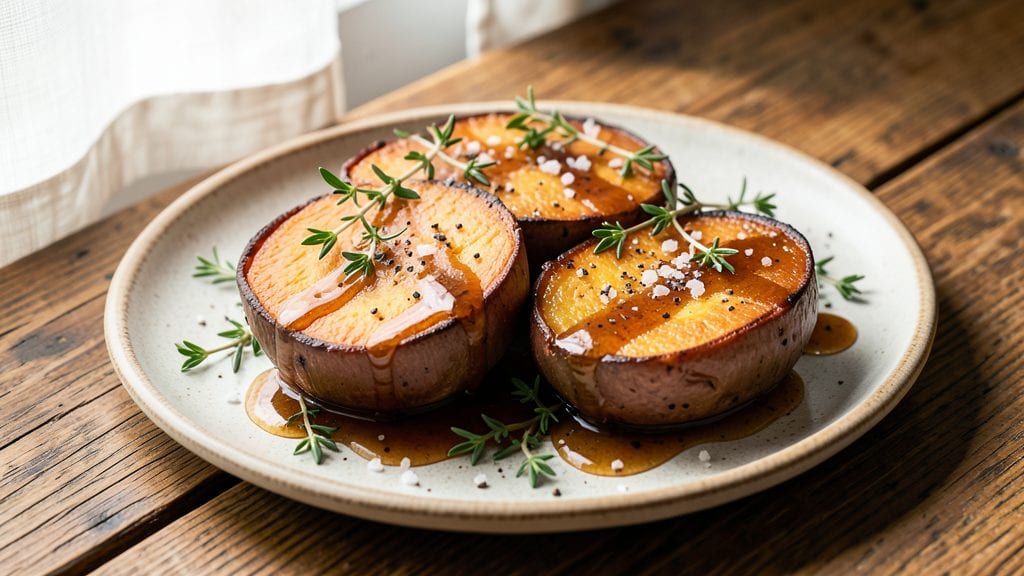
Ina Garten's sweet potato recipe transforms a simple side into a showstopper with its perfect balance of caramelized edges and tender, maple-glazed centers. The secret lies in precise roasting temperatures and a simple glaze that enhances natural sweetness without overpowering it. I've adapted this method to ensure crispy edges every time—no soggy sweet potatoes here. This recipe proves that even humble sides can shine with the right technique.
What sets this apart is the combination of high-heat roasting and a light maple glaze that creates that signature crispy texture while keeping the interior moist. Garten's approach emphasizes simplicity—just a few quality ingredients, clear timing, and attention to detail.
The result is a dish that's elegant enough for holiday tables but easy enough for weeknight dinners. Perfect for pairing with roasted meats or serving as a standalone vegetarian main.
By following these precise steps, you'll achieve sweet potatoes with edges that are crispy and golden, while the interior remains tender and infused with maple sweetness. The glaze caramelizes beautifully, adding depth of flavor that complements any meal.
This is the kind of side dish that makes people ask for the recipe—simple yet undeniably impressive. Let's get started with the ingredients you'll need.
The beauty of this recipe lies in its versatility—it works equally well as a side dish or vegetarian centerpiece. Garnish with fresh thyme or a sprinkle of flaky salt for an extra touch of sophistication.
The method is foolproof, ensuring consistent results whether you're cooking for four or twelve. This is how you elevate a basic vegetable into something truly special.
Ingredients for ina garten sweet potato
Nine essential ingredients elevate humble sweet potatoes into a restaurant-worthy centerpiece.
| Ingredient | Amount | Notes |
|---|---|---|
| Sweet Potatoes 🍠 | 2 lb | Organic, medium-sized, unpeeled |
| Pure Maple Syrup 🍯 | ½ cup | Grade A, Vermont preferred |
| Unsalted Butter 🧈 | 4 tbsp | Cold, cut into small cubes |
| Kosher Salt 🧂 | 1 ½ tsp | Diamond Crystal preferred |
| Freshly Ground Black Pepper 🌶️ | ½ tsp | Freshly cracked for optimal flavor |
| Fresh Thyme Sprigs 🌿 | 4 whole | Or 1 tsp dried thyme leaves |
| Granulated Garlic 🧄 | ½ tsp | For subtle aromatic depth |
| Extra-Virgin Olive Oil 🫒 | 1 tbsp | For tossing before roasting |
| Flaky Sea Salt 🧂 | 1 tsp | For final garnish |
The sweet potatoes are the foundation—organic, medium-sized tubers ensure consistent roasting and maximum flavor. Local farmers markets or Whole Foods carry the best quality, with vibrant orange flesh and smooth skin. Avoid those with soft spots or green patches, as they indicate age. For optimal results, choose potatoes that feel heavy for their size, signaling high moisture content. The maple syrup should be Grade A Vermont for its delicate balance of sweetness and complexity, though any pure maple works in a pinch. Fresh thyme adds an elegant herbal note that pairs beautifully with the caramelized edges, so avoid dried unless specified—the flavor profile differs significantly.
No pure maple syrup? Substitute with 3 tbsp honey plus 1 tbsp water, though the flavor will be slightly different. The butter can be swapped for vegetable shortening in a 1:1 ratio for a neutral fat option, though it lacks the same depth of flavor. Fresh thyme unavailable? Dried thyme at one-third the amount works, but the aroma won't be as pronounced. For a salt-free version, omit the kosher salt entirely and rely solely on the flaky sea salt garnish. The olive oil is crucial for even roasting—avoid flavored varieties, as they can overpower the natural sweetness of the potatoes. If you prefer a smokier profile, swap the olive oil for avocado oil.
Store uncooked sweet potatoes in a cool, dark place for up to 2 weeks, away from onions or potatoes to prevent premature sprouting. Once roasted, the glaze keeps at room temperature for 3 days or refrigerated for 1 week. Reheat gently in the microwave for 20-30 seconds to restore crispiness. For meal prep, portion into individual containers and store the glaze separately to prevent sogginess. The dish reheats beautifully, making it ideal for holiday leftovers—simply broil for 2-3 minutes to restore that coveted crispy edge.
Why You'll Love This Recipe
- One-Pan Magic: I swear by this recipe because it’s that simple—just slice, roast, and drizzle. No peeling, no boiling, no fuss. The sweet potatoes caramelize right on the sheet pan while the maple syrup pools into a sticky, golden glaze that takes zero effort to toss together.
- Sweet & Savory Balance: Between us, the combo of maple syrup and butter is chef’s kiss—rich, buttery, and just enough warmth from the pepper to keep it from being cloying. It’s the kind of dish that tastes like a hug, but also like you put in real work (even though you didn’t).
- Weeknight & Holiday Star: Honestly, this is my go-to for lazy dinners and Thanksgiving sides. Serve it alongside grilled chicken for a meal, or pile it high on a charcuterie board for a crowd. The leftovers? Still delicious reheated the next day (yes, even on a Tuesday night).
- Budget-Friendly Luxury: Sweet potatoes are cheap, maple syrup stretches far, and butter makes everything feel special. I’ll be real: this recipe costs me half what store-bought roasted sweet potatoes do, but it tastes so much better. Plus, it feeds a family for days without breaking the bank.
Step-by-step instructions for maple-glazed roasted sweet potatoes
Here's the method for achieving perfectly caramelized sweet potatoes with a crisp exterior and tender interior.
Prep and Season the Sweet Potatoes
Preheat your oven to 425°F while you prepare the sweet potatoes. Using a sharp chef's knife, cut the 2 lb sweet potatoes into 1-inch thick rounds. The thickness matters—too thin and they'll overcook, too thick and the center stays underdone.
Place the cut sweet potatoes in a large mixing bowl. Add the 1 tbsp extra-virgin olive oil and toss gently to coat evenly. This oil creates a barrier that promotes browning while preventing the sweet potatoes from sticking to the baking sheet. Next, sprinkle with 1.5 tsp kosher salt, 0.5 tsp freshly ground black pepper, and 0.5 tsp granulated garlic. Toss again until every piece is thoroughly coated. The garlic will infuse subtle depth without overpowering the natural sweetness.
Roast Until Tender and Caramelized
Arrange the seasoned sweet potatoes on a rimmed baking sheet in a single layer, leaving about ½-inch of space between each piece. This spacing ensures even air circulation, which is critical for achieving crispy edges. Roast for 25 minutes, then carefully flip each piece using a metal spatula. The first flip guarantees even browning on all sides.
After flipping, return to the oven and roast for another 15-20 minutes until the edges are deep golden brown and the sweet potatoes are easily pierced with a fork. You'll notice the sweet aroma of caramelizing sugars filling your kitchen—this is your cue that the transformation is happening. If they brown too quickly, tent loosely with foil to prevent burning while they finish cooking.
Glaze with Maple and Finish with Butter
Remove the baking sheet from the oven and immediately transfer the sweet potatoes to a serving platter. In a small saucepan over medium-low heat, combine the 0.5 cup pure maple syrup and 4 tbsp unsalted butter. Bring to a gentle simmer, stirring occasionally until the butter melts completely and the mixture becomes glossy. This should take about 3-4 minutes—watch closely to prevent scorching.
Pour the warm maple-butter glaze evenly over the roasted sweet potatoes, allowing it to seep into the crevices. Return the platter to the oven for 2-3 minutes to let the glaze set slightly and create a sticky, caramelized finish. This step is where the magic happens—the maple syrup caramelizes further, creating a beautiful sheen and intensified sweetness.
Garnish and Serve Immediately
Remove the sweet potatoes from the oven and let them rest for 2 minutes to allow the glaze to set slightly. This resting period prevents a messy presentation while keeping the interior tender. Sprinkle evenly with the 4 whole fresh thyme sprigs and 1 tsp flaky sea salt, pressing gently to adhere. The thyme adds an earthy aroma that complements the sweetness, while the flaky sea salt provides a bright contrast.
Serve immediately while the edges remain crisp and the glaze is still warm. These sweet potatoes are best enjoyed straight from the oven, where the contrast between the crisp exterior and tender interior creates the perfect texture. Pair with a protein like grilled chicken or roasted pork for a complete meal that balances sweet, savory, and herby notes.
Pro Tips For Making Ina Garten Sweet Potato
- Poke Holes First: Pierce those sweet potatoes with a fork before roasting—this keeps them from exploding in the oven (yes, it happens). I learned this the hard way when a spud burst all over my sheet pan like a tiny volcanic eruption.
- Use Thick-Cut Potatoes: Skip the peeler—thick slices (about ½-inch) caramelize better and hold their shape when tossed in butter and syrup. Thin slices turn into mush, and nobody wants mushy sweet potatoes, even with maple glaze.
- Salt the Butter: Season the butter before melting it—just a pinch of kosher salt and a crack of black pepper right into the cold butter. Mixing it in later means uneven flavor, and you’ll end up adding more syrup to compensate.
- Roast Until Fork-Tender: Pull them out when a fork slides in like butter—soft enough to mash slightly but still holding structure. Overcooking turns them gummy; undercooking leaves you with a sad, underwhelming bite. Check at 40 minutes, then taste-test.
Essential equipment for this dish
Rimmed Baking Sheet
I swear by a half-sheet rimmed baking sheet—specifically, the Wilton Premium Baking Sheet—for this recipe. The rim prevents spills, and the heavy-gauge aluminum ensures even heat distribution. A 12x17-inch size fits perfectly in most home ovens and provides ample space for the sweet potatoes to roast without crowding.
If you only have a full sheet pan, use two pans to maintain even browning. 🍠
Oven Thermometer
Your oven's temperature display can be wildly inaccurate, and this recipe relies on precise heat. I use the Thermoworks Thermapen ONE—it's fast, accurate, and worth every penny. Place it in your oven while preheating to confirm the temperature is actually 425°F.
If it's off by even 25°F, adjust accordingly. For budget-friendly options, the OXO Good Grips Oven Thermometer works well too.
Metal Spatula
A long-handled metal spatula is essential for flipping the sweet potatoes without tearing their delicate edges. I prefer the OXO Good Grips Metal Spatula—the angled edge helps with precision, and the heat-resistant handle stays cool.
Avoid silicone spatulas for this step, as they don't conduct heat well enough to ensure a clean flip. A sturdy fish spatula also works if you're serving directly from the pan.
Small Saucepan
For the glaze, a small, heavy-bottomed saucepan prevents scorching and ensures even heating. I use a 3-quart stainless steel saucepan from All-Clad—it distributes heat perfectly and won't warp under direct heat.
A non-stick saucepan works too, but stainless steel gives better control over the caramelization process. Keep the heat at medium-low to avoid burning the maple syrup.
Mixing Bowl
A large, shallow mixing bowl is key for tossing the sweet potatoes evenly with oil and seasonings. I recommend a stainless steel bowl (like the Farberware Classic Stainless Steel Mixing Bowl)—it's durable and won't retain odors.
Avoid glass bowls for tossing, as they can crack if dropped or if the sweet potatoes hit too hard. The bowl should be big enough to hold all the sweet potatoes in a single layer for even coating.
Serving Platter
A wooden serving board or ceramic platter elevates the presentation, but any heat-resistant surface works. I love the Le Creuset Stoneware Platter for its rustic charm and heat retention.
For a budget option, a stainless steel serving tray (like the Oneida Linet Classic) keeps everything hot while transferring from oven to table. Just ensure it's large enough to hold all the sweet potatoes in a single layer for even glaze distribution. 💫
Nutrition facts
Frequently asked questions
Can I use regular potatoes instead of sweet potatoes?
Absolutely not! Sweet potatoes have a naturally sweeter, creamier texture that pairs perfectly with the maple glaze. Regular potatoes would absorb too much moisture and lack that signature caramelization. The starch content in sweet potatoes creates those beautiful crispy edges while staying tender inside.
How do I get the edges extra crispy like Ina Garten's?
The secret is in the roasting technique: cut them into 1-inch thick rounds, leave ½-inch space between pieces, and roast at 425°F for a total of 35-40 minutes with one flip. The high heat caramelizes the natural sugars in the skin. For extra crispiness, broil for 1-2 minutes at the very end after glazing.
Can I make this recipe ahead of time?
Roast the sweet potatoes up to 2 days ahead and store them at room temperature. Reheat in a 350°F oven for 10 minutes before adding the glaze. For the full dish, assemble with the glaze 1 day ahead and reheat in the oven for 5-7 minutes to restore crispiness. The glaze sets better when made fresh, though.
What if my sweet potatoes are unevenly shaped?
No problem! Cut larger pieces into 1-inch thick rounds and leave smaller ones whole. Arrange them in a single layer with space between pieces for even browning. The key is consistent thickness—this ensures they cook uniformly. Uneven shapes won't ruin the dish, but uniform pieces guarantee perfect results every time.
Can I substitute honey for the maple syrup?
Yes, but use 3 tbsp honey plus 1 tbsp water to mimic the syrup's consistency. Honey caramelizes faster, so watch closely to avoid burning. The flavor will be slightly different—maple adds a deeper, earthier sweetness. For best results, stick with pure maple syrup if possible.