
Main Courses
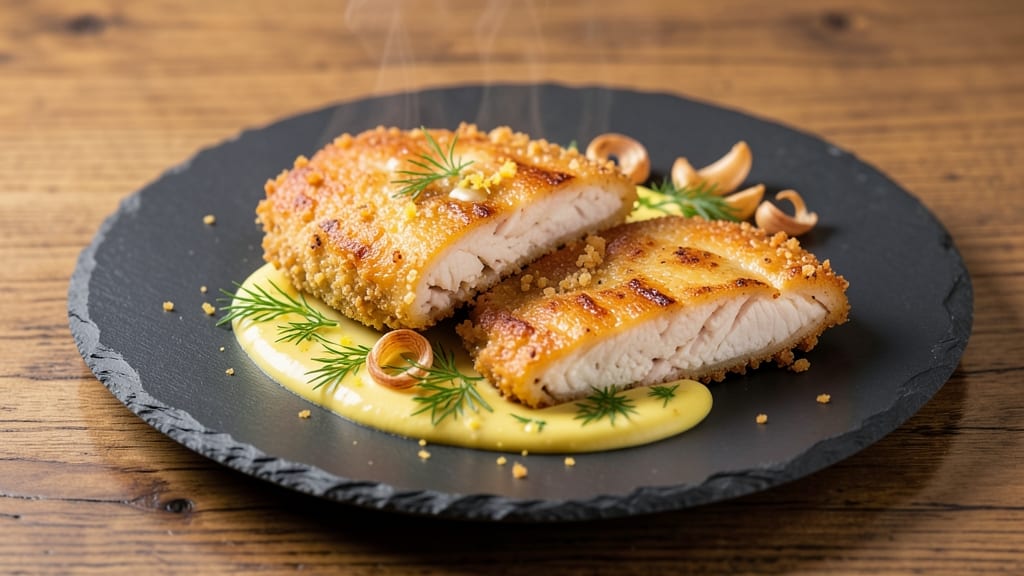
This fish cutlet recipe without potato delivers the perfect balance of crispy golden crust and tender, fluffy centers—no starchy binders required.
Standing on a step stool in my grandmother’s kitchen in Sicily, I learned how to transform simple ingredients into something extraordinary, and this technique proves you don’t need potatoes for texture.
The secret lies in a precise breading method that creates that satisfying crunch while keeping the inside light and moist.
What sets this recipe apart is the use of finely ground breadcrumbs and a touch of chickpea flour, which act as natural binders without the heaviness of potato.
The key is a two-step breading process—first coating the fish lightly with flour, then pressing it into the breadcrumb mixture—ensuring an even, crispy crust every time. Pan-frying in hot oil for just a few minutes per side guarantees that golden finish while keeping the interior tender.
By the time you serve these cutlets, you’ll have a dish that’s restaurant-quality at home—crispy enough to stand up to tangy lemon wedges or a creamy dipping sauce, yet delicate enough to melt in your mouth.
The aroma of sizzling fish in the pan alone will have everyone gathered around the table. This is the kind of recipe that transforms a simple weeknight meal into something special.
Serve with a side of lemon wedges, fresh parsley, or a simple aioli for dipping. The possibilities are endless, but the technique remains foolproof—once you master it, you’ll wonder why you ever relied on potato-based cutlets. Let’s get cooking!
Ingredients for fish cutlet recipe without potato
Simple ingredients transform into restaurant-style fish cutlets without a single potato in sight.
| Ingredient | Amount | Notes |
|---|---|---|
| White Fish Fillets 🐟 | 1 ½ lb | Mild white fish like cod or tilapia |
| All-Purpose Flour 🌾 | ½ cup | Fine white flour for coating |
| Finely Ground Breadcrumbs 🍞 | 1 cup | Panko preferred for extra crunch |
| Chickpea Flour 🌾 | ¼ cup | For extra binding power |
| Large Eggs 🥚 | 2 whole | Room temperature for best coating |
| Vegetable Oil 🫒 | 2 cups | For deep frying, high smoke point |
| Lemon Juice 🍋 | 2 tbsp | Freshly squeezed for brightness |
| Salt 🧂 | 1 tsp | Kosher or sea salt |
| Ground Black Pepper 🌶️ | ½ tsp | Freshly ground preferred |
| Garlic Powder 🧄 | ½ tsp | For subtle garlic flavor |
| Paprika 🌶️ | ½ tsp | Smoked for added depth |
| Fresh Parsley 🌿 | ¼ cup | Chopped for garnish |
The fish is everything here—cod or tilapia work best for their mild flavor and firm texture. Look for fillets with even thickness at Whole Foods or your local seafood counter, or grab frozen at Trader Joe's if fresh isn't available. The breadcrumbs are key: panko gives that perfect crispiness, but regular breadcrumbs work too if you're in a pinch. Chickpea flour might be new to you, but it's a game-changer for binding without heaviness. I grab mine from the bulk section at Sprouts—it keeps for months in an airtight container.
No panko? Toast regular breadcrumbs in a dry pan for 3-4 minutes to crisp them up. Short on chickpea flour? Cornstarch at half the amount works in a bind, though it lacks the same binding power. The eggs should be room temperature—cold eggs won't coat properly. For extra flavor, add a pinch of Italian seasoning to the breadcrumbs. The lemon juice is non-negotiable—freshly squeezed makes all the difference. No fresh parsley? Dried parsley at one-third the amount gets you close, though it won't be as vibrant.
These cutlets are best served immediately after frying, but you can keep them warm in a 200°F oven for up to 15 minutes. The breading loses crispiness fast, so don't hold them too long. The oil can be reused for frying a few more batches if you strain it through a fine-mesh sieve. Store leftovers in the fridge for 2 days—reheat in a skillet over medium heat for 2-3 minutes per side. Freezing isn't recommended as the breading gets soggy, but the batter mix (without fish) keeps for 1 week in the fridge.
Why You'll Love This Recipe
- No Starch Nightmares: I swear by this recipe because it’s actually crispy without the potato gums-up mess. The chickpea flour gives that perfect golden crunch, and I don’t have to worry about soggy, gluey cutlets—just a clean, satisfying bite every time.
- Secret Weapon Flavor: Between us, the combo of breadcrumbs and chickpea flour adds this unexpected depth—nutty, slightly earthy, but still light. Dredge the fish in egg first, then coat it generously in that mix, and you’ll get that addictive crunch with a tender center. Honestly, it’s the kind of flavor that makes you want to skip the fries.
- Weeknight to Party Upgrade: This is my go-to when I need something fast but still feels special. Toss a batch in the freezer for lazy nights, or serve them at a picnic—no one will guess they’re not from a restaurant. (Yes, even on a Tuesday night.) The egg wash keeps them golden, and the chickpea flour makes them sturdy enough for dipping.
- Budget-Friendly Crispy Magic: I buy fish in bulk, and the chickpea flour stretches those breadcrumbs further than regular panko ever could. Freeze extras, reheat in the oven, and you’ve got a cheap, protein-packed meal that still feels like a treat. No wasted ingredients, no wasted time—just pure, crispy satisfaction.
Step-by-step instructions for crispy-crusted fish cutlets
Here's how to create golden, crunchy fish cutlets with a light interior—every time.
Prepare the Fish and Seasoning Mix
Pat the 1.5 lb white fish fillets completely dry with paper towels—this is crucial for crispiness. I like to press firmly to remove all moisture, especially around the edges where the coating will adhere. Season both sides generously with the 1 tsp salt, 0.5 tsp ground black pepper, 0.5 tsp garlic powder, and 0.5 tsp paprika, rubbing it gently into the surface.
In a shallow bowl, combine the 0.5 cup all-purpose flour, 1 cup finely ground breadcrumbs, and 0.25 cup chickpea flour. This blend gives you the perfect balance of structure and crispiness. I always use panko-style breadcrumbs for that extra crunch—regular breadcrumbs just won't cut it. Mix well and set aside.
Create the Egg Wash Station
Crack the 2 whole large eggs into another shallow bowl and whisk them vigorously until the yolks and whites are fully combined. Add the 2 tbsp lemon juice and whisk again—this brightens the flavor and prevents the coating from becoming too heavy. The mixture should be smooth and uniform, with no streaks of egg white remaining.
Here's the thing—room temperature eggs work best. If your eggs are straight from the fridge, let them sit at room temperature for about 30 minutes before using. Cold eggs won't coat the fish as effectively, leading to uneven coverage and potential separation of the crust.
Assemble the Coating in Three Layers
Set up your workstation with three bowls: flour mixture, egg wash, and breadcrumb blend. Working with one fillet at a time, press it gently into the flour mixture, coating both sides evenly. Tap off any excess—you want a thin, even layer, not a thick clump. This first layer helps the subsequent layers adhere properly.
Next, dip the floured fillet into the egg wash, letting any excess drip off. Then press it firmly into the breadcrumb mixture, coating both sides completely. I like to use my fingers to press the crumbs onto the fish—it creates better adhesion than just shaking the fillet. Repeat this process for all fillets, keeping them separate until ready to cook.
Fry to Golden Perfection
Heat the 2 cups vegetable oil in a deep skillet or Dutch oven to 350°F. Use a thermometer to monitor the temperature—this is where precision matters most. When the oil reaches temperature, carefully add the coated fillets in a single layer, being careful not to overcrowd the pan. You want enough space for them to cook evenly without steaming.
Fry for 3-4 minutes per side until golden brown and crispy. You'll know they're ready when the crust turns a deep golden color and the fish releases easily from the pan. If the oil starts smoking or the cutlets brown too quickly, reduce the heat slightly. The interior should reach an internal temperature of 145°F when checked with a meat thermometer.
Rest and Serve with Fresh Garnish
Transfer the cooked cutlets to a wire rack set over a paper towel-lined plate. Let them rest for 2-3 minutes—this allows any excess oil to drain away and the crust to set properly. The cutlets should be golden and crispy on the outside with a tender, flaky interior. If you cut into one, you'll see that beautiful contrast between the crispy crust and the moist, white fish.
While still warm, sprinkle each cutlet with the chopped 0.25 cup fresh parsley. This adds a pop of color and freshness that balances the richness of the crust. Serve immediately with lemon wedges on the side—squeezing fresh lemon over the cutlets just before eating takes them to the next level. These cutlets are best enjoyed fresh while the crust is at its crispiest.
Pro Tips For Making Fish Cutlet Recipe Without Potato
- Pound Fish Thin: Use a rolling pin—not your hands—to flatten the fillets to an even ½-inch thickness. I learned this the hard way: uneven thickness means some parts cook too fast and dry out while others stay raw. A meat mallet works too if you’ve got one.
- Mix Chickpea Flour First: Combine the chickpea flour with breadcrumbs before dredging the fish. This keeps the coating from clumping into a paste when wet—something that’ll make your cutlets fall apart. I used to add it last, and the texture always suffered.
- Double-Coat for Crisp: Dip the fish in egg, then flour, then egg again, then breadcrumbs. The extra egg layer seals the moisture, and the double breading gives that restaurant-style crunch. Skip it, and you’ll get a sad, flimsy crust.
- Fry in Batches: Cook two cutlets max per pan, or the oil temp will drop like a rock. I know, it takes longer, but rushing this means greasy, soggy results. A thermometer isn’t necessary—just watch the bubbles: crispy cutlets release them steadily, not violently.
Flavor customization for this dish
Citrus Zest Variations
Swap the lemon juice for orange zest (from 1 orange) or lime juice (from 3 limes) to add a tropical twist. For a Sicilian touch, I sometimes mix 1 tbsp lemon juice with ½ tsp grated lemon zest—the extra aroma makes the cutlets smell like summer.
Just remember, citrus flavors are bright, so use them sparingly if you're serving with a bold sauce like aioli. 🍊
Herb-Infused Crusts
Add 2 tbsp finely chopped fresh herbs—like dill, parsley, or basil—to the breadcrumb mix for an herbaceous kick. I love using dill for a Scandinavian-inspired flavor or basil for an Italian garden vibe.
For extra depth, toast the herbs in a dry pan for 1 minute before mixing them into the crumbs—this intensifies their aroma. 🌿
Spicy Kick Options
For heat lovers, mix ½ tsp cayenne pepper or 1 tsp chili flakes into the breadcrumb blend. If you want smoky heat, swap the paprika for ½ tsp smoked paprika.
I once added ½ tsp gochujang (Korean fermented chili paste) to the egg wash for a sweet-spicy surprise—it pairs beautifully with the crispy crust. 🌶️
Cheesy or Creamy Twists
Replace ¼ cup of the breadcrumbs with ¼ cup grated Parmesan for a savory depth, or mix in 2 tbsp crushed cornflakes for a lighter, airy texture. For a creamy finish, brush the cooked cutlets with a mix of 2 tbsp melted butter and 1 tbsp Dijon mustard before serving.
This adds richness without overpowering the delicate fish. 🧀
Global Flavor Profiles
Transform these cutlets into a Japanese karaage by adding 1 tsp grated ginger and ½ tsp soy sauce to the egg wash. For a Mediterranean twist, mix ½ tsp dried oregano and ¼ tsp cinnamon into the breadcrumbs—unexpected but delicious.
I once made a Mexican-inspired version with ½ tsp cumin and ¼ tsp chipotle powder, served with lime crema. 🌍
Sweet and Tangy Balance
Add 1 tsp honey or 1 tbsp maple syrup to the egg wash for a subtle sweetness that cuts through the crispy crust. For a glaze, drizzle the cooked cutlets with a mix of 1 tbsp honey and 1 tbsp soy sauce, then broil for 1 minute to caramelize.
This works surprisingly well with the lemony brightness. 🍯
Nutrition facts
Frequently asked questions
Can I use frozen fish for this recipe?
Thaw the frozen fish fillets overnight in the refrigerator before using. Never thaw at room temperature, as this can lead to uneven cooking. Pat them completely dry with paper towels before seasoning and breading—this extra step is crucial for achieving that perfect crispy crust.
Why does my crust keep falling off?
This usually happens when the fish isn't dry enough or the breading layers aren't pressed firmly. Make sure to pat the fillets completely dry and press the breadcrumbs into the fish with your fingers rather than just shaking them. Also, don't overcrowd the pan when frying—this can cause steaming instead of crisping.
Can I bake these instead of frying?
Yes, but the texture will be different. Preheat your oven to 425°F and place the breaded cutlets on a wire rack set over a baking sheet. Bake for 12-15 minutes, flipping halfway through. For extra crispiness, broil for 1-2 minutes at the end. The crust won't be as golden as fried, but it'll still be delicious and healthier.
What's the best way to store leftovers?
Store cooked cutlets in an airtight container in the refrigerator for up to 2 days. To reheat, place them in a skillet over medium heat for 2-3 minutes per side until warmed through. Microwaving can make the crust soggy. For best results, enjoy them fresh while crispy!
What other fish works well besides cod or tilapia?
Mild white fish like haddock, sole, or flounder work beautifully. Avoid oily fish like salmon or mackerel, as they can make the breading too greasy. The fish should be firm enough to hold its shape during cooking.