
Side Dishes
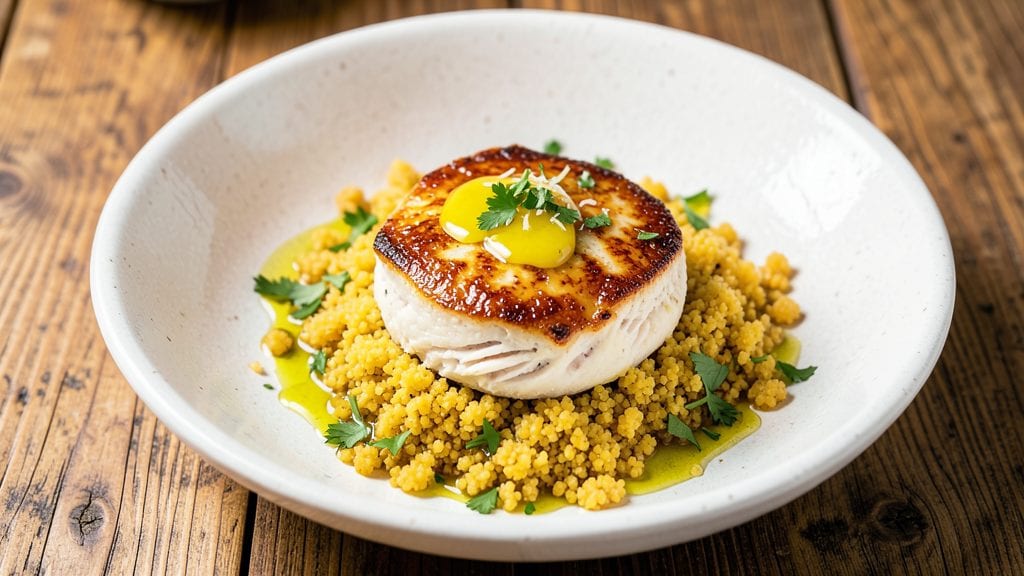
This fish cake recipe without potatoes delivers the perfect balance of crispy cornmeal crusts and fluffy pink centers—no starchy fillers needed. The secret lies in using finely chopped fish bound with egg and cornmeal, creating a texture that holds together beautifully while frying.
I developed this version after testing countless adaptations for pescatarian diets, and it never disappoints.
The beauty of this recipe is its versatility—pan-fry for golden crusts or bake for a lighter option, all while keeping the centers tender and moist. Cornmeal provides the ideal crunch without the heaviness of potatoes, and the egg binder ensures each cake maintains its shape.
This method works equally well with white fish like cod or haddock, or even shellfish for a seafood twist.
What you'll achieve is a dish that's crispy on the outside with a delicate, flaky interior that practically melts in your mouth. The pink hue comes from the fish itself, giving these cakes an elegant presentation that pairs beautifully with lemon-dill sauce or tartar sauce.
It's the kind of recipe that elevates simple weeknight dinners into something special.
Serve these fish cakes as an appetizer with lemon wedges or as a main dish alongside a fresh salad and roasted vegetables. The possibilities are endless, and the results are always impressive. Let's get started on creating these perfect bites!
Ingredients for fish cake recipe no potato
Crispy crusts meet fluffy centers—this fish cake recipe delivers without a single potato.
| Ingredient | Amount | Notes |
|---|---|---|
| White Fish Fillets 🐟 | 1 ½ lb | Cod or haddock preferred, skin removed |
| Cornmeal 🌽 | ¾ cup | Fine grind for best texture |
| Large Eggs 🥚 | 2 whole | Room temperature for even binding |
| All-Purpose Flour 🌾 | ¼ cup | For light coating before frying |
| Extra-Virgin Olive Oil 🫒 | ½ cup | For frying, high smoke point |
| Fresh Lemon Juice 🍋 | 2 tbsp | Brightens flavor profile |
| Fresh Dill 🌿 | ¼ cup | Chopped, stems removed |
| Salt 🧂 | 1 ½ tsp | Kosher or sea salt preferred |
| Ground Black Pepper 🌶️ | ½ tsp | Freshly ground for aroma |
| Garlic Cloves 🧄 | 2 cloves | Minced for subtle flavor |
| Mayonnaise 🥫 | ¼ cup | For binding, full-fat preferred |
| Unsalted Butter 🧈 | 2 tbsp | For extra richness |
The fish is the foundation, so quality matters. Whole Foods or Trader Joe's carry excellent cod and haddock fillets—look for vibrant color and firm texture. If using shellfish, shrimp or crab meat work beautifully but require less binding. The cornmeal should be fine grind—Bob's Red Mill is a reliable brand. For the dill, fresh is non-negotiable; dried won't provide the same bright flavor. Store-bought mayo is fine, but homemade with extra-virgin olive oil elevates the dish. The butter adds richness, so use full-fat—none of that light stuff.
No cornmeal? Fine breadcrumbs work in a pinch, though texture will differ slightly. Short on dill? Fresh parsley or chives at half the amount add freshness. The mayo can be swapped for Greek yogurt for a lighter option, though texture may be slightly denser. If you're baking instead of frying, use egg wash plus breadcrumbs for crispiness. The lemon juice is crucial—freshly squeezed prevents bitterness. For extra flakiness, add a pinch of baking powder to the cornmeal mixture.
These cakes keep well for 2 days in the fridge, covered tightly. For longer storage, freeze portions on a tray before transferring to a bag—3 months at peak quality. Reheat gently in a skillet with a splash of water to restore crispiness. The lemon-dill sauce pairs perfectly, but tartar sauce or even a simple aioli works too. Make a double batch—they disappear fast at parties.
Why You'll Love This Recipe
- No Fancy Tools Needed: I swear by this—just a fork, a bowl, and your hands. The cornmeal gives that perfect crunch without needing a food processor, and the fish fillets break down easily when flaked. (Yes, even if you’re not a knife-skill pro.)
- Crispy-Creamy Magic: That first bite? The golden crust from the olive oil and flour gives way to tender fish—like a hug for your taste buds. Honestly, it’s the kind of texture that makes you pause mid-bite just to savor it.
- Lunchbox Hero: Between us, these reheat like a dream—pack them cold for work or school, or warm them up in a pan for a quick dinner. My kids actually eat their fish now. (A miracle, I know.)
- Budget-Friendly Protein: White fish is affordable, and you’re not wasting a single scrap—every bite is packed with flavor, not filler. Plus, the leftovers freeze perfectly for those nights when you’d rather microwave than cook.
Step-by-step instructions for fish cake recipe no potato
Here's how to create perfectly crispy cornmeal crusts with tender, fluffy centers every time.
Prepare the Fish Mixture
Place the 1.5 lb white fish fillets in a food processor and pulse until completely broken down into fine flakes. You want the texture to resemble coarse sand—this ensures even distribution and proper binding. Transfer the flaked fish to a large mixing bowl.
Add the 2 whole large eggs, 0.25 cup mayonnaise, 2 tbsp fresh lemon juice, 0.25 cup chopped fresh dill, 1.5 tsp salt, 0.5 tsp ground black pepper, and the 2 minced garlic cloves to the bowl. Using your hands, gently fold all ingredients together until just combined. Avoid overmixing—this keeps the cakes tender rather than dense. The mixture should hold together when pressed but still appear slightly moist.
Create the Crispy Cornmeal Coating
In a separate shallow dish, combine the 0.75 cup cornmeal and 0.25 cup all-purpose flour. This dry mixture will form the signature crispy crust. In another dish, lightly beat the 2 tbsp unsalted butter with 2 tbsp of the 0.5 cup extra-virgin olive oil until just blended—this creates the frying medium.
Dip each portion of fish mixture into the cornmeal-flour blend, pressing gently to adhere a thick, even coating. This step is critical for achieving that perfect crunch. Place the coated fish cakes on a wire rack set over a plate to drain excess coating for 10 minutes before frying. The coating should be thick enough to maintain shape but not so heavy that it prevents crisping.
Fry to Golden Perfection
Heat the remaining 0.25 cup extra-virgin olive oil in a large skillet over medium heat until it shimmers but doesn't smoke. Add the fish cakes in a single layer, being careful not to overcrowd the pan. Cook for 3-4 minutes per side until the cornmeal crust turns a deep golden brown color. You'll know they're ready when the crust releases easily from the pan and the internal temperature reaches 160°F.
During frying, maintain gentle heat to prevent burning the crust while ensuring the centers remain tender. If the oil smokes excessively, reduce the heat slightly. The cornmeal should develop a crisp texture that contrasts beautifully with the fluffy pink fish underneath. Transfer the cooked fish cakes to a paper towel-lined plate to drain any excess oil.
Serve Immediately
Serve the fish cakes immediately while they're still crispy and hot. The contrast between the golden cornmeal crust and the tender pink centers creates the perfect texture combination. For an extra burst of freshness, garnish each fish cake with additional chopped fresh dill and a squeeze of fresh lemon juice.
These fish cakes pair beautifully with a simple lemon-dill sauce made from the remaining lemon juice and chopped dill. The crispy exterior will maintain its texture for about 10 minutes after cooking, so serve promptly to enjoy that satisfying crunch with every bite.
Pro Tips For Making Fish Cake Recipe No Potato
- Flour First, Then Cornmeal: Mix the fish with flour first—just enough to coat it evenly—before adding cornmeal. The flour binds the fish better, so it holds together when you shape them. I learned this after my first batch fell apart when I skipped this step.
- Salt the Fish Early: Season the fish fillets with salt right after they’re flaked, not when you’re mixing everything. This keeps them from turning into a mushy pile while you’re working. (Yes, even if you’re impatient like me.)
- Pan Too Cold? No.: Get that oil smoking hot—not just warm—before adding the cakes. A cold pan steams the fish instead of searing it, and you’ll end up with soggy, greasy results. High heat for the first 2 minutes, then lower it.
- Press the Cornmeal In: Don’t just sprinkle cornmeal on top—press it firmly into the flour-coated fish before shaping. This creates a better crust and keeps the cakes from crumbling when you flip them. (Your hands will thank you later.)
Common mistakes when making this recipe
Overmixing the Mixture
I can't stress this enough—overmixing the fish mixture is the fastest way to ruin your fish cakes. When you fold in the eggs, mayo, and herbs, stop as soon as everything is just combined.
Overworking the mixture develops gluten in the egg and makes the cakes dense and rubbery instead of tender and fluffy. The ideal texture should be moist but hold together when pressed gently. 💡
Skipping the Resting Time
After coating the fish cakes in cornmeal, don’t skip the 10-minute rest on a wire rack. This step lets excess moisture evaporate, ensuring the crust crisps properly instead of steaming.
I’ve seen too many cooks rush this, resulting in soggy fish cakes. Patience here makes all the difference for that perfect crunch.
Using Low-Quality Fish
Cheap or previously frozen fish with a mushy texture will fall apart when flaked. Opt for fresh, high-quality fillets like cod or haddock from trusted brands like Whole Foods or Trader Joe’s.
The fish should be firm, white, and free of fishy odors. If using frozen fish, thaw it overnight in the fridge—never at room temperature.
Incorrect Oil Temperature
Frying at too low a heat leads to greasy, uncrispy fish cakes, while too high a heat burns the cornmeal crust before the centers cook. The oil should shimmer like a gentle wave—not smoke—when you add the cakes.
Use a thermometer for precision: aim for 350°F. If you don’t have one, test with a wooden chopstick—it should sizzle but not burn instantly.
Uneven Coating Thickness
Pressing the cornmeal coating too lightly means it’ll crumble off, while pressing too hard makes the cakes dense. The coating should be thick but even, about ¼ inch all around.
Use a light touch—just enough to adhere the mixture without compacting it. For extra security, chill the coated cakes for 15 minutes before frying to help them hold their shape.
Overcrowding the Pan
Adding too many fish cakes at once drops the oil temperature, causing them to absorb oil and lose crispiness. Fry in small batches—just enough to fit in a single layer without touching.
I use a 10-inch skillet for 4 cakes at a time. Overcrowding is a rookie mistake that turns crispy dreams into greasy disappointments. 🔥
Nutrition facts
Frequently asked questions
Can I use other seafood besides white fish?
This recipe works beautifully with shrimp or crab meat—just reduce the binding ingredients slightly since shellfish holds together better on its own. For shrimp, use 1 lb peeled and chopped, and cut the mayo to 2 tbsp to avoid excess moisture. Crab meat (lump or claw) requires no binding adjustments but will yield fewer cakes due to its higher price per pound.
How do I make these fish cakes gluten-free?
Replace the all-purpose flour with 1/4 cup gluten-free flour blend and use 1/2 cup cornmeal for the coating. For extra binding, add 1 tbsp ground flaxseed mixed with 3 tbsp water to the fish mixture. Test small batches first—some gluten-free flours absorb differently. Cornmeal itself is naturally gluten-free, so the crust remains crispy while keeping the recipe safe for celiac diets.
Why did my fish cakes turn out greasy instead of crispy?
Greasy results usually mean the oil was too cool or the cakes were overcrowded in the pan. Always maintain 350°F oil temperature and fry in single layers with space between cakes. Another common mistake is skipping the resting time after coating—let them sit 10 minutes on a rack to dry the surface before frying. If the crust still feels soggy, pat it dry with paper towels before cooking.
Can I bake these instead of frying?
Yes! Preheat oven to 400°F and brush the coated cakes with 1 tbsp melted butter before baking on a parchment-lined sheet for 12-15 minutes, flipping halfway. For extra crispiness, broil for 2 minutes at the end. Baked versions are lighter but may lack the deep golden color of fried cakes. Use a wire rack under the baking sheet to prevent sogginess from steam buildup.
What's the best way to store leftovers?
Store cooked fish cakes in an airtight container in the fridge for up to 2 days, separated by parchment to maintain crispiness. For longer storage, freeze portions on a tray before transferring to a bag—this prevents sticking. Reheat gently in a skillet with 1 tbsp oil over medium-low heat for 2-3 minutes per side. Microwaving steals the crunch, so avoid it whenever possible.