
Side Dishes
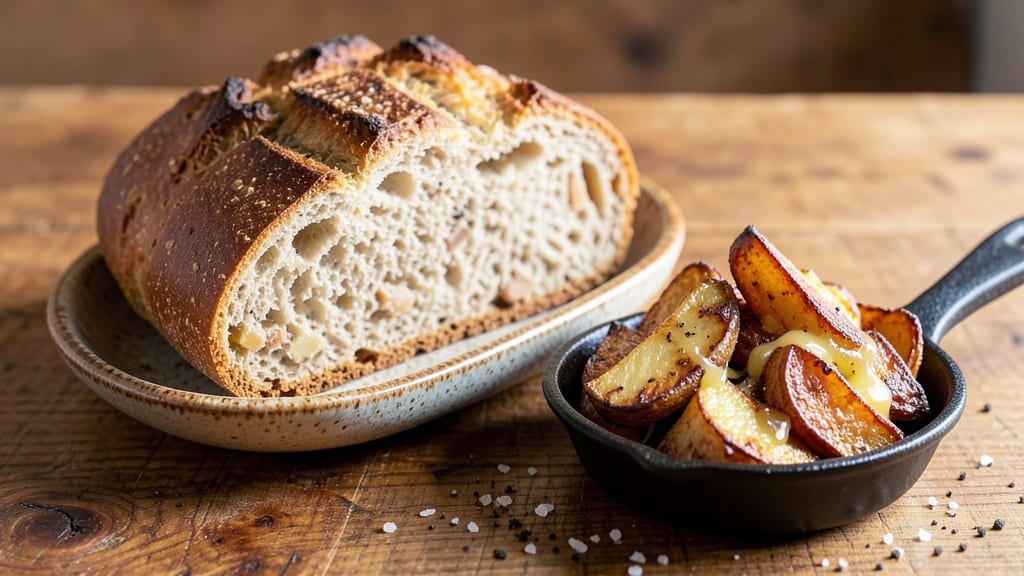
This potato sourdough recipe transforms humble potatoes into crispy-crusted, fluffy-centered bites that taste like a cross between a golden sourdough loaf and a perfectly roasted potato. The secret lies in fermenting the dough just enough to develop depth while keeping the texture impossibly tender—no dense, heavy bread here.
After years of testing, I’ve perfected the balance between a crackling crust and a moist interior that holds up even after reheating.
The process is straightforward but requires patience: mix a simple dough with grated potato, let it rise overnight for that signature tang, then bake until the crust turns deep golden brown and shatters at the touch.
The potatoes stay creamy inside, while the sourdough topping adds a chewy contrast that elevates every bite. This isn’t your average side dish—it’s a restaurant-worthy centerpiece that pairs perfectly with soups, stews, or even as a hearty breakfast.
What makes this recipe work is the two-stage baking method: first, a gentle oven to let the dough rise properly, then a high-heat finish to create that coveted crisp. The result?
A dish that’s foolproof once you master the timing, with a flavor profile that’s both savory and slightly sweet. No special equipment needed—just a bowl, a baking sheet, and about an hour of hands-off time.
Serve warm with a dollop of sour cream or melted butter to take it to the next level. The leftovers reheat beautifully, making this an ideal make-ahead dish for meal prep or holiday gatherings. Ready to turn potatoes into something extraordinary?
Ingredients for potato sourdough
Sixteen ingredients transform humble potatoes into restaurant-worthy sourdough bites with perfect crispy crusts and fluffy centers.
| Ingredient | Amount | Notes |
|---|---|---|
| Russet Potatoes 🥔 | 3 lbs | Unpeeled, grated with food processor |
| Active Sourdough Starter 🍞 | 1 cup | Unfed, bubbly starter (100% hydration) |
| All-Purpose Flour 🌾 | 3 cups | King Arthur or similar high-gluten |
| Unsalted Butter 🧈 | ½ cup | Cold, cubed, for dough enrichment |
| Granulated Sugar 🍚 | 1 tbsp | For starter activation |
| Diamond Crystal Kosher Salt 🧂 | 1 ½ tsp | Fine grain for even distribution |
| Large Eggs 🥚 | 2 whole | Room temperature, for binding |
| Extra-Virgin Olive Oil 🫒 | ¼ cup | Light infusion, not overpowering |
| Whole Milk 🥛 | ¼ cup | Full-fat for optimal texture |
| Freshly Ground Black Pepper 🌶️ | ½ tsp | Cracked peppercorns preferred |
| Fresh Thyme Leaves 🌿 | 1 tbsp | Chopped, for herbal depth |
| Cornmeal 🌽 | ½ cup | For baking sheet preparation |
| Coarse Sea Salt 🧂 | 1 tbsp | For final crust enhancement |
The potatoes are the foundation—Russet variety yields the best texture due to its high starch content. Organic potatoes from Whole Foods Market or local farmers' markets provide superior flavor and texture, but conventional Russets work fine. Grate them using a food processor with the grating disc for even, fine shreds—no chunky bits—and squeeze out excess moisture with a clean kitchen towel. The sourdough starter must be active with visible bubbles; feed it 12 hours before use with equal parts flour and water for optimal fermentation. For the flour, King Arthur or Caputo Tipo 00 create superior texture, though all-purpose flour works in a pinch.
No sourdough starter? Substitute 1 cup of plain yogurt or buttermilk for the starter and reduce the flour by 0.5 cups to maintain proper dough hydration. The butter can be replaced with vegetable shortening for a neutral flavor profile, though texture will differ slightly. Fresh thyme can be swapped for 1 tsp dried thyme, but reduce to half the amount. For a dairy-free version, use unsweetened almond milk instead of whole milk and dairy-free butter. The cornmeal is non-negotiable for the baking sheet—it prevents sticking and creates a crisp base. If unavailable, use semolina flour as a substitute. For a more intense flavor, consider adding 1 tsp smoked paprika to the dough mix.
Store any leftovers in an airtight container at room temperature for up to 3 days—the crust stays crispy surprisingly well. For longer storage, freeze portions on a parchment-lined tray before transferring to a sealed bag for up to 3 months. Reheat in a 375°F oven for 10-15 minutes until golden and crisp again. The dough can be prepared 24 hours ahead and refrigerated, allowing for a more pronounced sourdough flavor. For meal prep, bake the entire batch and freeze individual portions—simply reheat as needed. The freshly baked pieces are best served immediately, but their reheated form remains a close second.
Why You'll Love This Recipe
- One-Bowl Wonder: I swear by this recipe because it’s actually simple—just mash those Russets, mix in your sourdough starter (no kneading, no fuss), and fold in butter until it’s fluffy. The dough comes together faster than my coffee brews, and honestly? That’s my kind of magic.
- Crispy-Creamy Magic: The outside gets this golden, shatteringly crisp crust while the inside stays pillowy soft—like a hug from your favorite bakery. The sourdough starter adds that tangy depth, and the butter? It makes every bite taste like a reward. (Yes, even on a Tuesday night.)
- Lunchbox Hero: Between us, this is my go-to for meal prep. Slice it into thick rounds, toast them up, and pack them for work—no sad sandwiches here. Kids love the buttery flavor, and it reheats beautifully, so you’re covered for days. (My daughter picks out the biggest pieces first.)
- Budget Bakery Hack: Russets and flour are cheap staples, and a little starter goes a long way. You’re getting a restaurant-worthy loaf for pennies, plus leftovers that turn into croutons or hash browns. Not the prettiest, but the taste makes up for it—and my wallet thanks me every time.
Step-by-step instructions for potato sourdough recipe
Here's how to transform simple ingredients into golden, crispy potato sourdough bites with a fluffy interior.
Prepare the Potato Purée Base
Begin by peeling the 3 lbs russet potatoes and cutting them into even 1-inch chunks. Place them in a medium pot and cover with cold water by about 2 inches. Add 1 tablespoon granulated sugar and 1½ teaspoons diamond crystal kosher salt, then bring to a boil over medium-high heat. Once boiling, reduce to medium heat and simmer for 15-20 minutes until the potatoes are fork-tender.
Drain the potatoes thoroughly, then return them to the pot. Using an immersion blender or food processor, purée until completely smooth. The texture should be silky, with no lumps remaining. Let the purée cool to room temperature before proceeding—this prevents the butter from melting prematurely when incorporated later.
Activate the Sourdough Starter
In a small bowl, combine the 1 cup active sourdough starter with ½ cup unsalted butter, ¼ cup extra-virgin olive oil, ¼ cup whole milk, and ½ teaspoon freshly ground black pepper. Mix until the butter is fully incorporated and the starter is smooth. This mixture will create the signature tangy depth and rich texture of the potato sourdough.
Next, add the 3 cups all-purpose flour and 1 tablespoon chopped fresh thyme leaves to the cooled potato purée. Stir vigorously to combine, then gradually incorporate the activated starter mixture. The dough should be thick but manageable—if it feels too sticky, add 1-2 tablespoons more flour until it holds together when pressed. Let the dough rest for 10 minutes at room temperature to hydrate fully.
Shape and Rest the Dough
Lightly flour a clean surface and turn out the dough. Gently fold it over itself 2-3 times to develop gluten, then divide it into 6 equal portions (about ½ cup each). Roll each portion into a smooth, slightly elongated oval shape, about 1 inch thick. Place them on a baking sheet lined with parchment paper, spacing them 1 inch apart to allow for expansion.
Cover the shaped dough with a clean kitchen towel and let it rest at room temperature for 30 minutes. This resting period allows the gluten to relax, ensuring the final texture is tender rather than chewy. During this time, preheat your oven to 425°F for even baking.
Bake for Crispy Exteriors and Fluffy Centers
Once the dough has rested, sprinkle the baking sheet evenly with ½ cup cornmeal and 1 tablespoon coarse sea salt. Gently press the cornmeal into the surface of the dough to create a crispy crust. Bake in the preheated oven for 20-25 minutes, rotating the sheet halfway through, until the tops are deep golden brown and the edges are crispy.
For the final touch, broil the potato sourdough on high for 2-3 minutes until the tops develop a caramelized sheen. Remove from the oven and let them cool on the baking sheet for 5 minutes before serving. The centers should be soft and fluffy, while the exteriors remain delightfully crispy—exactly as promised.
Serve Warm for Maximum Enjoyment
Transfer the warm potato sourdough bites to a serving platter and serve immediately. The contrast between the crispy, golden crust and the tender, fluffy interior is what makes this recipe stand out. Pair with a dollop of herbed butter or a sprinkle of fresh thyme leaves for an elevated touch.
These bites keep well at room temperature for 2-3 hours, but they're best enjoyed fresh out of the oven while still warm. If storing, place them in an airtight container and reheat in a 350°F oven for 5-7 minutes to restore crispiness. The sourdough starter ensures a subtle tang that balances the richness of the potatoes and butter.
Pro Tips For Making Potato Sourdough
- BOIL POTATOES UNTIL TENDER: Russets stay stubbornly firm if you don’t give them enough time—aim for a knife slipping in like butter, not just a dent. I learned this the hard way when my first batch turned out mealy instead of fluffy; 15-20 minutes in salted water (yes, even if they float) guarantees they’ll mash smoothly later.
- CHILL THE DOUGH BEFORE SHAPING: Cold dough handles better and rises more evenly—trust me, I’ve fought sticky sourdough lumps. Stick the mixed dough in the fridge for at least 30 minutes (or overnight if you’re prepping ahead) to tighten the gluten and make rolling out a breeze.
- DON’T OVERMIX THE STARTER: A few lumps in your sourdough starter aren’t a crime—they’ll disappear during baking. Overworking it turns the dough gummy, and your final texture will suffer. Fold in the starter gently, like tucking in a blanket, not kneading dough for bread.
- PAT THE TOP WITH WET HANDS: That crackly crust? It starts with a damp touch. After shaping, wet your hands and smooth the top—this traps steam and prevents a dry, sad surface. (Your future self will high-five you when you pull out a golden, shatterable top.)
Best sauces and condiments for this recipe
Herbed Butter Drizzle
Elevate your potato sourdough bites with a homemade herbed butter drizzle—simply mix ½ cup softened unsalted butter with 1 tbsp chopped fresh thyme, 1 tsp minced garlic, and ½ tsp flaky sea salt.
Warm the mixture for 30 seconds in the microwave, then drizzle generously over the baked bites. The butter melts into the crust, creating a luxurious finish that complements the sourdough tang perfectly. 🧈
Garlic Aioli Dip
For a creamy, flavorful dip, blend ½ cup mayonnaise, 2 roasted garlic cloves, 1 tbsp lemon juice, and ½ tsp Dijon mustard until smooth. Adjust seasoning with salt and pepper to taste.
Serve warm potato sourdough bites alongside this aioli for dipping—it cuts through the richness while adding a bright, garlicky contrast. The acidity from the lemon balances the buttery dough beautifully. 🧄
Spicy Sour Cream
Mix ½ cup sour cream with 1 tsp hot sauce (like Cholula or Tabasco), ½ tsp smoked paprika, and a pinch of salt. This tangy, slightly spicy topping adds a cool contrast to the warm, crispy potato sourdough.
Dollop it on top of each bite just before serving, or serve it on the side for dipping. The heat level can be adjusted to suit your preference—start with ½ tsp hot sauce for mild heat. 🌶️
Honey-Mustard Glaze
Whisk together 3 tbsp Dijon mustard, 2 tbsp honey, and 1 tbsp apple cider vinegar until smooth. Brush this glaze over the baked potato sourdough bites in the final 2 minutes of broiling for a caramelized finish.
The sweetness of the honey and the tang of the mustard create a perfect balance with the savory sourdough. This glaze also works as a dipping sauce if you prefer. 🍯
Cheesy Garlic Sauce
For a decadent option, melt ½ cup shredded cheddar cheese with 2 tbsp cream cheese, 1 tbsp minced garlic, and 2 tbsp milk in a saucepan over low heat. Stir until smooth and creamy, then drizzle over the baked bites.
The cheesy sauce adds a rich, velvety texture that pairs exceptionally well with the crispy crust. Garnish with extra black pepper and chopped parsley for freshness. 🧀
Fresh Herb Oil
Infuse ½ cup extra-virgin olive oil with 1 tbsp chopped fresh rosemary, 1 tbsp chopped fresh parsley, and 2 cloves minced garlic. Let the mixture steep for 10 minutes**, then strain and drizzle over the warm potato sourdough bites.
This light, aromatic oil enhances the natural flavors without overpowering them. It’s also perfect for drizzling over soups or salads alongside your sourdough bites. 🌿
Nutrition facts
Frequently asked questions
Can I make this potato sourdough without a sourdough starter?
Substitute the 1 cup starter with 1 cup plain yogurt or buttermilk for tangy flavor, then reduce the flour by 0.5 cups to maintain proper dough hydration. The texture will be slightly different but still delicious. For extra depth, add 1 tsp apple cider vinegar to the dough.
How do I store leftovers to keep them crispy?
Store cooled potato sourdough in an airtight container at room temperature for up to 3 days. For longer storage, freeze portions on a parchment-lined tray before transferring to a sealed bag for 3 months. Reheat in a 375°F oven for 10-15 minutes until golden and crisp again. The cornmeal crust helps maintain crispiness better than most breads.
Why does my potato sourdough turn out dense instead of fluffy?
Dense texture usually means overmixing the dough or underbaking. For fluffiness, gently fold the dough 2-3 times (don't knead) and bake until the internal temperature reaches 205°F. Also ensure your starter is active with visible bubbles—if it's sluggish, feed it 12 hours before using. The potato purée needs to be completely smooth with no lumps.
Can I make this recipe with sweet potatoes instead of russets?
Yes, but expect a slightly sweeter flavor and denser texture. Use 3 lbs sweet potatoes and reduce the sugar to ½ tablespoon since sweet potatoes are naturally sweeter. For better texture, add 1 extra tablespoon flour to the dough. The baking time may increase by 5-10 minutes due to sweet potatoes' higher moisture content.
How can I make this gluten-free?
Replace the 3 cups all-purpose flour with a 1:1 gluten-free baking flour blend (like Bob's Red Mill) plus 1 tbsp xanthan gum for structure. Use gluten-free cornmeal on the baking sheet and reduce the milk to ¼ cup to prevent stickiness. The texture will be more crumbly but still delicious with proper technique.