
Side Dishes
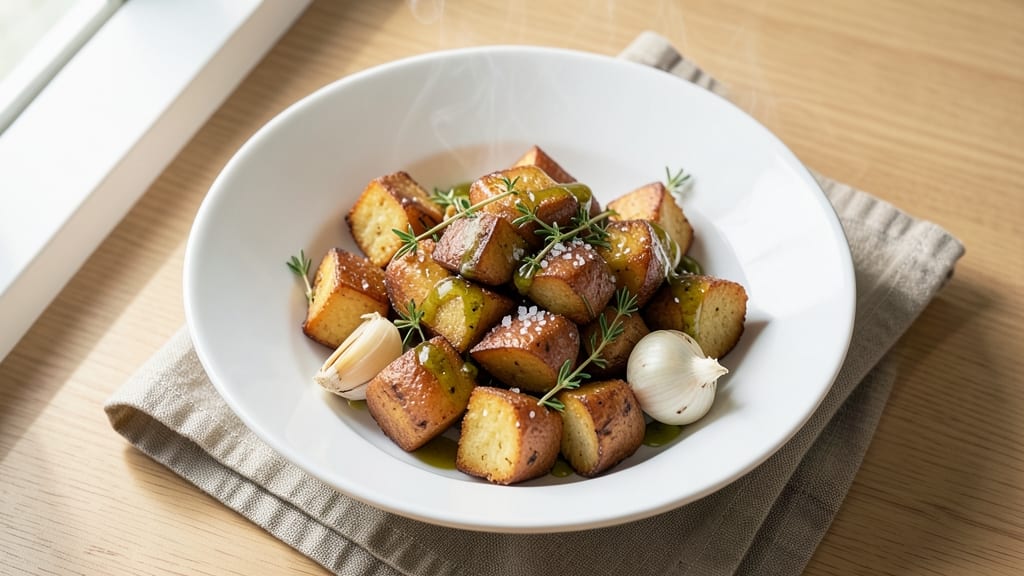
This truffle potato recipe transforms humble potatoes into a luxurious side dish that feels like a restaurant special—without the price tag. The secret lies in truffle oil, which infuses every bite with an earthy aroma that elevates simple potatoes to gourmet status.
I developed this recipe after realizing how often truffle flavors get reserved for expensive dishes, when they actually work magic on something as basic as potatoes.
What makes this recipe stand out is the one-pan method, which keeps prep simple while delivering restaurant-quality results. Whether you choose to roast, mash, or create a gratin-style dish, the truffle element remains the star—adding depth that turns an ordinary side into something memorable.
The potatoes develop a crispy exterior while staying tender inside, with the truffle oil creating a fragrant finish that lingers on the palate.
By the time you serve these truffle potatoes, your table will feel like a fine-dining experience—golden, aromatic, and impossible to resist. They pair beautifully with grilled meats, fresh salads, or even as a standalone dish for a sophisticated vegetarian meal.
The best part? No special equipment is needed, just a few simple ingredients and a technique that guarantees success every time.
Ready to impress your guests with this foolproof truffle potato recipe? The process is straightforward, and the results are undeniably luxurious. Let’s get started on creating a side dish that will have everyone asking for seconds.
Ingredients for truffle potato
Earthy truffle oil meets crispy potatoes in this luxurious one-pan creation.
| Ingredient | Amount | Notes |
|---|---|---|
| Russet Potatoes 🥔 | 2 lbs | Cut into 1-inch cubes, peeled |
| Extra-Virgin Olive Oil 🫒 | ½ cup | High-quality, fruity variety |
| Truffle Oil 🍄 | 2 tbsp | 100% pure, no additives |
| Fresh Thyme 🌿 | 2 tbsp | Leaves only, finely chopped |
| Garlic Cloves 🧄 | 4 cloves | Minced, for aromatic depth |
| Diamond Crystal Kosher Salt 🧂 | 1 ½ tsp | For balanced seasoning |
| Freshly Ground Black Pepper 🌶️ | ½ tsp | Coarsely cracked for texture |
| Heavy Cream 🥛 | ¼ cup | Full-fat for richness |
| Parmesan Cheese 🧀 | ½ cup | Freshly grated, aged 24 months |
| Butter 🧈 | 2 tbsp | Unsalted, for finishing |
| Fresh Rosemary 🌿 | 1 tbsp | Needles finely chopped |
| Shallots 🧅 | 2 whole | Minced, for subtle sweetness |
The truffle oil is non-negotiable here—100% pure, no additives is a must. Penzeys Spices or La Tourangelle carry excellent options, but even a small bottle from Whole Foods will do. Fresh thyme and rosemary elevate the dish beyond basic seasoning, so grab them from the grocery store's produce section—look for vibrant green leaves with no wilting. The Parmesan should be aged 24 months or more for maximum umami depth; Parmigiano-Reggiano from the deli counter is ideal. Russet potatoes are preferred for their high starch content, which creates that perfect crispy exterior while staying tender inside.
No truffle oil? White truffle paste at half the amount works in a pinch, though the flavor won't be identical. Substitute shallots with 1 tbsp minced red onion if needed. Fresh herbs can be swapped for dried at one-third the quantity, but the texture won't be as refined. The heavy cream adds richness—half-and-half can replace it, though the dish will be slightly lighter. For a vegetarian twist, omit the Parmesan and use nutritional yeast for a cheesy flavor without dairy. The butter at the end is crucial; European-style unsalted butter like Plugrá melts beautifully and enhances the truffle aroma.
Store any leftovers in an airtight container for up to 3 days—they reheat beautifully in a 350°F oven for 10-15 minutes. The truffle oil's aroma intensifies as the potatoes sit, so cover them loosely with foil if storing overnight. For a make-ahead option, prep the potatoes up to 24 hours in advance and refrigerate them in the truffle oil mixture. When ready to cook, simply roast as directed—no extra steps required. The dish also freezes well for up to 2 months, though texture may slightly change upon thawing.
Why You'll Love This Recipe
- One-Pan Magic: I swear by this recipe on lazy nights—just toss everything on a sheet pan, pop it in the oven, and walk away. No chopping boards, no mess, just golden potatoes that smell like heaven when they’re done.
- Earthy Luxury: That first whiff of truffle oil and garlic? Instant upgrade. The crispy edges with that buttery, umami-rich center? It’s the kind of flavor that makes you forget you’re eating something simple.
- Weeknight Hero: Between us, this is my go-to when I need something fast but still feels fancy. Serve it with grilled chicken for dinner, or toss it into a salad for lunch—it works everywhere.
- Budget Fancy: Russets are cheap, olive oil is cheap, and a little truffle oil goes a long way. You get restaurant-level vibes without the price tag, and leftovers reheat like a dream. Win-win.
Step-by-step instructions for truffle potatoes recipe
Master this luxurious dish with precise technique and aromatic precision.
Prepare and Season the Potatoes
Begin by peeling the 2 lbs russet potatoes and cutting them into uniform 1-inch cubes. I use a sharp chef's knife for this—consistent size ensures even cooking throughout. Place the potato cubes in a large mixing bowl and toss them with the 0.5 cup extra-virgin olive oil until each piece is lightly coated. This creates a barrier that prevents the potatoes from sticking during roasting.
In the same bowl, add the 2 tbsp finely chopped fresh thyme, 4 minced garlic cloves, 1.5 tsp diamond crystal kosher salt, and 0.5 tsp freshly ground black pepper. Toss everything together with your hands or a rubber spatula until the potatoes are evenly distributed with the seasonings. Let the mixture sit at room temperature for 15 minutes—this allows the flavors to begin melding before hitting the oven.
Roast Until Golden and Crisp
Preheat your oven to 425°F. Arrange the seasoned potatoes in a single layer on a rimmed baking sheet, leaving about ½-inch between each piece. This spacing ensures even browning and allows the hot air to circulate properly. Roast for 30 minutes, then carefully flip each potato with a spatula and continue roasting for another 20 minutes.
You'll know they're ready when the edges are deep golden brown and the potatoes pierce easily with a fork but still offer slight resistance. The potatoes should be tender inside with a crisp exterior—this is where the magic happens. If you notice any pieces browning too quickly, move the baking sheet to the middle rack to prevent burning.
Build the Truffle Cream Sauce
While the potatoes roast, prepare the truffle cream sauce in a medium saucepan. Melt the 2 tbsp butter over medium heat, then add the 2 minced whole shallots. Cook for 3-4 minutes until they become translucent and just beginning to soften. Add the 1 tbsp finely chopped fresh rosemary and cook for another 30 seconds, allowing the flavors to meld.
Pour in the 0.25 cup heavy cream and bring to a gentle simmer. Reduce heat to low and let it cook for 3-4 minutes until slightly thickened. Remove from heat and stir in the 2 tbsp truffle oil and 0.5 cup freshly grated parmesan cheese. The sauce should be velvety with a luxurious aroma—this is your signature element that elevates the dish from ordinary to extraordinary.
Combine and Finish
Once the potatoes are perfectly roasted, transfer them to a large serving dish. Pour the truffle cream sauce over the top and gently toss everything together with a spatula. The goal is to coat each potato evenly with the sauce while maintaining their crisp edges. If the sauce seems too thick, add 1-2 tablespoons of hot water to reach your desired consistency.
Let the potatoes rest for 2-3 minutes before serving to allow the flavors to fully meld. The result should be tender potatoes with a crisp exterior, enrobed in a rich, aromatic truffle cream sauce that carries notes of garlic, thyme, and parmesan. Serve immediately while the edges remain crisp and the sauce is still warm.
Pro Tips For Making Truffle Potato
- USE A SKINNY KNIFE: Russets are tough—don’t slice them with a big chef’s knife. A sharp, thin-bladed knife (like a paring knife) gives you cleaner cuts and less bruising. If you’re lazy, a mandoline works, but watch your fingers.
- SALT THE POTATOES BEFORE COOKING: Toss the sliced Russets with salt (about 1 tsp per pound) and let them sit for 10 minutes before roasting. This draws out moisture so they crisp up better—no soggy, greasy messes. (Yes, even if you’re impatient like me.)
- DON’T OVERDO THE TRUFFLE OIL: Truffle oil is strong—start with just ½ teaspoon, not a glug. Drizzle it after roasting, not during, so the flavor shines without overpowering the garlic and thyme. (I learned this the hard way when my last batch tasted like perfume.)
- ROAST IN BATCHES: Crowd the pan, and you’ll steam the potatoes instead of crisp them. Roast in single layers with space between slices—if they’re touching, slide them around halfway. (This isn’t the prettiest method, but it’s the tastiest.)
Pro cooking tips for truffle potato
Truffle Oil Precision
The key to authentic truffle flavor lies in using 100% pure truffle oil—never the additive-laced versions found in some grocery stores. I recommend brands like Penzeys or La Tourangelle, which carry true white truffle oil with no artificial enhancers.
For this recipe, use 2 tablespoons of high-quality oil, added at the very end to preserve its delicate aroma. 🍄
If you're working with fresh truffles, grate ½ teaspoon of truffle shavings directly into the warm sauce instead of using oil. Fresh truffles have a more complex, earthy flavor that can't be replicated by oil.
Store-bought truffle oil should be refrigerated after opening to maintain freshness—its flavor degrades quickly when exposed to heat or light.
Potato Cut Consistency
Cutting potatoes into uniform 1-inch cubes ensures even cooking and perfect crispiness. I use a sharp chef's knife and cut each piece the same size—this prevents some potatoes from overcooking while others stay underdone.
For extra efficiency, I soak the cut potatoes in cold water for 10 minutes before roasting to remove excess starch, which helps them crisp up beautifully. 🥔
Don’t skip the 15-minute room-temperature rest before roasting. This allows the seasonings to penetrate the potato surfaces, creating a more flavorful exterior. I also recommend using russet potatoes specifically—their high starch content makes them ideal for crispy roasting.
Sauce Temperature Control
The truffle cream sauce must be heated gently to avoid breaking the truffle oil’s delicate aroma. I keep the heat at medium-low once the cream comes to a simmer, and I never let it boil.
The sauce should thicken just enough to coat the back of a spoon—about 3-4 minutes of simmering is perfect. 🌡️
For an extra-luxurious finish, whisk in 2 tablespoons of cold butter at the very end. This adds a silky texture and enhances the truffle flavor. If the sauce separates, simply whisk it vigorously over low heat for 30 seconds—it will come back together beautifully.
Oven Rack Positioning
Placing the baking sheet on the middle rack of your oven ensures even heat distribution. I’ve found that the top rack can cause uneven browning, while the bottom rack may lead to soggy potatoes.
If your oven runs hot, consider lowering the temperature to 400°F and adding 5-10 extra minutes to the roasting time. 🔥
For maximum crispiness, I recommend using a rimmed baking sheet with a light coating of olive oil. The ridges help air circulate better, and the oil prevents sticking. If your potatoes aren’t browning enough, broil them for 1-2 minutes at the very end—just watch them closely to avoid burning.
Nutrition facts
Frequently asked questions
Can I use truffle salt instead of truffle oil in this recipe?
Truffle salt works differently than oil—it adds a more pronounced, savory truffle taste rather than the delicate aroma. Use ½ teaspoon of high-quality truffle salt in place of the oil, but add it to the potatoes after roasting rather than during. For best results, combine it with a splash of olive oil to help distribute the flavor evenly.
What's the best way to store leftover truffle potatoes?
Store leftovers in an airtight container for up to 3 days in the fridge. To reheat, spread them on a baking sheet and warm at 350°F for 10-15 minutes to restore crispiness. For longer storage, freeze for up to 2 months, but note the texture may soften slightly upon thawing.
How can I make this vegetarian without sacrificing flavor?
Skip the Parmesan and replace it with ¼ cup nutritional yeast for a cheesy flavor. Boost umami with an extra 1 tbsp white miso paste in the sauce. The truffle oil and heavy cream will still provide richness, and fresh herbs like thyme and rosemary maintain depth without animal products.
Why did my potatoes turn out soggy instead of crispy?
Soggy potatoes usually mean uneven cooking or too much moisture. First, ensure you're using russet potatoes—their starch content is key for crispiness. Second, pat them dry before roasting and leave space between pieces on the baking sheet. Finally, check your oven temperature—425°F is critical for proper browning.
What's the best protein pairing for these truffle potatoes?
These potatoes shine with grilled filet mignon or chicken breast, but they also work beautifully with vegetarian options like mushroom Wellington or seared tofu. The earthy truffle flavor complements both meaty and plant-based proteins equally well.