
Side Dishes
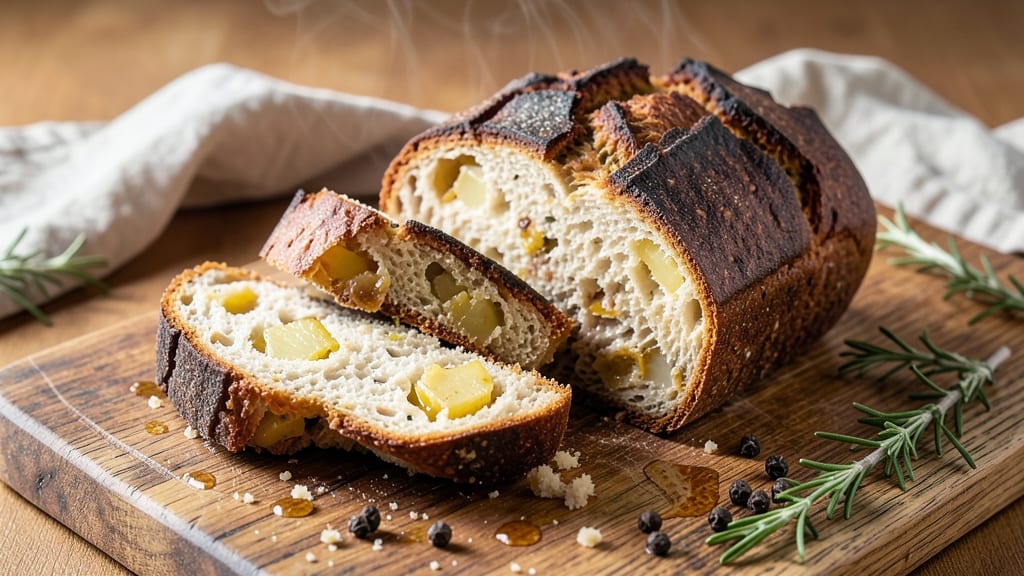
This sourdough potato bread recipe transforms humble potatoes into a loaf with a crispy crust and tender crumb—where tangy fermentation meets earthy sweetness. The secret lies in blending active starter with mashed potato for moisture and structure, creating a bread that’s both rustic and refined.
I perfected this after years of experimenting with sourdough textures, and the potato’s natural starch delivers that signature fluffy interior without compromising the tangy depth.
The process begins with a robust sourdough starter, fed and ready to work its magic, while the dough incorporates mashed potato for a lighter texture. Proofing times vary based on your kitchen’s humidity, but patience here ensures a well-developed gluten structure.
The result? A loaf with a golden, crisp crust that shatters slightly when sliced, revealing a tender crumb with just the right chew. This isn’t your average potato bread—it’s a sourdough masterpiece.
Perfect for sandwiches, toast, or serving alongside soups, this bread keeps well for days, with flavor deepening as it stales. The potato adds subtle sweetness that balances the sourdough’s acidity, creating a harmony of textures and tastes.
Whether you’re a seasoned baker or new to sourdough, this recipe delivers professional results with simple, foolproof steps. Let’s get baking.
The key to success is precise fermentation and baking temperatures—too hot, and the crust burns before the center sets; too cool, and the loaf flattens. I’ll walk you through troubleshooting common issues like dense crumb or uneven rise, so you can achieve that ideal balance every time.
Trust the process, and you’ll have a loaf that rivals artisanal bakeries.
Ingredients for sourdough potato bread
Four servings of rustic sourdough magic—where potato's sweetness meets tangy fermentation.
| Ingredient | Amount | Notes |
|---|---|---|
| Active Sourdough Starter 🍞 | ½ cup | Fed and bubbly, 100% hydration |
| Russet Potatoes 🥔 | 2 medium | Peeled, boiled, mashed smooth |
| All-Purpose Flour 🌾 | 3 ½ cups | Unbleached, high-protein preferred |
| Bread Flour 🌾 | ½ cup | Boosts gluten development |
| Whole Wheat Flour 🌾 | ½ cup | Adds subtle nutty depth |
| Granulated Sugar 🍚 | ½ tsp | Feeds yeast gently |
| Salt 🧂 | 1 ½ tsp | Diamond Crystal preferred |
| Instant Yeast 🍞 | ½ tsp | Ensures reliable rise |
| Unsalted Butter 🧈 | ½ cup | Cold, cubed for dough |
| Whole Milk 🥛 | ¼ cup | Room temperature preferred |
| Large Egg 🥚 | 1 whole | Room temperature for mixing |
| Cornmeal 🌽 | ¼ cup | For dusting loaf pan |
| Ice Water 💧 | ¼ cup | Adjusts dough consistency |
The sourdough starter is non-negotiable here—it’s the heart of this bread. King Arthur or a trusted home starter work best, with that signature tang you can’t replicate with commercial yeast. Russet potatoes are ideal (their high starch content creates the signature fluffy crumb), but Yukon Golds work too. Boil them until fork-tender, then mash them smooth—no lumps. For the flours, King Arthur Bread Flour gives the best structure, but any high-protein flour will do. The whole wheat adds subtle nutty depth without overpowering the sourdough’s tang, and I always grab the organic whole wheat from Whole Foods for that extra flavor punch.
No sourdough starter? Substitute with 0.5 cup active dry yeast mixed with 0.5 cup warm milk, but you’ll lose that signature tang. Short on butter? Coconut oil works in a pinch, though it won’t give the same rich flavor. The milk can be swapped for water (just add 0.5 tsp extra sugar to feed the yeast), but the bread will be slightly denser. For the potatoes, sweet potatoes add moisture but alter the flavor profile—stick with Russets for authenticity. And if you’re baking in a dry climate, reduce the ice water by 1 tbsp to prevent a gummy dough.
This dough is a beast—it needs time to develop. Let it rest 1-2 hours after mixing before shaping, and proof it until it’s 50% larger (about 2-3 hours, depending on your kitchen’s humidity). The loaf keeps well for 3-4 days at room temperature, wrapped in a clean kitchen towel. For longer storage, freeze it up to 3 months—thaw overnight on the counter for the best texture. Slice it thick for sandwiches or toast it until golden for a crispy, buttery treat. The flavor actually improves the next day as the starches retrograde.
Why You'll Love This Recipe
- Minimal Chopping Required: I swear by this—just peel and grate those Russets, no dice needed. The sourdough starter does all the heavy lifting while you’re tossing in the flours and letting the dough rest.
- Chewy Crust, Fluffy Core: That crispy edge from the baked Russets? Chef’s kiss. But don’t worry—inside, it’s soft, airy, and packed with the tangy depth of sourdough. The whole wheat flour adds just enough nuttiness to keep it interesting.
- Game Day or Dinner Party: Between us, this bread disappears fast. It’s hearty enough for game day snacks, sturdy for sandwiches, and still feels special enough to pull out when company’s over. (Yes, even on a Tuesday night.)
- Budget-Friendly Staple: Russets are cheap, flour’s a pantry staple, and a little starter goes a long way. I make two loaves for the price of one store-bought baguette—and they last forever if you freeze the extras. No waste, all flavor.
Step-by-step instructions for sourdough potato bread
Here's how to craft this moist, tangy loaf with a crisp crust and tender crumb.
Prepare the Potato Purée
Peel the 2 medium russet potatoes and cut them into even chunks. Place them in a medium saucepan and cover with cold water by about 1 inch. Bring to a boil over medium-high heat, then reduce to a simmer for 12-15 minutes until fork-tender. Drain thoroughly and return the potatoes to the pot.
Using a potato masher or ricer, break down the potatoes completely until you achieve a smooth, lump-free purée. Let it cool to room temperature before using—this prevents the butter from melting prematurely when mixed later. The purée should be thick enough to hold its shape when spooned, but still spreadable. If it's too thick, add 1 tablespoon of the whole milk to loosen it slightly.
Mix the Dough Components
In the bowl of a stand mixer fitted with the paddle attachment, combine the 3.5 cups all-purpose flour, 0.5 cup bread flour, 0.5 cup whole wheat flour, 0.5 tsp granulated sugar, 1.5 tsp salt, and 0.5 tsp instant yeast. Mix on low speed for 30 seconds to aerate the flours and distribute the dry ingredients evenly.
Add the 0.5 cup unsalted butter (cut into small cubes) and mix on medium speed until the butter is fully incorporated and the mixture resembles coarse crumbs. Create a well in the center and add the potato purée, 0.25 cup whole milk, and 1 whole large egg. Mix on low speed until combined, then gradually add the 0.5 cup active sourdough starter while mixing on low.
Develop the Dough
Switch to the dough hook attachment and knead the dough on medium speed for 5-7 minutes until it becomes smooth and elastic. The dough should pull away from the sides of the bowl and form a windowpane when stretched gently. If the dough feels too sticky, add the ice water 1 tablespoon at a time until it reaches a workable consistency.
Transfer the dough to a lightly greased bowl, cover with a damp towel, and let it rise at room temperature for 1-2 hours or until it has doubled in size. You'll know it's ready when you press your finger into the dough and it springs back slowly. This fermentation step is crucial for developing the bread's signature tang and texture.
Shape and Final Proof
Lightly flour a clean surface and turn out the dough. Gently deflate it and shape it into a 9x5-inch loaf pan form. Place the dough seam-side up in a greased 9x5-inch loaf pan, then dust the top with cornmeal. Cover the pan with a damp towel and let it rise again for 30-45 minutes until it domes slightly above the pan's edge.
Preheat your oven to 375°F while the dough proofs. Bake the bread for 35-40 minutes until the top is deep golden brown and the internal temperature reaches 190°F. Tap the bottom of the loaf—it should sound hollow. If the top browns too quickly, tent with foil to prevent over-browning while ensuring the interior cooks through.
Cool and Serve
Remove the bread from the pan and place it on a wire rack to cool completely for at least 1 hour. This resting period allows the moisture to redistribute, resulting in a more even texture. The crust will firm up as it cools, developing a satisfying crunch while maintaining its golden hue.
Slice the bread into 1-inch thick pieces to reveal the tender, moist crumb and subtle potato flecks. The aroma of freshly baked bread combined with the tangy sourdough flavor will make your kitchen irresistible. Serve warm with butter or jam for the ultimate comforting experience.
Pro Tips For Making Sourdough Potato Bread
- BOIL POTATOES UNTIL FORK-TENDER: Russets should break apart with a fork—no pea-sized chunks left. I learned this the hard way when my bread turned gummy because undercooked potatoes released too much starch later. Five minutes past "done" is better than one minute shy.
- COOL POTATOES BEFORE MASHING: Hot potatoes make your dough sluggish and sticky. Spread them on a tray to cool completely before mashing—your hands (and mixer) will thank you. Skim off excess liquid while they’re warm to avoid a soggy loaf later.
- FOLD IN WHOLE WHEAT LAST: Whole wheat flour absorbs water like a sponge. Mix it into the dough after the bulk fermentation, not at the start. This keeps your crumb from turning dense and ensures the sourdough’s lift shines through.
- PRE-SHAPE BEFORE FINAL PROOF: Give your dough a rough ball shape 30 minutes into the final proof. It tightens the gluten, prevents overproofing, and makes scoring easier. I used to skip this—now my crust holds up better and the crumb stays airy.
Creative variations of this sourdough potato bread
Herbed Garlic Twist
Infuse your potato bread with bold Mediterranean flavors by adding 2 tbsp chopped fresh rosemary and 1 tbsp minced garlic directly to the dough during the mixing stage. For extra depth, mix 1 tsp dried oregano and ½ tsp red pepper flakes into the flour blend before combining.
The garlic and herbs mingle beautifully with the potato’s earthiness, creating a fragrant loaf perfect for grilled sandwiches or toasted with olive oil. 🌿
Sweet Potato Swap
Replace russet potatoes with 2 medium sweet potatoes for a naturally sweet, moist loaf with vibrant color. Peel and boil the sweet potatoes until tender, then mash them thoroughly.
The natural sugars caramelize during baking, adding a subtle sweetness that pairs wonderfully with savory toppings like honey butter or smoked salmon. Reduce the sugar in the recipe by ¼ tsp to balance the sweetness. 🍠
Seeded Whole Grain
Boost nutrition and texture by replacing ½ cup of the all-purpose flour with a mix of ¼ cup whole flaxseeds and ¼ cup sunflower seeds. Toast the seeds in a dry pan for 3-4 minutes until fragrant, then grind them coarsely before mixing into the dough.
These seeds add a nutty crunch and hearty bite that complements the potato’s softness, while the flaxseeds contribute omega-3s for a healthier loaf. 🌱
Cheesy Potato Pull-Apart
Transform your loaf into a cheesy bread bowl by folding 1 cup shredded sharp cheddar into the dough before shaping. Bake as directed, then slice the loaf horizontally to create a hollow center perfect for soups or dips.
For extra richness, sprinkle ½ cup grated Parmesan on top before baking. The melted cheese creates a gooey, pull-apart texture that’s irresistible. 🧀
Spiced Pumpkin Chai
Add warmth and autumnal flavor by incorporating ½ cup pumpkin puree (unsweetened) and 1 tsp chai spice blend (cinnamon, cardamom, ginger, and cloves) into the dough. The pumpkin enhances moisture while the spices create a cozy, aromatic loaf ideal for fall.
Serve with spiced butter or apple compote for a seasonal masterpiece. 🎃
Everything Bagel Seasoning
For a savory, crunchy twist, sprinkle 2 tbsp Everything Bagel seasoning (sesame seeds, poppy seeds, garlic, onion, and salt) on the dough before its final proof. Press the seasoning lightly into the surface so it adheres.
Bake as usual, then let the bread cool completely before slicing—this ensures the seeds stay crisp. The result is a flavor-packed loaf perfect for bagel-style sandwiches. 🥯
Nutrition facts
Frequently asked questions
Why does this recipe use both sourdough starter and yeast?
The sourdough starter provides that signature tangy flavor and complex fermentation profile, while the instant yeast ensures a reliable rise. This combination gives you the best of both worlds: authentic sourdough character with predictable baking results. The yeast kick-starts fermentation while the starter develops over time during proofing.
Can I make this bread without a stand mixer?
Mix the dry ingredients in a large bowl, then cut in the butter using a pastry cutter or your fingers until crumbly. Add the wet ingredients and mix with a wooden spoon or dough whisk. For kneading, use your hands or a dough scraper—just be prepared for more elbow grease. The dough should still develop properly with proper kneading time.
How do I know when the dough is properly proofed?
Look for these signs: the dough should have doubled in size and feel springy when pressed gently with one finger. It should leave a slow, clear indentation that doesn't immediately fill back in. In warm conditions (75°F+), this takes about 2-3 hours; in cooler climates, it may need 3-4 hours. The dough should also feel slightly puffy and light to the touch.
What if my bread turns out dense instead of light?
Dense bread usually means one of three things: underproofed dough, too much flour during mixing, or insufficient kneading. Try this fix next time: let the dough proof longer (up to 4 hours), reduce flour by 1 tbsp if sticky, and knead for an extra 2-3 minutes. Also ensure your starter is active and bubbly before using. The potato purée helps lightness, but proper fermentation is key.
Can I use this dough for other shapes besides a loaf?
Yes! This versatile dough works beautifully for free-form boules, baguettes, or even dinner rolls. For boules, shape into a round, place on a baking sheet, and bake at 425°F for 25-30 minutes. For rolls, divide the dough into 12 pieces, shape into balls, and bake on a lined tray at 375°F for 15-18 minutes. The potato keeps the texture moist regardless of shape.