
Side Dishes
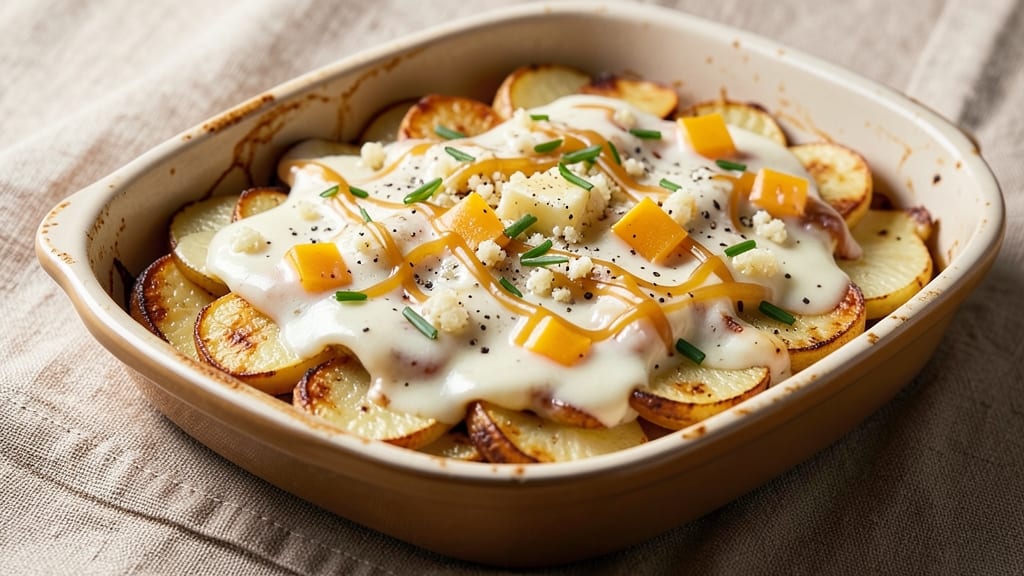
This smoked scalloped potatoes recipe transforms a classic comfort dish into something extraordinary—where crispy golden edges meet layers of smoky, creamy goodness. After perfecting this method over countless batches, I’ve cracked the code for achieving that restaurant-worthy texture without sacrificing simplicity.
The secret lies in the balance of slow-smoked flavor infusion and precise baking to lock in creaminess.
The process begins with thinly sliced potatoes layered in a cast-iron skillet, where they absorb the deep, aromatic smoke from your smoker before finishing in the oven. This dual-cooking method ensures the top develops a satisfying crunch while the interior remains tender and infused with that unmistakable smoky depth.
A creamy cheese sauce—traditionally cheddar or Gruyère—binds everything together, creating a dish that’s both hearty and elegant.
What you’ll end up with is a side dish that steals the show at any meal: a crispy top that shatters with each bite, layers of creamy potato soaked in smoky flavor, and a golden crust that’s impossible to resist.
The aroma alone will have everyone anticipating dinner, and the texture contrast—crispy, creamy, smoky—makes it a standout for holidays or weeknight dinners alike.
This recipe scales beautifully for gatherings, and the technique works with variations like adding herbs or a splash of cream to the sauce. Let’s get started on creating your next go-to side dish that’s sure to impress.
Ingredients for smoked scalloped potatoes
Layered potatoes, smoky depth, and creamy perfection—just 13 ingredients transform ordinary into extraordinary.
| Ingredient | Amount | Notes |
|---|---|---|
| Russet Potatoes 🥔 | 3 lb | Thinly sliced (1/8-inch thick), peeled |
| Heavy Cream 🥛 | 2 cups | Full-fat for optimal creaminess |
| Sharp Cheddar Cheese 🧀 | 1 ½ cups | Freshly grated, block preferred |
| Gruyère Cheese 🧀 | 1 cup | Aged 6-12 months for nutty depth |
| Smoked Gouda Cheese 🧀 | ½ cup | Adds essential smoky character |
| Unsalted Butter 🧈 | ½ cup | Cold, cubed for layering |
| Garlic Cloves 🧄 | 4 cloves | Minced for aromatic base |
| Dry Mustard 🌶️ | 1 tbsp | Adds subtle tang |
| Diamond Crystal Kosher Salt 🧂 | 1 ½ tsp | For seasoning layers |
| Freshly Ground Black Pepper 🌶️ | ½ tsp | Freshly cracked for brightness |
| Wood-Smoked Paprika 🌶️ | 1 tsp | Enhances smoky profile |
| Extra-Virgin Olive Oil 🫒 | 2 tbsp | For skillet preparation |
| Fresh Thyme Leaves 🌿 | ¼ cup | Optional garnish, chopped |
The cheese selection is non-negotiable for that signature texture. Sharp cheddar delivers the tangy bite, while Gruyère adds nutty richness—both should be freshly grated from blocks to avoid the gritty texture of pre-shredded varieties. Smoked Gouda is the secret weapon for that unmistakable smoky aroma that permeates every layer. For the best quality, source these cheeses from specialty shops like Whole Foods Market or Murray's Cheese—their aged selections make all the difference. The potatoes? Russets are ideal for their high starch content, which creates that perfect crispy crust when layered properly. Thinly slice them with a mandoline for even thickness—about 1/8-inch—and soak in cold water for 10 minutes to remove excess starch, ensuring a crispy top instead of a gummy one.
No smoked Gouda? Substitute with equal parts sharp cheddar and smoked cheddar, though the flavor will be less complex. Heavy cream can be swapped for half-and-half if you're watching fat content, but the texture will be less velvety. Fresh thyme is optional but recommended—if using dried, reduce to one-third the amount and toast it lightly in a dry pan to intensify the aroma. For the mustard, Dijon works in a pinch, though dry mustard provides a more consistent texture. The olive oil matters here too—use a high-quality extra-virgin with a peppery finish to complement the smoky notes. And if you're short on time, pre-sliced potatoes from the grocery store deli section save prep work without sacrificing quality.
This dish is best assembled the day it's served, but you can prep the cheese sauce and potato layers up to 24 hours ahead—just refrigerate them separately and assemble when ready to bake. The smoked paprika should be stored in an airtight container in a cool, dark place to preserve its vibrant color and smoky essence for up to 6 months. Leftover scalloped potatoes reheat beautifully—cover with foil and warm in a 350°F oven for 15-20 minutes until bubbly. For a restaurant-quality finish, broil for the last 2-3 minutes to achieve that signature crispy top. Portion into individual ramekins for elegant serving, or keep it rustic in a cast-iron skillet for a hearty family-style dish.
Why You'll Love This Recipe
- No-Fuss Layers: I swear by this method—just slice, stack, and bake. No fancy techniques, no stressing over even cuts. The potatoes practically assemble themselves while you mix the creamy cheese sauce.
- Smoky Cheese Magic: That smoky Gouda? It’s the star. It melts into a caramelized blanket while the Gruyère adds nutty depth, and the sharp cheddar cuts through like a perfect bite. Honestly, I’ve never tasted scalloped potatoes this rich.
- Leftovers That Win: This dish actually improves the next day. The textures soften just enough to make it even easier to reheat, and it’s the kind of meal that disappears fast—even from my kids who usually turn up their noses at "fancy" food.
- Budget-Friendly Crowd-Pleaser: Russets are cheap, heavy cream stretches far, and a block of smoked Gouda goes a long way. I’ve fed eight people for under $15 with this, and no one ever complains. (Yes, even on a Tuesday night.)
Step-by-step instructions for smoked scalloped potatoes
Layering technique and precise timing create the perfect balance of crispy, smoky edges and velvety centers.
Prepare the Potato Layers
Peel the 3 lb russet potatoes and slice them into even ⅛-inch thick rounds using a mandoline or sharp knife. I find consistency in thickness is critical for even cooking. Immediately soak the slices in cold water for 10 minutes to remove excess starch, then drain thoroughly and pat dry with paper towels.
In a 9x13-inch baking dish, arrange the potato slices in a single overlapping layer, slightly offset like bricks. This creates a stable base that won't collapse during baking. Brush each layer lightly with 1 tablespoon of the extra-virgin olive oil to prevent sticking and enhance browning. The oil should coat the potatoes evenly but not pool between them.
Build the Creamy Cheese Mixture
In a medium saucepan, combine the 2 cups heavy cream, minced 4 cloves garlic, 1 tablespoon dry mustard, 1 teaspoon wood-smoked paprika, 1.5 teaspoons diamond crystal kosher salt, and 0.5 teaspoon freshly ground black pepper. Heat over medium-low until the mixture reaches 180°F—just before simmering—but never boil. This gentle heating ensures the cream remains silky rather than curdling.
Remove from heat and stir in the 1.5 cups freshly grated sharp cheddar cheese, 1 cup gruyère cheese, and 0.5 cup smoked gouda cheese until fully melted and smooth. The cheese should create a thick, pourable sauce with a rich, smoky depth. If the mixture thickens too much, whisk in 1-2 tablespoons of warm water to restore proper consistency.
Assemble and Bake for Crispy Perfection
Pour the warm cheese mixture evenly over the potato layers, filling all gaps completely. Dot the surface with the 0.5 cup cold cubed unsalted butter, pressing gently so it adheres. The butter will melt during baking, creating steam that crisps the top while keeping the interior tender. Sprinkle with an additional 0.5 teaspoon diamond crystal kosher salt and 0.25 cup chopped fresh thyme leaves.
Cover the baking dish tightly with aluminum foil and bake at 375°F for 45 minutes. Then uncover and increase the oven temperature to 425°F, continuing to bake until the top is deep golden brown and crispy—about 20-25 minutes. The edges should pull away slightly from the dish when gently tugged, indicating proper browning. If the top browns too quickly, tent loosely with foil to prevent burning while maintaining crispness.
Rest and Serve
Remove the scalloped potatoes from the oven and let them rest for 10-15 minutes before serving. This resting period allows the layers to set and the flavors to meld completely. The interior should be creamy and tender, while the top remains crispy enough to hold its shape when lifted with a spatula.
Serve immediately with a dollop of additional warm cheese sauce if desired. The combination of smoky gouda, nutty gruyère, and sharp cheddar creates a complex flavor profile that pairs beautifully with grilled meats or fresh greens. Each bite delivers the promised contrast of crispy, golden edges and velvety, creamy centers.
Pro Tips For Making Smoked Scalloped Potatoes
- Parboil Thinly: Slice your Russets ¼-inch thick and boil them uncovered for 4 minutes before baking—this keeps them from turning to mush while baking. I learned this the hard way after a batch collapsed into gluey goo because I skipped it.
- Salt the Cream: Season the heavy cream with ½ teaspoon of salt before mixing it into the potatoes—it balances the cheeses and cuts through the richness. Sounds small, but it makes a real difference in flavor.
- Layer Cheeses Strategically: Start with Gruyère at the bottom (it melts cleanly), then Sharp Cheddar in the middle (for tang), and finish with Smoked Gouda on top (for that smoky kick). If you mix them all, you’ll end up with a cheesy sludge instead of distinct layers.
- Cover Early, Uncover Late: Tent with foil for the first 30 minutes to steam the potatoes, then remove it for the last 20 minutes—this guarantees a golden crust without steaming the whole dish. (Yes, even if you’re impatient like me.)
Troubleshooting perfect results
Uneven Browning
If your top layer isn't browning properly, it's likely due to insufficient butter or oil. I always dot the surface with cold cubed butter (not melted) before baking—this creates steam that crisps the top while keeping the interior tender.
For extra insurance, brush the top with an additional 1 tablespoon olive oil right before the final 425°F phase. Also, ensure your oven rack is positioned in the middle position for even heat distribution. 🔥
Soggy Layers
Soggy scalloped potatoes usually mean the potatoes absorbed too much moisture. First, pat your potato slices completely dry after draining—don't skip this step! Second, if using a deep baking dish, reduce the cream by 2 tablespoons to prevent excess liquid.
For extra insurance, bake the initial 375°F phase uncovered for 15 minutes to evaporate any excess moisture before covering with foil. This pre-drying step makes all the difference. ⚡
Cheese Separation
When cheese sauce separates, it's almost always from overheating or improper mixing. Always heat the cream over medium-low heat—never let it reach a full boil. For ultra-smooth results, whisk in the cheese off the heat and stir vigorously until fully melted.
If you notice separation, whisk in 1 tablespoon cold water to restore emulsification. I also recommend using room-temperature cheese for better blending. 💡
Undercooked Centers
If your potatoes remain undercooked after baking, your oven temperature might be inaccurate or the layers too thick. First, verify your oven temperature with an oven thermometer—many ovens run 25°F cooler than set.
For thick layers, reduce the initial baking time by 10-15 minutes at 375°F to allow heat to penetrate more evenly. Another trick: poke holes in the foil during the first 30 minutes of baking to release steam and help heat circulate. 🌡️
Smoke Flavor Too Weak
The smoky flavor comes from three sources: the smoked Gouda, wood-smoked paprika, and proper smoking technique. If your dish lacks depth, try smoking the potatoes for 10-15 minutes before baking—place the sliced potatoes on a wire rack over your smoker at 225°F to infuse them directly.
For extra intensity, add ½ teaspoon liquid smoke to the cheese sauce (just before serving) or use hickory or applewood chips in your smoker for a sweeter, more complex smoke profile. 🌿
Collapsed Layers
Collapsed layers usually happen when potatoes aren't arranged properly or the cheese sauce is too thin. First, layer potatoes in a single overlapping row—like bricks—to create stability. Second, ensure your cheese sauce is thick enough to hold the layers together.
If it's too runny, whisk in 1 tablespoon cornstarch mixed with 1 tablespoon cold water to thicken it before pouring. For extra support, press a second layer of potatoes on top after adding the cheese sauce. 💪
Nutrition facts
Frequently asked questions
Can I make this recipe without a smoker?
Skip the smoking step and focus on maximizing the smoky flavor through the ingredients. Use 2 teaspoons wood-smoked paprika in the cheese sauce and add ½ teaspoon liquid smoke to the warm sauce before pouring over the potatoes. For extra depth, toast 1 teaspoon smoked paprika in a dry pan until fragrant, then sprinkle it over the top before baking. The result will still have that signature smoky character without needing a smoker.
How do I adjust the recipe for a smaller serving?
For a 4-serving batch, reduce all ingredients by about 60%: use 1.5 lb potatoes, 1 cup heavy cream, 1 cup total cheese (mix cheddar and Gruyère), and halve all other ingredients. Maintain the same layering technique and baking times—just use an 8x8-inch baking dish instead. The proportions stay balanced for that perfect crispy-creamy contrast.
Can I use sweet potatoes instead of russets?
Sweet potatoes will work, but the texture and flavor will differ significantly. Their natural sweetness pairs beautifully with the smoky elements, but they won't achieve the same crispy top. For best results, slice them ⅛-inch thick and reduce the baking time by 15-20 minutes (they cook faster). Add ½ teaspoon cinnamon to the cheese sauce to complement their sweetness. The dish will be more dessert-like than savory.
Why does my cheese sauce sometimes split?
Cheese sauce separates when the cream overheats or the cheese isn't incorporated properly. Always heat the cream over medium-low heat—never let it boil. For ultra-smooth results, whisk in the cheese off the heat and stir vigorously until fully melted. If it splits, whisk in 1 tablespoon cold water to restore emulsification. Using room-temperature cheese also helps prevent clumping and separation.
What's the best way to reheat leftovers?
Cover leftovers tightly with foil and warm in a 350°F oven for 15-20 minutes until bubbly. For extra crispiness, broil for the last 2-3 minutes—just watch closely to avoid burning. Avoid microwaving as it turns the top soggy. The key is gentle, even heat to restore that perfect crispy-creamy texture. Store leftovers in an airtight container for up to 3 days.