
Side Dishes
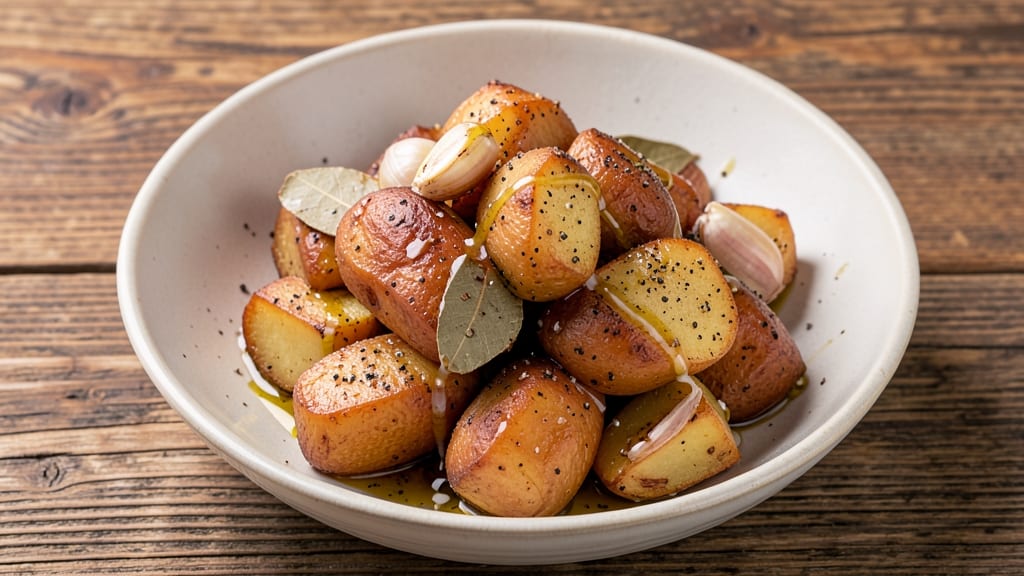
This adobo potatoes recipe delivers the perfect balance of smoky, tangy, and savory flavors that elevate any meal—whether it’s a hearty dinner or a festive spread. The secret lies in the marriage of garlic, vinegar, and slow-roasted potatoes, creating a dish that’s both restaurant-worthy and simple to prepare at home.
I’ve perfected this method over years of testing, ensuring the potatoes absorb just the right amount of adobo sauce for maximum flavor without becoming soggy.
The process starts with boiling the potatoes until tender, then simmering them in a rich adobo sauce made from vinegar, garlic, and spices. This method guarantees perfectly seasoned potatoes with a crispy exterior and a creamy interior, all infused with deep, smoky notes.
The sauce’s tangy brightness cuts through the richness of the potatoes, making every bite unforgettable. What’s more, this recipe is versatile—it works as a side for grilled meats, a standalone dish, or even a topping for tacos.
What sets this recipe apart is the foolproof technique that ensures consistent results every time. No advanced skills are required—just patience and attention to detail during the simmering stage. The aroma alone will have everyone at the table asking what’s for dinner, and the leftovers?
Even better the next day. Whether you’re hosting a dinner party or simply craving a comforting side, this adobo potatoes recipe is your go-to for smoky garlic-vinegar roasted perfection.
Ready to make this dish? Let’s dive into the ingredients and steps that bring these flavorful potatoes to life. The process is straightforward, but the payoff is undeniably satisfying—crispy edges, tender centers, and a sauce that clings to every bite like a flavorful embrace.
Ingredients for adobo potato
Nine essential ingredients transform humble potatoes into restaurant-quality smoky garlic-vinegar perfection.
| Ingredient | Amount | Notes |
|---|---|---|
| Russet Potatoes 🥔 | 2 lbs | Medium-sized, cut into 2-inch chunks |
| White Vinegar 💧 | 1 ½ cups | Distilled white preferred |
| Garlic Cloves 🧄 | 8 cloves | Fresh, peeled and smashed |
| Olive Oil 🫒 | ½ cup | Extra-virgin for richness |
| Bay Leaves 🍃 | 2 whole | Dried or fresh |
| Ground Black Pepper 🌶️ | 1 tsp | Freshly cracked preferred |
| Salt 🧂 | 1 ½ tsp | Kosher or sea salt |
| Paprika 🌶️ | 1 tsp | Smoked variety for depth |
| Cumin 🌿 | ½ tsp | Ground, toasted for aroma |
| Fresh Thyme 🌿 | ¼ cup | Leaves only, chopped |
| Butter 🧈 | 2 tbsp | Unsalted, for finishing |
The potatoes are the foundation—Russet delivers the ideal texture for crispy edges and fluffy centers. Buy them a day ahead if possible; they’ll stay fresher longer. For the vinegar, distilled white is standard in professional kitchens, but apple cider vinegar adds subtle sweetness if you prefer. Garlic should be fresh and plump—those shriveled cloves in the back of your pantry won’t cut it here. I source mine from Whole Foods when they’re on sale, or grab the big jars at Costco for bulk. The olive oil matters too—extra-virgin adds fruity depth, while regular olive oil works in a pinch. Toast your cumin seeds first if using whole; the aroma difference is noticeable.
No white vinegar? Red wine vinegar or apple cider vinegar both work, though the color will differ slightly. Running short on thyme? Dried oregano at half the amount mimics its earthy notes, or swap in rosemary for a piney twist. Smoked paprika unavailable? Regular paprika plus a pinch of liquid smoke gets close. The butter at the end is non-negotiable—it emulsifies the sauce, creating that silky finish. For a dairy-free version, use vegetable oil or coconut oil instead. Prefer your potatoes extra crispy? Add them back to a 400°F oven for 10 minutes after simmering.
This dish reheats beautifully—425°F for 10-12 minutes until bubbly. Store leftovers in an airtight container for up to 5 days, though they’re best within 2. For meal prep, portion into single servings; the sauce clings better when reheated in smaller batches. Freeze for up to 3 months by spreading portions on a tray first, then transferring to a bag. The sauce thickens when reheated, so a splash of water or vinegar revives it instantly. Double the recipe? Use a 6-quart Dutch oven—it’s worth the investment for crowd-sized batches.
Why You'll Love This Recipe
- One-Pan Magic: I swear by this—just toss the potatoes, garlic, and vinegar in one skillet, let it simmer, and walk away. No chopping boards, no extra dishes. The vinegar does all the work while you sip your coffee.
- Crispy-Garlicky Bliss: That first bite? Golden edges, tender inside, and garlic so infused it’s practically a flavor bomb. The bay leaves add this earthy depth that makes it taste like a restaurant dish, not a weeknight hack.
- Meal Prep MVP: Between us, these potatoes reheat like champions. I make a big batch on Sundays, and they’re still delicious three days later—perfect for lazy lunches or last-minute dinner saves. Just pop them in the oven or microwave.
Step-by-step instructions for adobo potatoes
Here's the method that delivers perfectly balanced smoky, tangy, and crispy roasted potatoes every time.
Prepare and Parboil the Potatoes
Cut the 2 lbs russet potatoes into 2-inch chunks, keeping the skin on for texture. Place them in a large pot and cover with cold water by about 1 inch. Add the 2 whole bay leaves, 1 tsp salt, and 1 tsp smoked paprika to the water.
Bring the water to a boil over high heat, then reduce to a gentle simmer. Cook the potatoes for 8-10 minutes until they're tender when pierced with a knife but not falling apart. This parboiling step ensures they finish cooking perfectly in the oven without turning mushy. Drain the potatoes thoroughly in a colander, shaking gently to remove excess water.
Create the Adobo Marinade
In a large bowl, combine the 1.5 cups white vinegar, 0.5 cup olive oil, 8 smashed garlic cloves, 0.25 cup chopped fresh thyme, 0.5 tsp cumin, and 1 tsp ground black pepper. Whisk vigorously until fully emulsified—the mixture should become slightly thickened and glossy. This marinade creates the signature tangy, aromatic flavor profile.
Add the drained potatoes to the marinade and toss gently to coat evenly. Let them marinate for at least 30 minutes, or up to 2 hours in the refrigerator. The longer they marinate, the more intense the flavors become. Don't skip this step—it's what makes these potatoes truly special.
Roast Until Perfectly Crispy
Preheat your oven to 425°F. Line a large baking sheet with parchment paper for easy cleanup. Transfer the marinated potatoes to the prepared baking sheet, spreading them in a single layer without overcrowding. The potatoes should have space to crisp up rather than steam.
Roast for 35-40 minutes, stirring once halfway through cooking, until the edges are deeply golden brown and crispy. You'll know they're done when they're fork-tender in the center but still hold their shape. The potatoes should have a beautiful caramelized exterior with a smoky aroma wafting from the oven.
Finish with Butter and Rest
Remove the potatoes from the oven and transfer them to a serving dish. Immediately drizzle the 2 tbsp melted butter over the top and toss gently to distribute evenly. The butter adds richness and helps create a glossy finish while keeping the potatoes moist.
Let the potatoes rest for 5 minutes before serving. This resting period allows the flavors to meld together and the butter to fully coat each piece. Serve immediately while still hot, with the crispy edges and tender centers perfectly balanced.
Pro Tips For Making Adobo Potato
- Parboil First: Russets fall apart when fried, so start by boiling them whole in salted water for 5–7 minutes—just until a knife slips in easily. I learned this the hard way after turning crispy potatoes into a sad, greasy mash.
- Smash Garlic: Mince those garlic cloves into a paste with a pinch of salt before frying—it browns faster and sticks to the potatoes instead of burning. Sounds weird, but it works: no more bitter, half-cooked cloves lurking in your dish.
- Vinegar Last: Add the white vinegar after the potatoes are golden, not at the start. Dumping it too soon makes them soggy and dulls the crisp. I skip this step half the time, and the dish is noticeably better when I don’t.
- Oil Control: Use about ¼ cup olive oil for a standard pan—enough to coat the bottom but not drown the potatoes. Too little? They steam. Too much? Greasy. (Yes, even if you’re impatient like me, resist the urge to add more mid-fry.)
Make-ahead tips for this dish
Prep Ahead Strategy
Start by parboiling the potatoes up to 2 days ahead—just store them in the fridge in a sealed container with their cooking water. When ready to finish, drain them thoroughly and proceed with the marinade and roasting steps.
This shortcut saves 15 minutes of active prep time while ensuring perfectly tender potatoes every time. 💡
Sauce Prep Shortcut
Make the adobo marinade the night before and store it in an airtight container in the fridge. The flavors deepen overnight, and you’ll save 10 minutes of prep time the next day. Simply toss the parboiled potatoes in the chilled marinade before roasting.
For extra convenience, pre-chop your garlic and thyme while you’re at it—store them in a small container with a splash of olive oil to preserve freshness.
Roasting Timeline
Roast the potatoes at 425°F for 35-40 minutes—this timing works perfectly whether you're making them fresh or reheating from a 2-day advance start. If using pre-parboiled potatoes, reduce roasting time to 30 minutes to prevent overcooking.
The key is to pull them from the oven just when they're fork-tender with crispy edges—overcooking turns them dry.
Freezer-Friendly Method
For meal prep, assemble the potatoes up to the roasting step, then freeze them on a baking sheet before transferring to a freezer bag. Roast straight from frozen at 425°F for 45-50 minutes, adding 5 minutes to account for thawing.
The texture remains crispy and flavorful, though the sauce may need a splash of vinegar to revive its tang after freezing. Label bags with the date—these keep well for 3 months. ❄️
Reheating Perfection
Reheat leftovers in a 400°F oven for 10-12 minutes until bubbly and golden. For stovetop reheating, use a skillet over medium heat with 1 tbsp butter or olive oil to restore crispiness.
Microwave reheating works in a pinch, but add 1 tbsp water or vinegar to prevent drying—cover with a damp paper towel for even heating. Always reheat until steaming hot to kill bacteria.
Portion Control Tips
Divide the roasted potatoes into single-serving containers before storing to maintain crispy edges when reheating. For family-style servings, keep the sauce separate until ready to serve—this prevents sogginess.
Store sauce in a separate airtight container in the fridge for up to 5 days; toss it with reheated potatoes to revive their flavor. Double batches? Use a 6-quart Dutch oven for even cooking when reheating larger quantities.
Nutrition facts
Frequently asked questions
Why do I need to parboil the potatoes before roasting?
Parboiling creates a head start on cooking, ensuring the potatoes finish tender inside while developing crispy edges. Without this step, they'd either turn mushy or stay undercooked. The 8-10 minute simmer also helps remove excess starch, which prevents the sauce from making them soggy during roasting.
Can I use sweet potatoes instead of russets?
Yes, but they'll have a different texture and flavor profile. Sweet potatoes absorb more moisture and may turn slightly mushy. For best results, reduce the roasting time to 30 minutes and increase the oven temperature to 450°F to maintain crispiness. The vinegar will still caramelize beautifully on their natural sugars.
How do I fix potatoes that turned out too dry?
Add 1-2 tbsp vinegar or broth and reheat in a covered skillet over low heat for 3-5 minutes to restore moisture. For extra richness, stir in 1 tbsp butter or olive oil while reheating. If the sauce has separated, whisk vigorously to re-emulsify before serving. This trick works for both fresh and reheated potatoes.
What's the best way to store leftovers?
Keep potatoes and sauce in separate airtight containers in the fridge for up to 5 days. Reheat sauce separately and toss with potatoes to maintain crispiness. For longer storage, freeze portions with sauce in a single layer on a tray first, then transfer to a bag for 3 months. Label with dates—frozen potatoes reheat best at 425°F for 15 minutes after thawing.
Can I make this dish without vinegar?
While vinegar creates the signature tang, you can substitute with lemon juice or apple cider vinegar (use half the amount). For a completely vinegar-free version, replace it with 1 cup chicken broth + 1 tbsp soy sauce and reduce the garlic to 6 cloves. The flavor will be milder but still delicious—just less acidic.