
Side Dishes
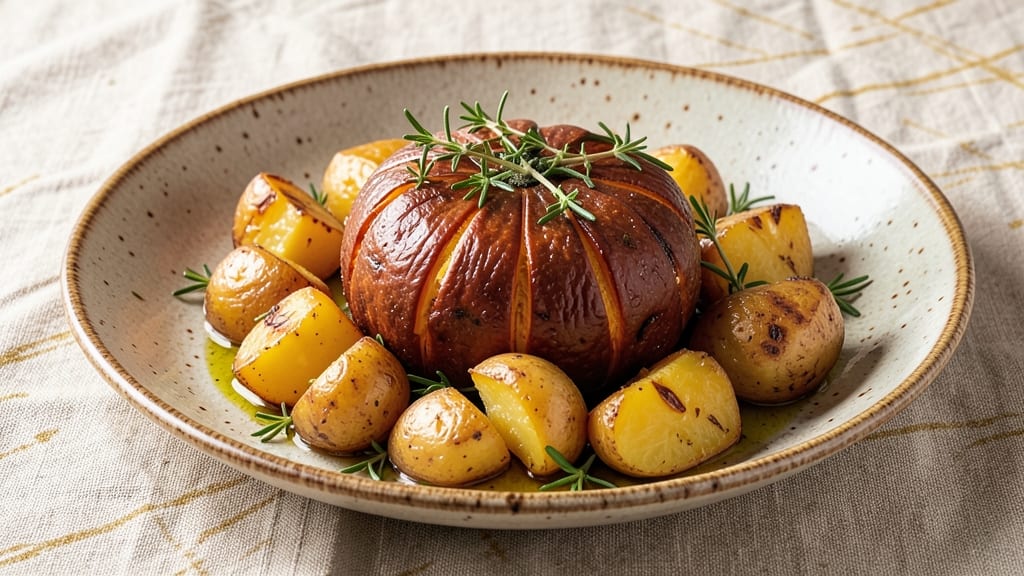
This butternut squash and potatoes recipe transforms humble ingredients into a vegetarian centerpiece that balances sweet, earthy, and savory notes with caramelized edges that can’t be beat.
The secret lies in roasting the squash and potatoes together, where their natural sugars deepen into rich, golden perfection while aromatic herbs infuse every bite. I developed this after years of testing—it’s the one dish that always gets requested at holiday tables.
The beauty of this recipe is its versatility. Serve it as a hearty side alongside roasted meats or as a main course when paired with crisp greens and a sprinkle of toasted nuts.
The combination of butternut squash and potatoes creates a satisfying texture—tender flesh with crispy exteriors—that holds up beautifully for meal prep. Seasoning with cinnamon, nutmeg, and fresh thyme adds warmth without overpowering the natural sweetness.
By the time you pull this dish from the oven, your kitchen will smell like autumn, and your plate will feature golden-brown potatoes and velvety squash with edges that practically melt on your tongue.
The caramelization isn’t just for show—it’s what makes this dish taste restaurant-quality at home. Ready to elevate your weeknight dinners? Let’s get started with this foolproof method.
This recipe works equally well as a standalone vegetarian meal or alongside proteins like tofu or tempeh. The flavors develop even better when reheated, making it perfect for meal planning.
Whether you’re feeding a family or prepping for the week, this dish delivers bold, comforting flavors with minimal effort—just 45 minutes in the oven and you’re done.
Ingredients for butternut squash potato
Six ingredients create this vegetarian masterpiece with caramelized edges and autumnal warmth.
| Ingredient | Amount | Notes |
|---|---|---|
| Medium Butternut Squash 🎃 | 2 whole | Peeled, seeded, cut into 1-inch cubes |
| Yukon Gold Potatoes 🥔 | 2 ½ lb | Cut into 1.5-inch chunks, skin on |
| Extra-Virgin Olive Oil 🫒 | ½ cup | High quality, fruity variety |
| Unsalted Butter 🧈 | 3 tbsp | Melted, full-fat preferred |
| Fresh Thyme Leaves 🌿 | ¼ cup | Stems removed, finely chopped |
| Fresh Rosemary 🌿 | ¼ cup | Needles finely chopped |
| Ground Cinnamon 🌶️ | 1 tsp | Freshly ground preferred |
| Ground Nutmeg 🌶️ | ½ tsp | Freshly grated nutmeg |
| Kosher Salt 🧂 | 1 ½ tsp | Diamond Crystal preferred |
| Freshly Ground Black Pepper 🌶️ | 1 tsp | Cracked peppercorns preferred |
| Maple Syrup 🍯 | 1 tbsp | Pure, grade B preferred |
| Toasted Pecans 🥜 | ¼ cup | Chopped, for garnish |
| Vegetable Broth 💧 | ¼ cup | Low-sodium preferred |
The butternut squash is the star—look for one with smooth skin and a heavy feel. Whole Foods or Trader Joe's carry the sweetest varieties, but any medium-sized squash works. The Yukon Gold potatoes (not Russets) are key for their creamy texture—skip the red potatoes, they turn mushy. For the herbs, fresh thyme and rosemary from the grocery store’s produce section are ideal, but if they’re wilted, dried works at half the amount. The cinnamon and nutmeg should be freshly ground—pre-ground spices lose potency fast. I always grab mine from Penzeys when I can, but the bulk bins at natural markets are a great budget option.
No maple syrup? Honey or agave nectar works in a pinch, though maple adds that perfect autumnal depth. Short on pecans? Walnuts or almonds toast just as beautifully—just chop them finer. The vegetable broth can be swapped for water, but the low-sodium variety ensures you don’t over-salt the dish. For extra richness, add a splash of cream or coconut milk when serving. The olive oil matters here—avoid the cheap stuff. A good EVOO makes the caramelization sing, while a weak oil leaves everything tasting flat.
This dish reheats beautifully—even better the next day once the flavors meld. Store in an airtight container for 4-5 days in the fridge or freeze for 3 months. For meal prep, portion into individual containers with a sprinkle of pecans on top. The caramelized edges soften slightly when reheated, so I like to broil for 2-3 minutes before serving to restore that crispy texture. Garnish with extra herbs right before eating—they wilt fast.
Why You'll Love This Recipe
- One-Pan Magic: I swear by this trick—just toss everything on a sheet pan, roast, and walk away. The squash and potatoes caramelize right next to each other while I’m still deciding what to watch on TV. No pots, no pans, no stress.
- Thyme for Comfort: That first bite? Buttery, slightly crispy edges on the potatoes, and the squash melts into a velvety sweetness—like autumn in a skillet. Fresh thyme ties it all together without overpowering, and honestly? It’s the kind of dish that makes me slow down and savor it.
- Leftovers That Don’t Suck: Between us, most roasted veggie leftovers turn sad and dry. Not this. The butter and olive oil keep it rich, and I’ve reheated these for days—even my picky teenager asks for seconds. Pack them for lunch or freeze half for when you’re too tired to cook.
- Budget-Friendly Luxury: You’re getting two seasonal stars—squash and potatoes—for pennies, plus a splash of olive oil and butter that makes it feel fancy. I’ll be real: it’s the kind of meal that fills the house with warmth without emptying my wallet. (Yes, even on a Tuesday night.)
Step-by-step instructions for roasted butternut squash and potatoes
Here's how to transform simple ingredients into a dish with caramelized edges and perfect seasonal flavor.
Prep and Season the Vegetables
Start by preheating your oven to 425°F with racks positioned in the upper and lower thirds. This high heat ensures those coveted caramelized edges while keeping the centers tender. While the oven heats, prepare your vegetables exactly as specified in the ingredients list: peel and seed the 2 whole medium butternut squash, cutting them into 1-inch cubes, and cut the 2.5 lb Yukon Gold potatoes into 1.5-inch chunks with skins on.
In a large bowl, combine the prepared squash and potatoes. Drizzle with the 0.5 cup extra-virgin olive oil and toss gently but thoroughly to coat evenly. This step is crucial—uneven coating leads to some pieces drying out while others become greasy. Sprinkle over the 1.5 tsp kosher salt, 1 tsp freshly ground black pepper, 1 tsp ground cinnamon, and 0.5 tsp ground nutmeg, then toss again until every piece is well seasoned. The spices will infuse beautifully during roasting, creating that perfect balance of sweet and warm flavors.
Roast Until Caramelized
Spread the seasoned vegetables in a single layer on two large rimmed baking sheets, leaving about 1 inch between each piece. This spacing is essential for proper browning and crisping. Place one sheet on the upper rack and the other on the lower rack, then roast for 30 minutes without disturbing them. The high heat will draw out moisture quickly, creating that perfect foundation for caramelization.
After 30 minutes, carefully flip each piece using a spatula or tongs. You'll see some pieces beginning to develop golden-brown spots—this is exactly what we're aiming for. Return the sheets to the oven and continue roasting for another 25-30 minutes, until the edges are deeply caramelized and the squash is tender when pierced with a fork. The potatoes should be fork-tender as well, with crispy edges that contrast beautifully with their creamy interiors. If you're unsure, check for doneness by piercing the largest piece—the fork should slide in easily, but you shouldn't feel any resistance.
Create the Herb Butter Sauce
While the vegetables roast, prepare the herb butter sauce in a small saucepan. Melt the 3 tbsp unsalted butter over low heat, then remove from heat and stir in the 0.25 cup finely chopped fresh thyme leaves and 0.25 cup finely chopped fresh rosemary. Let the mixture steep for 5 minutes, allowing the aromatic herbs to infuse the butter. This step is where the magic happens—the herbs will release their essential oils, creating a fragrant base for the final touch.
Return the saucepan to low heat and stir in the 0.25 cup vegetable broth and 1 tbsp maple syrup. Simmer gently for 2-3 minutes until slightly reduced and thickened. The sauce should coat the back of a spoon but still be pourable. Taste and adjust seasoning if needed—this is your chance to balance any residual bitterness from the roasting process with a touch more sweetness or salt.
Combine and Garnish
Once the vegetables are perfectly roasted, transfer them to a large serving platter or individual plates. Drizzle the herb butter sauce evenly over the top, allowing it to seep into the crevices between the pieces. The sauce will add a luxurious finish while keeping everything moist. If you prefer a more rustic presentation, you can also serve the sauce on the side for dipping.
Finally, sprinkle the roasted vegetables with the 0.25 cup chopped toasted pecans. The pecans add a delightful crunch and nutty depth that complements the sweetness of the squash and the earthiness of the potatoes. Serve immediately while the vegetables are still steaming hot, ensuring every bite delivers that perfect contrast of textures and flavors. This dish pairs beautifully with a crisp white wine or a simple green salad to balance its richness.
Pro Tips For Making Butternut Squash Potato
- CUT SQUASH LENGTHWISE: Cut the butternut squash in half lengthwise—don’t slice it into rings. This keeps the flesh intact, roasts more evenly, and saves you from dealing with messy, scattered chunks that burn on the edges before the center cooks. (I learned this the hard way after scraping up a pan full of half-roasted squash bits.)
- PEEL POTATOES AFTER COOKING: Skip peeling the Yukon Golds before roasting—their skins add texture and nutrients. Just scrub them clean and leave them whole. After roasting, slip off the skins with a fork; they’ll peel right off, and you’ll avoid the mess of peeling raw potatoes. (Yes, even if you’re impatient like me.)
- USE A HOT PAN: Start the roasting in a screaming-hot pan—425°F (220°C) or higher. The initial shock of heat caramelizes the natural sugars in the squash and potatoes faster, giving you that deep golden crust without overcooking the insides. (After burning three batches, I finally figured out that patience in the first 5 minutes saves the whole dish.)
- SALT IN LAYERS: Toss the squash and potatoes with olive oil, then salt them before they hit the pan. After the first 15 minutes, flip and add another pinch of salt—this guarantees the seasoning penetrates fully, especially since unsalted butter comes later. (Your future self will thank you for not waiting until the end.)
Perfect pairings for this recipe
Herb Butter Sauce
This aromatic herb butter sauce is the secret weapon that elevates your roasted squash and potatoes from ordinary to extraordinary.
I melt 3 tbsp unsalted butter (like Plugrá or Land O’Lakes) over low heat and remove it from the stove to infuse with 0.25 cup finely chopped fresh thyme and 0.25 cup rosemary.
The key is letting it steep for 5 minutes—this releases the herbs' essential oils, creating a fragrant base that ties all the flavors together. 🌿
Crispy Pecan Garnish
Toasted pecans add a delightful crunch and nutty depth that contrasts beautifully with the creamy squash and potatoes. I recommend toasting 0.25 cup pecan halves in a dry skillet over medium heat for 3-4 minutes until golden and fragrant.
Chop them coarsely and sprinkle over the finished dish just before serving—this preserves their crispness. For a budget-friendly swap, walnuts or almonds work just as well. 🥜
Maple Syrup Glaze
A drizzle of 1 tbsp pure maple syrup (grade B for richer flavor) in the herb butter sauce adds a subtle sweetness that enhances the natural sugars in the squash. I simmer it with the broth for 2-3 minutes to create a glossy finish that glides over every bite.
If you prefer a tangier note, swap half the maple syrup for lemon juice—it brightens the dish beautifully. 🍯
Wine Pairings
This dish's warm spices and caramelized edges pair perfectly with crisp white wines. I love a Chardonnay from Burgundy—its buttery notes complement the herb butter sauce, while the acidity cuts through the richness.
For something lighter, a Sauvignon Blanc from New Zealand brings refreshing citrus notes that balance the sweetness. Avoid heavy reds—they’ll overpower the delicate flavors. 🍷
Beer Pairings
A Belgian witbier like Stella Artois or Hoegaarden is my go-to beer pairing. The coriander and citrus notes in these beers enhance the dish’s herbal and slightly sweet profile.
For a malty option, a light lager like Peroni works well, especially if you’ve added a touch of sweetness to the sauce. Avoid heavy IPAs—they’ll clash with the dish’s delicate flavors. 🍺
Side Dish Ideas
A simple arugula salad with a light lemon vinaigrette keeps the meal fresh and balanced. Toss 4 cups baby arugula with 2 tbsp olive oil, 1 tbsp lemon juice, and a pinch of salt.
For a heartier option, serve with crusty sourdough bread to soak up any extra herb butter sauce. The crispness of the bread contrasts perfectly with the creamy roasted vegetables. 🥗
Nutrition facts
Frequently asked questions
Can I use regular potatoes instead of Yukon Gold?
While you can substitute regular potatoes, Yukon Golds are ideal because they hold their shape better and develop a creamy texture when roasted. Russet potatoes will turn out drier, while red potatoes may become too soft. If you must use them, increase the roasting time slightly and check for doneness more often.
How do I know when the squash is perfectly tender?
Pierce the largest piece of squash with a fork—it should slide in easily with no resistance. The flesh should be soft but not mushy, and the edges should be deeply caramelized with a golden-brown color. Overcooking can make the squash dry, so keep an eye on it during the last 10 minutes of roasting.
Can I make this recipe ahead of time?
This dish actually tastes even better the next day as the flavors meld. Store in an airtight container in the fridge for 4-5 days or freeze for 3 months. To restore crispy edges, reheat at 400°F for 10-15 minutes or broil for 2-3 minutes before serving.
What if I don’t have fresh thyme or rosemary?
Dried herbs work in a pinch—use 1 teaspoon of dried thyme and 1 teaspoon of dried rosemary instead of the fresh amounts. For extra flavor, add a pinch of dried sage or marjoram. If you're missing both, a sprinkle of smoked paprika can add depth, though it won’t replicate the exact herb profile.
Is this recipe vegetarian or vegan?
This recipe is vegetarian as written, but it can be easily adapted for vegans. Simply replace the butter in the herb sauce with vegan butter or coconut oil, and use vegan vegetable broth. The dish maintains its rich flavors and textures without any animal products.