Side Dishes
This potato flake sourdough bread recipe transforms humble pantry staples into a loaf with a rustic crust and that signature airy pink crumb—the kind that makes every slice feel like a special occasion.
Standing on a stool in Nonna's kitchen, I first tasted how potato flakes could lighten dense dough while adding subtle sweetness, and now it's my go-to for foolproof sourdough that never disappoints.
The secret lies in replacing a portion of flour with potato flakes, which absorb moisture differently and create those delicate air pockets during fermentation. Unlike traditional sourdough that requires days of careful feeding, this version develops flavor through precise timing and temperature control—no advanced skills needed.
The result? A loaf with professional-quality texture that's surprisingly simple to achieve.
What you'll end up with is bread that's crisp on the outside yet tender inside, with just enough sweetness from the potato flakes to balance the tangy sourdough flavor. The pink crumb becomes even more pronounced as it cools, creating that signature look that makes guests ask for the recipe.
Perfect for sandwiches, toast, or serving alongside soups—this bread elevates any meal.
Whether you're a seasoned baker or new to sourdough, this method delivers consistent results every time. The potato flakes make the dough more forgiving while adding a subtle sweetness that rounds out the sour notes. Let's get started on your first perfect loaf!
Ingredients for potato flake sourdough bread
Four simple components transform ordinary flour into a loaf with signature pink crumb and crisp crust.
| Ingredient | Amount | Notes |
|---|---|---|
| Active Sourdough Starter 🍞 | ½ cup | Unfed, bubbly starter (100% hydration) |
| All-Purpose Flour 🌾 | 3 cups | White flour, not self-rising |
| Potato Flakes 🥔 | ½ cup | Instant mashed, unsalted |
| Granulated Sugar 🍚 | 1 tbsp | White sugar, not brown |
| Salt 🧂 | 1 ½ tsp | Diamond Crystal kosher |
| Water 💧 | 1 ¼ cups | Room temperature, 75°F |
| Olive Oil 🫒 | 2 tbsp | Extra-virgin, for dough |
| Cornmeal 🌽 | ¼ cup | For dusting loaf pan |
| Ice Water ❄️ | ¼ cup | For final shaping |
| Coarse Sea Salt 🧂 | 1 tsp | For crust sprinkle |
| Cornstarch 🌾 | 1 tbsp | For dusting counter |
The potato flakes are non-negotiable—they're what creates that signature pink crumb and lightens the dough without yeast. Bob's Red Mill or Great Value brands work perfectly, but avoid the salted kind. For the sourdough starter, use a 100% hydration culture that's 24 hours into its peak—look for those little bubbles along the sides. If you're new to sourdough, King Arthur Flour's starter guide is a game-changer. The flour should be white all-purpose (no whole wheat here—it'll make the crumb dense). I always measure my flour by weight for consistency, but if you're using cups, spoon and level that flour for accuracy.
No potato flakes? Instant mashed potatoes work in a pinch, but they might add more starch. Want to boost the pink color? Add 1 tsp beet powder to the dough. The olive oil can be swapped for unsalted butter if you prefer, but it'll add richness. For the water, filtered or bottled works best—tap water with strong chlorine can inhibit fermentation. The cornmeal is just for dusting, but if you're out, semolina or all-purpose flour will do. Pro tip: Toast your potato flakes for 5 minutes before mixing—they'll develop a deeper flavor.
This dough needs patience but not perfection. Once mixed, let it rest at room temperature for 1 hour before shaping. The final proof should take 4-6 hours at 75°F, so adjust your kitchen temperature if needed. For storage, wrap the cooled loaf in beeswax wrap—it keeps fresh for 3 days at room temperature. Slice and freeze portions for up to 3 months. I always make a double batch—half for the week, half for toast. The crust gets crunchier the next day, so plan ahead.
Why You'll Love This Recipe
- Pantry Magic: I swear by this one—just grab potato flakes from your cabinet, toss them in the dough, and suddenly you’ve got a bread that’s lighter and airier than my usual sourdough. No special ingredients, no fuss.
- Crispy-Creamy Surprise: That first bite—crust shatters like a cracker, but inside? Soft, almost cakey from the potato flakes soaking up moisture. Honestly, it’s the kind of texture that makes you pause mid-slice.
- Weeknight Workhorse: I bake a loaf on Sundays, and it’s still fresh enough for toast by Wednesday. Freezes like a dream too, so I pull out slices whenever I’m in a rush—no waiting for a fresh batch.
- Budget Stretch: Potato flakes are dirt cheap, and a little goes a long way in this dough. I’ve made three loaves with the same starter, and the sugar? Just a pinch to feed the yeast. Frugal but far from basic.
Step-by-step instructions for potato flake sourdough bread
Here's how to create that signature airy pink crumb and rustic crust using just 11 ingredients.
Mix the Potato Flake Starter
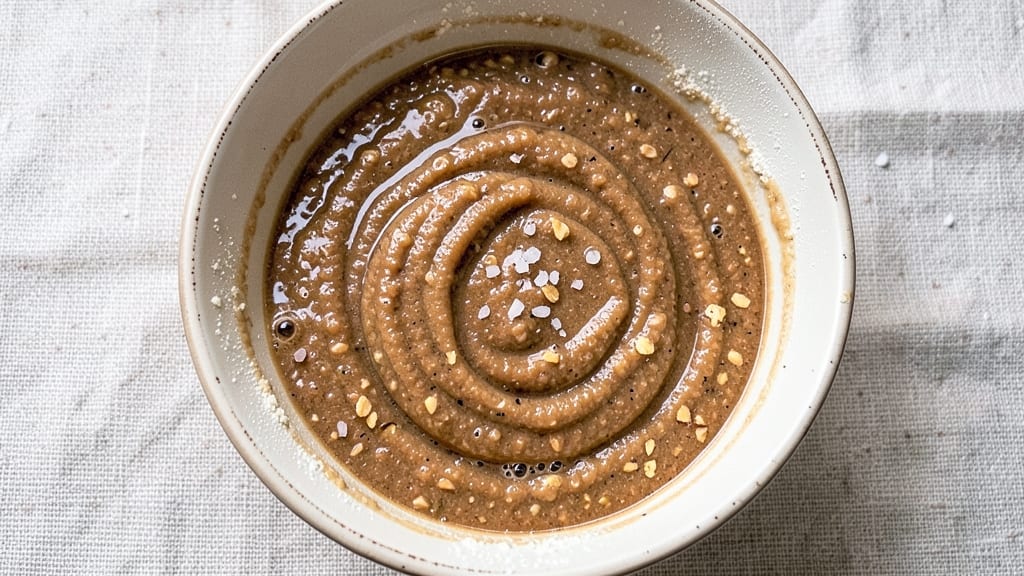
In a medium bowl, combine the 0.5 cup active sourdough starter, 0.5 cup potato flakes, 1 tbsp granulated sugar, and 1.25 cups water. The potato flakes will begin to absorb liquid immediately—stir until you achieve a smooth, thick batter with no visible dry spots. This mixture should resemble a thick pancake batter with a slightly grainy texture from the potato flakes.
Let this mixture sit at room temperature for 10 minutes while you prepare the rest of your ingredients. You'll notice the batter become even thicker as the potato flakes fully hydrate. This step is crucial for developing that signature pink hue and tender crumb in your final bread.
Combine Wet and Dry Ingredients
In a separate large bowl, whisk together the 3 cups all-purpose flour and 1.5 tsp salt. Create a well in the center and pour in the potato flake mixture along with the 2 tbsp olive oil. Using a wooden spoon or your hands, gently combine everything until a shaggy dough forms.
Once the dough comes together, turn it out onto a surface lightly dusted with 1 tbsp cornstarch. This prevents sticking as you knead. The dough will be quite sticky at first, but as you work it, the gluten will begin to develop. Knead for 5-7 minutes until the dough becomes smooth and elastic, pulling away cleanly from the surface.
Bulk Ferment and Shape
Place the dough in a lightly oiled bowl, cover with a damp towel, and let it rise at room temperature for 2-3 hours. You're looking for the dough to nearly double in size and develop small bubbles throughout. The potato flakes will contribute to a slightly denser fermentation, so don't be surprised if it doesn't rise as dramatically as traditional sourdough.
After the bulk ferment, punch down the dough to release air, then divide it into 4 equal portions. Shape each into a round boule by pulling the edges toward the center and sealing the seam. Place the shaped loaves on a baking sheet dusted with cornmeal, cover again, and let them proof for 1 hour at room temperature. They should spring back slowly when gently pressed.
Score and Bake for Crispy Crust
Preheat your oven to 425°F with a Dutch oven inside for 30 minutes. This creates steam that's essential for that crispy crust. Carefully transfer one shaped loaf to the hot Dutch oven and immediately score the top with a sharp razor in a crosshatch pattern. This allows steam to escape and prevents cracking during baking.
Bake covered for 20 minutes, then remove the lid and bake uncovered for an additional 15-20 minutes until the crust is deep golden brown and the internal temperature reaches 205°F. The bread should sound hollow when tapped on the bottom. Sprinkle immediately with 1 tsp coarse sea salt while still hot for maximum flavor impact.
Rest and Slice for Perfect Texture
Transfer the baked loaf to a wire rack and let it cool completely for at least 1 hour before slicing. This resting period allows the gluten to relax and the crumb to set properly. The bread should reveal an airy pink interior with visible potato flecks throughout, and a thick, crispy crust that shatters when broken.
Slice with a serrated knife and serve warm for the best texture. The combination of potato flakes and sourdough fermentation creates a bread that's both tender and hearty—perfect for sandwiches or enjoyed with butter straight from the oven.
Pro Tips For Making Potato Flake Sourdough Bread
- Rehydrate Potato Flakes First: Toss the flakes in a splash of warm water (about ¼ cup per ½ cup flakes) and let them sit for 5 minutes before mixing into the dough. This prevents clumping and ensures they distribute evenly—no more dry pockets or weird texture surprises.
- Skip the Over-Kneading: This isn’t your grandma’s bread. The potato flakes make the dough sticky and fragile, so handle it like wet sand—just enough to combine. Overwork it, and you’ll end up with a dense, chewy mess instead of that light, airy crumb you’re after.
- Use a Damp Brush: Before baking, lightly brush the loaf with water (or a 50/50 water-flour mix) for a shinier crust. The potato flakes dry out fast, so this keeps the top from cracking prematurely—especially if your kitchen’s dry like a desert.
- Bake with Steam: Place a metal tray on the oven rack before preheating, then pour in ½ cup boiling water when loading the dough. The steam mimics a professional bake, giving you a taller rise and that crispy, golden crust without fighting a stubborn oven.
Pro cooking tips for perfect results
Potato Flake Magic
The potato flakes aren't just a substitute—they're the secret weapon for that signature pink crumb. I learned this trick from my Nonna, who'd add a handful to her gnocchi dough to keep it light.
For this bread, toast the flakes in a dry pan for 5 minutes first to deepen their flavor. This step makes all the difference in the final texture and aroma. 🥔
Temperature Control
Fermentation is where the potato flakes shine, but they need the right conditions. Keep your kitchen at 75°F for optimal rise—any cooler and the dough will take too long. I use an Oster digital thermometer to monitor my space.
If your kitchen runs warm, proof the dough in a turned-off oven with the light on for consistent results. The potato flakes help regulate moisture during fermentation, preventing a gummy texture.
Dutch Oven Hack
That crispy crust? All about the Dutch oven. Preheat it with the bread for 30 minutes at 425°F to create maximum steam. I use a Lodge 5-quart Dutch oven—it's heavy enough to maintain even heat.
When scoring, make those cuts deep enough to let steam escape but not so deep they tear the crust. A sharp razor works best—my Victorinox 8-inch does the job perfectly every time.
Scoring Secrets
Scoring isn't just decorative—it's functional. The crosshatch pattern prevents uneven expansion and gives you that professional bakery look. For this dough, I find the potato flakes make it slightly more fragile, so I score just before baking when the dough is at its peak.
Press gently but firmly—you want to see the dough spring back slightly but not resist too much. This ensures even baking and that satisfying crackle when you break into the loaf.
Resting Matters
I can't stress this enough: let that bread rest for at least 1 hour before slicing. The potato flakes make the crumb more delicate, and cutting too soon will give you gummy slices. I place my loaves on a wire rack in a beeswax wrap to maintain moisture while cooling.
This resting period also lets the flavors meld together—you'll notice the potato sweetness and sourdough tang become perfectly balanced. 💫
Make-Ahead Tip
This bread freezes beautifully for up to 3 months. Wrap individual slices in parchment paper, then store in a quart freezer bag. To reheat, bake at 300°F for 5-7 minutes until warmed through.
The potato flakes keep the bread moist even after freezing—no dry, stale slices here. I always make a double batch and freeze half for lazy mornings when I just want perfect toast.
Nutrition facts
Frequently asked questions
Why does this recipe use potato flakes instead of regular flour?
The potato flakes create that signature pink crumb and add subtle sweetness while lightening the texture. They absorb moisture differently than flour, creating delicate air pockets during fermentation that make the bread extra tender. This is especially helpful for beginners—it makes the dough more forgiving while adding that professional-quality look.
Can I make this bread without a Dutch oven?
Yes, but you'll need to create steam another way. Place a baking sheet on the oven rack below your bread pan, then pour 1 cup boiling water into it when you put the bread in the oven. This mimics the steam from a Dutch oven. The crust won't be quite as crispy, but the interior will still be perfect. For best results, bake at 375°F instead of 425°F to compensate.
How do I know when my sourdough starter is ready?
Your starter should be bubbly, slightly domed, and have a pleasant tangy smell (like yogurt or vinegar). It should float in water when you drop a spoonful in—a good sign it's active. For this recipe, use an unfed starter that's 24 hours into its peak cycle. If it smells harsh or alcoholic, feed it once more before using. The potato flakes help mask any strong sourdough flavor, so don't worry if your starter isn't perfectly balanced.
What if my dough doesn't rise much during fermentation?
Potato flakes can slow fermentation slightly, so don't panic if the rise is modest. Check your kitchen temperature—it should be 75°F for optimal results. If your space is cooler, try proofing in a turned-off oven with the light on. Also, make sure your starter is active (see previous question). The dough should still develop small bubbles and nearly double in size—it just won't rise as dramatically as traditional sourdough. The final texture will still be excellent!
Can I add seeds or nuts to this bread?
Try adding 1/4 cup toasted sunflower seeds or 1/2 cup chopped walnuts to the dough after the initial mix. For best results, toast them first to enhance flavor. Just be aware that seeds/nuts will make the crumb denser. If you want to keep the airy texture, reduce the potato flakes to 1/4 cup instead. The potato flakes' moisture helps bind everything together beautifully.