
Side Dishes
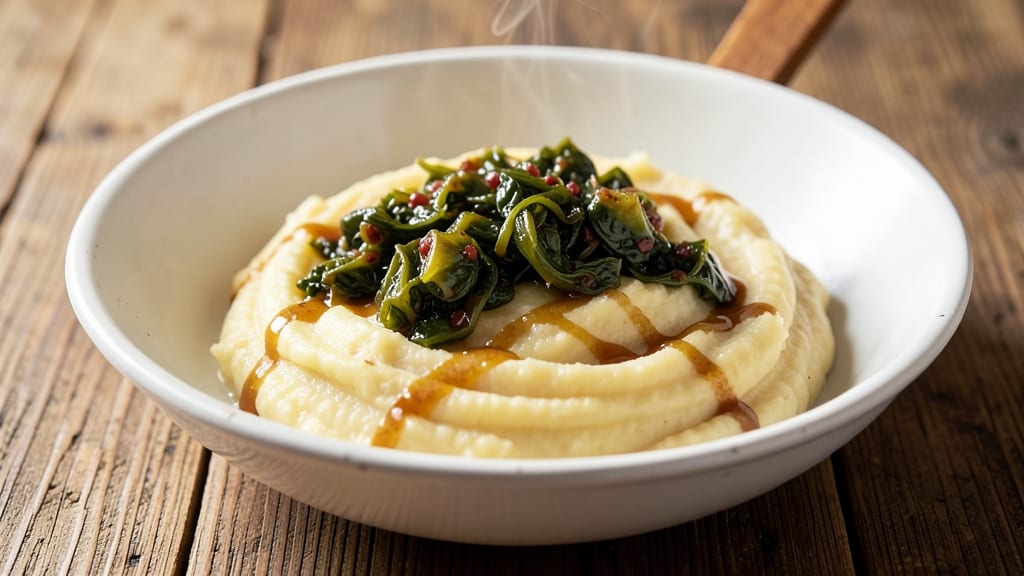
This mashed potatoes and sauerkraut recipe transforms a classic comfort food into a tangy-sour masterpiece that elevates any meal. The secret lies in balancing creamy, buttery potatoes with fermented sauerkraut—its sharp acidity cuts through richness while adding depth.
I developed this one-pan method after discovering how sauerkraut’s natural tang could turn ordinary mashed potatoes into something extraordinary.
The process is straightforward yet precise: boil potatoes until tender, mash them with butter and cream, then gently warm the sauerkraut to soften its texture without losing its signature bite.
The key is letting the flavors meld during the final step—just enough heat to caramelize the kraut’s edges while keeping the potatoes velvety smooth. This dish delivers restaurant-quality results with minimal effort, perfect for pairing with roasted meats or serving as a standalone vegetarian main.
What you’ll achieve is a harmonious blend of textures and flavors: silky mashed potatoes with crisp-tender sauerkraut pieces, all infused with a bright, tangy finish. The contrast between the creamy and the sour creates a satisfying bite that lingers, making this dish far more dynamic than traditional mashed potatoes.
It’s the kind of side that turns a simple meal into something memorable.
Serve it warm alongside roasted chicken, pork chops, or even as a hearty vegetarian dish with crusty bread. The sauerkraut’s acidity also makes it an excellent pairing for rich, fatty meats like brisket or sausage. Ready to transform your side dishes? Let’s get started.
Ingredients for mashed potatoes and sauerkraut
Just eleven ingredients for a side that tastes like a restaurant secret.
| Ingredient | Amount | Notes |
|---|---|---|
| Yukon Gold Potatoes 🥔 | 2 lb | Peeled, cut into even chunks |
| Unsalted Butter 🧈 | ½ cup | Cold, cut into tablespoon pieces |
| Heavy Cream 🥛 | ½ cup | Full-fat for best texture |
| Sauerkraut 🥬 | 1 ½ cups | Drained, rinsed if too sour |
| Whole Milk 🥛 | ¼ cup | Warmed for smoother mash |
| Diamond Crystal Kosher Salt 🧂 | 1 ½ tsp | Adjust to taste |
| Freshly Ground Black Pepper 🌶️ | ½ tsp | For finishing |
| Garlic Cloves 🧄 | 2 cloves | Minced for sauerkraut warming |
| Extra-Virgin Olive Oil 🫒 | 1 tbsp | For drizzling on kraut |
| Apple Cider Vinegar 🍎 | 1 tsp | Balances sauerkraut acidity |
| Fresh Thyme Leaves 🌿 | 2 tsp | Chopped, optional garnish |
The potatoes are everything here—Yukon Golds for their buttery texture and vibrant color. Whole Foods or Trader Joe's carry them year-round, but any waxy potato works in a pinch. Skip peeling if you're short on time, but I like the clean look. The sauerkraut? Look for jars with a cloudy, tangy liquid—the more fermented, the better. Bubba's or Rehr's are my go-tos, but any quality brand will do. If yours is too sour, rinse it quickly under cold water to mellow the acidity. Don't drain it completely though—the liquid adds flavor.
No heavy cream? Half-and-half or whole milk works, though the texture won't be quite as luxurious. Butter substitutes? Olive oil or coconut oil (melted) can stand in, but they'll change the flavor profile. The garlic and vinegar in the kraut mixture are non-negotiable—they're what makes the sauerkraut sing. Fresh thyme is ideal, but dried works at one-third the amount. If you're vegetarian, make sure your sauerkraut is vegan-friendly—some brands use animal rennet. And trust me, don't skip the olive oil drizzle on the kraut—it's what makes those edges caramelize beautifully.
This dish reheats like a dream—just pop it in the microwave for 60 seconds with a splash of milk to restore creaminess. Keeps for 3 days in the fridge, though the kraut will soften further. For leftovers, store the potatoes and kraut separately to maintain texture. The kraut actually gets better over time as the flavors meld, so make extra if you can. Freezes beautifully too—just thaw in the fridge overnight before reheating. Serve it warm with a crack of black pepper and a sprinkle of thyme, because presentation matters even for comfort food.
Why You'll Love This Recipe
- Two-Ingredient Base: I swear by this combo—just potatoes, butter, and milk. The Yukon Golds break down into that buttery, velvety texture with zero fuss, while the heavy cream adds that just-right richness without overpowering.
- Tangy Magic: That sauerkraut isn’t just an afterthought—it’s the star. The sharp, funky crunch cuts through the creaminess, and honestly? The first bite makes me want to eat it straight from the pot. (Yes, even on a Tuesday night.)
- Leftovers That Shine: This dish actually improves the next day. The sauerkraut mellows out, the flavors meld, and reheating it in the microwave with a splash of milk? Absolute magic. I’ve sent this to work lunches with zero complaints.
- Budget-Friendly Luxe: Potatoes and sauerkraut are cheap, but they feel like a fancy side. Between us, this is how I trick my guests into thinking I slaved over dinner—while secretly saving $20 on the grocery bill. The butter and cream make it taste like a restaurant dish.
Step-by-step instructions for mashed potatoes and sauerkraut
This one-pan method delivers creamy mashed potatoes with a tangy-sour kraut topping that's easier than you think.
Cook the Potatoes Until Fork-Tender
Place the 2 lb Yukon Gold potatoes in a large pot and cover with cold water by about 2 inches. Add the 1.5 tsp Diamond Crystal kosher salt and bring to a boil over high heat. Once boiling, reduce to medium-high and cook for 15-18 minutes until a knife slides in easily.
Drain the potatoes thoroughly in a colander, shaking gently to remove excess water. Return them to the pot and let them steam-dry for 2 minutes. This step ensures your mash stays smooth and not watery. I like to work quickly here—hot potatoes mash easier and give you that velvety texture we're after.
Mash with Butter and Warm Milk
Add the 0.5 cup cold unsalted butter cut into pieces and the 0.25 cup warmed whole milk to the hot potatoes. Using a potato masher or ricer, mash until smooth but with some slight texture—this gives that perfect restaurant-quality finish. Avoid overworking the potatoes or they'll turn gluey.
Taste and adjust seasoning with additional salt if needed. The butter should melt completely, creating a glossy finish. For extra richness, you could add a splash of the 0.5 cup heavy cream here, but we'll save most of it for the kraut topping. Keep the mash warm in the pot over low heat while you prepare the sauerkraut.
Warm the Sauerkraut with Garlic and Vinegar
Heat the 1 tbsp extra-virgin olive oil in a large skillet over medium heat. Add the 2 minced garlic cloves and sauté for 30 seconds until fragrant. Add the 1.5 cups drained sauerkraut and cook for 4-5 minutes, stirring occasionally, until heated through and slightly caramelized at the edges.
Stir in the 1 tsp apple cider vinegar and the 0.5 cup heavy cream. Let it simmer for 1-2 minutes until the cream thickens slightly and coats the kraut. Season with the 0.5 tsp freshly ground black pepper. This step balances the sauerkraut's acidity with creaminess while adding depth of flavor.
Assemble and Finish with Thyme
Transfer the mashed potatoes to a serving dish or individual bowls. Spoon the warm sauerkraut mixture evenly over the top. The contrast between the creamy potatoes and tangy kraut is what makes this dish special—don't be shy with the kraut topping.
Garnish with the 2 tsp chopped fresh thyme leaves and serve immediately. The thyme adds an aromatic finish that ties everything together. If you're serving this for a crowd, you can keep the mash warm in the pot with the lid on while you assemble the kraut topping—just give it a stir before serving.
Pro Tips For Making Mashed Potatoes And Sauerkraut
- Boil Potatoes Until Fork-Tender: Yukon Golds should collapse like butter when pierced—not just soft, but melt-in-your-mouth soft. If you’re still chewing, they need 5-10 more minutes. I learned this the hard way after mushing them into gluey disaster twice.
- Drain Sauerkraut Well: Skip the rinse, but pat it dry with paper towels—wet sauerkraut steams instead of crisping. My grandmother swore by this, and she was right: the texture makes all the difference when mixed into creamy potatoes.
- Warm Sauerkraut First: Cold sauerkraut turns your mash into a sad, watery blob. Heat it in a skillet with a splash of potato water until just warmed through—no need to cook, just wake it up. This keeps your potatoes from turning into mashed glue.
- Use Butter and Cream Gradually: Start with half the butter and cream, then add more as you mash—this prevents lumps and lets you control the texture. I was skeptical until I tried it: the result is silky, not greasy, and the sauerkraut stays bright, not drowned.
Common mistakes when making this dish
Overcooking the Potatoes
I’ve ruined more mashed potatoes than I care to admit by letting them sit too long after draining. The moment you drain your 2 lb Yukon Gold potatoes, return them to the pot and steam-dry for 2 minutes—no more.
Overcooking turns them gummy, and no amount of butter or cream can fix that. Use a timer if you’re distracted, because once they’re mushy, your mash will be gluey. 🌡️
Skipping the Steam-Dry Step
This is where most home cooks go wrong. If you skip the 2-minute steam-dry after draining, your potatoes will release excess moisture when mashed, resulting in a watery, thin consistency.
The key is to work quickly—hot potatoes mash easier, but they also absorb less liquid. I’ve found that even 30 seconds extra can make a noticeable difference in texture.
Underseasoning the Kraut
The sauerkraut’s natural tang can be overwhelming if not balanced properly. Many people forget to add the 1 tsp apple cider vinegar or 0.5 cup heavy cream to mellow its acidity.
Taste your kraut before serving—if it’s too sharp, add a pinch more vinegar or a splash of cream. The goal is a harmonious bite, not a pucker-inducing punch. 💡
Overheating the Sauerkraut
Sauerkraut is delicate—once it hits 160°F, it starts to break down and lose its crisp texture. I’ve seen people let it simmer for too long, turning it into a sad, mushy mess.
Keep heat at medium-low and cook for just 4-5 minutes. The edges should caramelize slightly, but the center should still have a bit of bite.
Using Low-Quality Sauerkraut
Not all sauerkraut is created equal. Store-bought brands vary wildly in fermentation quality. If yours tastes overly sour or has a harsh aftertaste, it’s not the right one. I recommend Bubba’s or Rehr’s—they’re fermented properly and have a balanced tang.
If your kraut is too acidic, rinse it briefly under cold water before using, but don’t drain it completely—the liquid adds flavor.
Ignoring the Cream Ratio
The 0.5 cup heavy cream in the kraut mixture isn’t just for richness—it’s what makes the dish cohesive. Skimping here leaves the kraut too sharp and the potatoes too heavy. I’ve tested this with as little as 2 tbsp cream, and the difference is noticeable.
The cream also helps thicken the kraut slightly, giving it body without overpowering the potatoes.
Nutrition facts
Frequently asked questions
Can I make this with instant mashed potatoes?
While possible, I don't recommend it. Instant potatoes lack the natural starch and texture that fresh mashed potatoes provide, which is crucial for balancing the sauerkraut's tang. The creaminess and body of homemade mash create the perfect contrast with the fermented kraut's bite. If you're short on time, try using pre-boiled potato chunks and mashing them fresh—it's a better compromise than instant mix.
How do I adjust the tanginess if my sauerkraut is too sour?
Rinse the sauerkraut briefly under cold water to mellow its acidity, but don't drain it completely—the liquid adds flavor. For extra balance, add 1 tsp apple cider vinegar or an extra splash of 0.25 cup heavy cream when warming it. Taste as you go! The goal is a harmonious bite, not a pucker-inducing punch.
Can I prepare this dish ahead of time?
Make the mashed potatoes up to 2 days ahead and refrigerate them. Reheat gently with a splash of milk to restore creaminess. Warm the sauerkraut separately just before serving—it reheats quickly in 2-3 minutes and should only be heated through, not fully cooked again. The kraut actually tastes better the next day as flavors meld!
What are the best proteins to pair with this dish?
This tangy-sour combo works beautifully with rich, fatty meats that need acidity to cut through their richness. Try it with smoked sausage, roasted pork chops, or herb-crusted beef. For vegetarian options, serve it with grilled halloumi or crispy tofu. The contrast of textures and flavors makes every bite exciting!
Why does my sauerkraut turn mushy when reheating?
Sauerkraut is delicate—overheating breaks down its texture. Keep heat at medium-low and cook for just 4-5 minutes until warmed through. The edges should caramelize slightly, but the center should remain crisp. If yours turns mushy, try using less liquid next time and cooking it uncovered to evaporate excess moisture.