
Side Dishes
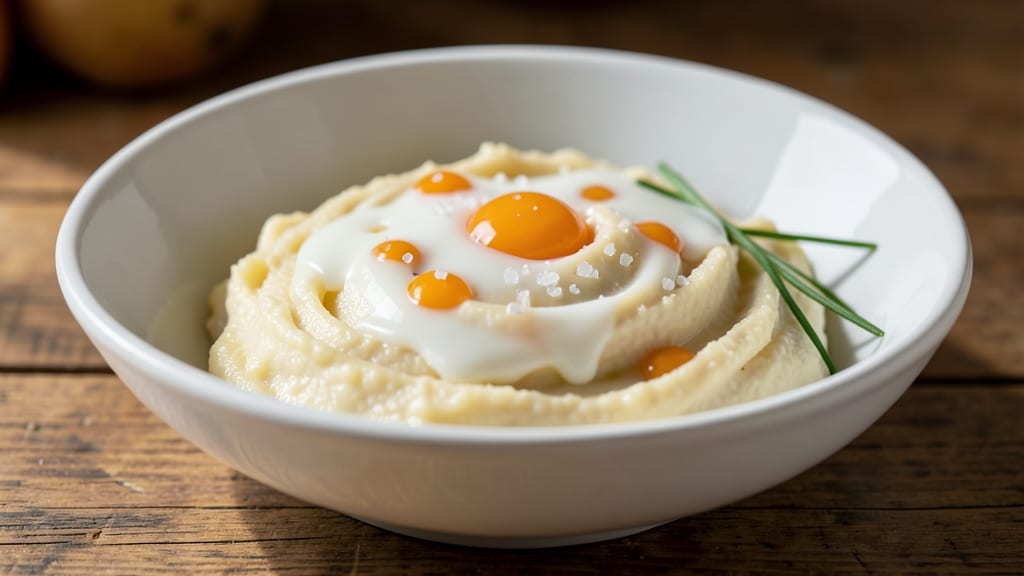
This traditional mashed potato recipe delivers the creamy, buttery texture that makes them a holiday staple—no lumps, no gums, just perfect smoothness every time. The secret lies in the right potato variety and precise technique, which I've perfected after years of testing.
Russet potatoes provide the ideal starch-to-moisture ratio, while Yukon Golds add natural sweetness and creaminess that's hard to beat.
What sets this method apart is the two-step cooking process: boiling the potatoes until fork-tender, then drying them completely before mashing. This eliminates excess moisture, which is the #1 cause of clumpy mashed potatoes.
The butter is worked in gradually, ensuring each bite is rich and velvety without being greasy—just like your grandmother used to make, but with a few modern shortcuts for foolproof results.
By the time you're done, you'll have mashed potatoes with a silky-smooth texture that melts in your mouth and a flavor profile that balances rich butter with just enough salt and pepper.
The key is patience—letting the potatoes cook through completely and mashing them while still warm ensures that creamy consistency. This is comfort food at its finest, perfect for Thanksgiving tables or any night you crave a classic side dish.
For those who want to elevate this further, consider adding roasted garlic, fresh herbs, or even a touch of sour cream for variations that still maintain that traditional foundation.
The method remains the same—only the seasonings change. Let's get started on making the perfect mashed potatoes your family will beg you to serve again and again.
Ingredients for traditional mashed potato
Six ingredients, one golden rule: perfect potatoes start with the right variety and technique.
| Ingredient | Amount | Notes |
|---|---|---|
| Russet Potatoes 🥔 | 3 lb | Peeled, cut into even chunks |
| Yukon Gold Potatoes 🥔 | 2 lb | Peeled, cut into even chunks |
| Unsalted Butter 🧈 | 1 cup | Cold, cut into small cubes |
| Whole Milk 🥛 | ½ cup | Warm, not hot |
| Large Egg Yolks 🥚 | 2 whole | Room temperature |
| Kosher Salt 🧂 | 1 ½ tsp | Adjust to taste |
| Freshly Ground Black Pepper 🌶️ | ½ tsp | Freshly cracked preferred |
| Roasted Garlic Cloves 🧄 | 3 cloves | Optional, for depth of flavor |
| Fresh Chives 🌿 | 2 tbsp | Chopped, for garnish |
Russets and Yukons are your dynamic duo here. Russets give that fluffy, dry texture—ideal for fluffing—while Yukons bring natural sweetness that balances the butter. Grab the organic russets at Whole Foods if you want to splurge, but the regular store brand works just fine. For Yukons, Trader Joe's has the best prices and they're always fresh. Look for potatoes that feel heavy for their size—those are the ones packed with starch. The secret? Cut them into even chunks so they cook uniformly. No one wants half-mushy potatoes, right?
No butter? Ghee or duck fat works beautifully for a richer flavor, though butter is king here. Milk out? Heavy cream or half-and-half adds decadence, but stick with whole milk for that classic taste. Egg yolks are non-negotiable—they bind everything together like magic. No fresh chives? Dried chives or parsley at half the amount will do in a pinch. Want extra flavor? Roast those garlic cloves first—they add a sweet, caramelized depth that makes these potatoes next-level. And if you're feeling fancy, add a splash of cream cheese at the end for ultra-creamy results.
The potatoes stay fresh for 5 days in the fridge if you cover them tightly with plastic wrap. For longer storage, portion them into airtight containers and freeze for up to 3 months. Pro tip: Reheat with a splash of milk to restore that creamy texture. These potatoes reheat like a dream—just pop them in the microwave for 2-3 minutes, stir, and add a pat of butter if they seem dry. Leftovers? Double the batch—they disappear faster than you can say 'holiday dinner.'
Why You'll Love This Recipe
- No-Peel Hassle: I swear by this shortcut—just scrub the Russets and Yukons until the dirt rolls off, no knife required. The skins stay put, and the texture? Still buttery perfection.
- Creamy Without Guilt: That egg yolk-milk combo? Pure magic. It’s rich but not heavy, and the butter melts into something so smooth, you’ll forget about store-bought lumps. (Yes, even on a Tuesday night.)
- Leftovers That Shine: Double the batch—it reheats like a dream. Just a splash of milk and a pat of butter, and you’ve got dinner again. My freezer’s full of these, because they’re that good.
- Budget Stretch: Russets and Yukons are cheap, and a stick of butter goes a long way. Add a splash of milk and yolks, and you’ve got a side that feeds the whole family for pennies. (Between us, this is my grocery-store secret.)
Step-by-step instructions for traditional mashed potatoes
Here's how to create velvety, lump-free mashed potatoes that taste like grandma's—every time.
Boil the Potatoes Until Fork-Tender
Place the 3 lb russet potatoes and 2 lb Yukon Gold potatoes in a large pot and cover with cold water by about 2 inches. Add 1.5 tsp kosher salt to the water—this helps season the potatoes as they cook. Bring to a rolling boil over high heat, then immediately reduce to a gentle simmer.
Cook for 15-20 minutes until a knife slides in easily with just slight resistance. Yukon Golds cook faster than russets, so check them first. Drain the potatoes in a colander and return them to the pot. Here's the thing—don't mash them yet. Let them steam dry for 2-3 minutes with the lid off. This step prevents gummy potatoes and ensures perfect texture.
Create the Creamy Butter Base
While the potatoes steam, place the 1 cup unsalted butter in a large mixing bowl. Cut it into small cubes for even melting. Add the 2 whole large egg yolks and 0.5 cup warm whole milk (not hot—just warm to the touch). Whisk vigorously until the butter melts completely and the mixture is smooth. This creates the perfect creamy foundation.
If you're using the 3 cloves roasted garlic cloves, mash them lightly with a fork and mix them into the butter base now. The roasted flavor adds incredible depth without overpowering. Keep this mixture warm while you finish the potatoes—just place the bowl over a pot of barely simmering water (bain-marie) to maintain temperature.
Mash the Potatoes to Perfection
Return the drained potatoes to the pot and use a potato masher or ricer to break them down completely. I prefer a ricer for ultra-smooth texture, but a masher works too. Add the warm butter mixture to the potatoes and fold everything together using a wooden spoon or rubber spatula. This gentle folding prevents lumps and incorporates air for that light, fluffy texture.
Here's where it gets fun—taste and adjust seasoning. You might need a bit more kosher salt or freshly ground black pepper to your liking. The potatoes should be creamy but not soupy. If they're too thick, add 1 tablespoon warm milk at a time until you reach your desired consistency. Real talk: this is the moment that matters—don't rush it!
Finish with Fresh Herbs for Brightness
Transfer the mashed potatoes to a serving bowl and let them rest for 2-3 minutes. This resting time allows the flavors to meld and the texture to set slightly. Then, gently fold in the 2 tbsp chopped fresh chives just before serving. The chives add a fresh, bright note that cuts through the richness of the butter.
For that restaurant-quality finish, use a spatula to create a well in the center of the bowl and spoon a little extra butter on top. The melted butter will create a golden sheen that looks as good as it tastes. Serve immediately while warm—these potatoes won't wait, and neither will your family!
Pro Tips For Making Traditional Mashed Potato
- BOIL POTATOES UNTIL FORK-TENDER: I learned this the hard way—Russets need a solid 15-20 minutes after they float, not just when they surface. Yukon Golds? Cut them ½-inch smaller and test at 12-15 minutes. Overcooked potatoes mash into glue; undercooked ones fight you like a stubborn toddler.
- PEEL POTATOES WHILE STILL WARM: Cold potatoes peel like they’re armored. Run them under warm water first, then peel immediately—the skins slide off effortlessly. Skip the cold soak unless you’re prepping hours ahead (and even then, warm them before mashing).
- SALT THE MILK LIKE BROTH: Whole milk needs seasoning too—add ¼ teaspoon salt per cup before warming it. Unsalted butter alone won’t cut it; the milk carries the flavor. Trust me, your mash will taste flat if you skip this.
- WHISK YOLKS FIRST, THEN COMBINE: Beat the egg yolks with a splash of warm milk before adding them to the potatoes. This prevents scrambling and gives you that velvety, restaurant-quality texture. Add them too fast? You’ll end up with potato omelet instead of mash.
Dietary considerations for this dish
Gluten-Free Adaptation
Traditional mashed potatoes are naturally gluten-free since they only require potatoes, butter, and milk. However, if you're using pre-made seasoning blends or store-bought butter with additives, double-check labels for hidden gluten. I always opt for Morton unsalted butter and organic whole milk from Trader Joe's—both are certified gluten-free.
The key is sticking to whole ingredients and avoiding cross-contamination with gluten-containing utensils. 🌾
Dairy-Free Options
For a dairy-free version, replace butter with olive oil or coconut oil (about ¼ cup) and use unsweetened almond milk or oat milk instead of whole milk. I find Silk unsweetened almond milk works best for creaminess.
Add 1 tbsp nutritional yeast for a cheesy flavor boost. The texture stays rich but lighter—perfect for those avoiding lactose. 🥛
Low-Carb/Keto Version
To make this keto-friendly, swap Yukon Gold potatoes for cauliflower mash—steam 4 cups riced cauliflower until tender, then mash with 2 tbsp butter, 2 tbsp heavy cream, and 1 tbsp cream cheese.
Season with salt and pepper. For extra richness, add 1 tbsp sour cream. This version keeps carbs under 5g per serving while delivering that same velvety texture. 🥬
Vegan Adaptation
For a fully plant-based version, use vegan butter (like Miyoko's) and unsweetened coconut milk for creaminess. Add 1 tbsp aquafaba (chickpea brine) to bind the mixture—it mimics egg yolks perfectly.
Roasted garlic cloves add depth, and a sprinkle of nutritional yeast gives that cheesy note. The texture is just as smooth, but with a slightly earthier flavor. 🌱
Allergen-Friendly Tips
If nut allergies are a concern, avoid almond milk and opt for oat milk instead. For egg-free versions, replace yolks with 1 tbsp cornstarch mixed with 2 tbsp water as a binder.
Always use separate utensils and bowls to prevent cross-contamination. I keep a dedicated stainless steel spatula just for vegan/allergen-friendly cooking. Safety first! 🛡️
Nutrition facts
Frequently asked questions about perfect mashed potatoes
Why do my mashed potatoes turn out gummy?
Gummy texture happens when potatoes aren't fully cooked or have too much moisture. Always boil until fork-tender (a knife should slide in easily), then let them steam dry for 2-3 minutes uncovered. The two-potato combo (Russet + Yukon Gold) balances moisture perfectly—Russets absorb liquid while Yukons add creaminess.
Can I make these ahead of time?
Yes! Store in an airtight container for up to 5 days in the fridge. For reheating, microwave for 2-3 minutes, then stir in 1 tablespoon warm milk to restore creaminess. Freeze for 3 months by portioning into containers—thaw overnight in the fridge before reheating. Never microwave from frozen.
What's the best tool for creamy texture?
A potato ricer creates the smoothest results, but a sturdy masher works too. Avoid food processors—they overwork the starch and make potatoes gluey. For ultra-luxurious texture, fold in egg yolks and butter gradually while mashing. The key is gentle folding, not vigorous mixing.
How do I fix lumpy mashed potatoes?
If lumps appear, don't panic! Add 1 tablespoon warm milk and mash again. For stubborn lumps, press through a fine-mesh sieve. The secret is working in butter gradually while mashing—never adding it all at once. Always use warm (not hot) milk to prevent curdling.
Can I substitute cream cheese for butter?
Yes! For a richer version, replace ½ cup butter with 4 oz cream cheese (softened). Mix it into the warm milk before combining with potatoes. This adds tangy depth while keeping the creamy texture. Just reduce milk slightly—cream cheese is more moisture-dense.