
Main Courses
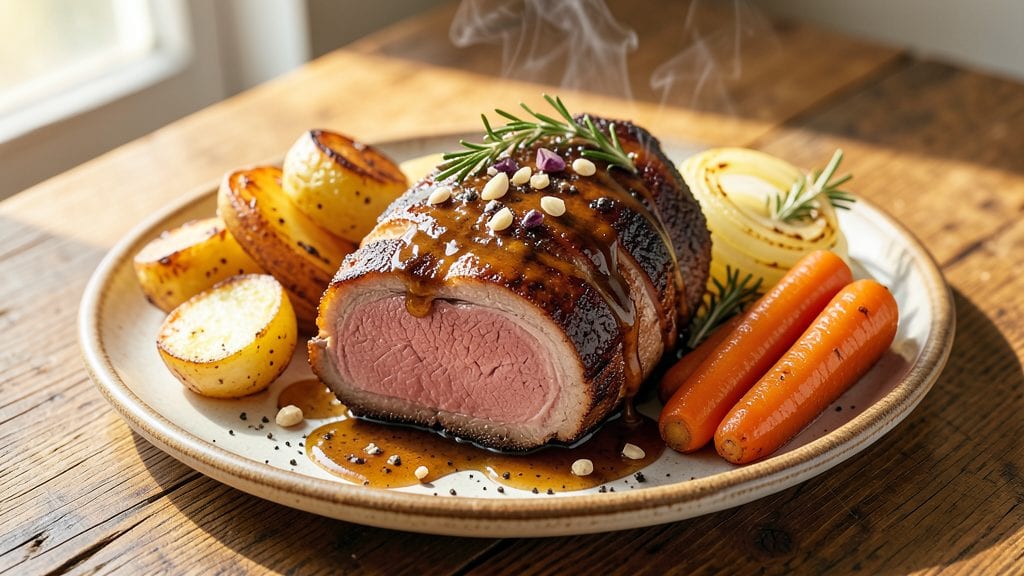
A sirloin tip roast recipe with potatoes and carrots delivers that deep, slow-braised richness we crave after a long week—all in one pot. I perfected this method after years of testing, and it never fails to transform a simple roast into something restaurant-worthy with minimal effort.
The secret lies in the slow cook, where tender meat meets perfectly seasoned vegetables, creating a meal that tastes like a home-cooked Sunday dinner, even on a Tuesday night.
This recipe transforms tough cuts into melt-in-your-mouth perfection by relying on a simple yet powerful technique: low-and-slow cooking with aromatic herbs and vegetables.
The potatoes and carrots roast alongside the meat, absorbing the deep, savory flavors of the broth, so you end up with a cohesive, flavorful dish that requires no extra sides.
It’s the kind of meal that feels indulgent but is actually simple to prepare—just 15 minutes of prep and 3 hours of hands-off cooking.
The result is a tender, juicy roast with a golden-brown crust, paired with caramelized potatoes and carrots that are crisp on the edges and soft inside.
The aroma alone will have everyone gathering around the table, and the first bite delivers that satisfying combination of rich meat and sweet, earthy vegetables. This is comfort food at its finest—warm, hearty, and full of the kind of flavors that stick with you long after dinner.
Perfect for family dinners, holiday gatherings, or even a cozy night in, this recipe scales easily and makes leftovers that reheat beautifully. The one-pot method means less cleanup, and the flavors only deepen as it sits, making it ideal for meal prep.
Let’s get started on creating a meal that feels like a celebration every time.
Ingredients for sirloin tip roast recipe with potatoes and carrots
Sixteen ingredients transform tough cuts into melt-in-your-mouth perfection—slow-braised richness in one pot.
| Ingredient | Amount | Notes |
|---|---|---|
| Sirloin Tip Roast 🥩 | 3 lb | Center-cut for even cooking |
| Yukon Gold Potatoes 🥔 | 2 ½ lb | Cut into 2-inch chunks |
| Carrots 🥕 | 1 ½ lb | Whole, scrubbed, cut into 3-inch lengths |
| Yellow Onion 🧅 | 1 whole | Quartered, skin on |
| Garlic Cloves 🧄 | 6 cloves | Smashed, skin on |
| Fresh Rosemary 🌿 | 1 tbsp | Chopped, stems removed |
| Fresh Thyme 🌿 | 1 tbsp | Leaves only, stems removed |
| Beef Broth 💧 | 2 cups | Low-sodium preferred |
| Dry Red Wine 🍷 | 1 cup | Cabernet Sauvignon or Merlot |
| Olive Oil 🫒 | 2 tbsp | Extra-virgin for richness |
| Kosher Salt 🧂 | 1 ½ tsp | For seasoning meat and vegetables |
| Freshly Ground Black Pepper 🌶️ | 1 tsp | Coarsely ground |
| Tomato Paste 🍅 | 2 tbsp | For depth of flavor |
| Fresh Parsley 🌿 | ¼ cup | Chopped, for garnish |
The sirloin tip roast is the star here, and center-cut is non-negotiable—it stays juicy and tender. Most butchers will trim it for you, but if you're buying pre-cut, look for pieces with good marbling. Costco or local butchers usually carry high-quality cuts perfect for this recipe. The potatoes and carrots should be firm and unblemished—Yukon Golds for potatoes and bright orange carrots for maximum sweetness. Fresh herbs make all the difference, so grab them last at the grocery store to keep them vibrant. If you can't find fresh rosemary or thyme, dried works at one-third the amount, but fresh is ideal.
No red wine? Substitute extra beef broth—just add an extra splash of balsamic vinegar for depth. The tomato paste can be swapped for a pinch of smoked paprika if you're avoiding it, though it adds a subtle richness. For the vegetables, red potatoes or baby carrots work just as well, though they'll break down faster. If you're short on time, parboil the potatoes and carrots for 5 minutes before adding them to the pot. The key to this dish is patience—rushing the cooking time will leave you with tough meat and undercooked vegetables. Trust the process, and the results will be worth it.
This dish reheats beautifully—honestly better the next day as the flavors meld. Store leftovers in an airtight container in the fridge for up to 5 days or freeze for 3 months. For meal prep, portion into individual containers so you can grab and go. The roast and vegetables can be cooked ahead and kept warm in a slow cooker on low heat. Garnish with fresh parsley just before serving to keep it vibrant. If you're making this for a crowd, double the recipe—it scales perfectly.
Why You'll Love This Recipe
- One-Pan Magic: I swear by this for lazy nights—just toss everything on a sheet pan, season the roast with salt and pepper, and let the oven do the work. The potatoes caramelize right alongside the carrots, so you’re not stuck peeling or pre-boiling anything.
- Garlic-Butter Bliss: That sirloin tip? It’s like a steak but forgiving—juicy, tender, and soaking up the garlic and herb crust. Honestly, the first time I made it, I nearly licked the pan.
- Leftovers for Days: Between us, this roast is perfect for meal prep. Slice the leftovers for sandwiches, toss them into salads, or just reheat with a splash of gravy. My kids beg for it the next day (yes, even on a Tuesday night).
- Budget Crowd-Pleaser: You’re getting a whole roast for less than two steaks, and it feeds six without breaking the bank. The Yukon Golds and carrots add color and sweetness that make it feel fancy—without the restaurant price tag.
Step-by-step instructions for slow-braised sirloin tip roast
This method delivers melt-in-your-mouth beef with tender vegetables in one flavorful pot.
Sear the Roast and Prepare Vegetables
Heat a heavy Dutch oven over medium-high heat. Add the 2 tablespoons olive oil and swirl to coat the bottom. Place the 3 lb sirloin tip roast in the pot, fat-side down, and sear for 8-10 minutes until deeply browned on all sides. This creates a flavorful crust that forms the base of your sauce.
While the roast browns, peel and cut the 2.5 lb yukon gold potatoes into 2-inch chunks. Scrub and cut the 1.5 lb carrots into 3-inch lengths. Quarter the 1 whole yellow onion, leaving the skin on, and smash the 6 cloves garlic lightly with the side of your knife. Set all vegetables aside until needed.
Build the Braising Foundation
Remove the seared roast from the pot and set it aside. Add the 2 tablespoons tomato paste to the Dutch oven and stir to coat the browned bits on the bottom. This step is crucial—it prevents the sauce from becoming too thin and adds deep, savory flavor.
Pour in the 1 cup dry red wine and scrape up any browned bits with a wooden spoon. Let the wine simmer for 2-3 minutes until it reduces by half and the alcohol smell dissipates. This deglazing step captures all the meaty flavors that would otherwise stick to the pot.
Layer and Braise the Roast
Return the roast to the pot and add the prepared vegetables, 1 tablespoon chopped fresh rosemary, 1 tablespoon fresh thyme, 1.5 teaspoons kosher salt, and 1 teaspoon freshly ground black pepper. Pour in the 2 cups beef broth until everything is submerged. The liquid should come about halfway up the sides of the roast.
Bring the mixture to a gentle simmer, then reduce heat to medium-low. Cover the pot with a tight-fitting lid and transfer to a 325°F oven. Braise for 3-3.5 hours until the roast is fork-tender and the vegetables are easily pierced with a knife. The internal temperature should reach 195-200°F—this is the sweet spot for fall-apart tenderness.
Rest and Finish the Sauce
Remove the pot from the oven and transfer the roast to a cutting board. Tent loosely with aluminum foil and let it rest for 15-20 minutes. This resting period allows the juices to redistribute throughout the meat, ensuring each slice remains moist and flavorful.
While the roast rests, skim any excess fat from the surface of the braising liquid. Return the pot to medium heat and simmer uncovered for 5-7 minutes to reduce the sauce slightly. Stir in the 0.25 cup chopped fresh parsley just before serving to brighten the flavors and add freshness.
Pro Tips For Making Sirloin Tip Roast Recipe With Potatoes And Carrots
- Sear the Roast First: I used to skip this step and wondered why my roast never had that restaurant-quality crust. Hit the roast with a hot pan—no oil needed—until it’s deep brown on all sides before moving it to the oven. The Maillard reaction kicks in fast, and that’s when the flavor really starts building.
- Cut Potatoes in Even Slices: Uneven potatoes mean some end up mushy while others stay hard. Aim for ½-inch thick rounds—thick enough to hold shape but thin enough to cook through without drying out. Yukon Golds are forgiving, but consistency matters more than you’d think.
- Don’t Overcrowd the Pan: I learned this the hard way—dumping all the veggies in at once steams them instead of caramelizing. Cook onions and garlic first, then add carrots in batches. Give them space to brown; crowded veggies just turn soggy.
- Check Internal Temp, Not Time: Guessing ruins everything. Use a meat thermometer—sirloin tip should hit 130–135°F for medium-rare (it’ll rise to 135–140°F while resting). Overcooking turns tender meat tough, and no one wants that. Pull it early and let it rest.
Dietary considerations for this dish
Gluten-Free Adaptations
This recipe is naturally gluten-free, but there are a few key areas to double-check. The beef broth and tomato paste should be certified gluten-free—brands like Annie’s or Pacific Foods are reliable choices.
If you're using a red wine with added gluten (like some fortified wines), opt for a plain dry red like Cabernet Sauvignon from a trusted vineyard. The potatoes and carrots are inherently gluten-free, but always verify any pre-packaged seasoning blends you might add. 🌾
Low-Carb Options
For a lower-carb version, swap the potatoes for cauliflower—I like fresh crowns cut into similar-sized chunks. The carrots can stay, but reduce them to 1 lb to cut carbs further. The braising process works the same, and the cauliflower absorbs the rich flavors beautifully.
Just add an extra 10 minutes to the cooking time to ensure tenderness. This keeps the dish hearty while fitting into keto or low-carb diets.
Dairy-Free Considerations
This recipe doesn’t contain dairy, but if you’re serving it alongside creamy sides like mashed potatoes, use a dairy-free alternative. For the roast itself, the natural beef fat provides richness, so no substitutions are needed.
If you’re worried about cross-contamination, use separate utensils and cutting boards for the roast and any dairy-free sides. The herbs and wine add depth without relying on dairy, making this dish inherently flexible for those avoiding it.
Allergen-Friendly Swaps
For nut allergies, simply omit any garnishes that might contain nuts—this recipe is nut-free by default. If you’re avoiding wine, substitute with an extra ½ cup beef broth and a splash of balsamic vinegar for acidity.
For soy-sensitive diners, ensure your broth doesn’t contain soy additives (check labels on Swanson or Kraft brands). The dish remains safe and satisfying with these minor adjustments, proving how adaptable it is for various dietary needs. 💡
Protein-Packed Boost
Want to make this even more protein-rich? Add ½ lb sliced mushrooms (like cremini or shiitake) to the pot during the braising phase. They absorb the flavors and add umami depth without altering the texture.
For a vegetarian twist, swap the roast for extra-firm tofu (pressed and cubed) or mushroom-based "meat" like Beyond Meat—just increase cooking time by 30 minutes to ensure tenderness. The technique remains the same, proving how versatile this method is for different protein preferences.
Nutrition facts
Frequently asked questions
Can I use a different cut of beef instead of sirloin tip roast?
While sirloin tip roast is ideal for this braising method, you can substitute with chuck roast or bottom round roast—both become incredibly tender when slow-cooked. Avoid leaner cuts like sirloin or flank steak, as they won't achieve the same melt-in-your-mouth texture. If using chuck, reduce cooking time by 30-45 minutes since it's already more tender.
How do I know when the roast is fully cooked?
Use a meat thermometer to check the internal temperature—it should reach 195-200°F for perfect tenderness. The roast will naturally pull away from the bone and be fork-tender. If you don't have a thermometer, cut into the thickest part: juices should run clear, and the meat should separate easily.
Can I make this recipe in a slow cooker instead of the oven?
Follow the same searing and deglazing steps, then transfer everything to a 6-quart slow cooker. Cook on low for 7-8 hours or high for 4-5 hours, adding ½ cup extra broth if needed. The slow cooker method is even more hands-off, though the oven version gives slightly better caramelization on the vegetables.
What if my vegetables get mushy before the roast is done?
This happens if they're too small or submerged in liquid. For next time, use larger potato and carrot chunks (3+ inches) and arrange them around—not under—the roast. If needed, add vegetables in batches: start with just the roast and broth for 2 hours, then add potatoes and carrots for the final 1.5 hours. This keeps them firm but flavorful.
How should I serve this dish for a holiday meal?
Slice the roast against the grain into ½-inch thick slices and arrange on a platter with the braised vegetables. Garnish with fresh parsley and serve with crusty bread to soak up the sauce. For extra elegance, drizzle with reduced pan juices and add a sprinkle of flaky sea salt. Pair with a bold red wine like Cabernet Sauvignon to complement the rich flavors.