
Desserts
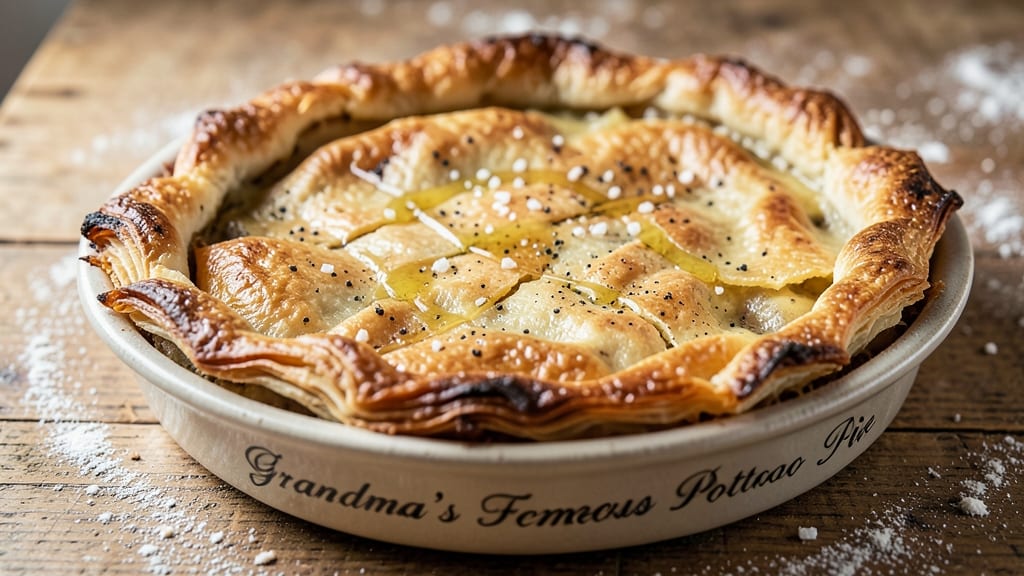
A potato pie crust recipe that delivers flaky layers without the usual struggle of perfecting shortening ratios is exactly what you need for that perfect pie.
The secret lies in using cold potatoes and a precise technique that creates tender, crisp edges while keeping the interior light and airy—no heavy butter or lard required. I developed this method after years of trial and error, and it’s now my go-to for both sweet and savory pies.
What makes this crust special is its versatility and simplicity. Unlike traditional pie crusts that rely on cold butter for flakiness, this recipe uses grated potatoes to bind the dough while keeping it tender.
The key is handling the dough gently and avoiding overworking it, which ensures those signature flaky layers. It’s perfect for classic potato pies, savory casseroles, or even quiches—just adjust the fillings to suit your taste.
By the time you pull this crust from the oven, you’ll have a golden, crisp edge with a tender interior that’s impossible to resist. The texture is restaurant-quality, and the best part?
It holds up beautifully whether you’re serving it warm with a scoop of ice cream or as a sturdy base for a hearty savory dish. This is the kind of crust that makes every pie feel like a showstopper.
Ready to try it? This method works for both dessert and savory pies, so you can use it for your favorite recipes without sacrificing texture. Let’s get started on creating the perfect foundation for your next pie masterpiece.
Ingredients for potato pie crust
Cold potatoes and simple pantry staples create flaky perfection—no heavy butter needed!
| Ingredient | Amount | Notes |
|---|---|---|
| Russet Potatoes 🥔 | 2 medium | Peeled and grated finely |
| All-Purpose Flour 🌾 | 2 cups | Sifted for light texture |
| Unsalted Butter 🧈 | ½ cup | Cold and cubed |
| Ice Water 💧 | ½ cup | Chilled for dough binding |
| Salt 🧂 | ½ tsp | Fine sea salt preferred |
| Black Pepper 🌶️ | ¼ tsp | Freshly ground for flavor |
| Granulated Sugar 🍚 | 1 tbsp | For slight sweetness |
The potatoes are the game-changer here. Russet potatoes are ideal—their starch creates the perfect binding without heaviness. Grab the smallest bag you can find (about 2 lbs) and grate them right before mixing. Costco or Walmart usually have the best prices on russets, and they keep well in a cool pantry for weeks. Don’t skip the peeling—those brown spots can turn bitter when cooked. For extra flakiness, chill your grated potatoes for 30 minutes before mixing with flour.
No butter? Coconut oil works in a pinch—just make sure it’s cold when mixing. Short on flour? Almond flour at 1:1 ratio adds richness but changes texture slightly. The sugar is optional but worth it for that delicate sweetness that balances savory fillings. Diamond Crystal salt dissolves better than iodized, and if you’re in a hurry, pre-shredded cheese grater holes work fine for the potatoes. Just don’t overwork the dough—keep everything cold and handle gently!
This dough is best used fresh, but it keeps 2 days wrapped tightly in plastic in the fridge. For longer storage, freeze shaped discs for up to 3 months. Thaw overnight in the fridge before baking. Pro tip: Roll out the dough between two sheets of parchment to avoid sticking—it’s a lifesaver when working with this tender crust. The edges get crispy fast, so watch them closely!
Why You'll Love This Recipe
- No Fuss, No Mess: I swear by this crust because it’s actually hands-off. You just boil, mash, and mix—no rolling pins, no stress. That first bite of crispy edges with a tender middle? It’s the kind of magic that happens when you let the potatoes do the work.
- Buttery, Crispy Bliss: The secret’s in the butter—just enough to keep it flaky without turning greasy. Honestly, I’ll take this over store-bought crust any day. It’s got that golden, shatter-y perfection that makes every slice worth the wait.
- Pie for Any Occasion: Between us, this crust works for everything—savory pies, sweet tarts, even as a base for breakfast stratas. I’ve used it for Thanksgiving leftovers, lazy Sunday breakfasts, and even a last-minute pot pie. It’s my go-to for when I don’t want to fuss.
- Budget-Friendly Staple: Russets are cheap, butter stretches far, and you’ll have leftovers for days. I make a double batch, freeze half, and pull it out when I need a quick, foolproof crust. No wasted ingredients, just pure, reliable flavor.
Step-by-step instructions for potato pie crust
Here's how to create the flakiest potato crust—no special tools or tricks needed!
Cook and Mash the Potatoes
Peel the 2 medium Russet Potatoes and cut them into even chunks. Place them in a small pot and cover with cold water by about 1 inch. Bring to a boil over medium-high heat, then reduce to medium and simmer for 12-15 minutes until fork-tender. Real talk: they should collapse easily when pierced.
Drain the potatoes thoroughly in a colander, then return them to the pot. Using a potato masher or fork, mash them until completely smooth with no lumps. Let them cool slightly—this prevents the butter from melting too quickly when mixed in. The mash should be dry enough to hold its shape when pressed, but still warm to the touch.
Mix Dough Ingredients for Perfect Texture
In a large mixing bowl, combine the 2 cups All-Purpose Flour, 0.5 tsp Salt, 0.25 tsp Black Pepper, and 1 tbsp Granulated Sugar. Whisk to remove any lumps from the flour—this ensures an even distribution of seasoning throughout the crust. I always sift the flour first, but if you don't have a sifter, just whisk vigorously for 30 seconds to break up any clumps.
Add the 0.5 cup Unsalted Butter (cold and cubed) to the flour mixture. Using a pastry cutter or your fingers, work the butter into the flour until the mixture resembles coarse crumbs with pea-sized butter pieces. This texture is crucial—it creates those beautiful flaky layers when baked. If the butter starts melting, chill the mixture for 10 minutes before proceeding.
Combine and Chill the Dough
Make a well in the center of the flour-butter mixture and add the warm potato mash. Pour in the 0.5 cup Ice Water gradually while mixing with a wooden spoon or rubber spatula. The dough will come together when you reach about 3 tablespoons of water—don't overdo it or the crust will be tough. You're aiming for a soft, slightly sticky dough that holds together when pressed.
Turn the dough out onto a lightly floured surface and knead gently for 30 seconds just to bring it together. Don't overwork it—this develops gluten and makes the crust tough. Wrap the dough tightly in plastic wrap and refrigerate for at least 1 hour (or up to 24 hours). Chilling relaxes the gluten and makes rolling out much easier. This step is non-negotiable for flaky layers!
Roll and Blind-Bake for Perfect Crispiness
Preheat your oven to 375°F. On a lightly floured surface, roll the chilled dough into a 9-inch circle about ⅛-inch thick. I use a rolling pin, but you can also press it gently with your hands if you're nervous about cracking. Transfer the dough to a parchment-lined pie dish and gently press it into the bottom and up the sides.
For blind-baking, line the crust with parchment paper and fill it with dried beans or pie weights to prevent puffing. Bake for 15 minutes, then remove the weights and parchment. Prick the bottom all over with a fork to prevent air pockets, then bake for another 10-12 minutes until golden brown and crisp. The edges should be just starting to turn color—this is your signal it's ready for filling!
Pro Tips For Making Potato Pie Crust
- Boil Potatoes Until Fork-Tender: Don’t rush this—Russets should collapse easily when pierced with a fork, not just dent slightly. Overcooked? They’ll turn to mush in the crust. Undercooked? You’ll end up with a gummy, uneven texture that won’t hold shape.
- Chill the Dough Longer: Skip the 30-minute rest if you’re impatient, but I’ve learned the hard way—let it sit in the fridge for at least 2 hours (or overnight). This cuts down on shrinking and guarantees a crispier, more stable crust when baked.
- Use Cold Butter, Not Soft: Cut that unsalted butter straight from the fridge into tiny cubes—no need to take it out early. Cold butter creates flaky layers; soft butter just melts into a sad, dense mess. Trust the process, even if it feels counterintuitive.
- Mix Ice Water by Hand: Dump in the ice water all at once and stir with a fork until just combined—no need to overwork it. A food processor will turn this into a gummy disaster. You’re aiming for a shaggy dough, not playdough.
Regional styles of these flavors
Southern Sweet Potato Style
In the South, potato pie crusts often incorporate sweet potatoes for a naturally sweet, velvety texture. Replace the russets with 2 cups mashed sweet potato (cooked and drained well) and add 1 extra tablespoon of brown sugar to enhance the caramel notes.
This variation works perfectly with pecan or bourbon fillings, creating a dessert that feels like a hug. I’ve made this version for Thanksgiving—it’s a crowd-pleaser every time. 🍠
Midwest Savory Twist
The Midwest loves a hearty, savory pie crust, and this one shines with extra black pepper (up to 1 teaspoon) and a pinch of smoked paprika. Swap the sugar for 1 teaspoon garlic powder and use olive oil instead of butter for a lighter, more rustic crust.
This version pairs beautifully with cheesy potato casseroles or meatloaf fillings, giving them that crisp, sturdy base Midwestern cooks crave. 🌽
New England Classic
Up north, the focus is on flakiness and simplicity. Stick to the original recipe but add 1 teaspoon of fresh rosemary (finely chopped) to the dough for an earthy aroma. This crust is ideal for clams or lobster fillings, balancing the briny flavors with its tender layers.
New Englanders swear by this method for holiday pies, and I’ve tested it—it’s the real deal. 🦞
Southwest Spiced Crust
For a bold Southwest flair, mix 1 teaspoon cumin and ½ teaspoon chili powder into the flour before combining with potatoes. Use lard instead of butter for extra richness, and top with crumbled cotija cheese before baking.
This crust is perfect for chile con carne or black bean pies, adding a smoky depth that’s impossible to resist. 🌶️
Pacific Northwest Herb Crust
Out West, fresh herbs take center stage. Add 1 tablespoon finely chopped fresh thyme and 1 teaspoon lemon zest to the dough for a bright, aromatic crust. This version pairs wonderfully with salmon or mushroom fillings, offering a lighter, more herbaceous profile.
Pacific Northwest cooks love this for brunch pies or light dinners. 🌿
Nutrition facts
Frequently asked questions
Why does this potato crust turn out flaky while others don't?
The secret lies in the cold potato mash and pea-sized butter pieces in the flour mixture. The starch in potatoes binds the dough differently than traditional crusts, while cold butter creates steam pockets during baking. Never skip the 1-hour chill—it relaxes the gluten for perfect layers.
Can I make this crust ahead of time?
Yes! The dough keeps 2 days wrapped in plastic in the fridge. For longer storage, shape into discs and freeze for up to 3 months. Thaw overnight in the fridge before using. The crust actually improves after resting—it becomes easier to roll and develops better flavor.
What's the best way to prevent a soggy bottom?
Always blind-bake the crust for 15 minutes with weights before adding filling. Prick the bottom with a fork after removing weights to release trapped air. For extra insurance, brush the baked crust with a thin layer of egg wash before adding fillings. This creates a barrier against moisture.
Can I use this crust for savory dishes too?
This versatile crust works perfectly for savory pies like cheesy potato casseroles or meatloaf pies. Simply omit the sugar and add 1 teaspoon garlic powder or smoked paprika for extra flavor. The tender texture holds up beautifully to hearty fillings.
What if my dough cracks when rolling?
Don't panic! Keep everything cold and handle gently. If cracks appear, simply press them closed with your fingers. For extra insurance, roll the dough between two parchment sheets—this prevents sticking and reduces stress on the dough. Chill for 10 minutes between rolls if needed.