
Side Dishes
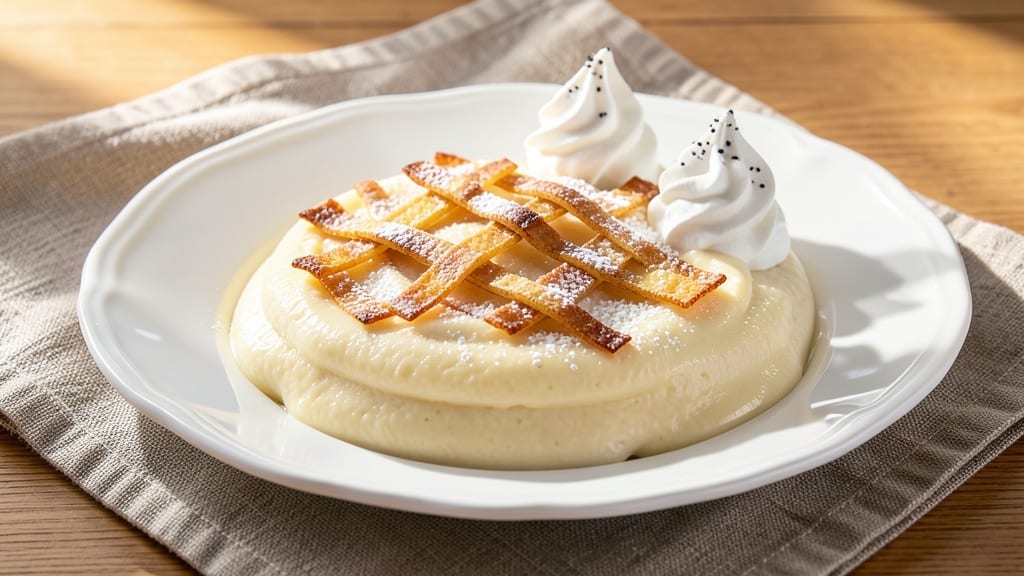
Creating potato mousseline transforms humble potatoes into an elegant, cloud-like side dish that feels like a restaurant specialty. This French classic combines whipped egg whites with velvety mashed potatoes, baked to perfection for a texture that's impossibly light yet rich.
I developed this recipe after struggling with lumpy mashed potatoes—until I discovered the secret of folding in egg whites at just the right temperature.
The result is a dish so delicate it practically dissolves on your tongue, yet sturdy enough to hold its shape when served. What sets this apart is the precise technique of whipping egg whites to stiff peaks and gently folding them into warm potatoes, ensuring no lumps remain.
The baking step adds a subtle golden finish while keeping the interior fluffy and moist.
Perfect for pairing with roasted meats or serving as a standalone vegetarian delight, this potato mousseline elevates any meal to restaurant-quality. The light, airy texture makes it a crowd-pleaser, and the optional garnish of parsley or butter adds a final touch of sophistication.
Ready in under an hour, it's the kind of side dish that turns ordinary dinners into special occasions.
Whether you're hosting a dinner party or simply want to impress with a refined side, this recipe delivers consistent, professional results every time. The key lies in patience and precision—two simple ingredients that make all the difference. Let's get started on creating your own cloud-like masterpiece.
Ingredients for potato mousseline
Four ingredients create restaurant-quality texture—potatoes, egg whites, butter, and patience.
| Ingredient | Amount | Notes |
|---|---|---|
| Russet Potatoes 🥔 | 2 lb | Peeled, cut into even chunks |
| Large Egg Whites 🥚 | 4 whole | Freshly separated, room temperature |
| Unsalted Butter 🧈 | ½ cup | Cold, cubed for even melting |
| Heavy Cream 🥛 | ¼ cup | Full-fat for maximum creaminess |
| Diamond Crystal Kosher Salt 🧂 | 1 tsp | Fine grain preferred for dissolving |
| Freshly Ground White Pepper 🌶️ | ½ tsp | Milder than black pepper |
| Granulated Sugar 🍬 | 1 tsp | For stabilizing egg whites |
| Fresh Parsley 🌿 | ¼ cup | Chopped, for garnish (optional) |
| Extra-Virgin Olive Oil 🫒 | 1 tbsp | For greasing baking dish |
Russet potatoes are your secret weapon here—their high starch content ensures that silky, velvety texture. Buy organic if possible—the skins stay on during prep, adding subtle earthiness. Most grocery stores carry them, but Whole Foods or Trader Joe's often have the freshest stock. Look for firm potatoes with no sprouts or soft spots. The egg whites? Freshness matters most—use them within 3 days of purchase. I separate mine over a bowl to catch any stray yolks, then chill the whites in the fridge until ready to whip. The butter should be cold and cubed—European-style butter like Plugrá works best for its higher fat content, but regular unsalted butter will do in a pinch.
No egg whites? Aquafaba from chickpea brine works as a substitute, though the texture will be slightly denser. The heavy cream can be swapped for half-and-half if you're watching fat content, but trust me on the full-fat version. Running out of sugar? A pinch of cream of tartar will stabilize the egg whites just as well. For the parsley, dried works in a bind, but fresh is worth the extra minute—it brightens up the dish beautifully. The olive oil for greasing? Any neutral oil will work, but extra-virgin adds a subtle fruity note that complements the potatoes perfectly.
This dish reheats beautifully—just pop it in the oven at 350°F for 10-15 minutes until warmed through. Portion into ramekins ahead of time for easy serving. Leftovers keep for 3-4 days in the fridge, though I've never had any last that long. For a make-ahead option, assemble the mousseline in a baking dish, cover tightly, and refrigerate for up to 24 hours before baking. The texture actually improves after chilling overnight, making it perfect for dinner parties.
Why You'll Love This Recipe
- No Peel, No Stress: I swear by this trick—just scrub those Russets and toss them in whole. The skins soften right in the boiling water, so you skip the peeling mess entirely. My hands stay clean, and the texture turns out perfectly fluffy.
- Creamy Without the Guilt: That heavy cream and butter combo makes this dish rich, but honestly? It’s not over-the-top heavy. The egg whites lighten it up just enough to feel balanced—like a hug from your grandma, but one that won’t weigh you down by lunch.
- Leftover Magic: Between us, this is my secret weapon for busy mornings. Reheat slices in the microwave for 30 seconds, and they’re crispy on the edges again. I’ve even tossed cold leftovers into a breakfast hash—works every time.
- Date Night Ready: Sure, it’s simple, but it feels fancy. Pipe it into a rustic shape, dot with extra butter, and bake until golden. Serve with a simple salad or roasted greens, and suddenly you’re hosting a dinner party without the stress. (Yes, even on a Tuesday night.)
Step-by-step instructions for potato mousseline
Here's how to transform humble russet potatoes into velvety, lump-free mousseline with perfect texture.
Cook the Potatoes Until Fork-Tender
Preheat your oven to 375°F. Toss the 2 lb russet potatoes (peeled and cut into even chunks) with 1 tablespoon extra-virgin olive oil, 1 teaspoon diamond crystal kosher salt, and ½ teaspoon freshly ground white pepper. Spread them on a rimmed baking sheet in a single layer.
Roast for 45-50 minutes until the potatoes are completely tender when pierced with a fork. You'll know they're done when the edges are slightly crispy and the inside offers no resistance. This method ensures even cooking and prevents the potatoes from turning gluey later in the process.
Mash the Potatoes to Silky Smoothness
Transfer the roasted potatoes to a large mixing bowl. Using a potato masher or fork, break them down into rough chunks. The goal here is to create a slightly lumpy texture - don't over-mash yet. This helps prevent the final mousseline from becoming too dense.
Gradually add the ½ cup unsalted butter (cold and cubed) and ¼ cup heavy cream while continuing to mash. The butter should melt into the warm potatoes, creating a rich, creamy base. The cream adds that signature velvety quality that sets mousseline apart from regular mashed potatoes.
Whip the Egg Whites to Stiff Peaks
In a separate, immaculately clean bowl, beat the 4 whole large egg whites with the 1 teaspoon granulated sugar using an electric mixer on high speed. Start on low and gradually increase to high as the whites begin to foam. This sugar addition stabilizes the egg whites and gives them structure.
Continue beating until the egg whites form stiff peaks that hold their shape when the beaters are lifted. The peaks should stand straight up, not flop over. This is crucial - under-whipped egg whites won't provide enough lift, while over-whipped ones can make the mousseline grainy. The process should take about 5-7 minutes total.
Fold Everything Together Gently
Using a rubber spatula, carefully fold one-third of the stiffly whipped egg whites into the potato mixture. This gradual incorporation prevents deflating the air you've worked so hard to create. The mixture will look slightly streaked at this point - that's normal and expected.
Continue folding in the remaining egg whites in two more additions, being careful to cut through the center and gently lift from the bottom. The goal is to maintain as much air as possible while fully incorporating the egg whites. You should end up with a light, airy texture that's still slightly lumpy - this is the signature mousseline texture.
Adjust Consistency and Serve
If the mousseline appears too thick, add 1-2 tablespoons of the potatoes' cooking water (if you saved any) or a splash of warm milk to reach your desired consistency. The mixture should be light enough to pipe but still hold its shape. Taste and adjust seasoning with additional salt or pepper if needed.
Transfer the finished mousseline to a serving dish and garnish with ¼ cup chopped fresh parsley if desired. Serve immediately while still warm - the texture will begin to firm up as it cools. This dish delivers that luxurious, creamy texture without a single lump in sight, making it perfect for both elegant dinners and comforting weeknight meals.
Pro Tips For Making Potato Mousseline
- Boil Until Fork-Tender: Russets are stubborn—don’t stop at "soft." Poke with a fork; if it glides in like butter, you’re golden. I used to pull them too soon, and the mousseline turned gummy. Trust the timer (20-25 mins) but verify with the fork test—no exceptions.
- Whip Egg Whites Cold: Room-temperature egg whites? Skip it. Chill the bowl and beaters first—cold whites whip stiffer and hold their volume longer. I learned this after a batch collapsed mid-folding. Save yourself the stress and the cleanup.
- Salt the Water Hard: Diamond Crystal kosher salt is lighter—use twice what you’d use for table salt (about 2 tablespoons per pound of potatoes). Under-salted water makes the potatoes bland, and no amount of seasoning later fixes it. Taste the water; it should sting your tongue.
- Fold Like You Mean It: The butter and cream need to disappear into the potatoes, not sit on top like a lazy garnish. Use a spatula to cut through the center of the bowl and fold in a "J" motion—repeat until no streaks remain. I used to give up halfway, and the texture suffered. Push through.
Essential equipment for great potato mousseline
Essential Mixing Tools
Your most important tool is a stand mixer with a whisk attachment—I use my KitchenAid Artisan Series for its powerful motor and stable base. The whisk attachment creates stiff peaks more efficiently than hand mixers, and the deep bowl prevents egg whites from splattering.
For smaller batches, a handheld electric mixer like the Cuisinart PowerAdapt works well, but be prepared to work in stages.
A rubber spatula is non-negotiable for folding egg whites into potatoes—its flexible edge helps cut through the mixture without deflating the air. I keep a heatproof silicone spatula nearby to scrape every last bit from the bowl.
Pro tip: Use a glass or metal bowl for whipping egg whites; plastic can introduce unwanted oils that prevent proper stiffening. 🥄
Baking Essentials
A 9x13-inch baking dish is ideal for serving, but individual ramekins (6-8 oz size) work beautifully for portion control. I prefer ceramic or stainless steel—they distribute heat evenly and prevent sticking.
Always grease your dish with extra-virgin olive oil (or butter) and dust with a light layer of flour to ensure the mousseline slides out effortlessly. For extra insurance, I line ramekins with parchment paper circles cut to fit.
An instant-read thermometer helps monitor the mousseline's internal temperature—aim for 160°F at the center before serving. This prevents overbaking, which can turn your cloud-like texture into a dense mass.
I also recommend a fine-mesh sieve for sifting egg whites if you're using older eggs, which helps remove any potential stabilizers that could interfere with whipping. 🌡️
Precision Measuring
Accurate measurements are everything in mousseline—use a digital kitchen scale for potatoes (aim for 900g total) and a precision measuring cup for liquids. I swear by my OXO Good Grips set for liquid ingredients, as its clear markings prevent spills.
For egg whites, use a large liquid measuring cup to ensure you're getting the full ¼ cup (60ml) per white. A microplane comes in handy for freshly grating white pepper, which adds a subtle, elegant finish.
Don't skimp on the granulated sugar—it's not just for sweetness, but for stabilizing those egg whites. I keep a small glass jar of sugar in my pantry for quick access, and I always use Diamond Crystal kosher salt (it dissolves more easily than table salt).
For the butter, a sharp chef's knife and cutting board help create even cubes that melt smoothly into the potatoes. 🧂
Optional Pro Upgrades
For restaurant-quality results, invest in a piping bag with a star tip—this lets you create elegant swirls on the plate. I use a Wilton 1M piping bag with a Wilton 122 tip for delicate rosettes.
A food processor can help mash potatoes to a smoother texture, but I prefer the rustic look of a potato ricer for its ultra-silky results. For serving, a slotted spoon helps transfer mousseline without breaking its delicate structure.
If you're making this ahead, a vacuum sealer preserves the texture for up to 3 days in the fridge. I also keep a small saucepan handy for gently reheating any leftover cooking water to adjust consistency.
And for that final touch, a pair of sharp kitchen shears makes quick work of chopping fresh parsley. 🌿
Nutrition facts
Frequently asked questions
Why does my potato mousseline turn out dense instead of light and airy?
Overmixing the egg whites or folding them too vigorously deflates the air bubbles, creating a dense texture. Always whip egg whites to stiff peaks and fold them gently with a rubber spatula. The potatoes should also be warm (not hot) when combined with egg whites to maintain that signature fluffiness.
Can I make potato mousseline ahead of time?
Yes! Assemble the mousseline in a baking dish, cover tightly, and refrigerate for up to 24 hours before baking. The texture actually improves after chilling, making it perfect for dinner parties. Just bake as directed, adding 5-10 extra minutes if chilled.
What’s the difference between potato mousseline and regular mashed potatoes?
Mousseline gets its signature texture from whipped egg whites folded into warm mashed potatoes, creating a light, cloud-like consistency. Regular mashed potatoes rely on butter and cream for creaminess but lack the airy lift. The baking step in mousseline also adds a subtle golden finish that sets it apart.
Can I substitute egg whites with something else?
Aquafaba (chickpea brine) works as a vegan alternative, but the texture will be slightly denser. Use ¼ cup aquafaba per egg white and whip to stiff peaks. For stability, add ½ teaspoon cream of tartar to the aquafaba before whipping. The result won’t be identical but still delicious!
How do I fix lumps in my potato mousseline?
Lumps usually happen from overmashing or under-whipped egg whites. If you spot lumps after folding, gently press them through a fine-mesh sieve or use a potato ricer for a silky finish. For prevention, mash potatoes to rough chunks before adding egg whites and fold in just one-third of the whites at a time.