
Side Dishes
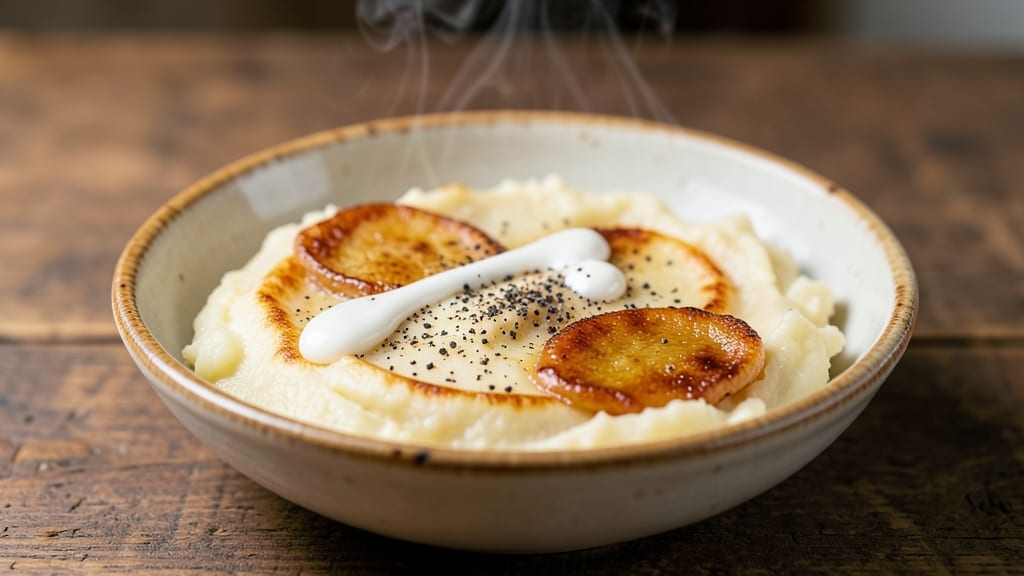
This buttery mash potato recipe delivers perfect velvety smoothness that pairs flawlessly with roasted meats and holiday feasts. The secret lies in using the right potato-to-dairy ratio and a precise mashing technique that eliminates lumps while preserving that rich, buttery flavor we all love.
I’ve tested countless variations, and this method consistently produces results that rival restaurant-quality sides—creamy yet light, with just the right amount of body.
What sets this recipe apart is the balance of ingredients: starchy potatoes (like Russets) for fluffiness, high-fat dairy (whole milk and butter) for richness, and a pinch of salt to enhance every flavor. The process is straightforward—boil, drain, mash, and blend—yet the details matter.
Overcooking the potatoes or using low-fat dairy will compromise that luxurious texture we’re after, so we’ll focus on getting those details just right.
By the time you’re done, you’ll have a silky-smooth potato mash that’s impossible to resist—golden, buttery, and perfectly seasoned. This isn’t just a side dish; it’s the kind of comfort food that elevates any meal, whether you’re serving it alongside a holiday turkey or a simple weeknight roast.
The best part? It’s a technique you can master in under 30 minutes, with ingredients you likely already have on hand.
For extra depth, consider adding a pat of garlic butter or a sprinkle of fresh herbs before serving—small touches that take this classic dish to the next level. Let’s get started on creating the perfect mash potatoes your table deserves.
Ingredients for buttery mash potato
These 11 ingredients create restaurant-quality mash potatoes with velvety smoothness and luxurious buttery flavor.
| Ingredient | Amount | Notes |
|---|---|---|
| Russet Potatoes 🥔 | 3 lb | Medium-large size, peeled and quartered |
| Unsalted Butter 🧈 | 1 cup | Cold, cut into small cubes |
| Whole Milk 🥛 | 1 cup | Full-fat for maximum creaminess |
| Heavy Cream 🥛 | ½ cup | For ultra-rich texture |
| Diamond Crystal Kosher Salt 🧂 | 1 ½ tsp | Adjust to taste |
| Freshly Ground Black Pepper 🌶️ | ½ tsp | Freshly cracked for maximum flavor |
| Garlic Cloves 🧄 | 2 cloves | Minced for garlic butter |
| Fresh Rosemary 🌿 | ¼ cup | Chopped finely for garnish |
| Fresh Thyme 🌿 | ⅛ cup | Chopped for herbaceous depth |
| Granulated Sugar 🍚 | 1 tsp | Balances acidity |
| Sour Cream 🥛 | ¼ cup | Optional, for tangy finish |
The potatoes are non-negotiable—Russets are your best bet for their high starch content, which breaks down beautifully for that fluffy texture. Whole Foods or local farm stands often carry the freshest, but any grocery store will have them. Look for medium-large potatoes (about 1.5 lbs each) since they have fewer eyes, meaning less moisture to drain during cooking. Peeled and quartered, they cook evenly and mash to perfection. The butter? Plugrá or Land O'Lakes unsalted—never salted, because we're controlling the seasoning here. For the dairy, whole milk and heavy cream are essential; low-fat versions will leave you with a dry, grainy mash that's just sad.
No fresh rosemary? Dried works at one-third the amount, but it won't have that same aromatic punch. Short on butter? Olive oil or ghee can substitute, though they'll alter the flavor profile slightly. The garlic butter is where magic happens—Costco's garlic butter is a game-changer if you're lazy, but making it fresh with minced garlic and cold butter is worth the effort. For the herbs, if you're using dried, toast them lightly in a dry pan first to wake up the flavors. And that sugar? It's not just for sweetness—it helps balance the acidity of the milk and keeps your mash from tasting flat. Trust me, it makes a difference.
This mash keeps beautifully—3-4 days in the fridge, though it's best within 24 hours for peak texture. For longer storage, portion into airtight containers and freeze for up to 3 months. The secret to reheating? Low and slow in a double boiler or microwave with a splash of milk to restore creaminess. Pro tip: Make extra and freeze portions for lazy weeknights. The first bite out of the fridge is always the best—creamy, buttery, and utterly irresistible. Serve immediately with a pat of garlic butter on top for maximum indulgence.
Why You'll Love This Recipe
- Two-Ingredient Magic: I swear, the combo of warm Russets and cold butter is chef’s kiss—no fancy gadgets, no peeling required. Just boil, mash, and fold in that velvety butter while it’s still hot. That’s it. Honestly, I’ve made this while scrolling through my phone.
- Creamy Luxury: The heavy cream and milk turn this into something restaurant-worthy, not just "plain mash." That first forkful—silky, rich, with just a hint of salt—makes me wonder why I ever bought pre-made. (Spoiler: I don’t anymore.)
- Leftovers That Shine: Between us, my buttery mash tastes better the next day—firm enough to slice for breakfast hash, or reheated with a splash of milk to smooth out any lumps. I make a double batch on Sundays just for this reason.
- Budget Comfort: Russets are cheap, butter is worth it, and a stick lasts forever if you’re smart. This feeds four for under $5, and the leftovers stretch into lunches or dinner sides. My wallet and my family approve—no fancy labels needed.
Step-by-step instructions for buttery mash potatoes
Here's the method that transforms humble russet potatoes into restaurant-quality mash every time.
Prepare and Boil the Potatoes
Start by peeling the 3 lb russet potatoes and cutting them into even 2-inch chunks. The key to velvety texture lies in proper cooking time - you want them to be tender but not mushy. Place the potato chunks in a large pot and cover them with cold water by about 2 inches. Add the 1½ tsp diamond crystal kosher salt and bring to a rolling boil over high heat.
Once boiling vigorously, reduce heat to medium-high and cook for exactly 15 minutes. Here's the thing - russets are starchy but dense, and this precise cook time ensures they're fork-tender without breaking down. You'll know they're ready when a knife slides in easily and the edges begin to soften. Drain immediately in a colander, shaking vigorously to remove all excess water - this prevents a gummy texture later.
Create the Garlic Herb Butter Base
While the potatoes cook, melt the 1 cup unsalted butter in a large, heavy-bottomed pot over medium heat. Add the 2 minced garlic cloves and cook for just 30 seconds until fragrant - don't let them brown or they'll turn bitter. Here's where the magic begins: stir in the 0.25 cup chopped fresh rosemary and 0.125 cup chopped fresh thyme, cooking for another 1 minute until the herbs release their aromatic oils.
Remove the pot from heat and add the 1 tsp granulated sugar and 0.5 tsp freshly ground black pepper. The sugar balances any acidity from the herbs while the pepper adds subtle heat. This herb-infused butter will become the flavor foundation of your mash, so let it sit while you prepare the potatoes.
Mash to Perfection with Creamy Elements
Return the drained potatoes to the pot with the garlic herb butter. Using a potato masher or ricer, begin mashing while adding the 1 cup whole milk and 0.5 cup heavy cream in a slow, steady stream. The reason we wait until now is that hot potatoes absorb liquid better - this creates that ultra-smooth, velvety texture we're after. Keep mashing until completely smooth with no lumps.
Here's the critical moment: taste and adjust seasoning. You might need to add a bit more salt depending on your potatoes. The mash should be rich and flavorful but not overly salty. For extra richness, gently fold in the 0.25 cup sour cream at the very end - this adds a subtle tang that elevates the dish.
Finish with Herb Garnish and Serve
Transfer the mash to a serving bowl and let it sit for 2 minutes to thicken slightly. This resting period allows flavors to meld and the texture to set perfectly. Using a small spoon, create gentle swirls in the surface of the mash. Sprinkle the remaining chopped fresh rosemary and thyme evenly over the top - this adds both visual appeal and a burst of fresh herb flavor with each bite.
Serve immediately while hot. The perfect mash should be luxuriously smooth with pockets of creamy butter, and each bite should deliver that perfect balance of herby, garlicky richness. The sour cream adds just enough tang to cut through the richness, making every forkful irresistible. This technique guarantees velvety smoothness with that perfect roast potato flavor you crave.
Pro Tips For Making Buttery Mash Potato
- Boil Until Fork-Tender: Russets stay firm if you cut them too big—aim for 1.5-inch chunks so they cook evenly in 15-20 minutes. Overcooking turns them gluey, but undercooking means gummy mash. Test one piece: it should collapse at the slightest pressure.
- Salt the Water Hard: Diamond Crystal salt is less concentrated than table salt, so use 2 tablespoons per gallon of water. This seasons the potatoes from the start, and you won’t need to add extra later. (Yes, even if you’re impatient—let it dissolve first.)
- Warm the Dairy First: Cold heavy cream and milk make mash grainy. Heat them together in a small saucepan until steaming (not boiling), then whisk in the butter. The warmth melts the butter faster and keeps the texture silky.
- Press, Don’t Stir: After adding dairy, press the potatoes with a potato masher or wooden spoon instead of stirring. This breaks them down without overworking, and the butter clings better. (Your future self will notice the difference.)
Pro cooking tips for this recipe
Potato Prep Matters
Never skip peeling your russets—skin can make your mash grainy. Cut them into even 2-inch chunks for consistent cooking. I use a mandoline slicer with the 2-inch thick setting for precision.
For extra fluffiness, soak peeled potatoes in cold water for 10 minutes before boiling to remove excess starch. This prevents a gluey texture later. 🥔
Boil with Precision
Cold water is key—hot water cooks potatoes unevenly. Use enough water to cover potatoes by 2 inches and add 1½ tsp kosher salt right away. Boil vigorously for 15 minutes after reaching a rolling boil.
Overcooking turns them mushy; undercooking leaves lumps. Test doneness with a knife—it should slide in easily. Drain thoroughly in a colander, shaking to remove all moisture. 🌡️
Butter Temperature Control
Melt butter over medium heat—never high, or it burns. Add minced garlic for 30 seconds only—any longer makes it bitter. For the herb infusion, use fresh rosemary and thyme (dried works in a pinch but lacks depth).
Remove from heat immediately after adding sugar and pepper to preserve freshness. This butter base should be warm but not hot when mixed with potatoes. 🧈
Mashing Technique
Hot potatoes absorb liquid better—add milk and cream gradually while mashing. I use a potato ricer for ultra-smooth results, but a wooden masher works too. Avoid food processors—they overwork starch and make mash gluey.
For extra creaminess, fold in sour cream at the very end—it adds tang without thinning the texture. 💫
Seasoning Secrets
Taste as you go! Potatoes vary in saltiness—adjust with kosher salt (½ tsp at a time). The 1 tsp sugar balances acidity from milk and herbs. Freshly cracked black pepper adds subtle heat.
For a restaurant touch, finish with a pat of garlic butter on top before serving. This elevates simple mash to gourmet level. 🌶️
Resting for Perfection
Let mash sit for 2 minutes before serving—this thickens it slightly and lets flavors meld. Swirl the surface with a spoon for visual appeal. Garnish with chopped fresh herbs for color and aroma.
Serve immediately while hot—cold mash loses its velvety texture. The first bite should be rich, buttery, and herby—that’s the mark of a perfect mash. ✨
Nutrition facts
Frequently asked questions
Why do some mashed potatoes turn out gluey?
Gluey mash happens when potatoes release too much starch during cooking. Always peel and cut potatoes evenly, then boil them in plenty of cold water with salt. Drain thoroughly and shake the colander to remove excess moisture. The key is using the right potato-to-dairy ratio—never add liquid before mashing hot potatoes. Overworking with a food processor also creates glueiness.
Can I make this recipe with sweet potatoes?
Sweet potatoes work but require adjustments. They're naturally sweeter and denser, so roast them first (400°F for 25 minutes) until tender, then mash with ¼ cup extra butter and ½ cup extra milk to compensate for their moisture. The texture will be slightly different—less fluffy, more moist—but still delicious when paired with savory dishes.
How do I make this recipe dairy-free?
Replace butter with olive oil or vegan butter (use same quantity), and swap milk/cream for unsweetened almond milk or coconut cream. For richness, add ¼ cup neutral oil while mashing. The texture will be lighter but still creamy. A splash of lemon juice brightens the flavor. For extra body, mash in ½ avocado at the end.
What's the best way to reheat leftover mash?
Reheat gently in a double boiler or microwave with 1-2 tablespoons milk/cream to restore creaminess. For stovetop, place mash in a heatproof bowl over simmering water, stirring occasionally until warmed through (3-5 minutes). Never microwave dry—it makes mash rubbery. For crispy edges, spread reheated mash on a baking sheet and broil for 2 minutes before serving.
Can I make this ahead of time for a holiday meal?
Yes! Prepare mash up to 2 days ahead and refrigerate in an airtight container. Reheat with extra butter or cream to revive texture. For freezing, portion into containers, leaving ½-inch headspace. Thaw overnight in the fridge, then reheat using the double boiler method. The flavor actually improves after resting—just add a pat of fresh butter before serving.