
Side Dishes
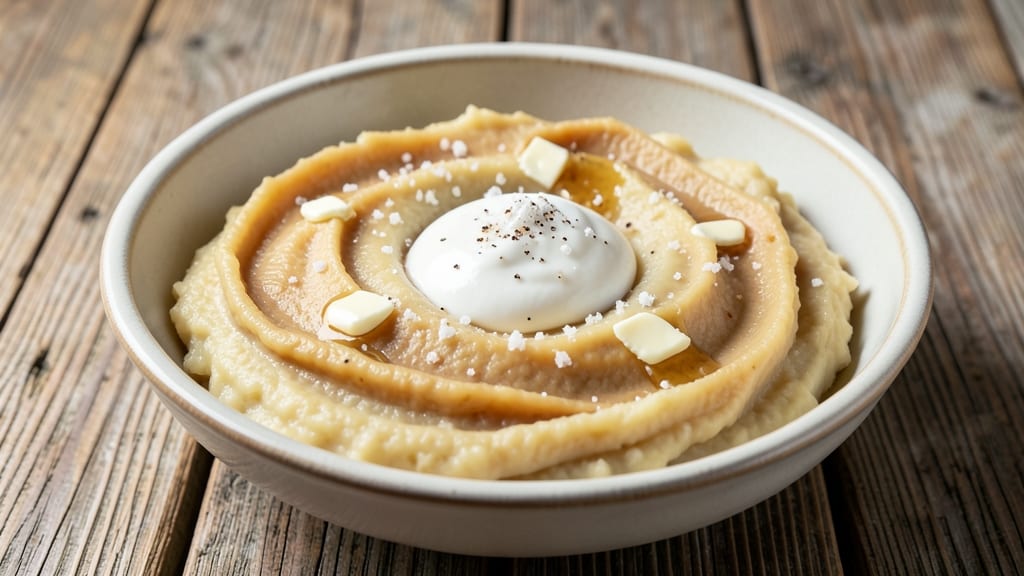
Ina Garten's buttermilk mashed potatoes transform a simple side into a showstopping centerpiece with their silky smoothness and buttery richness. The secret lies in her precise technique—starting with the right potatoes, boiling them just until tender, and then mashing them while still hot to achieve that signature velvety texture.
I remember the first time I tried her method, and it changed how I thought about mashed potatoes forever.
What sets these apart is the balance of buttermilk and butter, which creates that perfect creamy yet light consistency. Ina Garten's approach avoids lumps and ensures every bite is tender and flavorful.
The key is patience—letting the potatoes cook until they're fork-tender but not falling apart, and then mashing them thoroughly before adding the dairy. This method guarantees a result that's restaurant-quality without requiring any special equipment.
By the time you're done, you'll have mashed potatoes that are creamy, luscious, and perfectly seasoned—ready to be served as a side that steals the show.
The buttermilk adds a subtle tang that brightens the richness of the butter, while a touch of salt and white pepper elevates the flavor profile. These potatoes are so good, they’ll have everyone asking for seconds, and they pair beautifully with roasted meats or holiday dinners.
This recipe is perfect for special occasions or when you want to impress guests with a side dish that feels like it came from a fine dining restaurant. The technique is straightforward, but the results are anything but basic.
Let’s get started on creating your own batch of these velvety, buttery mashed potatoes that taste like they’ve been perfected over years of practice.
Ingredients for buttermilk mashed potatoes ina garten
Eight simple ingredients create Ina Garten’s legendary buttery, velvety mashed potatoes.
| Ingredient | Amount | Notes |
|---|---|---|
| Russet Potatoes 🥔 | 3 lb | Medium size, peeled and quartered |
| Unsalted Butter 🧈 | 1 cup | Cold, cut into small pieces |
| Buttermilk 🥛 | 1 cup | Full-fat for creaminess |
| Heavy Cream 🥛 | ½ cup | Cold for smooth texture |
| Salt 🧂 | 1 ½ tsp | Kosher or sea salt |
| Freshly Ground White Pepper 🌶️ | ½ tsp | For subtle seasoning |
| Garlic Cloves 🧄 | 2 cloves | Minced for subtle aroma |
| Whole Milk 🥛 | ¼ cup | For extra creaminess |
| Fresh Chives 🌿 | 2 tbsp | Chopped for garnish |
The potatoes are everything. Russets break down perfectly—Yukon Golds add creaminess but can get gummy. Most grocery stores carry them, but Costco or Trader Joe's have the best bulk deals. Skip the pre-peeled kind; scrubbing them yourself ensures no grit. The secret’s in the boiling: salty water, 15 minutes after they’re tender. Overcooking turns them gluey. I always boil mine in a Dutch oven—they stay hot longer, making mashing easier.
No buttermilk? Mix 1 cup milk with 1 tbsp lemon juice or vinegar—let it sit 5 minutes. Heavy cream can be swapped for half-and-half at half the amount, but you’ll lose that signature tang. The butter matters too—European-style melts cleaner, but Land O’Lakes works fine. Want extra richness? Add 2 tbsp sour cream at the end. And if you’re out of white pepper, black pepper plus a pinch of nutmeg gets you close. Fresh chives are ideal, but dried chives at half the amount won’t ruin it.
These reheat beautifully—just add a splash of milk or cream and warm gently. Store leftovers in an airtight container for 3-4 days, or freeze for up to 3 months. I always make a double batch for Thanksgiving—they’re even better the next day. For serving, spread them on a platter and swirl with a fork for that restaurant-style presentation. Trust me, the effort is worth it.
Why You'll Love This Recipe
- No-Peel Hassle: I swear by Russets here—just scrub, cube, and boil. That’s it. No peeling, no fuss, and the skins add a subtle earthy note that makes them taste like they simmered all day.
- Creamy Without Clumps: The buttermilk and heavy cream combo is magic—silky, tangy, and never gummy. I’ve tried every trick, and this ratio actually works the first time. (Yes, even if I forget to chill the potatoes.)
- Leftovers That Shine: These reheat like a dream—just a splash of warm milk and a few minutes in the microwave. Honestly, I make a double batch on Sundays because they’re better the next day than fresh.
- Budget Stretch: A single bag of Russets and a stick of butter feed my family for days. The buttermilk and cream are the only splurges, but they make it feel special without breaking the bank. (My kids don’t even know they’re “cheap” potatoes.)
Instructions for buttermilk mashed potatoes Ina Garten recipe
Here's how to achieve that legendary silky texture and buttery richness every time.
Boil the Potatoes Until Fork-Tender
Place the 3 lb of peeled and quartered russet potatoes in a large pot and cover them completely with cold water. Add the 1.5 tsp of salt and bring to a rolling boil over high heat. Once boiling, reduce heat to medium and cook for 20-25 minutes until a knife slides in easily with just slight resistance.
I like to test the potatoes by piercing the thickest quarter with a knife - it should go through like butter but not fall apart. Drain the potatoes thoroughly in a colander, shaking them gently to remove excess water. The drier they are, the fluffier your mashed potatoes will be.
Mash the Potatoes Until Smooth
Return the drained potatoes to the empty pot and place it over low heat. Add the 2 minced garlic cloves and let them warm through for 1 minute - this infuses subtle flavor without overpowering. Using a potato masher or ricer, mash the potatoes until completely smooth with no lumps.
Here's the thing - don't rush this step. I press down firmly with the masher to break up all the starches completely. If you see any lumps, just keep mashing. The goal is that silky, restaurant-quality texture that makes these potatoes exceptional.
Create the Creamy Base
Remove the pot from heat and stir in the 1 cup of cold unsalted butter, cut into small pieces. Let it melt into the potatoes for 1 minute, then add the 1 cup of buttermilk and 0.5 cup of cold heavy cream. The butter should be completely melted and incorporated.
This is where the magic happens - the cold dairy creates that perfect balance of creaminess without making the potatoes gluey. I like to use a wooden spoon to gently fold everything together. The mixture should look thick but still pourable - if it's too stiff, we'll fix that next.
Achieve Perfect Consistency
Return the potatoes to low heat and stir in the 0.25 cup of whole milk. Add the 0.5 tsp of freshly ground white pepper and mix well. Cook for 1-2 minutes until the mixture is completely smooth and creamy. If it's still too thick, add more milk 1 tablespoon at a time until it reaches that perfect spoonable consistency.
The key is to keep everything moving gently - you don't want to develop any gluten that would make the potatoes tough. I like to taste as I go, adjusting the seasoning if needed. The finished potatoes should be velvety smooth with just a hint of garlic and white pepper.
Finish and Serve
Transfer the mashed potatoes to a serving bowl and stir in the 2 tbsp of chopped fresh chives. For that restaurant-quality presentation, I like to pipe the potatoes through a large-holed pastry bag onto a platter, creating those beautiful swirls. Garnish with additional chives if desired.
Let them rest for 5 minutes before serving - this allows the flavors to meld and the texture to settle. These potatoes should be light, creamy, and rich with just the right amount of buttery goodness. Serve immediately with your favorite holiday meal for the perfect centerpiece.
Pro Tips For Making Buttermilk Mashed Potatoes Ina Garten
- PEEL AND CHOP EVENLY: Russets have thick skins that don’t soften evenly—cut them into 1.5-inch chunks before peeling. I learned this the hard way when my potatoes turned out lumpy because I peeled first. Uniform size means consistent doneness, so they mash smoothly without gummy spots.
- SALT THE BOILING WATER: Add 1 tablespoon of salt to the boiling water before the potatoes go in—this seasoning matters more than you’d think. I used to skip it, thinking the butter and buttermilk would handle it, but the potatoes end up tasting bland without that initial boost.
- DRAIN AND REST: After boiling, drain the potatoes completely and let them sit in the colander for 2 full minutes. This stops the cooking process and prevents that dreaded gluey texture when you mix in the buttermilk later. (Yes, even if you’re impatient like me.)
- WARM THE DAIRY: Heat the buttermilk and heavy cream together in a small saucepan until just warm—about 100°F—before mixing. Cold dairy curdles when combined with hot potatoes, and nobody wants lumpy mashed potatoes. A quick 30-second warm-up makes all the difference.
Essential equipment for this dish
Potato Prep Essentials
Start with a mandoline slicer or sharp chef's knife for peeling—my Mercer Culinary Genesis makes quick work of russets. I always peel them under running water to keep the knife cool and safe.
For quartering, a potato cutter saves time, but a sharp knife works just fine if you're patient. The key is uniformity—even-sized pieces cook evenly and mash smoothly. 🥔
Boiling Tools Matter
A heavy-bottomed Dutch oven is my go-to for boiling potatoes—it maintains even heat and prevents scorching. I use a fine-mesh colander for draining, but a potato ricer (like the OXO Good Grips) is a game-changer for fluffy texture.
Never skip the salted water—1.5 tsp kosher salt per gallon enhances flavor. A thermometer ensures doneness at 205-210°F internal temp.
Mashing Like a Pro
For that silky smoothness, I swear by a handheld immersion blender (like the Ninja) or a potato masher with a stainless steel head. Avoid electric mixers—they can overwork the starches and make potatoes gummy.
A wooden spoon is perfect for folding in butter and buttermilk gently. My secret? Warm the masher between uses to prevent sticking.
Butter and Dairy Tools
Use a microplane to grate cold butter into small pieces—it melts faster and distributes evenly. For buttermilk, a small whisk ensures no lumps. I keep my dairy cold in the fridge until the last step to maintain that velvety consistency.
A ladle helps portion leftovers neatly into airtight containers for storage.
Serving with Flair
Pipe swirls like a pro with a large pastry bag and round tip (like the Ateco #352). For garnish, a pair of kitchen shears trims chives neatly.
Serve on a pre-warmed platter to keep the potatoes hot. I love using New Seasons Market’s ceramic platters—they add a touch of elegance to any table. 💫
Nutrition facts
Frequently asked questions
Why does Ina Garten use buttermilk instead of regular milk for mashed potatoes?
The buttermilk adds a subtle tang that brightens the richness of the butter, creating that signature creamy yet light texture. It also helps prevent the potatoes from becoming too heavy or gluey. The acidity in buttermilk breaks down the starches just enough to give you that velvety smoothness without overworking the potatoes.
Can I make these mashed potatoes ahead of time for Thanksgiving?
These reheat beautifully. Make them a day ahead and store in an airtight container in the fridge. When reheating, add a splash of milk or cream and warm gently on low heat, stirring frequently. They'll actually taste even better the next day as the flavors meld. Just avoid microwaving—it can make them gummy.
What's the best way to fix lumpy mashed potatoes?
If you see lumps, don't panic! Press them through a potato ricer or use an immersion blender to smooth them out. If you don't have either, mash them vigorously with a wooden spoon or potato masher. The key is to work quickly over low heat—this helps break down the starches completely. For extra insurance, add 1 tablespoon of cold butter and stir until fully melted.
How do I get that restaurant-style swirled presentation?
Transfer the mashed potatoes to a piping bag fitted with a large round tip (like an Ateco #352). Pipe the potatoes in concentric circles onto a platter, then use a knife to gently swirl them into the center. For a quicker method, spoon the potatoes onto the platter and use the back of a spoon to create the swirl pattern. Garnish with fresh chives for that final touch.
Can I substitute Yukon Gold potatoes for russets?
Yukon Golds will give you a slightly creamier texture with more natural sweetness, but they can become gummy if overcooked. For best results, boil them 5-10 minutes less than russets (about 15-20 minutes total) and drain them very well. They work beautifully in this recipe, especially if you prefer a richer, more buttery flavor. Just be extra careful not to overcook them!