
Side Dishes
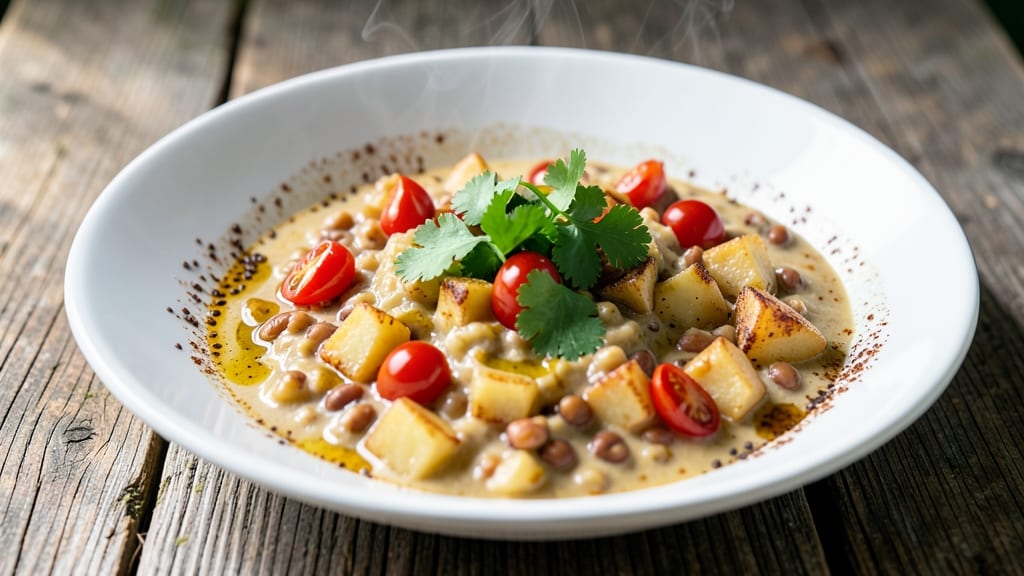
This potato dahl recipe transforms humble ingredients into a warm, spiced one-pot wonder that feels like a hug in a bowl. The secret lies in slow-simmered lentils and tender potatoes bathed in aromatic spices, creating a dish that's both comforting and restaurant-worthy.
I've perfected this version to balance earthy flavors with subtle sweetness, making it a staple for vegetarian meals that never feel like a compromise.
The foundation begins with lentils—soaked overnight for maximum tenderness—and a tadka (spice tempering) that layers warmth through cumin, mustard seeds, and curry leaves. Potatoes join later, absorbing the rich, spiced broth until they're fork-tender.
This method ensures every bite delivers complex flavor without requiring advanced techniques, making it approachable yet impressive.
What you'll end up with is a velvety, golden-hued dahl where potatoes melt into the lentil base, creating a satisfying texture. The spices—gentle yet bold—infuse the dish with depth, while a final touch of lemon brightens the richness.
Serve with basmati rice or crusty naan for the full experience, and prepare to have your go-to vegetarian comfort dish.
Whether you're cooking for a family dinner or meal prepping for the week, this recipe delivers consistent results every time. The slow simmer develops flavors that store-bought versions can't match, proving that comfort food doesn't require shortcuts—just patience and the right technique. Let's get cooking!
Ingredients for potato dahl
Fifteen ingredients crafting restaurant-quality comfort in one pot - no shortcuts needed.
| Ingredient | Amount | Notes |
|---|---|---|
| Red Lentils 🍲 | 1 ½ cups | Rinsed thoroughly before use |
| Russet Potatoes 🥔 | 2 medium | Peeled and cubed evenly |
| Yellow Onion 🧅 | 1 whole | Finely chopped for tadka |
| Garlic Cloves 🧄 | 6 cloves | Minced for aromatic base |
| Ginger 🌿 | 1 inch | Freshly grated, peeled |
| Coconut Oil 🫒 | ¼ cup | For authentic tadka flavor |
| Cumin Seeds 🌶️ | 1 tbsp | Toasted until fragrant |
| Mustard Seeds 🌶️ | ½ tbsp | Lightly toasted first |
| Curry Leaves 🌿 | ¼ cup | Fresh, lightly crushed |
| Ground Cumin 🌿 | 1 tbsp | Freshly ground preferred |
| Ground Coriander 🌶️ | 1 tbsp | For earthy depth |
| Turmeric Powder 🧂 | 1 tsp | Bright yellow color |
| Garam Masala 🌶️ | 1 tbsp | Freshly ground blend |
| Coconut Milk 🥥 | 1 can | Full-fat for richness |
| Fresh Lemon Juice 🍋 | 2 tbsp | Brightens final flavor |
| Salt 🧂 | 1 ½ tsp | Diamond Crystal preferred |
| Fresh Cilantro 🌿 | ¼ cup | Chopped for garnish |
The lentils and potatoes form the heart of this dish, so quality matters. Red lentils from a bulk bin at Whole Foods or Trader Joe's ensure consistent texture, while Russet potatoes should be firm and free of sprouts. For the tadka, coconut oil is non-negotiable—it carries the spice flavors beautifully. Fresh curry leaves elevate the dish beyond standard curry blends, available at Indian grocery stores or online spice retailers like Burlap & Barrel. The garlic and ginger should be vibrant and pungent—no yellowing or soft spots allowed.
No fresh curry leaves? Dried curry powder at half the amount works in a pinch, though it lacks the authentic aroma. Substitute vegetable broth for coconut milk if needed, though the dish will be lighter. The coconut milk can should be full-fat for optimal creaminess—light versions won't develop the same richness. For extra depth, toast the cumin seeds and mustard seeds in a dry pan until they pop before adding to the tadka. The turmeric and coriander can be swapped for curry powder if unavailable, though the flavor profile will differ slightly.
Store the cooked dahl in an airtight container for up to 5 days in the refrigerator, though it tastes best within 2-3 days as flavors meld. For longer storage, freeze portions for up to 3 months. The fresh cilantro should be added just before serving to preserve its bright flavor. This dish reheats beautifully—simmer gently on the stove with a splash of water to restore its velvety texture. The garam masala can be made at home by blending cumin, coriander, cardamom, and cinnamon, but store-bought blends work perfectly for convenience.
Why You'll Love This Recipe
- Here’s what sold me: the Russets break down into fluffy chunks while the lentils thicken the sauce naturally. That earthy, spiced richness? Zero dairy needed.
- One-Pot Magic: I swear by this recipe when I’m too tired to wash another pot. The lentils and potatoes soften together in the same broth—no chopping, no fuss, just simmer and stir.
- Creamy Without Cream: Here’s what sold me: the Russets break down into fluffy chunks while the lentils thicken the sauce naturally. That earthy, spiced richness? Zero dairy needed.
- Lunchbox Hero: Between us, this is my go-to for packed lunches. The flavors only get better after a day in the fridge, and it reheats like a dream—no soggy potatoes here.
Step-by-step instructions for potato dahl
This one-pot wonder delivers hearty, aromatic comfort with minimal effort.
Prepare the Tadka Base
Heat the 0.25 cup coconut oil in a heavy-bottomed pot over medium heat. Add the 1 tablespoon cumin seeds and 0.5 tablespoon mustard seeds, stirring constantly until they sizzle and pop—about 30 seconds. This is the foundation of flavor, so don't rush it.
Next, add the 0.25 cup curry leaves and the 1 whole yellow onion, finely chopped. Cook for 5-6 minutes until the onion softens and releases its sweet aroma. Here's the thing—if the onion starts to brown too quickly, reduce the heat slightly to prevent burning. You want golden, not charred.
Stir in the 6 cloves garlic cloves and 1 inch ginger, freshly grated. Cook for 1-2 minutes until fragrant—this ensures the garlic doesn't turn bitter. The mixture should smell like a warm spice market, earthy and inviting. This aromatic base will infuse every bite of your dahl.
Build the Spice Foundation
Add the 1 tablespoon ground cumin, 1 tablespoon ground coriander, and 1 teaspoon turmeric powder to the pot. Stir vigorously for 30 seconds to toast the spices and deepen their flavor. You'll see the mixture darken slightly—that's the magic happening.
Pour in 4 cups water (just enough to cover the ingredients) and bring to a gentle boil. Once boiling, add the 1.5 cups red lentils and 2 medium russet potatoes, peeled and cubed evenly. The lentils should expand to about twice their size, and the potatoes will soften as they cook.
Reduce the heat to low and let it simmer uncovered for 20-25 minutes. Stir occasionally to prevent sticking. You'll know it's ready when the potatoes are tender and the lentils are breaking down—this creates that signature creamy texture. If the mixture looks too thick, add ½ cup water to maintain consistency.
Finish with Coconut Milk and Brighten
Stir in the 1 can coconut milk and 1 tablespoon garam masala. Simmer for an additional 5 minutes to let the flavors meld. The garam masala adds warmth and complexity, while the coconut milk introduces a velvety richness that balances the earthy spices.
Taste and adjust the seasoning with the 1.5 teaspoons salt. The dish should be well-seasoned but not overwhelming. Here's where it gets fun—add the 2 tablespoons fresh lemon juice and stir. This brightens the entire dish, cutting through the richness and adding a refreshing finish. The lemon juice also prevents the coconut milk from curdling.
Remove from heat and let it sit for 5 minutes. This resting period allows the flavors to settle and the spices to infuse fully. Garnish with the 0.25 cup fresh cilantro, chopped finely. The cilantro adds a fresh contrast to the warm spices and creamy texture, making each bite vibrant.
Serve with Warm Accompaniments
Ladle the potato dahl into bowls and serve immediately. The comfort of this dish lies in its simplicity—warm, creamy, and packed with flavor. Pair it with steamed basmati rice or naan bread to soak up every last drop of the luscious sauce.
Real talk: the leftovers taste even better the next day. The flavors deepen as the spices continue to mingle, making this a perfect meal-prep friendly dish. Store in an airtight container in the refrigerator for up to 3 days, or freeze for 3 months for a quick, comforting meal on busy nights.
Pro Tips For Making Potato Dahl
- SOAK LENTILS 10 MINUTES: I learned this the hard way—skipping the soak means lentils turn to mush and your dahl loses texture. Just rinse them in cold water, let sit for 10 minutes, then drain. The starch stays controlled, and the potatoes don’t turn to glue.
- CUT POTATOES SMALL: Russets break down fast in liquid, so dice them no bigger than 1-inch chunks—smaller if you’re impatient. Big pieces get gummy; tiny ones absorb flavor evenly. (Yes, even if you’re in a hurry, resist the urge to eyeball it.)
- SWEAT ONIONS LOW: After burning three batches, I finally figured out: cook onions on medium-low until they’re translucent and just starting to soften. High heat caramelizes them too fast, and your dahl ends up tasting bitter. Slow wins here.
- ADD POTATOES LAST: My grandmother swore by this, and she was right: toss potatoes in only after lentils have simmered 10 minutes. They’ll cook faster, stay firm, and soak up less liquid—no more watery dahl. (Your future self will thank you.)
Flavor customization for potato dahl
Spicy Heat Boost
For a fiery kick, add 1 teaspoon Kashmiri red chili powder during the tadka step—it delivers heat with a subtle sweetness. I also recommend ½ teaspoon cayenne pepper when adding the ground spices, but taste first! For a smoky depth, include ½ teaspoon smoked paprika with the garam masala. 🌶️
Sweet Caramelized Depth
Balance the spices with natural sweetness by caramelizing 1 cup diced sweet potatoes in 1 tablespoon ghee for 10 minutes before adding them to the dahl. Alternatively, stir in 1 tablespoon jaggery or brown sugar during the final simmer for a molasses-like richness. This works beautifully with coconut milk.
Creamy Coconut Variations
Swap full-fat coconut milk for ½ cup coconut cream and ½ cup Greek yogurt to create a tangy, velvety texture. For a lighter option, use 1 cup light coconut milk> and ¼ cup cashew cream> (blended soaked cashews). Both versions maintain creaminess while adjusting fat content.
Herbaceous Freshness
Boost brightness with ¼ cup fresh mint leaves> or 2 tablespoons cilantro stems> (chopped) during the final resting period. For a Middle Eastern twist, add 1 tablespoon fresh parsley> with the cilantro garnish. These herbs cut through the richness while adding aromatic complexity.
Smoky Grilled Notes
Infuse smoky depth by adding 1 tablespoon liquid smoke> (just ½ teaspoon) to the coconut milk before simmering.
For a more authentic approach, grill ½ cup onion slices> and 1 potato> separately until charred, then chop and fold into the dahl during the last 5 minutes> of cooking.
Creamy Nutty Finish
For a nutty crunch, stir in 2 tablespoons toasted cashews> or peanuts> at the end. For extra richness, blend ¼ cup tahini> with 2 tablespoons water> and swirl it into the finished dahl. Both additions elevate texture while adding depth of flavor.
Nutrition facts
Frequently asked questions
Can I use yellow lentils instead of red lentils?
Yellow lentils (moong dal) will work, but they'll stay firmer and less creamy. For the same texture, reduce cooking time to 15-20 minutes instead of 20-25 minutes. The dish will have a slightly lighter consistency—add ¼ cup extra coconut milk at the end if you prefer creaminess.
Why does my potato dahl turn out too thick?
This usually happens when the lentils release too much starch. Thin with ½ cup warm water or ¼ cup coconut milk while simmering. For next time, add ½ cup extra water when boiling the lentils and potatoes. Stirring occasionally also prevents thickening.
How can I make this dish faster using an Instant Pot?
Sauté the tadka (cumin, mustard seeds, onion, garlic, ginger) first in a separate pan. Then, transfer everything to the Instant Pot with 4 cups water, lentils, and potatoes. Cook on high pressure for 8 minutes, then quick-release. Finish with coconut milk and garam masala as directed. The pressure cooker cuts time by half while keeping flavors intact.
Can I make this potato dahl without coconut milk?
Yes! Replace the coconut milk with 1 cup vegetable broth and 2 tablespoons Greek yogurt for creaminess. For a richer alternative, blend ¼ cup soaked cashews with ¼ cup water and stir it in. The dish will be lighter but still flavorful.
What's the best way to reheat leftovers?
Gently reheat on the stove over low heat with 2-3 tablespoons water to restore creaminess. Avoid microwaving—it can make the potatoes mushy. For extra flavor, add a pinch of garam masala and a splash of lemon juice while warming. The dish tastes even better the next day!