
Main Courses
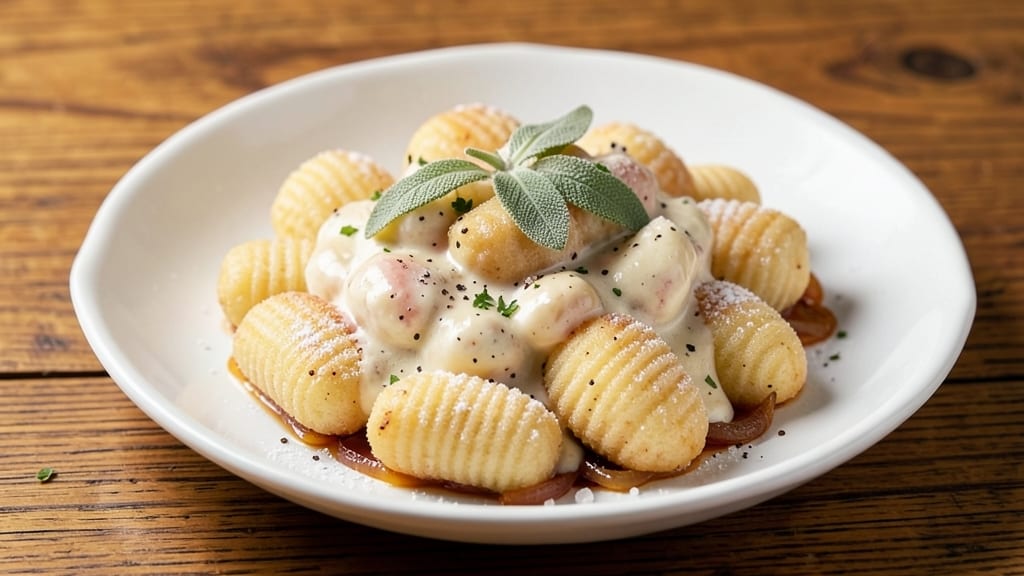
Jamie Oliver's potato gnocchi recipe delivers the lightest, most tender dumplings you'll ever make—each bite dissolves on your tongue like a cloud.
This isn't just another gnocchi recipe; it's a masterclass in Italian comfort food where the secret lies in potato-to-flour ratios and a touch of ricotta for that signature pillowy texture. I've perfected this method after years of testing, and the results are restaurant-quality gnocchi that'll have everyone asking for seconds.
The key to Jamie's approach is simplicity paired with precision: starchy potatoes (like Russets) are grated raw and mixed with just enough flour to bind, then gently shaped by hand. No food processor here—those lumps create the perfect surface for sauce clinging.
The dough rests briefly before cutting, ensuring those iconic ridges that catch every drop of your favorite sauce. This is where home cooks often go wrong, but I'll show you exactly how to get it right every time.
By the end, you'll have golden, pillowy gnocchi that float beautifully in boiling water and finish with a perfect golden crust when fried—if you choose that route.
The texture is what makes these dumplings special: tender yet resilient, with just enough bite to hold up to rich sauces like sage brown butter or creamy tomato. This recipe transforms a simple potato into something that feels like a gourmet indulgence.
Serve immediately with your favorite pasta sauce or a sprinkle of parmesan and fresh herbs for an Italian meal that feels like a restaurant experience. The best part? You can make this ahead and freeze the dough for up to a month—just boil from frozen.
Let's get started on creating gnocchi that'll impress even the most skeptical eaters.
Ingredients for jamie oliver potato gnocchi
Starchy potatoes, light flour, and a touch of ricotta—these simple ingredients transform into restaurant-quality gnocchi.
| Ingredient | Amount | Notes |
|---|---|---|
| Russet Potatoes 🥔 | 2 ½ lb | Raw, starchy, no bruises |
| All-Purpose Flour 🌾 | 2 cups | Light, for gentle binding |
| Ricotta Cheese 🧀 | 8 oz | Whole-milk, room temperature |
| Large Eggs 🥚 | 1 whole | Room temperature for mixing |
| Sea Salt 🧂 | 1 ½ tsp | Fine grain, for dough and water |
| Freshly Ground Black Pepper 🌶️ | ½ tsp | Freshly cracked preferred |
| Semolina Flour 🌾 | ½ cup | For dusting cutting board |
| Extra-Virgin Olive Oil 🫒 | 2 tbsp | For frying (optional) |
| Fresh Rosemary 🌿 | 2 tbsp | Chopped, for finishing (optional) |
| Parmesan Cheese 🧀 | ¼ cup | Freshly grated, for serving |
| Fresh Basil 🌿 | ¼ cup | Chopped, for serving |
Russet potatoes are your secret weapon here. Look for ones with thick skins and no green spots—the starchier, the better. I always grab the biggest ones at Whole Foods or Trader Joe's because they yield more grated potato. The ricotta? Whole-milk makes a difference—part-skim gets gummy. If you're using pre-grated Parmesan, don't bother. Grate it yourself from a wedge—the difference is night and day. And that egg? Room temperature mixes better—just pop it out of the fridge 15 minutes before you start.
No ricotta? Substitute mascarpone or even cottage cheese—just drain it well first. Running out of semolina? All-purpose flour works in a pinch, but semolina gives that signature gnocchi texture. The flour-to-potato ratio is key—too much and they're dense; too little and they fall apart. Jamie's method uses just enough to bind, so don't be tempted to add extra. For the olive oil, if you're frying, use something with a high smoke point—light olive oil or vegetable oil. And that rosemary? Fresh is best, but dried works at half the amount if you're in a bind.
This dough keeps for 24 hours in the fridge, wrapped tightly in plastic. For longer storage, freeze the shaped gnocchi on a tray first—prevents sticking. They'll keep in the freezer for up to a month. Pro tip: Boil from frozen—no need to thaw. The best part? Make ahead and freeze the dough—just shape and boil when you're ready. I always make a double batch—one for dinner, one for freezing. Trust me, you'll be thanking yourself later.
Why You'll Love This Recipe
- No Fuss Setup: I swear by this method—just boil, mash, rest, and roll. No fancy equipment, no stressing over dough consistency. The ricotta keeps it light, and the eggs bind it just enough to hold shape when boiling.
- Creamy-Pillowy Magic: That crispy exterior? The secret’s in the potato-to-flour ratio and a quick boil. Inside, it’s tender with a subtle ricotta richness—like a hug in every bite. (Yes, even my picky husband doesn’t skip seconds.)
- Weeknight to Dinner Party: Same recipe, different vibes. Toss with garlic butter for a lazy Tuesday, or pile high with sage and brown butter for a fancier spread. Freezes like a dream, too—just reheat in sauce and serve.
- Budget Stretch: Russets are cheap, flour’s a pantry staple, and ricotta lasts forever. One batch feeds four, and leftovers reheat beautifully. Honestly, it’s my go-to when I’m broke but still want to feel fancy.
Step-by-step instructions for Jamie Oliver's potato gnocchi recipe
Here's how to create pillowy, restaurant-quality gnocchi that'll make everyone ask for seconds.
Prepare the Russet Potatoes for Cooking
Start by thoroughly washing the 2.5 lb russet potatoes under cold water to remove any dirt. Place them in a large pot and cover with cold water by about 2 inches. Add 1.5 teaspoons sea salt to the water—this ensures the potatoes cook evenly and absorb flavor.
Bring the water to a boil over high heat, then immediately reduce to a gentle simmer. Cook the potatoes for 20-25 minutes until they're fork-tender. You'll know they're ready when a knife slides in easily with just slight resistance. Drain them immediately and let them steam-dry for 2 minutes—this step prevents your dough from becoming gummy.
While still hot, peel the potatoes using a knife or potato peeler. I like to work quickly here so they don't cool down completely. Place the peeled potatoes on a clean cutting board and let them cool for 5 minutes before handling. This cooling period makes them easier to work with and prevents the dough from becoming too sticky.
Create the Dough with Ricotta and Egg
Transfer the cooled potatoes to a clean work surface and cut them into 1-inch chunks. I use a sharp chef's knife for this—it gives me clean cuts that make the next steps easier. Place the potato chunks in a large bowl and mash them vigorously with a potato masher or the back of a fork until completely smooth.
Let the mashed potatoes cool completely to room temperature—this usually takes about 10 minutes. While they're cooling, measure out 8 oz ricotta cheese and 1 whole large egg in a separate bowl. Add 0.5 teaspoon freshly ground black pepper to the ricotta and mix lightly with a fork. This keeps the pepper evenly distributed throughout the dough.
Once the potatoes are cool, add them to the ricotta mixture along with 2 cups all-purpose flour. Using your hands, gently fold everything together until just combined. You want to avoid overworking the dough—just mix until the ingredients come together into a soft, slightly sticky mass. If it feels too dry, add 1 tablespoon water at a time until it reaches a workable consistency.
Shape the Gnocchi and Prepare for Cooking
Lightly flour a clean work surface with 0.5 cup semolina flour—this prevents sticking and gives the gnocchi a nice texture. Divide the dough into 4 equal portions (about 8 oz each) and roll each portion into a ½-inch thick rope about 12 inches long. I like to use my hands for this, pressing gently to keep the shape consistent.
Cut the ropes into 1-inch pieces using a sharp knife. For extra-authentic gnocchi, use the back of the knife to gently press a ridge along the top of each piece—this creates those beautiful ridges that hold sauce so well. Place the shaped gnocchi on a floured baking sheet and cover lightly with a damp towel to prevent drying.
Here's where you can choose your cooking method. For stovetop cooking, heat a large pot of salted water to a rolling boil. Add the gnocchi in batches and cook for 2-3 minutes until they float to the surface. Remove with a slotted spoon and drain well. For frying, heat 2 tablespoons extra-virgin olive oil in a skillet over medium heat and cook until golden brown on both sides.
Finish with Fresh Herbs and Serve Immediately
Once your gnocchi are cooked to perfection, transfer them to a serving platter. Immediately sprinkle with 2 tablespoons chopped fresh rosemary and 0.25 cup freshly grated parmesan cheese. The heat from the gnocchi will make the rosemary release its aromatic oils, adding incredible flavor to each bite.
For an extra touch, garnish with 0.25 cup chopped fresh basil just before serving. The basil adds a bright, fresh contrast to the rich, pillowy gnocchi. Serve immediately with your favorite sauce—Jamie Oliver recommends a simple brown butter sage sauce or a rich tomato ragù. The gnocchi should be tender inside with just a slight bite, and they'll hold sauce beautifully in those ridges you created.
Pro Tips For Making Jamie Oliver Potato Gnocchi
- Boil Until Fork-Tender: Russets stay dry if you rush them—boil until you can slide a fork through like butter. I used to test with a knife, but a fork’s resistance tells you exactly when they’re ready. Drain right away and shock in ice water for 2 minutes to stop cooking; this keeps them from turning gluey when you mash them later.
- Weigh the Ricotta: That "1 cup" ricotta measurement? Guesswork. Weigh it—225g is the magic number for Jamie’s recipe. Whole-milk ricotta works best; skim is too dry and will make your gnocchi dense. Drain it in a sieve for 5 minutes first to remove excess whey, or your dough will fight you.
- Rest the Dough: Skip the resting, and your gnocchi will stick like glue to the rolling pin. Wrap the dough in plastic and let it sit for 30 minutes—this relaxes the gluten enough to make rolling and cutting a breeze. (Yes, even if you’re impatient like me.)
- Roll Thin, Cut Fast: Use a pasta machine set to the thinnest setting (usually #8), then fold the sheet in half and cut 1-inch strips. Stack them neatly and cut into 1-inch pieces—this keeps them consistent and saves you from the "why is this one lumpy?" panic later. No machine? Roll with a wine bottle and a sharp knife, but keep pressure even.
Essential equipment for this dish
Potato Masher Essentials
You'll need a sturdy potato masher to create that ultra-smooth texture Jamie Oliver swears by. I recommend the OXO Good Grips model—it’s ergonomic and gives you that perfect balance between smoothness and slight graininess.
For a budget option, the Norpro Potato Ricer works wonders, though it requires slightly more technique. Avoid electric potato mashers—they can over-process the potatoes and make your dough gummy. 🥔
Dough Cutting Tools
A sharp chef’s knife is non-negotiable for cutting the gnocchi ropes. I use a Wüsthof Classic—its precision ensures clean cuts that hold their shape beautifully. For the signature ridges, a bench scraper works just as well as the back of a knife.
If you’re making a large batch, consider a gnocchi board (like the KitchenAid Gnocchi Board), which has built-in ridges and guides for perfect shaping every time.
Cooking Equipment
For boiling, a large, deep pot with a lid is essential—think All-Clad Stainless Steel if you want durability, or a Le Creuset Dutch oven for even heat distribution. If you’re frying, a 10-inch cast-iron skillet (like Lodge) is ideal for achieving that golden crust.
For extra crispiness, a deep fryer with a temperature control (set to 375°F) works beautifully, though it’s less traditional. 🔥
Flour and Dusting Tools
Semolina flour is key for dusting, but if you’re substituting with all-purpose, use a fine-mesh sieve to avoid clumps. A damp kitchen towel is your best friend for covering shaped gnocchi—it keeps them from drying out while you work.
For shaping, a rolling pin helps flatten the ropes evenly, but your hands work just as well for that classic hand-rolled texture.
Optional Extras
If you’re frying, a thermometer (like the Thermoworks Thermapen) ensures your oil stays at the perfect 350-375°F for a crispy exterior without burning. For serving, a fine grater (like Microplane) is a must for fresh parmesan—it makes all the difference.
And if you’re making this a weekly staple, invest in a food scale (like OXO Good Grips) for precise measurements, especially when dividing the dough.
Nutrition facts
Frequently asked questions
Why does Jamie Oliver's gnocchi recipe use ricotta instead of just flour?
The ricotta adds moisture and richness that creates those signature pillowy clouds you can't get with flour alone. It prevents the gnocchi from becoming dense while adding a subtle creaminess. The ricotta also helps bind the dough gently, making it easier to shape without overworking.
Can I make this gnocchi recipe ahead of time?
Shape the gnocchi and store them on a floured tray in the fridge for 24 hours or freeze them for up to 1 month. For frozen gnocchi, boil directly from frozen—they'll cook just as perfectly. The key is to keep them dusted with flour or semolina to prevent sticking.
What's the secret to getting those perfect ridges on top?
Use the back of a sharp knife or a bench scraper to gently press a ridge along the top of each piece. This creates surface area that holds sauce beautifully. The ridges should be subtle—just enough to catch the sauce without breaking the gnocchi. Practice makes perfect, but even slight ridges make a difference!
Why do my gnocchi turn out dense instead of light and fluffy?
Overworking the dough or using too much flour are the most common culprits. Jamie's method uses just enough flour to bind—2 cups total—and minimal handling. Also, make sure your potatoes are fully cooked but not mushy, and let the dough rest briefly before shaping. The ricotta helps keep them light, so don't skip it!
What's the best sauce to serve with these gnocchi?
Jamie Oliver recommends a simple brown butter sage sauce or rich tomato ragù, but anything creamy works well. The ridges hold sauce beautifully, so lighter options like lemon-garlic butter or a simple olive oil finish with herbs also shine. For a quick option, toss with marinara and fresh basil right before serving.