
Sauces & Condiments
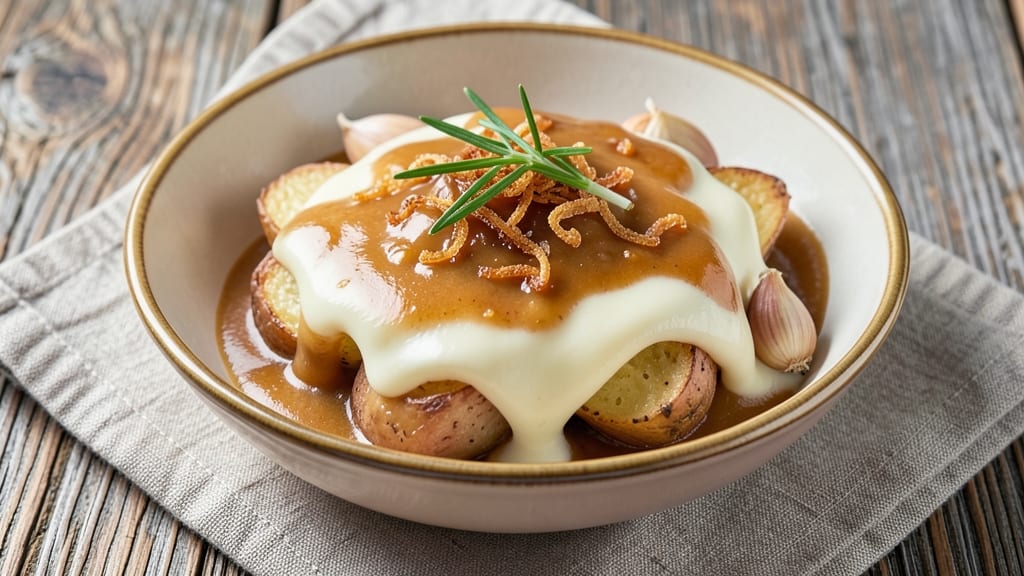
Creating the perfect potato cream sauce transforms ordinary dishes into restaurant-quality meals with just a few simple ingredients and precise technique. The secret lies in balancing the natural starch from potatoes with rich dairy to achieve that velvety smoothness without graininess.
I developed this recipe after years of perfecting the texture—no lumps, no separation, just pure, velvety comfort in every spoonful.
This sauce starts with boiled potatoes, which release their starch into the cooking liquid—a critical step for achieving that signature creaminess. The addition of butter and cream not only enriches the flavor but also creates a silky texture that coats every bite.
Seasoned with garlic, onion, and a touch of mustard, it delivers depth without overpowering the dish you're serving it with.
What makes this sauce truly exceptional is its versatility—it elevates mashed potatoes, pairs beautifully with roasted meats, or even serves as a luxurious base for creamy soups.
The method ensures a foolproof result every time, with storage tips included so you can make a batch ahead and keep it on hand for quick, elegant meals.
Ready in just 30 minutes, this sauce requires minimal effort but delivers maximum impact. Whether you're preparing a holiday feast or a simple weeknight dinner, this potato cream sauce will become your go-to for adding velvety richness to any dish. Let’s get started!
Ingredients for potato cream sauce
Simple ingredients, perfect balance—this sauce turns humble potatoes into velvety magic.
| Ingredient | Amount | Notes |
|---|---|---|
| Russet Potatoes 🥔 | 2 lb | Peeled and cubed evenly |
| Unsalted Butter 🧈 | ½ cup | Cold for best texture |
| Heavy Cream 🥛 | 1 cup | Full-fat for richness |
| Whole Milk 🥛 | ½ cup | For thinning if needed |
| Yellow Onion 🧅 | 1 whole | Finely chopped, medium size |
| Garlic Cloves 🧄 | 3 cloves | Minced for flavor depth |
| Dijon Mustard 🍯 | 1 tbsp | For subtle tang |
| Salt 🧂 | 1 tsp | Kosher or sea salt |
| Ground Black Pepper 🌶️ | ½ tsp | Freshly ground preferred |
| Fresh Parsley 🌿 | ¼ cup | Chopped for garnish |
The potatoes are everything here. Russet potatoes are ideal—they’re starchy and fluffy when cooked. Grab a couple of pounds from the grocery store, peel them, and cut into even cubes (about 1-inch). Organic potatoes from the store’s produce section stay fresher longer, but regular ones work too. The key is even cooking—no small or large pieces. For the onion, yellow onions add a touch of sweetness, but red onions work if that’s what you have. Just make sure to chop them finely so they melt into the sauce without texture.
No heavy cream? Half-and-half plus a splash of milk gets you close, though the sauce won’t be quite as rich. Short on butter? Olive oil works in a pinch, but the flavor won’t be the same—trust me on the butter. The garlic can be roasted for a sweeter taste (just toss whole cloves in the oven at 400°F for 10 minutes), but raw minced garlic gives that classic punch. Dijon mustard is non-negotiable for depth, but if you’re out, a pinch of white vinegar adds a similar tang. The parsley is just for garnish—skip it if you’re not feeling fancy.
This sauce keeps beautifully. Store it in an airtight container in the fridge for up to 5 days, or freeze for 3 months. To reheat, warm it gently on the stove—never microwave, or it’ll get grainy. I like to make a big batch and freeze portions in ice cube trays, then pop them into containers. Perfect for lazy weeknights when you want restaurant-quality sauce with zero effort.
Why You'll Love This Recipe
- Here’s the secret: it actually tastes better the next day. Store it in the fridge, reheat with a splash of milk, and boom—you’ve got a quick weeknight sauce for mashed potatoes or a last-minute gravy. No food waste, all flavor.
- Five-Ingredient Magic: I swear, this sauce only needs five things—and one of them is just an onion to sweeten the deal. No fancy gadgets, no last-minute grocery runs. Just peel, boil, blend, and you’re golden.
- Velvet Smoothness: That blend of heavy cream and milk? It’s like a hug in a bowl. The Russets break down into buttery silk while the butter adds that rich, melt-in-your-mouth finish. (Yes, even my picky teens ask for seconds.)
- Weeknight Wonder: Dinner parties? Check. Lazy Sundays? Double-check. This sauce turns steak into a showstopper, pasta into comfort food, and even plain roasted veggies into something special. I’ve used it for everything—no regrets.
Step-by-step instructions for potato cream sauce
Here's how to make a velvety potato cream sauce that's rich, perfectly balanced, and foolproof every time.
Boil the Potatoes Until Fork-Tender
Place the peeled and cubed 2 lb russet potatoes in a large pot and cover with cold water by about 1 inch. Add 1 tsp salt to the water. Bring to a boil over high heat, then reduce to a simmer and cook for 15-20 minutes until the potatoes are fork-tender.
You'll know they're done when they slide easily off a fork but still hold their shape. Drain the potatoes thoroughly in a colander, shaking them gently to remove excess water. This step is critical—too much moisture will make your sauce watery. I like to give them a quick rinse under cold water to stop the cooking process immediately.
Sauté Onion and Garlic in Butter
In a large skillet, melt the 0.5 cup unsalted butter over medium heat. Add the finely chopped 1 whole yellow onion and cook for 5-6 minutes until softened and translucent. Add the 3 cloves minced garlic cloves and cook for another 30 seconds until fragrant.
Here's the thing—don't let the garlic burn. It should smell sweet and aromatic, not bitter. If it starts to darken too quickly, reduce the heat slightly. You're building flavor here, so keep the onions cooking until they're golden around the edges but not browned. This aromatic base is what makes the sauce taste so rich and complex.
Mash the Potatoes Directly in the Skillet
Add the drained potatoes directly to the skillet with the onions and garlic. Using a potato masher or wooden spoon, mash them until smooth. If you prefer a slightly textured sauce, leave a few small lumps. Cook for 3-4 minutes until the potatoes begin to absorb the butter and release their starch.
This is where the magic happens. The residual heat from the skillet helps break down the potatoes further, creating that perfect velvety texture. You'll see the mixture become glossy as the starch releases—this is what gives your sauce that silky consistency. If it looks too dry, you can add 1-2 tablespoons of the reserved cooking water later, but try to keep it as dry as possible at this stage.
Add Cream, Milk, and Mustard
Pour in the 1 cup heavy cream and 0.5 cup whole milk. Stir well to combine, then add the 1 tbsp dijon mustard. Increase the heat to medium-low and let the mixture simmer gently for 5-7 minutes, stirring occasionally, until it thickens slightly. You're looking for a sauce that coats the back of a spoon but isn't gluey.
This is the moment that matters: the sauce should be creamy but not curdled. If it starts to curdle or separate, reduce the heat immediately and whisk vigorously. The dijon mustard adds a subtle tang that balances the richness of the cream and butter. Taste as you go and adjust the seasoning with the 0.5 tsp ground black pepper if needed—this is your chance to tweak the flavor before it's set.
Finish and Garnish
Remove the skillet from heat and stir in the chopped 0.25 cup fresh parsley. Let the sauce sit for 2-3 minutes to thicken further. If it's too thick, you can thin it with a splash of the reserved cooking water or more whole milk. The sauce should be smooth, velvety, and perfectly balanced in flavor.
This sauce is perfect for serving over roasted chicken, mashed potatoes, or even as a creamy dip. The key to its success is the balance of starch from the potatoes, richness from the cream and butter, and the subtle tang from the mustard. Serve immediately while warm, and garnish with extra parsley if you like. The texture should be luxurious—creamy but not heavy, rich but not greasy.
Pro Tips For Making Potato Cream Sauce
- Peel and Cube Small: Russets are starchy—cut them into ½-inch cubes, not chunks. I learned this the hard way when my sauce turned gluey from uneven cooking. Smaller pieces break down faster and soak up the cream evenly.
- Sweat the Onion Low: Cook the onion in butter over medium-low heat until translucent, not browned. Rush it, and you’ll taste bitterness later. A soft, pale base blends seamlessly into the sauce—no one will notice the prep work.
- Strain, Don’t Mash: After boiling the potatoes, drain and press them through a fine-mesh sieve. Mashing leaves grittiness, and I’ve ruined enough batches by skipping this. The result? Silky, not lumpy.
- Temper the Cream: Warm the heavy cream and milk together over low heat until steaming, then whisk it into the potato mixture. Cold cream curdles like clockwork—I’ve seen it happen three times. A few minutes of patience saves a whole pot.
Wine and beer pairings for this dish
Rich White Wine
For this creamy sauce, I reach for Chardonnay—specifically a buttery, unoaked version like La Crema Sonoma Coast Chardonnay. The subtle fruit notes and creamy texture mirror the sauce's richness without overpowering it. A 2018-2020 vintage from California delivers that perfect balance of acidity and body. 🍷
Crisp Sauvignon Blanc
If you prefer something lighter, a Sauvignon Blanc from New Zealand—like Oyster Bay Sauvignon Blanc—cuts through the sauce's richness with its bright citrus and herbal notes.
The zesty acidity cleanses your palate between bites, making it ideal for dishes like roasted chicken. Look for a 2021-2022 vintage for optimal freshness.
Malbec for Bold Pairings
For those who love red wine, a Malbec from Argentina—such as Catena Zapata Malbec—pairs surprisingly well. The sauce's creaminess complements the wine's dark fruit and velvety tannins, especially when serving with hearty dishes like beef short ribs. A 2019-2020 vintage offers the right balance of richness and structure.
Craft Beer Options
For beer lovers, a Belgian witbier like Hoegaarden adds a refreshing contrast with its coriander and citrus notes. Alternatively, a honey ale from Allagash enhances the sauce's sweetness with its malty depth. Both options elevate the dish without clashing with the sauce's creamy profile. 🍺
Seasonal Adaptations
In summer, opt for a dry Riesling from Germany—like Dr. Loosen Blue Slate Riesling—to balance the sauce's richness with crisp acidity. During winter, a Burgundy Pinot Noir from Louis Jadot adds earthy notes that complement the sauce's depth, especially when paired with roasted root vegetables.
Nutrition facts
Frequently asked questions
Why does my potato cream sauce turn out grainy?
Graininess usually happens when there's too much moisture in the potatoes or you didn't cook them long enough to break down the starch properly. Always boil potatoes until fork-tender, drain them thoroughly, and mash them directly in the skillet with butter to help release natural starch. If needed, simmer the sauce longer on low heat to thicken it properly.
Can I make this sauce ahead of time?
This sauce keeps beautifully in an airtight container in the fridge for up to 5 days. For longer storage, freeze it for 3 months. Reheat gently on the stove over low heat, stirring constantly, until warmed through. Never microwave it, or it'll get grainy.
What can I substitute if I don't have heavy cream?
You can use half-and-half plus 2 tablespoons of milk for a lighter version, though the sauce won't be quite as rich. For a dairy-free option, try coconut cream (use 1 cup for the same amount) or a mix of 1 cup milk plus 3 tablespoons cornstarch, cooked until thickened. The flavor won't be identical, but it'll still work in a pinch.
How do I fix curdled potato cream sauce?
If your sauce curdles, immediately remove it from heat and whisk vigorously. Then, slowly stir in 1-2 tablespoons of cold milk or water while whisking continuously. If that doesn't help, make a quick roux by melting 1 tablespoon butter in a separate pan, then whisk it into the sauce to rebind the mixture. The key is to work fast and keep stirring!
What's the best way to use leftover sauce?
This versatile sauce works perfectly over roasted chicken, mashed potatoes, or even as a creamy pasta sauce. For extra flavor, stir in 1/4 cup grated Parmesan or 1 tablespoon fresh herbs like thyme or rosemary. It also makes an excellent dip for crusty bread or veggie sticks—just warm it up and serve with a sprinkle of black pepper.