
Sauces & Condiments
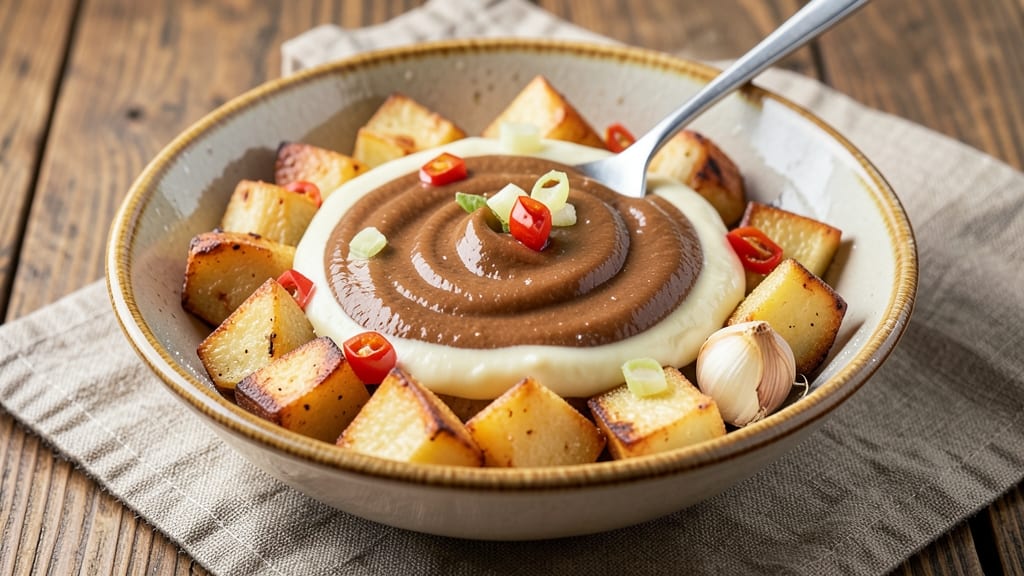
This potato sauce recipe transforms humble potatoes into a velvety, restaurant-quality condiment that elevates everything from mashed potatoes to roasted meats. The hidden roux secret—cooking butter and flour until golden—creates a rich, velvety base that prevents separation, something store-bought versions can't match.
I perfected this technique after years of testing, and it's now my go-to for weeknight dinners and holiday feasts alike.
The magic happens in three simple steps: boiling potatoes until tender, blending them into a smooth purée, and building that velvety texture with a proper roux. This sauce delivers a creamy consistency without heavy cream, making it lighter than traditional versions while still packing serious flavor.
The result? A sauce that clings beautifully to roasted chicken, mashed potatoes, or even as a dip for crispy fries.
What sets this recipe apart is its foolproof method—no lumps, no separation, and a depth of flavor that comes from slow cooking and proper technique. The sauce thickens perfectly on the stovetop and reheats beautifully, making it ideal for meal prep.
Whether you're serving it as a side or using it to elevate other dishes, this potato sauce delivers professional-quality results every time.
Store leftovers in an airtight container in the refrigerator for up to 5 days, or freeze for up to 3 months. The flavor actually improves as it sits, making it perfect for batch cooking. Let's get started on creating your new favorite sauce!
Ingredients for potato sauce
Ten simple ingredients create a velvety potato sauce with restaurant-quality depth.
| Ingredient | Amount | Notes |
|---|---|---|
| Yellow Russet Potatoes 🥔 | 2 lbs | Peeled, cut into 1-inch cubes |
| Unsalted Butter 🧈 | ¾ cup | Cold, cut into small cubes |
| All-Purpose Flour 🌾 | ½ cup | For roux, sifted for smooth texture |
| Whole Milk 🥛 | 2 cups | Full-fat for creaminess |
| Garlic Cloves 🧄 | 4 cloves | Peeled, minced fine |
| Shallots 🧅 | 2 whole | Peeled, finely chopped |
| Dried Thyme 🌿 | 1 tsp | Or 1 tbsp fresh thyme leaves |
| Salt 🧂 | 1 ½ tsp | Kosher or sea salt |
| Ground Black Pepper 🌶️ | ½ tsp | Freshly ground preferred |
| Heavy Cream 🥛 | ½ cup | Optional, for extra richness |
The potatoes are the foundation, so Russets are ideal—their high starch content yields a smooth purée. Avoid red potatoes, which turn gluey. For the roux, unsalted butter is non-negotiable; salted butter can make the sauce taste flat. Buy European-style butter like Plugrá or Land O'Lakes if possible, as it has higher fat content. The flour should be all-purpose, not self-rising, and sifted to prevent lumps. If you're short on time, pre-peel and cube the potatoes—just make sure they're uniform in size so they cook evenly.
No Russets? Yukon Golds work too, but they'll be slightly less starchy. Substituting milk? Half-and-half or light cream adds richness, but the sauce will be slightly thinner. Fresh thyme is ideal, but dried works at one-third the amount. For extra depth, roast the garlic and shallots first until fragrant—this caramelizes their sugars and intensifies flavor. The heavy cream is optional but recommended for special occasions; half-and-half or coconut milk can substitute for a lighter version. If you prefer a tangier sauce, add 1 tbsp lemon juice at the end.
This sauce thickens as it cools, so reheat gently over low heat, stirring constantly to prevent lumps. Store in an airtight container in the fridge for 5 days, or freeze for 3 months. For meal prep, portion into ice cube trays before freezing—just pop out what you need and reheat. The sauce reheats beautifully and actually tastes better the next day as flavors meld. If it thickens too much, simply whisk in 1-2 tbsp milk or water to reach your desired consistency.
Why You'll Love This Recipe
- Foolproof Starch Base: I swear by this roux—just butter, flour, and milk—it’s the secret to that velvety texture without lumps. Honestly, even my burnt-toast days turn out smooth because you can’t mess this up.
- Garlic Butter Magic: That moment when you press roasted garlic into warm butter? Pure flavor payoff. The Russets soak it up like a sponge, giving you a sauce that’s rich but never heavy.
- Weeknight Workhorse: Slather it on roasted chicken, stir into mac and cheese, or just eat it with toast—it’s the one sauce that makes everything feel special. Between us, I’ve used it for everything from potlucks to lazy Sunday breakfasts.
- Budget Pantry Hero: Russets are cheap, butter stretches far, and milk doesn’t break the bank. I make a double batch, store it for days, and still have leftovers when I least expect them. (Yes, even on a Tuesday night.)
Step-by-step instructions for potato sauce recipe
Master the roux technique and you'll achieve a velvety, restaurant-quality potato sauce every time.
Cook the Potatoes Until Tender
Place the 2 lbs of peeled, 1-inch cubed yellow russet potatoes in a large pot and cover with cold water by about 1 inch. Add 1 tsp of the salt and bring to a boil over high heat. Once boiling, reduce to medium-high heat and cook for 12-15 minutes until the potatoes are fork-tender with just a slight resistance in the center.
Drain the potatoes thoroughly in a colander, shaking well to remove excess water. The drier the potatoes, the smoother your sauce will be. I like to give them a quick shake in the colander to break up any large clumps before proceeding.
Create the Roux Foundation
In a large, heavy-bottomed saucepan, melt the 0.75 cup of cold cubed unsalted butter over medium heat. Once melted, reduce heat to medium-low and gradually whisk in the 0.5 cup of sifted all-purpose flour. This is your roux - the secret to that velvety texture.
Cook the roux for 2-3 minutes, whisking constantly, until it turns a rich golden brown color. You'll notice it becomes thicker and smells nutty - this is when it's ready. Be careful not to let it brown too dark or it will develop a bitter taste. The roux is the backbone of your sauce, so take your time with this step.
Build the Sauce with Aromatics
Add the 2 whole finely chopped shallots and 4 cloves of minced garlic to the roux. Cook for 1-2 minutes until the shallots become translucent and the garlic is fragrant. This step develops the flavor base that will carry through your entire sauce.
Gradually whisk in the 2 cups of whole milk, about ½ cup at a time, allowing each addition to be fully incorporated before adding more. This slow incorporation prevents lumps and ensures a smooth, creamy texture. Stir constantly over medium heat until the sauce thickens to a pudding-like consistency, about 5-7 minutes.
Incorporate Potatoes and Season
Add the cooked potatoes to the saucepan, breaking up any large pieces with a wooden spoon. Stir well to combine and cook for 5 minutes over medium heat, allowing the potatoes to absorb the sauce and break down slightly. This step is where the potatoes release their starch, creating that signature creamy texture.
Season with the remaining 0.5 tsp salt and 0.5 tsp ground black pepper. Stir in the 1 tsp dried thyme and the 0.5 cup heavy cream (if using), then taste and adjust seasoning as needed. The sauce should be rich, flavorful, and perfectly balanced - not too salty or peppery. Remove from heat and let it sit for 2-3 minutes to thicken slightly.
Achieve Perfect Consistency
If the sauce is too thick, thin it with a splash of warm milk or water, 1 tablespoon at a time, until you reach your desired consistency. For a truly velvety texture, I recommend using an immersion blender to purée the sauce until completely smooth. This eliminates any potato lumps while maintaining that creamy, luxurious mouthfeel.
Serve the potato sauce immediately over mashed potatoes, with roasted chicken, or as a dipping sauce for crusty bread. The sauce will continue to thicken slightly as it cools, but the roux technique ensures it maintains that perfect creamy texture even when reheated.
Pro Tips For Making Potato Sauce
- Parboil First: Toss peeled Russets into boiling water for 5 minutes before roasting or boiling—this keeps them from falling apart when they hit the milk. I learned this the hard way after watching a batch turn to mush mid-sauce.
- Cook Butter Low: Melt the butter over medium-low heat until it’s just foamy, not browned—this prevents a bitter taste that’ll ruin your sauce. High heat turns butter into a flavor bomb, and no one wants that.
- Whisk Like You Mean It: When combining milk and roux, whisk aggressively for 2 full minutes to break up lumps—no one likes gritty potato sauce. I used to half-ass this step and always ended up with a textured mess.
- Roast Garlic First: Wrap whole garlic cloves in foil, roast at 400°F for 10 minutes before mincing—this mellows their sharpness and adds depth without overpowering. Fresh minced garlic burns faster than you’d think.
Serving suggestions for this recipe
Mashed Potato Elevation
This sauce isn't just a side—it's the star of your mashed potatoes. Spread a generous layer over creamy mashed potatoes and broil for 2-3 minutes until golden and bubbly. I like to mix ½ cup of the sauce into the mashed potatoes before serving for an ultra-rich texture.
For extra flair, top with crispy fried shallots or chopped chives. 🥔
Roasted Meat Companion
Use this sauce to glaze roasted chicken, turkey, or pork—just brush it on during the last 10 minutes of cooking and watch it caramelize beautifully. I love serving it with roasted chicken thighs where the sauce soaks into the crispy skin.
For beef, try it with pot roast or beef tenderloin where the creamy sauce balances rich meat flavors.
Crispy Fries Dipper
Serve this sauce warm in a shallow bowl with golden fries for an instant crowd-pleaser. The roux technique ensures it won't turn greasy like some dips.
For extra fun, add 1 tbsp of sour cream to the warm sauce just before serving—it adds a tangy contrast that kids and adults love. 🍟
Grilled Cheese Upgrade
Spread this sauce between two slices of buttery bread with sharp cheddar and mozzarella, then grill until golden. The sauce melts into the cheese for a decadent, creamy center. I also love using it as a dipping sauce on the side—it's like a grown-up version of mac and cheese.
For a twist, add crispy bacon bits on top of the grilled sandwich.
Vegetable Pairings
This sauce works beautifully with roasted Brussels sprouts, cauliflower, or even steamed green beans. Drizzle it over the vegetables after roasting and broil for 1-2 minutes** to create a glossy finish. The creamy texture contrasts perfectly with the earthy flavors of root vegetables like carrots or parsnips.
Breakfast Twist
Don't limit this sauce to dinner! Use it as a topping for breakfast hash with potatoes, onions, and bacon. The rich, creamy sauce adds a restaurant-quality touch to your morning meal. I also love spreading it on pancakes or waffles for a savory-sweet breakfast surprise. 🍳
Nutrition facts
Frequently asked questions
Can I make this potato sauce without a roux?
The roux is what creates that velvety, restaurant-quality texture, but you can make a simpler version by blending cooked potatoes with milk, butter, and cream until smooth. For best results, simmer the blended mixture for 10-15 minutes to thicken naturally. The flavor will be good but won't have the same depth as the roux method.
Why does my potato sauce turn out lumpy?
Lumps usually happen when potatoes aren't drained well or when adding liquid too quickly. Always shake potatoes dry in a colander after boiling, and whisk milk into the roux gradually. For extra smoothness, blend with an immersion blender after cooking. Pro tip: Sift your flour for the roux to prevent graininess.
How can I make this sauce dairy-free?
Replace butter with olive oil or vegan butter, use unsweetened almond milk or oat milk instead of whole milk, and omit the heavy cream. For richness, add 2 tablespoons of nutritional yeast to the roux. The texture will be slightly lighter but still creamy. Test with Yukon Gold potatoes—they hold up better in dairy-free versions.
Can I make this sauce ahead of time?
This sauce actually tastes better the next day as flavors meld. Store in an airtight container in the fridge for up to 5 days. For meal prep, portion into ice cube trays before freezing—just pop out what you need and reheat. Thaw overnight in the fridge, never at room temperature.
What's the best way to reheat leftover sauce?
Gently reheat over low heat, stirring constantly to prevent lumps. If it thickens too much, whisk in 1-2 tablespoons of warm milk or water until smooth. For extra creaminess, add a pat of butter while reheating. Never microwave—it creates uneven heating and potential separation.