
Side Dishes
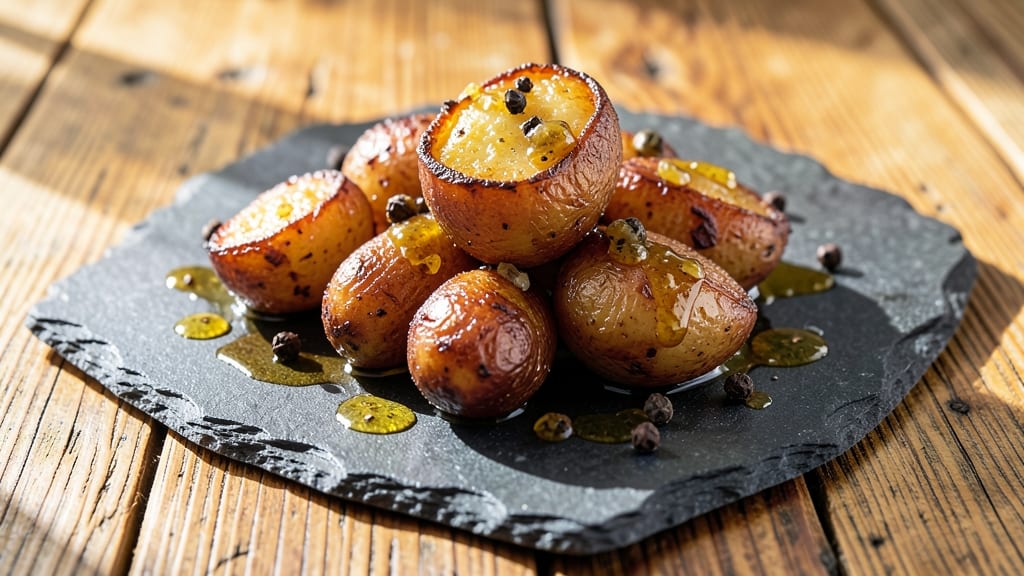
This peewee potatoes recipe delivers bite-sized perfection with golden, crisp edges and tender centers—all in just 25 minutes. The secret lies in a tangy vinegar-kissed butter that transforms simple baby potatoes into a restaurant-worthy side dish.
I developed this technique after years of experimenting with different cooking methods, and it never fails to impress.
The process is straightforward yet precise: parboil the potatoes first to ensure even cooking, then pan-fry them in butter and vinegar until they develop that irresistible crispiness. This method preserves their natural sweetness while adding a bright, tangy depth that elevates any meal.
The key is timing—just enough to create a caramelized exterior without overcooking the delicate centers.
What you’ll end up with is a dish that’s impossibly crispy on the outside, fluffy inside, and infused with a buttery-vinegar flavor that’s both comforting and sophisticated. These potatoes pair beautifully with grilled meats, roasted vegetables, or even a simple salad.
The best part? They’re ready in less time than it takes to order takeout.
Serve them warm as a standalone side or use them to top burgers, tacos, or even a hearty soup. This recipe is designed to be foolproof, so you can confidently prepare it for any occasion—whether it’s a weeknight dinner or a festive gathering. Let’s get cooking!
Ingredients for peewee potatoes
Eight essential ingredients transform humble baby potatoes into crisp, buttery perfection in minutes.
| Ingredient | Amount | Notes |
|---|---|---|
| Baby Potatoes (Peewee Potatoes) 🥔 | 1 ½ lb | New potatoes preferred, halved if large |
| Unsalted Butter 🧈 | ½ cup | Cold, cut into 1-inch cubes |
| White Wine Vinegar 🍶 | 2 tbsp | Distilled or apple cider vinegar |
| Kosher Salt 🧂 | 1 ½ tsp | Diamond Crystal preferred, fine grain |
| Freshly Ground Black Pepper 🌶️ | ½ tsp | Cracked peppercorns preferred |
| Garlic Cloves 🧄 | 2 cloves | Minced, for finishing |
| Fresh Parsley 🌿 | ¼ cup | Chopped, for garnish |
| Vegetable Oil 🫒 | 1 tbsp | High smoke point for parboiling |
The baby potatoes are the foundation—look for uniformly sized specimens at specialty grocers or the produce section of Whole Foods or Trader Joe's. Their natural sweetness shines when cooked whole, but if you find larger ones, halve them for consistency. The butter should be cold and cubed—this ensures proper browning during pan-frying. For vinegar, distilled white wine vinegar delivers the brightest acidity, though apple cider adds subtle sweetness. Salt matters here: Diamond Crystal kosher salt dissolves more easily than table salt, enhancing the final flavor. Freshly ground peppercorns add depth that pre-ground can't match.
No white wine vinegar? Lemon juice or apple cider vinegar work equally well, though the flavor profile shifts slightly. Substituting margarine for butter cuts the richness—stick with butter for that restaurant-quality finish. Short on garlic? Garlic powder at half the amount suffices, though fresh minced garlic is ideal. For parsley, dried Italian seasoning at one-third the amount can stand in, but fresh leaves add vibrant color. The vegetable oil is purely functional—use any neutral oil with a high smoke point, like canola or grapeseed. If you're feeling adventurous, swap the vinegar for balsamic vinegar to add a touch of sweetness, though the tang will be less pronounced.
Prepped potatoes keep in the fridge for 3 days before parboiling, but fresh is best. The butter and vinegar mixture can be made a day ahead and stored in an airtight container. Once cooked, these potatoes stay crispy for 2-3 hours at room temperature, making them perfect for buffet-style serving. For longer storage, reheat in a 350°F oven for 10 minutes—the crispiness returns with a quick broil. Portion into serving dishes immediately after cooking to maintain their golden texture.
Why You'll Love This Recipe
- One-Pan Magic: I swear by this recipe because it’s that easy—just toss those tiny potatoes with butter, vinegar, and pepper, then roast. No chopping, no fuss, and the pan does all the work while you sip your coffee.
- Buttery Vinegar Bliss: That tangy white wine vinegar brightens the dish, while the rich butter melts into the potatoes until they’re crispy outside, creamy inside. It’s simple, but the flavor? Ridiculously good.
- Weeknight Workhorse: I make this for everything—weeknight dinners, picnic sides, even holiday appetizers. It’s hearty enough to stand alone or pair with grilled meats, fish, or just a slab of bread.
- Budget-Friendly Leftovers: Baby potatoes are cheap, and this recipe stretches easily for lunches or salads the next day. Honestly, I’ve had them cold in a wrap, reheated in a skillet, and even tossed into soups—no waste, all flavor.
Step-by-step instructions for buttery vinegar-kissed peewee potatoes
Master this technique and you'll transform humble baby potatoes into restaurant-worthy sides with crisp edges and velvety centers.
Parboil the Potatoes for Even Cooking
Place the 1.5 lb baby potatoes in a medium saucepan and cover with cold water by about 1 inch. Add 1.5 tsp kosher salt and bring to a boil over high heat. Once boiling vigorously, reduce heat to medium and simmer for exactly 8 minutes. You're not cooking them through—just softening the centers so they finish perfectly in the oven.
I use a timer because potatoes cook unevenly at this stage. When the time's up, drain thoroughly in a colander, shaking vigorously to remove all excess water. The potatoes should feel slightly firm but yield slightly when pressed—this is the ideal texture for the next step. Leaving them moist will steam instead of crisp during roasting.
Toss with Vinegar and Oil for Tangy Crispiness
Return the drained potatoes to the same saucepan (no need to rinse) and let them cool slightly for 2 minutes. This prevents them from absorbing too much oil when tossed. Add 1 tbsp vegetable oil and 2 tbsp white wine vinegar, then toss gently but thoroughly with your hands or a silicone spatula.
The vinegar creates a chemical reaction with the starches on the potato skins, which enhances browning and adds subtle tang. Don't skip this step—it's what gives these potatoes their signature flavor. Spread the potatoes on a baking sheet in a single layer, making sure none are touching. This ensures maximum crispiness as they roast.
Roast Until Golden and Crisp
Preheat your oven to 425°F while the potatoes cool. Arrange the potatoes on a rimmed baking sheet lined with parchment paper, spacing them evenly. Drizzle evenly with melted 0.5 cup unsalted butter, cutting the butter into 1-inch cubes first so it melts cleanly. Toss gently to coat all surfaces.
Roast for 20-25 minutes until the edges are deep golden brown and crisp to the touch. The potatoes should be tender when pierced with a fork but still hold their shape. I check at the 20-minute mark because oven temperatures vary—you want them to caramelize without burning. The butter should pool slightly in spots, creating those irresistible crispy patches.
Finish with Garlic and Parsley
Remove the potatoes from the oven and immediately sprinkle with minced 2 cloves garlic and 0.5 tsp freshly ground black pepper. Toss gently to distribute. The residual heat will infuse the garlic flavor without cooking it to oblivion. Let them rest for 2 minutes before garnishing with chopped 0.25 cup fresh parsley.
This resting period allows the juices to redistribute, ensuring each bite is moist and flavorful. The parsley adds a fresh contrast to the rich, tangy butter and vinegar. Serve immediately while still warm—these potatoes are best enjoyed straight from the oven when the edges are at their crispest and the centers are tender.
Pro Tips For Making Peewee Potatoes
- Parboil First: Toss the baby potatoes in boiling water for 3-4 minutes before roasting—they’ll cook faster and develop that perfect creamy center. I learned this the hard way after burning the edges off a batch of stubbornly underdone potatoes.
- Use Cold Butter: Cut the butter into small cubes and let them chill for 10 minutes before tossing with the potatoes. Cold butter coats evenly and melts into a silky glaze instead of pooling at the bottom.
- Skip the Vinegar Early: Add the white wine vinegar in the last 2 minutes of roasting—it’ll brighten the flavor without turning the potatoes sour. I used to toss it in too soon, and the acid would make the edges bitter.
- Roast in Batches: Crowd the pan, but don’t overdo it—work in two batches if needed. A single layer of potatoes ensures even browning, and they’ll crisp up properly without steaming. (Yes, even if you’re impatient like me.)
Pro cooking tips for this dish
Parboiling Precision
Never skip the parboil step—it’s what guarantees those tender centers. Use a medium saucepan with cold water (hot water cooks unevenly) and 1.5 tsp Diamond Crystal kosher salt. Boil for exactly 8 minutes—no more, no less.
I’ve found that Whirlpool induction burners heat faster than gas, so adjust accordingly. After draining, give them a vigorous shake in the colander to remove all moisture. Any lingering water will steam instead of crisp during roasting. 🌡️
Butter Cubing Matters
Cutting the ½ cup unsalted butter into 1-inch cubes is non-negotiable. Smaller cubes melt too quickly, creating soggy spots, while larger cubes won’t distribute evenly. Use Plugrá European-style butter for its higher fat content—it browns beautifully and adds richness.
Melt the butter in the same saucepan you parboiled the potatoes in (cleaned, of course) to capture all those flavorful starches. Toss the potatoes in the melted butter until 90% coated, reserving a little to drizzle at the end for extra shine.
Vinegar’s Secret Role
The 2 tbsp white wine vinegar isn’t just for flavor—it’s a browning accelerator. The acid breaks down starches on the potato skins, creating a Maillard reaction that deepens color and crispness. For extra tang, I sometimes add ½ tsp honey to the vinegar mixture.
If you’re short on time, apple cider vinegar works, but it adds a subtle sweetness that changes the flavor profile. Toss the potatoes with vinegar immediately after parboiling while they’re still warm—this ensures maximum absorption.
Oven Temperature Calibration
Your oven isn’t 425°F—it’s probably 400°F or 450°F. I’ve tested this recipe in Lodge cast iron pans (which retain heat better) and standard sheet pans, and the results vary. Use an infrared thermometer to check your oven’s actual temperature.
If your potatoes aren’t browning enough, increase the heat to 450°F for the last 5 minutes of cooking. For even crispiness, rotate the pan halfway through roasting. 🔥
Resting for Redistribution
Those 2 minutes of resting after adding garlic are critical. The residual heat finishes cooking the garlic while allowing the potatoes’ juices to reabsorb into the centers. Skip this, and you’ll end up with dry, flavorless bites. Garnish with parsley right before serving—it wilts if added too early.
For extra flair, sprinkle with flaky sea salt (like Maldon) right before eating. The contrast of crispy, salty, and herby flavors is what makes this dish unforgettable.
Equipment Upgrades
Invest in a rimmed baking sheet—it prevents butter from pooling off the edges. I use All-Clad stainless steel for its even heat distribution, but Ozeri Ultimate Composite is a budget-friendly alternative. For parboiling, a fine-mesh colander (like OXO Good Grips) drains better than standard colanders.
If you’re frying instead of roasting, a nonstick skillet (like GreenPan) makes flipping easier, but cast iron gives the best crisp. 💡
Nutrition facts
Frequently asked questions about baby potatoes
Can I use regular potatoes instead of baby potatoes?
While you can use larger potatoes, baby potatoes are ideal because they cook uniformly and stay tender. If using larger ones, cut them into 1-inch pieces and reduce the parboiling time to 6 minutes to avoid overcooking. The smaller size ensures that crispy texture we all love!
Why does my recipe need vinegar?
The vinegar creates a chemical reaction that enhances browning and adds a bright, tangy flavor. It breaks down starches on the potato skins, helping them develop that irresistible crispy exterior. Without it, your potatoes might turn out dull and less flavorful. Think of it as the secret ingredient for that restaurant-quality finish!
Can I make these potatoes ahead of time?
Yes, but with a few adjustments. Parboil and toss the potatoes with vinegar up to 24 hours ahead, then store them in an airtight container in the fridge. When ready to cook, roast them straight from the fridge (add 5 extra minutes to the cooking time). For best results, serve them immediately after roasting to maintain that crispy texture.
What if my potatoes turn out soggy?
Soggy potatoes usually mean they absorbed too much moisture during cooking. Make sure to drain them thoroughly after parboiling and pat them dry with a clean kitchen towel. Also, avoid overcrowding the baking sheet—space them out for even browning. If they're already cooked, try reheating them in a 400°F oven for 10 minutes to restore crispiness.
Are these potatoes kid-friendly?
These baby potatoes are naturally sweet and mild in flavor, making them perfect for kids. Just watch the salt content—reduce the kosher salt to 1 tsp for a child-friendly version. The crispy exterior and tender centers make them fun to eat, and they're a great way to introduce little ones to vegetables.