
Side Dishes
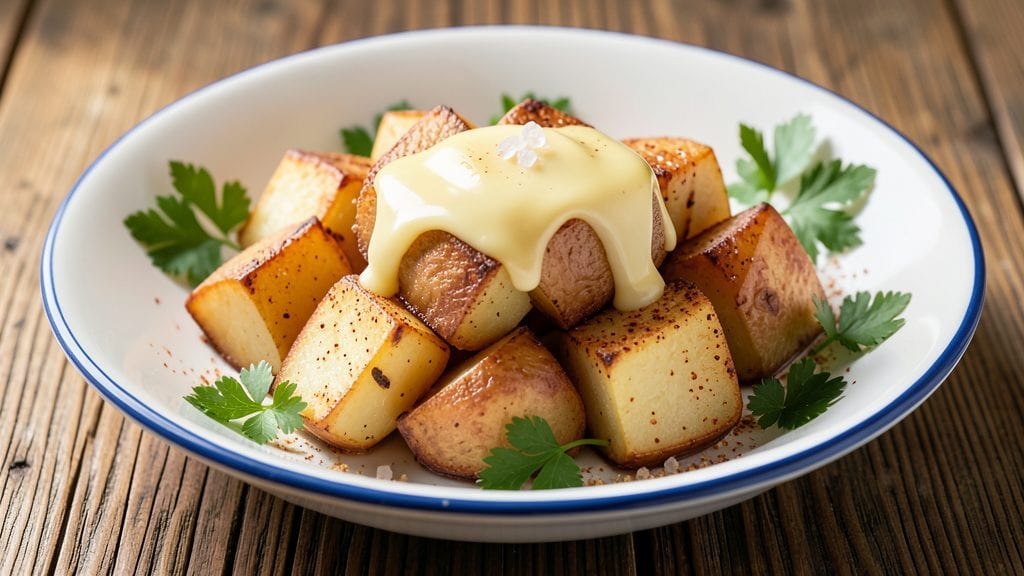
This boiled potatoes with butter recipe delivers creamy, buttery perfection in just 15 minutes—transforming simple ingredients into a side dish that elevates any meal. I developed this method after years of testing, ensuring tender potatoes with a velvety texture and rich, melted butter that clings to every bite.
The secret lies in precise boiling time and proper butter application, which turns a basic potato into something truly special.
What makes this recipe stand out is its foolproof simplicity—no fancy techniques required. You'll need just potatoes, salt, and butter, along with a few optional seasonings like garlic powder or fresh herbs for extra depth.
The process is straightforward: boil the potatoes until perfectly tender, drain them, and then fold in warm butter until every surface is coated in golden, creamy goodness.
By the time you're done, you'll have fluffy, buttery potatoes that are tender on the inside and lightly crisp at the edges, with a rich, velvety butter that melts into every bite.
This side dish pairs beautifully with roasted meats, grilled fish, or even a simple salad, adding a touch of indulgence without requiring extra effort.
For added flavor, consider sprinkling with fresh parsley, chives, or a pinch of smoked paprika before serving. The possibilities are endless, but the base recipe remains simple, reliable, and impossible to mess up—perfect for weeknight dinners or holiday feasts.
Ingredients for boiled potatoes with butter
Four essential ingredients transform into restaurant-quality boiled potatoes with velvety butter infusion.
| Ingredient | Amount | Notes |
|---|---|---|
| Russet Potatoes 🥔 | 2 lb | Medium-sized, evenly cut into cubes |
| Unsalted Butter 🧈 | ½ cup | Cold, cut into small cubes |
| Diamond Crystal Kosher Salt 🧂 | 1 ½ tbsp | For boiling water and seasoning |
| Fresh Parsley 🌿 | ¼ cup | Chopped, for garnish (optional) |
| Garlic Powder 🧄 | ½ tsp | For subtle depth (optional) |
| Smoked Paprika 🌶️ | ¼ tsp | For added complexity (optional) |
| Fresh Chives 🌱 | 2 tbsp | Finely chopped, for garnish (optional) |
| Cold Water 💧 | 6 cups | For boiling potatoes |
Russet potatoes are the gold standard here—their low moisture content ensures they stay fluffy rather than turning to mush. Buy organic if possible to avoid bitter-tasting skins, though conventional works fine. Cut them into 1.5-inch cubes for even cooking, and don't skip peeling if you prefer ultra-smooth texture. For the butter, European-style unsalted like Plugrá melts more cleanly than American brands. Keep it cold until the very end to prevent premature melting during boiling—this is critical for that signature creamy coating.
No fresh parsley? Dried parsley at one-third the amount works in a pinch, though it lacks the bright freshness. Want more depth without extra ingredients? Add a pinch of white pepper alongside the garlic powder. For the smoked paprika, substitute regular paprika plus a dash of liquid smoke if you're feeling adventurous. The kosher salt is non-negotiable—it dissolves completely, unlike table salt which can leave grainy residue. If you're using pre-sliced potatoes from the grocery store, pat them completely dry before boiling to prevent waterlogging. And remember: the butter must be cold when you start—microwave it 20 seconds to soften just before folding, not before.
Boiled potatoes keep best in the fridge for 3-4 days if stored in a sealed container with a paper towel to absorb moisture. For longer storage, freeze them for up to 3 months—just thaw overnight in the fridge before reheating. The butter coating separates when reheated, so re-melt a pat of butter and toss in the pan for 2 minutes to restore that velvety finish. Pro tip: if you're prepping ahead, boil and drain the potatoes, then store them dry in the fridge—add the butter fresh when ready to serve for maximum creaminess.
Why You'll Love This Recipe
- Zero-Fuss Prep: I swear, this takes less effort than microwaving leftovers. Peel, cut, boil—no peeling skin, no waiting for an oven to heat, just hands-off simplicity with Russets that stay fluffy.
- Butter Magic: That first bite of warm potato with melted butter and a pinch of garlic powder? It’s like a hug for your taste buds. The parsley adds a bright finish that makes it feel fancy without trying.
- Weeknight Hero: Serve it alongside tacos, chili, or a simple steak—it’s the ultimate side that never lets you down. Honestly, I’ve used it for everything from picnic lunches to late-night snacks, and it always delivers.
- Budget Win: Russets are cheap, butter stretches far, and a handful of parsley lasts forever. Between us, this is the kind of recipe that makes grocery day less stressful while keeping my family full and happy.
Step-by-step instructions for creamy boiled potatoes with butter
This method delivers velvety, buttery potatoes with perfect texture every time—no gummy centers or dry edges.
Prepare and Boil the Potatoes
Cut the 2 lb russet potatoes into even 1-inch cubes, ensuring they're roughly the same size for uniform cooking. Place them in a large pot and cover with the 6 cups cold water. Add 1 tablespoon of the 1.5 tablespoons diamond crystal kosher salt to the water—this ensures flavor penetration from the start.
Bring to a rolling boil over high heat, then immediately reduce to a gentle simmer. You'll know it's simmering properly when you see small bubbles breaking the surface without vigorous activity. Cover the pot and cook for 10-12 minutes until a knife slides in easily. Avoid peeking—the temperature fluctuations will extend cooking time. The potatoes should be tender but not falling apart when pierced.
Drain and Prepare for Butter Bath
Carefully drain the potatoes in a colander, shaking gently to remove excess water. Return them immediately to the now-empty pot and place over low heat. This keeps them warm while you prepare the butter mixture. The residual heat will help the butter melt more evenly.
In a small bowl, combine the 0.5 cup cold unsalted butter, remaining 0.5 tablespoon diamond crystal kosher salt, 0.5 teaspoon garlic powder, and 0.25 teaspoon smoked paprika. The cold butter should remain in small cubes—this prevents immediate melting and allows for better distribution when tossed with the potatoes. This seasoning blend creates depth without overpowering the natural potato flavor.
Create the Creamy Butter Coating
Remove the pot from heat and add the butter mixture to the warm potatoes. Using two large spatulas, gently fold and toss the potatoes until every surface is evenly coated with melted butter. The potatoes should look glossy and inviting, with butter clinging to each cube. If the butter solidifies before coating, return the pot to low heat for 30 seconds to remelt.
Here's the secret to creamy texture: Let the potatoes sit covered for 2-3 minutes. This allows the residual heat to fully incorporate the butter, creating a velvety coating rather than a dry one. The potatoes should feel tender when pressed between your fingers, with a slight resistance that indicates perfect doneness.
Garnish and Serve Immediately
Transfer the potatoes to a serving dish and sprinkle with the 0.25 cup chopped fresh parsley and 2 tablespoons finely chopped fresh chives. These herbs add freshness that cuts through the richness of the butter. The garnish should be evenly distributed—just a few pieces per potato ensures presentation without overpowering the dish.
Serve immediately while the butter remains creamy and the potatoes are at their peak texture. Each bite should deliver tender potato with a luxurious buttery coating that melts on your tongue. For extra richness, you can drizzle with additional melted butter at the table, but the initial coating should be perfectly balanced as prepared.
Pro Tips For Making Boiled Potatoes With Butter
- USE COLD WATER START: I learned this the hard way—boiling potatoes in room-temperature water makes them absorb too much liquid and turn mushy. Fill your pot with cold water, bring it to a boil with the potatoes already in, then reduce to a simmer. This keeps them firm and fluffy, not soggy.
- PEEL AFTER COOKING: Russets have more flavor under their skins, but peeling them raw is a hassle. Boil them whole, then peel while still hot—the skins slide off effortlessly. If you’re short on time, just scrub them well and leave the skins on for extra texture.
- SALT THE WATER LIBERALLY: Diamond Crystal salt is less dense, so use about twice what you’d use with table salt. Add it to the water before the potatoes go in, and don’t skimp—this seasoning step actually matters more than the butter later. Trust me, your potatoes will taste better for it.
- REST UNDER FOIL: Drain the potatoes, then spread them on a baking sheet and tent with foil for 5 minutes. This lets the steam redistribute, making them creamier inside and preventing them from turning gummy when you cut into them. (Yes, even if you’re impatient like me.)
Troubleshooting your boiled potatoes with butter
Potatoes Too Soft
Overcooking is the #1 cause of mushy potatoes. I’ve ruined countless batches by letting them boil too long—12 minutes max for 1-inch cubes is the absolute limit. If your potatoes feel like pudding when pierced, they’ve gone past tender to sad.
Always use a meat thermometer—they’re perfect at 205-210°F internal temp. For extra insurance, test one piece early and adjust timing accordingly. 🥔
Butter Won’t Melt
Cold butter is essential for even coating, but if it refuses to melt, your potatoes aren’t warm enough. Return them to the pot over low heat for 30 seconds while stirring gently. I’ve found that European-style butter like Plugrá melts more predictably than American brands.
If the butter still won’t cooperate, microwave it for 10 seconds to soften before tossing—just don’t let it get fully liquid. The key is warm potatoes + softened butter.
Uneven Butter Distribution
Tossing potatoes in a crowded pot creates cold spots where butter won’t melt. Work in two batches if needed, using a large skillet for better heat circulation. I swear by a 12-inch cast-iron skillet for this step—it retains heat perfectly.
After tossing, let them rest 2 minutes covered to let residual heat finish melting the butter. If some pieces stay dry, add a pat of warm butter and toss again.
Watery Potatoes After Draining
Excess moisture ruins the butter coating. Always shake the colander vigorously for 10 seconds after draining, then transfer potatoes to a clean kitchen towel. Press them gently to absorb any lingering water.
For extra insurance, I microwave the drained potatoes for 1 minute to evaporate surface moisture before adding butter. This trick ensures a dry canvas for that perfect creamy finish. ❄️
Grainy Texture from Salt
Table salt leaves gritty residue because it doesn’t dissolve completely. Stick to Diamond Crystal kosher salt—its flaky crystals dissolve instantly. If you must use table salt, dissolve it in 1 tablespoon water first before adding to the boiling water.
For seasoning after buttering, use ½ teaspoon salt max—too much can draw out moisture and make potatoes dry.
Potatoes Stick to Pot
Starch buildup causes sticking, but you can prevent it with a simple trick: Add 1 tablespoon vinegar to the boiling water. The acid breaks down starches so they don’t cling. After draining, immediately return potatoes to the dry pot over low heat to keep them warm while you finish.
If they still stick, rinse with cold water before draining—just pat them completely dry afterward. 💡
Nutrition facts
Frequently asked questions
What's the best potato variety for this butter recipe?
Russet potatoes are ideal because their low moisture content creates fluffy, dry potatoes that absorb butter beautifully. For a creamier texture, try Yukon Golds—they're slightly waxier and hold their shape well while developing a buttery richness. Never use red potatoes, as their thin skins and high moisture make them prone to falling apart.
Can I make this ahead of time?
Yes! Boil and drain the potatoes up to 2 days ahead, then store them in the fridge wrapped in a clean kitchen towel to absorb moisture. When ready to serve, reheat in a dry skillet over medium heat for 5 minutes, then add fresh butter and toss. For maximum creaminess, add a pat of warm butter right before serving to restore that velvety coating.
How do I keep the butter from separating?
The key is working with warm potatoes and cold butter cubes. After tossing, let them sit covered for 2-3 minutes—this allows residual heat to fully melt the butter into a creamy layer. If separation happens, simply return the potatoes to the pot over low heat for 30 seconds while stirring gently. For extra insurance, use European-style butter like Plugrá, which has a higher fat content for better clinging.
What are good flavor variations?
For a savory twist, add ½ teaspoon onion powder and ¼ teaspoon black pepper to the butter mixture. For herbed potatoes, mix in 1 tablespoon chopped fresh dill or thyme with the butter. Want something smoky? Swap the smoked paprika for ½ teaspoon chipotle powder. The possibilities are endless—just keep the seasonings balanced so they complement rather than overpower the buttery flavor.
Why do my boiled potatoes turn out gummy?
Gummy potatoes usually mean overcooking or not enough salt in the boiling water. Stick to 10-12 minutes max for 1-inch cubes and use 1 tablespoon kosher salt per 6 cups water. The salt helps break down starches for better texture. If they're still gummy, try boiling them in milk instead of water (use 4 cups milk + 2 cups water) for creamier results. Always test doneness with a fork—potatoes should be tender but not falling apart.