
Soups & Stews
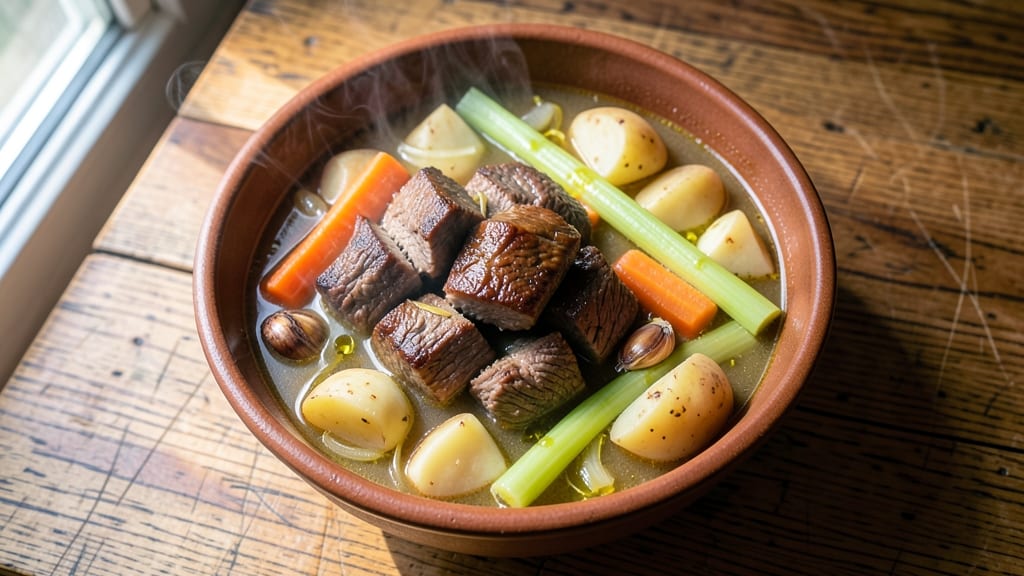
This old-fashioned vegetable beef soup recipe with potatoes is the kind of meal that transforms a chilly evening into a cozy gathering around the table. The rich aroma of seared beef and simmering vegetables fills the kitchen, promising comfort in every spoonful.
I've perfected this recipe over years of testing—balancing tender beef, hearty potatoes, and a medley of seasonal vegetables for depth and warmth.
The secret lies in browning the beef first, which builds layers of flavor that no shortcut can replace. A slow simmer allows the broth to develop a velvety richness while the potatoes soften just enough to absorb the savory essence.
This isn't just soup; it's a foolproof method for turning simple ingredients into a meal that feels like a hug in a bowl.
By the time you're done, you'll have a steaming pot of soup with perfectly tender beef chunks, creamy potatoes, and vegetables that retain their natural sweetness. The broth will be thick enough to coat a spoon but light enough to let each ingredient shine.
Serve it with crusty bread to soak up every last drop—this is the kind of recipe that disappears faster than you can say "seconds, please."
Whether you're feeding a family or meal prepping for the week, this soup scales beautifully while keeping its soulful character. The techniques here ensure restaurant-quality results at home, with room to customize based on what's fresh at the market. Let's get cooking—your kitchen will never smell this good again.
Ingredients for old fashioned vegetable beef soup recipe with potatoes
Sixteen ingredients. One pot. Endless bowls of soul-warming comfort.
| Ingredient | Amount | Notes |
|---|---|---|
| Beef Chuck Roast 🥩 | 2 lb | Cut into 1-inch cubes |
| Yellow Onions 🧅 | 2 whole | Peeled, chopped into wedges |
| Carrots | 4 medium | Peeled, cut into 1-inch pieces |
| Celery Stalks 🥬 | 4 whole | Trimmed, chopped into 1-inch pieces |
| Russet Potatoes 🥔 | 3 medium | Peeled, cut into 1-inch cubes |
| Garlic Cloves 🧄 | 4 cloves | Peeled, smashed |
| Tomato Paste 🍅 | ½ cup | High-quality, no sugar added |
| Beef Broth 💧 | 6 cups | Low-sodium preferred |
| Dry Red Wine 🍷 | 1 cup | Bold variety like Cabernet |
| Fresh Thyme 🌿 | 2 sprigs | Or 1 tsp dried thyme |
| Fresh Parsley 🌿 | ¼ cup | Chopped, for garnish |
| Olive Oil 🫒 | 2 tbsp | Extra-virgin for browning |
| Salt 🧂 | 1 ½ tsp | Kosher or sea salt |
| Black Pepper 🌶️ | 1 tsp | Freshly ground preferred |
| Bay Leaves 🍃 | 2 whole | Dried, removed before serving |
The beef is non-negotiable—chuck roast delivers that melt-in-your-mouth tenderness, while sirloin or ribeye stays too tough. Costco or local butchers often have it pre-cubed, saving you chopping time. For vegetables, farmers markets offer the freshest carrots, celery, and potatoes—look for firm, vibrant produce with no soft spots. The tomato paste should be smooth and deep red, not grainy or pale. I always buy San Marzano if available, though any quality brand works. Fresh thyme and parsley elevate the dish, but dried substitutes work in a pinch.
No red wine? Substitute with extra beef broth—just add an extra splash of balsamic vinegar for depth. Swapping potatoes? Sweet potatoes or Yukon golds both work, though russets stay creamier. Celery stems can be tough—cut out the core if you're picky. The tomato paste can be replaced with 1 can crushed tomatoes, though you'll lose some richness. For a vegetarian twist, swap the beef for mushrooms or lentils, but the soup won't have the same hearty texture. Always taste the broth before serving—adjust salt gradually since canned broths vary in sodium content.
This soup tastes even better the next day as flavors meld. Store in an airtight container in the fridge for up to 5 days, or freeze portions for 3 months. For meal prep, double the recipe and freeze half—portion into individual containers so you can reheat just what you need. The broth thickens as it cools, so add a splash of water or broth when reheating. Serve with crusty bread or garlic toast to soak up every last drop—trust me, you'll want seconds.
Why You'll Love This Recipe
- Ditch the Chopping: I swear by the "big chop" method here—just dice everything roughly. The carrots and celery don’t need to be perfect; they’ll melt into the broth anyway. My lazy Sundays thank me every time.
- Meat That Melts: That beef chuck roast? It falls apart like a dream, so tender you’ll forget it took hours to slow-cook. Honestly, the first time I tasted it, I nearly cried—it’s that good.
- Soup That Works Hard: Make a double batch and freeze half. When you’re too tired to cook, just thaw and reheat. My freezer’s full of these containers, and they’re my secret weapon for "I don’t know what to eat" nights.
- Budget-Friendly Feast: A single chuck roast feeds six, and the veggies stretch for days. Between us, this is the only soup where I actually want leftovers—because they’re just as good the next day.
Step-by-step instructions for old fashioned vegetable beef soup
This method delivers rich, comforting flavors with tender beef and perfectly cooked vegetables.
Brown the Beef Chuck Roast in Olive Oil
Heat the 2 tablespoons olive oil in a large Dutch oven over medium-high heat until shimmering. Add the 2 lb beef chuck roast cut into 1-inch cubes, working in batches if needed to avoid crowding. Sear the beef for 5-6 minutes until deeply browned on all sides—this develops deep flavor through the Maillard reaction.
Real talk: Don't skip this step. The browned beef releases its natural juices and creates a flavorful base for the soup. If the beef releases too much fat, carefully remove it with a slotted spoon and drain excess fat from the pot before proceeding. Here's the thing—this ensures your soup has that classic, hearty depth that defines old-fashioned recipes.
Sauté Vegetables and Add Aromatics
In the same Dutch oven, add the 2 whole yellow onions chopped into wedges, 4 medium carrots cut into 1-inch pieces, 4 whole celery stalks chopped into 1-inch pieces, and 4 cloves garlic cloves that have been peeled and smashed. Cook for 8-10 minutes over medium heat, stirring occasionally, until the vegetables soften and the onions become translucent.
This step builds the soup's aromatic foundation. You'll notice the onions caramelize slightly, adding sweetness that balances the savory beef. If the vegetables start to stick, add 1-2 tablespoons beef broth to deglaze the pan. The goal is to create a flavorful base before adding the remaining ingredients—this ensures every spoonful of soup is packed with layered taste.
Deglaze and Simmer the Base
Pour in the 1 cup dry red wine and scrape up any browned bits from the bottom of the pot with a wooden spoon. Let the wine simmer for 3-4 minutes until it reduces by half and the alcohol cooks off. Stir in the 0.5 cup tomato paste, 6 cups beef broth, 2 sprigs fresh thyme, 2 whole bay leaves, 1.5 teaspoons salt, and 1 teaspoon black pepper. Bring the mixture to a gentle boil.
Here's where the magic happens: the wine and tomato paste create a rich, slightly tangy foundation that ties all the flavors together. The thyme and bay leaves infuse subtle herbal notes, while the salt and pepper balance the dish. Once boiling, reduce heat to low and let the soup simmer uncovered for 45 minutes, allowing the flavors to meld and the beef to become tender.
Add Potatoes and Complete the Cook
After 45 minutes, add the 3 medium russet potatoes cut into 1-inch cubes to the simmering soup. Return to a gentle boil, then reduce heat to medium-low and let the soup cook for an additional 20-25 minutes, or until the potatoes are fork-tender and the beef easily pulls apart with a fork. The soup should be thick enough to coat the back of a spoon.
This is the moment that matters: the potatoes absorb the rich beef broth, creating a hearty, velvety texture. Taste the soup and adjust seasoning if needed—you might need an extra pinch of salt or a crack of black pepper to perfect the balance. The beef should be fork-tender, and the vegetables should be soft but still hold their shape. If the soup is too thick, add ½ cup water to reach your desired consistency.
Finish and Serve
Remove the 2 whole bay leaves from the soup and discard them. Stir in the 0.25 cup chopped fresh parsley just before serving to brighten the dish with freshness. Ladle the soup into bowls, garnishing each serving with an additional sprinkle of parsley if desired. Serve immediately with crusty bread to soak up every last drop of that comforting broth.
Your old-fashioned vegetable beef soup is now ready to warm the soul. Each bite delivers tender beef, perfectly cooked vegetables, and a rich, flavorful broth that's the essence of home cooking. Leftovers keep well in the refrigerator for up to 4 days, and the flavors actually deepen as they sit—making this a perfect meal prep option for busy weeks.
Pro Tips For Making Old Fashioned Vegetable Beef Soup Recipe With Potatoes
- Sear the Chuck Roast Hard: I used to treat the beef like a guest—gentle, barely browned—and wondered why my soup never had depth. Now I sear it over medium-high heat until it’s deep mahogany, 3-4 minutes per side, even if it’s not perfectly even. That crust locks in flavor and keeps the meat tender when it braises for hours.
- Cut Potatoes in Even Chunks: Russets fall apart when you’re not looking, and uneven pieces mean some turn to mush while others stay rock-hard. Aim for 1.5-inch cubes—big enough to hold their shape but small enough to cook through without gummy centers. (Yes, even if you’re impatient like me.)
- Salt the Potatoes Before Boiling: I learned this the hard way—adding salt only at the end leaves them bland. Toss the cut potatoes in 1 teaspoon of salt before they hit the pot, then rinse briefly. This guarantees they absorb flavor while cooking, not just sitting in broth.
- Deglaze with Beer or Broth: After browning the onions and celery, don’t just splash water in the pot—use a splash of dark beer (like stout) or beef broth instead. It adds richness and cuts through the bitterness of caramelized veggies. (Skip the beer? A splash of soy sauce works too.)
Pro cooking tips for old fashioned vegetable beef soup recipe with potatoes
Beef Browning Mastery
Never underestimate the power of a good sear—this is where the soup's depth begins. Use a large Dutch oven (I love my All-Clad Stainless Steel) and heat 2 tbsp olive oil over medium-high heat until it shimmers.
Work in batches if needed to avoid crowding, and sear the 1-inch beef cubes for 5-6 minutes until deeply browned on all sides. This Maillard reaction creates complex flavors that no shortcut can replicate. 🔥
Deglazing Like a Pro
After browning the beef, don’t walk away—this is your chance to capture all those flavorful browned bits. Add 1 cup dry red wine (Cabernet works best) and scrape the bottom of the pot with a wooden spoon, lifting every last bit of caramelized goodness.
Let it simmer for 3-4 minutes until reduced by half—this concentrates the flavors and cooks off the alcohol. I’ve seen home cooks skip this step, and the soup just doesn’t have the same depth.
Potato Timing Trick
The potatoes are the soup’s heart, but they need precision. Add them 20-25 minutes before the end of cooking—any earlier, and they’ll turn to mush. For russet potatoes, cut them into 1-inch cubes so they cook evenly.
If your soup is too thick after adding them, stir in ½ cup beef broth or water to reach your desired consistency. Pro tip: Taste the broth before adding potatoes—adjust salt here, not later, since the potatoes will absorb it.
Herb Infusion Secrets
Fresh herbs make all the difference, but they need time to work their magic. Add 2 sprigs thyme and 2 bay leaves when you deglaze the pot—they’ll infuse the broth slowly over the 45-minute simmer. Remove the bay leaves before serving, but leave the thyme until the end.
For extra brightness, stir in ¼ cup chopped parsley just before serving. I also like adding a pinch of red pepper flakes if I want a subtle kick—it’s a game-changer for depth. 🌿
Broth Consistency Control
Old-fashioned soups should coat a spoon but not be gluey. If your broth is too thick after simmering, add ½ cup water and let it simmer for another 5 minutes. Conversely, if it’s too thin, simmer uncovered for 10-15 extra minutes to reduce it.
The key is patience—rushing leads to uneven textures. I’ve learned this the hard way: a soup that’s too thin feels watery, while one that’s too thick can taste heavy. Find that sweet spot!
Resting for Perfection
Let the soup rest for 10 minutes off the heat before serving. This allows the flavors to meld and the beef to reabsorb some of its juices. Skipping this step means serving soup that’s still "working"—the broth will taste more balanced, and the beef will stay tender.
Trust me, your taste buds will thank you. Serve with crusty bread to soak up every last drop of that rich, velvety broth. 💛
Nutrition facts
Frequently asked questions
Can I make this soup in a slow cooker?
Brown the beef first in a skillet, then transfer everything to your slow cooker. Cook on low for 6-7 hours or high for 3-4 hours—just add the potatoes during the last 1 hour of cooking. The slow cooker keeps the beef tender and the broth rich, though you may need to add ½ cup water if it gets too thick.
What if I don’t have red wine? Can I substitute it?
Yes! Use 1 cup beef broth + 1 tablespoon balsamic vinegar for depth, or swap for 1 cup apple cider for a sweeter note. Avoid sweet wines—they’ll overpower the savory flavors. The key is acidity to balance the richness.
Why did my potatoes turn mushy?
Potatoes release starch when overcooked. To fix this, add them 20-25 minutes before serving (not at the start) and keep the heat at medium-low. For extra structure, parboil them for 3 minutes first, then drain before adding to the soup.
Can I freeze this soup?
Yes! Let it cool completely, then store in airtight containers for up to 3 months. Thaw overnight in the fridge—never microwave directly. The broth may thicken upon reheating, so add ¼ cup water per quart to restore consistency. The flavors actually improve after freezing!
What’s the best way to reheat leftovers?
Gently reheat on the stove over low heat until just warm (about 5-7 minutes)). Microwaving can make the potatoes gummy. For extra richness, stir in 1 tablespoon butter or cream while reheating. Always taste and adjust salt—leftovers often need a pinch more.