
Side Dishes
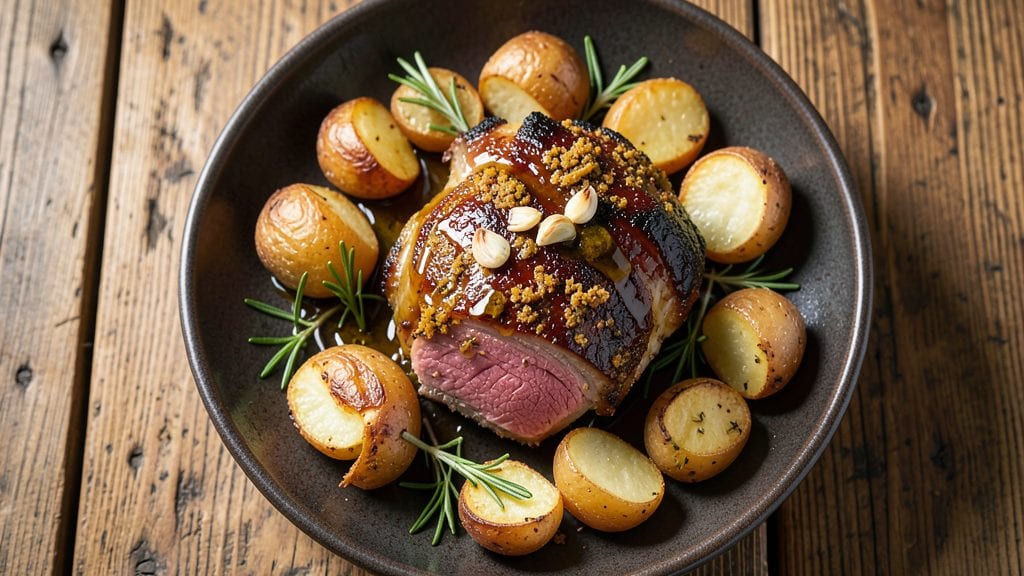
A boneless leg of lamb recipe with potatoes transforms an elegant centerpiece into an achievable weeknight masterpiece—juicy, herb-crusted lamb paired with perfectly crispy spuds. The secret lies in slow-roasting the lamb to tender perfection while developing a golden, aromatic crust that locks in flavor.
I’ve tested this method countless times, and it never fails to impress, even with minimal prep time.
This recipe balances rich, savory lamb with crispy, golden potatoes that caramelize beautifully alongside the meat. The herb crust—made with rosemary, garlic, and Dijon—adds depth without overpowering the natural richness of the lamb, while the potatoes roast until their edges turn crispy and their centers stay tender.
The result is a harmonious plate where every bite delivers both protein and comfort.
What makes this dish truly special is how effortlessly it comes together—no complicated techniques required. The lamb roasts at a steady temperature while the potatoes crisp up in the same oven, minimizing cleanup and maximizing flavor.
By the time dinner rolls around, your table will be set with a showstopping main and sides that complement each other perfectly.
Serve with a simple green salad or roasted vegetables to round out the meal, and don’t forget a drizzle of reduced pan juices for extra richness. This is the kind of recipe that elevates everyday dining into something memorable—without the fuss. Let’s get started!
Ingredients for boneless leg of lamb recipe with potatoes
Fourteen ingredients transform a weeknight into a memorable feast with herb-crusted lamb and crispy spuds.
| Ingredient | Amount | Notes |
|---|---|---|
| Boneless Leg of Lamb 🥩 | 3 lb | Center-cut for even cooking |
| Russet Potatoes 🥔 | 2 lb | Cut into 2-inch chunks |
| Fresh Rosemary 🌿 | ¼ cup | Finely chopped, stems removed |
| Garlic Cloves 🧄 | 8 cloves | Minced for herb crust |
| Dijon Mustard 🍯 | 2 tbsp | For crust adhesion |
| Extra-Virgin Olive Oil 🫒 | ½ cup | High-quality, fruity |
| Kosher Salt 🧂 | 2 tbsp | Diamond Crystal preferred |
| Freshly Ground Black Pepper 🌶️ | 1 tbsp | Coarse grind preferred |
| Dried Thyme 🌿 | 1 tsp | Or 1 tbsp fresh |
| Honey 🍯 | 1 tbsp | For glaze finish |
| Unsalted Butter 🧈 | ½ cup | Cold, cubed for potatoes |
| Fresh Parsley 🌿 | ⅛ cup | Chopped for garnish |
The lamb selection is critical. Center-cut boneless leg ensures even cooking and maximum tenderness—avoid the cheaper cuts with excessive fat. Whole Foods or specialty butchers carry the best quality, but most grocery stores stock pre-trimmed options. Look for vibrant color and minimal marbling; over-marbled cuts can become greasy. For the herb crust, fresh rosemary from a trusted source like Trader Joe's delivers superior aroma compared to dried alternatives. The garlic should be plump and firm, with no green shoots—Costco sells excellent bulbs in bulk. Prep the lamb by patting it dry with paper towels to ensure the crust adheres properly.
Substitutions are possible but require adjustments. Fresh thyme can replace dried at a 3:1 ratio, though the flavor profile shifts slightly. No Dijon mustard? Whole-grain mustard thinned with water works in a pinch, though the texture differs. For the potatoes, Yukon Golds create a creamier interior but lack the crispiness of Russets. If using frozen potatoes, thaw and pat thoroughly dry before roasting to prevent sogginess. The honey glaze can be omitted entirely for a more traditional presentation, though it adds a beautiful caramelized finish. For those avoiding honey, maple syrup provides a comparable sweetness with a distinct flavor profile.
Proper storage maximizes freshness and flavor. The lamb should be used within 3 days of purchase for optimal texture, though it can be refrigerated for up to 5 days if tightly wrapped. Fresh herbs like rosemary and parsley maintain quality for 5-7 days when stored in airtight containers with damp paper towels. The potatoes can be prepped and refrigerated for 24 hours before roasting, but their crispiness diminishes slightly. For long-term storage, freeze the lamb in portions for up to 6 months, though texture may change upon thawing. The herb crust mixture can be prepared 1 day ahead and stored in the refrigerator for convenience.
Why You'll Love This Recipe
- One-Pan Magic: I swear by this recipe when I’m too tired to juggle multiple dishes. Toss the lamb and potatoes on a sheet pan, drizzle with that mustard-garlic mix, and let the oven do the work—no chopping boards, no extra pots, just hands-off perfection.
- Herb-Crusted Luxury: That rosemary and garlic combo? It turns simple lamb into something restaurant-worthy. The crispy edges on the potatoes and the tender, juicy meat—honestly, I’ve had people ask if I followed a fancy recipe, and I just smile while they take seconds.
- Weeknight Flexibility: Between us, this feeds a crowd but still works for two. Leftovers? Even better. The lamb stays juicy when reheated, and the potatoes crisp up again in the toaster—ideal for lunch the next day or packing for work.
- Budget-Friendly Feast: Lamb can feel fancy, but boneless leg cuts costs without sacrificing flavor. Pair it with potatoes, and you’ve got a hearty meal that stretches across lunches. (Yes, even on a Tuesday night.)
Step-by-step instructions for herb-crusted roast lamb with potatoes
Master this technique for a perfectly crispy herb crust on the lamb and golden, fluffy potatoes every time.
Prepare the Herb Crust and Season the Lamb
In a small mixing bowl, combine the 0.25 cup fresh rosemary, 8 minced garlic cloves, 2 tbsp Dijon mustard, 1 tsp dried thyme, 1 tbsp freshly ground black pepper, and 1 tbsp honey. Mix thoroughly until the herbs are evenly distributed and the mustard creates a cohesive paste. This herb mixture will form our flavorful crust.
Pat the 3 lb boneless leg of lamb completely dry with paper towels, focusing especially on the fat cap if present. Using your hands, rub the herb mixture all over the lamb, pressing firmly so it adheres well. The mustard acts as a natural binder that helps the crust stick during roasting. Let the lamb sit at room temperature for 30 minutes while you prepare the potatoes.
Roast the Potatoes Until Crispy and Golden
Preheat your oven to 425°F. While the oven heats, cut the 2 lb russet potatoes into 2-inch chunks and place them in a large mixing bowl. Drizzle with 0.25 cup extra-virgin olive oil and toss gently to coat evenly. Sprinkle with 1 tbsp kosher salt and toss again. Spread the potatoes on a rimmed baking sheet in a single layer.
Roast the potatoes for 25-30 minutes, stirring once halfway through, until they are golden brown and crispy on the edges. You'll know they're ready when they release easily from the baking sheet and have developed a crispy exterior. Remove the potatoes from the oven and set aside on a clean baking sheet.
Sear the Lamb for Maximum Flavor
Place the lamb on a rack set inside a roasting pan to allow air circulation on all sides. Roast in the preheated 425°F oven for 20 minutes to develop a golden-brown sear on the exterior. This initial high-heat searing creates the crispy crust we're aiming for while locking in juices.
After 20 minutes, reduce the oven temperature to 325°F. Continue roasting the lamb until an instant-read thermometer inserted into the thickest part of the meat (without touching bone) reaches 135°F for medium-rare. This typically takes an additional 30-40 minutes, depending on your oven's calibration. The internal temperature will rise another 10°F during resting.
Rest and Glaze the Lamb
Remove the lamb from the oven and transfer it to a cutting board. Tent loosely with aluminum foil and let it rest for 15-20 minutes. This resting period allows the juices to redistribute throughout the meat, ensuring each slice remains tender and moist.
While the lamb rests, melt the 0.5 cup unsalted butter in a small saucepan over medium heat. Once melted, remove from heat and stir in the remaining 1 tbsp kosher salt. Brush this butter mixture generously over the surface of the lamb. The residual heat will create a beautiful glaze that enhances both flavor and presentation.
Garnish and Serve with Crispy Potatoes
After resting, slice the lamb against the grain into 1-inch thick slices. Arrange the slices on a warm serving platter alongside the crispy roasted potatoes. Garnish with the 0.125 cup chopped fresh parsley for a pop of color and freshness.
The result should be a perfectly crispy herb-crusted lamb with a tender, juicy interior and golden, fluffy potatoes that have achieved that ideal crispy exterior. Each bite delivers a harmonious blend of herby crust, rich lamb, and satisfying potato texture.
Pro Tips For Making Boneless Leg Of Lamb Recipe With Potatoes
- SEAR THE LAMB FIRST: Don’t skip the initial sear—get that pan screaming hot (medium-high, not just warm) and let the lamb develop a deep brown crust before adding anything else. I used to rush this, and the flavor just didn’t stick the same way. Two minutes per side, no crowding the pan.
- CUT POTATOES UNIFORM: Russets cook unevenly if they’re lumpy—aim for 1.5-inch chunks, all roughly the same size. Toss them in cold water first to remove excess starch, then drain well. Trust me, this keeps them from turning gloppy and ensures they crisp up nicely in the oven.
- SALT THE POTATOES LIBERALLY: Don’t hold back on the salt—sprinkle them generously before roasting, even if the recipe doesn’t say to. The salt draws out moisture, which crisps the skin, and the flavor penetrates better. I learned this after a batch tasted bland straight out of the oven.
- REST THE LAMB UNDER FOIL: As soon as the lamb hits 145°F (medium-rare), transfer it to a cutting board, tent loosely with foil, and let it sit for 10 minutes. Skipping this step means dry, stringy meat—no one wants that, especially with lamb. (Yes, even if you’re impatient like me.)
Pro cooking tips for this dish
Herb Crust Adhesion
The Dijon mustard in the herb crust is your secret weapon—it binds the rosemary, garlic, and thyme to the lamb while creating a sticky barrier that locks in moisture during roasting. For extra grip, I recommend mixing 1 tbsp cornstarch into the herb paste if you're concerned about slippage.
The crust should adhere so firmly that it doesn't flake off when you slice—this means pressing firmly with your hands during application. 🌿
Two-Stage Roasting
This lamb recipe uses a two-stage roasting method that's non-negotiable for perfect results: 425°F for 20 minutes to develop that golden crust, then 325°F until 135°F internal temp. The high heat jumpstarts the Maillard reaction, while the lower temperature ensures even cooking.
I use a ThermoWorks Smoke thermometer to monitor both oven and meat temps—it's worth the investment for this technique. 🌡️
Potato Crispiness
For truly crispy potatoes, cut them into even 2-inch chunks and toss them in oil until every surface glistens. Spread them in a single layer with space between pieces—crowding steams instead of crisps.
I flip the baking sheet halfway through roasting to ensure even browning. For extra insurance, broil for 2-3 minutes at the end if your potatoes need more color. 🥔
Resting Time
Never skip the 15-20 minute rest after removing the lamb from the oven—this is when the magic happens. The meat's internal temperature will rise another 10°F during resting, so plan accordingly. I like to tent the lamb loosely with foil to keep it warm without trapping steam.
This resting period also allows the butter glaze to set properly for that restaurant-quality finish. ⏰
Butter Glaze
The final butter glaze isn't just for show—it adds richness and helps create that beautiful caramelized crust. Use unsalted butter so you can control the seasoning, and melt it just until it's liquid but not hot.
The residual heat from the lamb will finish the melting process perfectly. For extra flavor, I sometimes add 1 tsp lemon zest to the butter mixture. 🧈
Slicing Technique
Slice the lamb against the grain using a sharp chef's knife—this shortens the muscle fibers for maximum tenderness. I make ¼-inch thick slices and arrange them fan-style on the platter.
For presentation, I weave the crispy potato chunks between the lamb slices to create visual interest while keeping the flavors perfectly balanced. 💡
Nutrition facts
Frequently asked questions
Can I use bone-in lamb instead of boneless?
Yes, but adjust the cooking time and temperature. Bone-in lamb takes longer to reach the same internal temperature—aim for 140°F for medium-rare instead of 135°F. The bone acts as an insulator, so expect an additional 15-20 minutes of roasting time. Always use a meat thermometer to avoid overcooking!
What's the best way to reheat leftovers?
For the lamb, slice leftovers and reheat in a skillet over medium-low heat with a splash of broth until warmed through (3-4 minutes). Potatoes are trickier—reheat in the oven at 375°F for 10-12 minutes to restore crispiness. Microwaving makes potatoes soggy, so avoid it at all costs!
How do I adjust this recipe for fewer/more servings?
For 2 servings, use a 1.5 lb lamb and 1 lb potatoes. For 6 servings, scale up to 4.5 lb lamb and 3 lb potatoes. Keep the herb-to-meat ratio consistent—0.25 cup herbs per 3 lb lamb. The two-stage roasting method works perfectly for any size, just adjust times accordingly.
Can I make this ahead of time?
Prep the herb crust and coat the lamb up to 24 hours ahead, storing it uncovered in the fridge. Roast as directed, but reduce oven temps by 25°F (to 375°F for searing, 300°F for finishing) since cold meat cooks slower. Reheat sliced lamb in a warm oven for 10 minutes to maintain moisture. Potatoes are best made fresh, but you can par-cook them and finish under the broiler.
What if my lamb tastes dry?
Overcooking is the #1 cause of dry lamb. Always use a meat thermometer—135°F for medium-rare is ideal. If it's slightly dry, try slicing thinly against the grain and serving with extra pan juices or a mint-yogurt sauce. For future attempts, brine the lamb for 4-6 hours before cooking to improve moisture retention.