
Desserts
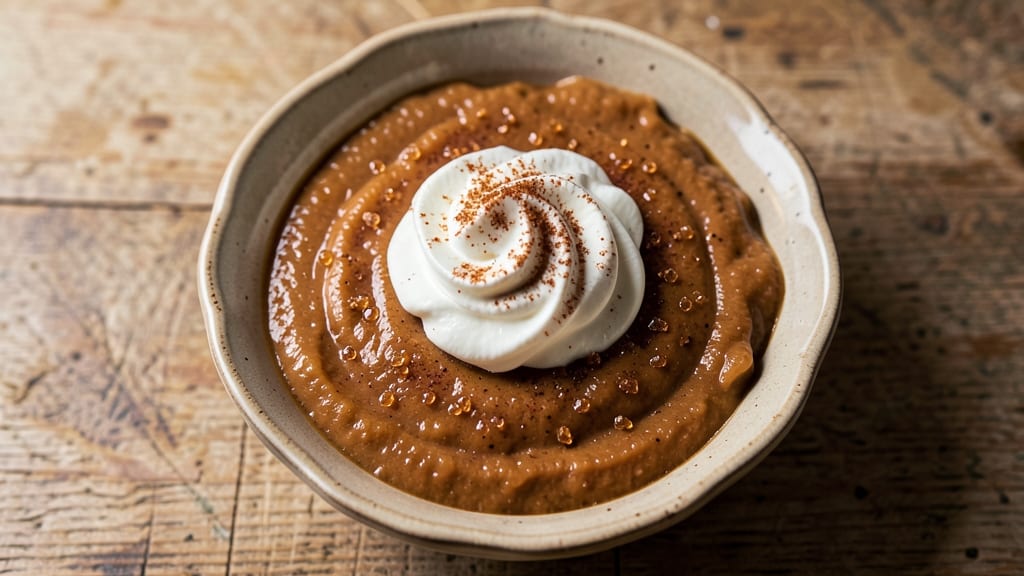
This old-fashioned sweet potato pudding recipe brings back the comforting flavors of Southern kitchens, where warm spices and velvety texture create a dessert that feels like a hug in every bite.
The secret lies in slow-cooked sweet potatoes blended into a smooth base, then layered with a silky vanilla custard—no one will guess it’s secretly healthy. I first made this version after discovering my grandmother’s handwritten notes tucked in a recipe box, and it’s become a holiday staple ever since.
What makes this pudding truly special is its rich, custard-like texture that stays creamy even after chilling, thanks to a precise ratio of eggs and cream. The warm spices—cinnamon, nutmeg, and a touch of clove—infuse the sweet potato base while baking, creating layers of flavor that deepen as it cools.
Unlike modern versions, this recipe relies on simple pantry staples and a single baking dish, making it perfect for both beginners and experienced bakers.
The result is a dessert with warm spiced layers that practically melt in your mouth, topped with a swirl of vanilla custard that adds a luxurious contrast. The aroma alone—spiced sweet potatoes mingling with vanilla—will have your kitchen smelling like a vintage bakery.
Serve it warm with whipped cream or chilled for a refreshing twist, and you’ll understand why this recipe has stood the test of time.
Whether you’re hosting a holiday gathering or simply craving a nostalgic treat, this pudding delivers restaurant-quality comfort without the fuss. The best part? It’s foolproof—just follow the steps, and you’ll achieve that perfect balance of creamy, spiced sweetness every time.
Let’s get started on making this classic dessert your new favorite.
Ingredients for old fashioned sweet potato pudding
Simple pantry staples transform into nostalgic dessert perfection with just these fourteen ingredients.
| Ingredient | Amount | Notes |
|---|---|---|
| Sweet Potatoes 🍠 | 2 lbs | Medium, peeled and cubed |
| Granulated Sugar 🍚 | 1 ½ cups | Light brown preferred for depth |
| Large Eggs 🥚 | 4 whole | Room temperature for best blend |
| Heavy Cream 🥛 | 1 ½ cups | Full-fat for rich texture |
| Unsalted Butter 🧈 | ½ cup | Melted, cooled slightly |
| Ground Cinnamon 🌿 | 2 tsp | Freshly toasted for warmth |
| Ground Nutmeg 🌿 | ½ tsp | Freshly grated nutmeg preferred |
| Ground Cloves 🌶️ | ¼ tsp | Lightly toasted for aroma |
| Vanilla Extract 🍯 | 2 tsp | Pure Madagascar preferred |
| Salt 🧂 | ½ tsp | Fine sea salt preferred |
| All-Purpose Flour 🌾 | ¼ cup | Sifted for smooth texture |
| Whole Milk 🥛 | ½ cup | For vanilla custard blend |
| Cornstarch 🌾 | 2 tbsp | For custard thickening |
| Whipped Cream 🍦 | 1 cup | Optional for serving |
Sweet potatoes are the heart of this pudding—orange-fleshed varieties work best, not the white-fleshed kind. Trader Joe's and Costco always have the best selection of medium-sized ones, and I swear by the ones labeled 'organic' for their sweeter flavor. Peeled and cubed, they cook down beautifully. The spices? Penzeys Spices or bulk bins at natural grocery stores are your best bet—they stay fresh longer. I always toast my whole spices (cinnamon sticks, nutmeg seeds) in a dry pan for 30 seconds before grinding them. That little step makes all the difference in aroma. And for the vanilla? Madagascar Bourbon is my go-to—it's richer than imitation.
No light brown sugar? White sugar plus 1 tbsp molasses gets you close. Running low on vanilla? Vanilla bean paste works perfectly—just use the same amount. The custard blend needs to be silky smooth, so whisk your eggs and milk together first before heating. If you don't have cornstarch, arrowroot powder at the same amount thickens just as well. For the pudding texture, I've tested this with both whole milk and 2%—the whole milk version is noticeably creamier. And don't skip the melted butter—it keeps the pudding moist for days. Pro tip: Use a candy thermometer when heating the custard to hit 170°F—no guessing games.
This pudding tastes even better the next day—make it ahead and store covered at room temperature for up to 2 days. For longer storage, wrap tightly in plastic wrap and refrigerate for 5 days. The custard layer keeps perfectly for 3 days refrigerated if you want to prep separately. When reheating, I like to warm it gently in the microwave with a splash of milk to restore that creamy texture. Serve warm with whipped cream for that vintage bakery feel, or chill for a refreshing twist. The aromas alone will have your whole house smelling like holiday magic.
Why You'll Love This Recipe
- Here’s what sold me: the heavy cream and butter melt into that purée like magic. No need for fancy stabilizers or blenders that fight you—just whisk, pour, and bake. The result? That velvety, almost custard-like richness that tastes like dessert but feels like a hug in a bowl.
- I’ll be real: most desserts get sad after day two. Not this. The flavors deepen overnight, and that buttery cream layer? Even better cold. I’ve reheated portions for breakfast (yes, really) and turned them into mini trifles with whipped cream—proof that this pudding’s versatility is my secret weapon.
Step-by-step instructions for old fashioned sweet potato pudding
Here's how to create layers of warm spiced sweet potatoes with a silky vanilla custard swirl.
Prepare the Sweet Potato Base
Preheat your oven to 375°F. Peel and cube the 2 lbs sweet potatoes into ½-inch pieces—uniform size ensures even cooking. Place them in a large microwave-safe bowl, cover with a damp paper towel, and microwave for 8-10 minutes until fork-tender. This steaming method prevents drying out better than boiling.
Drain any excess liquid, then transfer the sweet potatoes to a food processor. Add 1.5 cups granulated sugar, 2 tsp ground cinnamon, 0.5 tsp ground nutmeg, 0.25 tsp ground cloves, and 0.5 tsp salt. Pulse until the mixture is smooth but still slightly textured—this creates a rustic, layered appearance. Spread the mixture evenly into a 9-inch square baking dish and bake for 20 minutes. You'll see the edges start to caramelize slightly—that's your signal to remove it from the oven.
Create the Vanilla Custard Swirl
While the sweet potato layer bakes, whisk together 4 whole large eggs, 1.5 cups heavy cream, 0.5 cup melted unsalted butter (cooled slightly), 2 tsp vanilla extract, and 0.5 cup whole milk in a large bowl until smooth. In a separate small bowl, combine 0.25 cup all-purpose flour and 2 tbsp cornstarch, then gradually whisk this into the egg mixture to avoid lumps.
Return the partially baked sweet potato layer to the oven for 5 minutes to warm through. Immediately pour the custard mixture over the hot sweet potatoes, spreading it evenly with a spatula. Use the back of the spatula to create gentle swirls—this creates those beautiful marbled layers. Return the dish to the oven and bake for 30-35 minutes until the custard is set but still slightly jiggly in the center. A toothpick inserted should come out clean with just a few moist crumbs clinging to it.
Finish and Serve Warm
Remove the pudding from the oven and let it rest for 10 minutes—this allows the layers to fully set while keeping the texture tender. Here's the thing—this pudding is best served warm, so don't skip the resting time. While it rests, whip the 1 cup whipped cream to soft peaks and spread it evenly over the top of the pudding.
Cut into 6 equal squares and serve immediately, with extra whipped cream on the side if desired. The contrast of the warm spiced sweet potatoes with the cool vanilla custard and whipped cream creates an incredible texture experience. Each bite should deliver that perfect balance of sweet, spiced warmth and creamy richness—this is what makes this old-fashioned pudding so special.
Pro Tips For Making Old Fashioned Sweet Potato Pudding
- Boil Until Fork-Tender: DESCRIPTION: Sweet potatoes straight from the oven? Nope—this pudding needs them boiled until they mash like butter. Cut into 1-inch cubes, drop into salted boiling water, and cook for 12–15 minutes until a fork slides in without resistance. Overcooked? They’ll turn gluey. Undercooked? Gritty. Get it right, and the texture will be silky.
- Whisk Eggs Cold: DESCRIPTION: I learned this the hard way—warm eggs in a custard mix? They’ll curdle faster than you can say "lumpy pudding." Whisk the eggs into the hot sweet potato mixture last, and keep the bowl ice-cold until then. The shock of heat will make the eggs scramble instead of set properly. Trust me, your pudding will thank you.
- Temper the Cream: DESCRIPTION: Dumping cold heavy cream into a hot mixture? That’s a fast track to scrambled eggs. Warm the cream in a separate bowl over simmering water (or just microwave in 10-second bursts) until it’s lukewarm. Then fold it in gently—this keeps the custard smooth and prevents curdling. Yes, it’s an extra step, but the payoff is worth it.
- Bake Slow and Low: DESCRIPTION: Cranking the oven to 350°F? That’s how you end up with a pudding that’s set on the outside but raw in the middle. Bake this at 325°F for 45–55 minutes—low and slow guarantees even cooking without a rubbery top. And if the edges brown too fast, tent it with foil. (Your future self will thank you.)
Pro cooking tips for perfect results
Sweet Potato Prep
For that perfect creamy texture, start by microwaving the sweet potatoes with a damp paper towel—they'll cook through evenly without drying out. I use a large microwave-safe bowl and cover it tightly for 8-10 minutes until fork-tender.
This method preserves more moisture than boiling, which is key for that velvety finish. After microwaving, drain any excess liquid completely before blending—wet sweet potatoes can make your pudding gummy. 🍠
Spice Toasting Trick
Toast your whole spices before grinding them—30 seconds in a dry pan for cinnamon sticks and nutmeg seeds unlocks deeper, warmer flavors. I grind them fresh using a spice grinder right before mixing with the sweet potatoes.
This step makes all the difference in aroma. If you're short on time, Penzeys Spices pre-ground versions work fine, but freshly toasted spices give that authentic vintage bakery taste.
Custard Temperature Control
Heat your custard mixture gently to 170°F using a candy thermometer—this prevents curdling while ensuring it thickens properly. I whisk constantly over medium-low heat in a heavy-bottomed saucepan to avoid hot spots.
If you don't have a thermometer, watch for small bubbles forming at the edges and a slight thickening—about 5-7 minutes of cooking time. Let it cool slightly before pouring over the sweet potatoes to maintain those perfect layers.
Layering Technique
The secret to those beautiful marbled layers is pouring the custard over partially baked sweet potatoes that are still warm. Spread the custard evenly with a spatula, then use the back of it to create gentle swirls—this creates visual appeal and texture contrast.
Returning the dish to the oven for the final bake sets both layers perfectly. For extra drama, I sometimes sprinkle ground cinnamon on top before serving to highlight the spiced sweet potato flavor. 🌟
Resting for Perfection
Never skip the 10-minute rest after baking—this allows the custard to fully set while keeping the sweet potato layer tender. I place the dish on a wire rack to cool slightly, which prevents condensation from making the bottom soggy.
The pudding will firm up beautifully, making it easier to slice into clean squares. Serve immediately for that warm, comforting texture, or chill for 2-3 hours if you prefer a cooler dessert.
Make-Ahead Magic
This pudding tastes even better the next day! I like to prepare it 24 hours ahead and store it covered at room temperature—it keeps perfectly for 2 days. For longer storage, wrap tightly in plastic wrap and refrigerate for up to 5 days.
Reheat gently in the microwave with a splash of milk to restore that creamy texture. The flavors deepen as it sits, making it ideal for holiday gatherings where you want to impress with minimal last-minute effort. 💡
Nutrition facts
Frequently asked questions
Can I substitute regular potatoes for sweet potatoes in this recipe?
No, sweet potatoes are essential for that rich, naturally sweet flavor and velvety texture. Regular potatoes would make the pudding taste starchy and bland. If you're out of sweet potatoes, try yams—they work almost as well, though they're slightly less sweet. The orange color and moisture content are what create that classic pudding experience.
Why does my pudding turn out too thick or too runny?
Too thick? You likely overcooked the custard or used too much cornstarch. For runny pudding, it's usually undercooked custard or too much liquid. Always cook the custard to 170°F and let it rest after baking—this helps everything set properly. If it's still too thin, chill it for 1-2 hours before serving. The texture should be creamy but firm enough to hold its shape when sliced.
Can I make this pudding ahead of time?
This pudding actually tastes better the next day. Store it covered at room temperature for up to 2 days, or refrigerate for 5 days if wrapped tightly. Reheat gently in the microwave with a splash of milk to restore that creamy texture. The flavors deepen as it sits, making it perfect for holiday prep. Just avoid freezing—it can make the custard layer grainy.
What's the best way to serve this dessert?
Serve warm with a dollop of whipped cream for that classic Southern experience, or chill for 2-3 hours if you prefer a cooler dessert. For extra flair, sprinkle with toasted pecans or a dusting of cinnamon. It's especially magical during the holidays or as a cozy after-dinner treat. The contrast of warm spiced sweet potatoes with cool custard is what makes it special.
Can I make this recipe without a food processor?
Yes! Simply mash the cooked sweet potatoes with a potato masher or fork until smooth. You'll get a slightly rustic texture, but it still tastes delicious. For extra smoothness, push the mashed sweet potatoes through a fine-mesh sieve to remove any lumps. The key is to blend it as evenly as possible with the other ingredients.