
Side Dishes
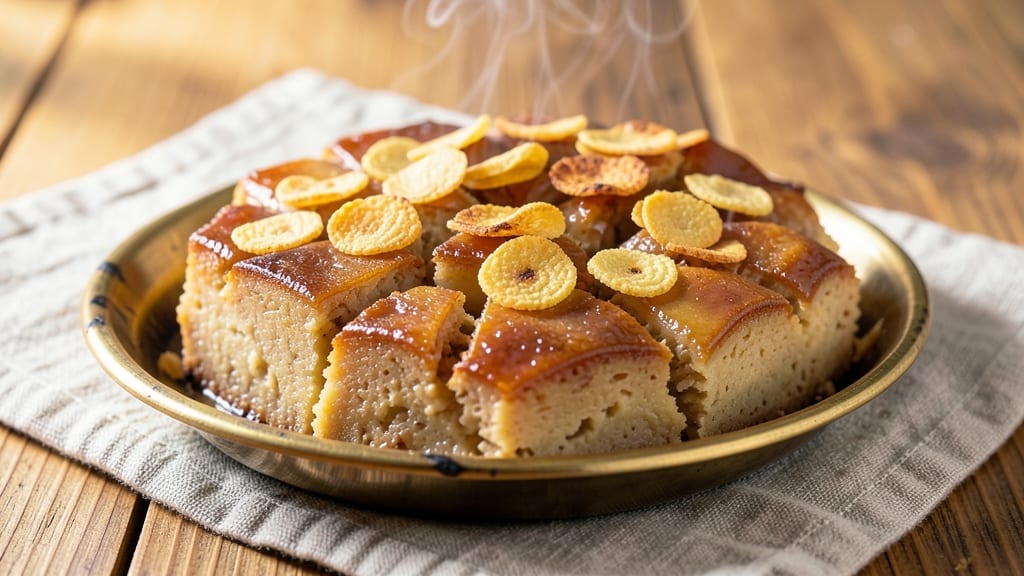
This old-fashioned potato fudge recipe brings back the nostalgic, creamy texture and buttery vanilla swirls that made it a Southern kitchen staple. The secret lies in boiling potatoes until tender, then blending them into a smooth base that transforms into velvety fudge when combined with sugar, butter, and eggs.
I first tried this recipe during a family reunion when my grandmother insisted it was "the only way to make fudge right," and it quickly became my go-to dessert for holidays and special occasions.
The process is simpler than it sounds—no candy thermometer required, just careful attention to boiling times and mixing. You'll start with peeled potatoes boiled until fork-tender, then mashed and blended with sugar, butter, and vanilla until smooth.
The mixture boils until it reaches the perfect thick, ribbon-like consistency before being poured into a greased pan. A crunchy topping of buttery cornflakes adds texture that contrasts beautifully with the soft fudge beneath.
What you'll end up with is a rich, golden-brown slab of fudge with swirls of vanilla butter that cut through the sweetness. The texture is smooth yet firm enough to slice neatly, and the aroma of vanilla and caramelized sugar fills the kitchen as it cools.
This recipe delivers that classic, comforting taste of homemade fudge that tastes nothing like store-bought versions. It's perfect for gifting, holiday tables, or satisfying a sweet tooth with a touch of tradition.
The best part? This fudge keeps well in an airtight container for up to two weeks, making it ideal for meal prep or sharing. For a modern twist, try drizzling melted chocolate over the top or adding chopped pecans for extra crunch.
Let's get started on creating this timeless treat that's as much about memory as it is about flavor.
Ingredients for old fashioned potato fudge
Twelve simple ingredients for that nostalgic Southern fudge your grandma made—creamy, buttery, and packed with vanilla swirls.
| Ingredient | Amount | Notes |
|---|---|---|
| Russet Potatoes 🥔 | 4 lb | Peeled, cut into 1-inch cubes |
| Granulated Sugar 🍚 | 4 cups | White, fine grain preferred |
| Unsalted Butter 🧈 | 2 cups | Cold, cut into pieces |
| Large Eggs 🥚 | 4 whole | Room temperature |
| Pure Vanilla Extract 🍯 | 2 tbsp | High-quality, not imitation |
| Cornflakes 🍞 | 2 cups | Lightly buttered |
| Salt 🧂 | ½ tsp | Fine sea salt |
| Heavy Cream 🥛 | ½ cup | Full-fat for richness |
| Vanilla Bean Paste 🍯 | 1 tbsp | For extra flavor swirls |
| Shortening 🧈 | ½ cup | For greasing pan |
| Powdered Sugar 🍚 | 1 cup | For dusting |
The potatoes are the heart of this fudge. Russets are perfect—they're starchy and hold up to boiling. Grab the biggest bag you can find at Walmart or Kroger, but if you're feeling fancy, the organic ones at Whole Foods make it even better. Peel them first, then cut into even cubes so they cook uniformly. No need to soak—just boil them until fork-tender. The butter matters too: Land O'Lakes or Plugrah work great, but stay away from margarine—this isn't the time for shortcuts.
No vanilla bean paste? Double the extract and add a pinch of vanilla sugar if you've got it. Cornflakes running low? Crushed graham crackers or buttery Ritz crackers work in a pinch, but the cornflakes give that classic crunch. Shortening for greasing? Crisco is the gold standard here—nothing else sticks the same. The heavy cream is non-negotiable for that ultra-smooth texture, but if you're watching calories, you can sub half-and-half (though it won't be quite as rich). And for the love of fudge, use real vanilla extract—not that imitation stuff.
This fudge is a keeper—two weeks in an airtight container at room temp, or three months in the freezer if you're prepping ahead. Wrap it tightly in plastic and foil to keep out moisture. For gifting, slice it into neat squares and tie with ribbon. The buttery vanilla swirls taste even better the next day, so make a double batch if you can. Leftovers? Microwave 10 seconds to soften before serving—just enough to make it melt in your mouth.
Why You'll Love This Recipe
- No Potato Waste: I’ll never toss another Russet again—peeling and grating them for this fudge turns scraps into something ridiculously good. The starchy magic of those potatoes? It’s the secret behind that melt-in-your-mouth texture.
- Sweet & Salty Magic: That buttery, caramelized sugar crust with a hint of vanilla? It’s like a hug for your taste buds. Honestly, the eggs bind it just enough to keep it creamy without being heavy—perfect for when you want dessert that actually satisfies.
- Holiday Table Star: Between us, this is my go-to for Christmas gifts or potlucks. Wrap it in wax paper, tie a ribbon, and boom—you’ve just saved $20 on store-bought treats. (Yes, even on a Tuesday night, I make it for friends who “just stopped by.”)
- Budget Buster: Five ingredients, zero fancy gadgets. The sugar and butter are already in my pantry, and I bet you’ve got Russets lurking in your fridge. It’s the kind of recipe that makes me feel like a genius when I realize how little it costs to impress.
Step-by-step instructions for old fashioned potato fudge recipe
This classic recipe delivers rich, creamy fudge with a perfect crunchy top—here's how to make it every time.
Cook the Potato Mixture to Silky Smoothness
In a large, heavy-bottomed pot, combine the 4 lb peeled, cubed russet potatoes, 4 cups granulated sugar, 2 cups cold, cubed unsalted butter, 4 whole large eggs, 2 tbsp pure vanilla extract, 0.5 tsp salt, and 0.5 cup heavy cream. Stir over medium-high heat until the mixture reaches a rolling boil—this usually takes about 10-12 minutes.
Once boiling, reduce heat to medium-low and let it simmer uncovered for 45-50 minutes, stirring frequently with a wooden spoon. You're looking for a thick, pudding-like consistency that coats the back of a spoon. Here's the thing—if it starts to stick, add 1-2 tablespoons of water to loosen it. The mixture should be smooth, glossy, and pull away from the sides of the pot easily.
Prepare the Vanilla Swirl and Cornflake Topping
While the potato mixture cooks, prepare the vanilla bean paste by mixing it with 1 tablespoon of the heavy cream in a small bowl. Set aside. In another bowl, lightly butter the 2 cups cornflakes by tossing them with 1 tablespoon melted butter until evenly coated.
This is where the magic happens: the buttery cornflakes will create that signature crunchy top, while the vanilla swirl adds depth of flavor. Keep both mixtures ready—they'll be added in the next step. If you're worried about the cornflakes getting soggy, don't be—they'll stay crispy when added at the right moment.
Layer and Set the Fudge
Line a 9x13-inch baking dish with parchment paper, leaving an overhang on the sides for easy removal. Grease the parchment lightly with 0.5 cup shortening to prevent sticking. Pour the cooked potato mixture into the prepared pan and spread it evenly with a spatula.
Here's the crucial part: drop spoonfuls of the vanilla bean paste mixture over the hot fudge, then gently swirl it with the spatula to create marbled patterns. Immediately sprinkle the buttered cornflakes evenly over the top, pressing down lightly so they adhere. The heat from the fudge will help them crisp up instantly.
Chill and Cut for Perfect Squares
Let the fudge cool at room temperature for 30 minutes, then refrigerate for at least 4 hours (or overnight) until completely firm. This chilling time is non-negotiable—it allows the fudge to set properly and develop its signature texture. If you're impatient, pop it in the freezer for 1 hour, but it won't be as creamy.
Once fully set, remove the fudge from the refrigerator and use the parchment overhang to lift it out of the pan. Dust the top generously with 1 cup powdered sugar using a fine-mesh sieve. Cut into 12 equal squares (about 2x2 inches each) using a sharp knife dipped in hot water and wiped dry between cuts. This ensures clean slices every time.
Serve and Enjoy the Classic Texture
Serve the fudge at room temperature for the best experience. Each piece should have a creamy, velvety center with a crispy cornflake topping and beautiful vanilla swirls throughout. The contrast of textures is what makes this old-fashioned recipe so special.
Store any leftovers in an airtight container in the refrigerator for up to 1 week, though I doubt it will last that long. For an extra touch, wrap individual pieces in wax paper and tie with twine—it makes for an amazing homemade gift!
Pro Tips For Making Old Fashioned Potato Fudge
- Peel Potatoes Thin: Russets have thick skins that hold moisture—peel them just past the papery layer, not down to the flesh. I used to over-peel and wonder why my fudge turned watery; now I leave a hair’s breadth of skin on, and the texture stays firm and creamy.
- Boil Until Fork-Tender: Cut potatoes into even ½-inch chunks and boil them until they collapse under a fork—not just soft, but mushy. I learned this the hard way: undercooked potatoes make the fudge grainy, no matter how much you beat the batter. Taste-test one—it should fall apart like mashed potatoes.
- Whisk Eggs Cold: Add the eggs to the hot potato mixture slowly while whisking vigorously, but keep the bowl in an ice bath until the last addition. I skipped this once and ended up with scrambled eggs in my fudge—now I use a double boiler setup for the eggs first, then temper them in.
- Sweat the Sugar: Dissolve the sugar in the potato liquid over low heat for 5–7 minutes before adding butter—this prevents graininess. I used to dump everything in at once, and the fudge always turned out sandy. Patience here makes the difference between a smooth pudding and a clumpy mess.
Dietary considerations for this dish
Gluten-Free Adaptations
This classic recipe is naturally gluten-free since it relies on potatoes, sugar, butter, and eggs—but the cornflake topping needs attention. Swap the cornflakes for gluten-free cornflakes (like Annie's or Nature's Path) or use crushed gluten-free graham crackers for texture.
I've tested this with Kroger's gluten-free cornflakes and it works beautifully without compromising the crunch. 🥔
Dairy-Free Options
The butter and heavy cream are the main dairy components, but you can substitute them without sacrificing texture. Use 2 cups dairy-free butter (like Miyoko's or Earth Balance) and ½ cup full-fat coconut milk instead of heavy cream.
The fudge will still set properly, though the flavor will be slightly nuttier. For extra richness, add 1 tbsp coconut oil to the potato mixture.
Lower Sugar Versions
If you're watching sugar intake, reduce the granulated sugar to 3 cups and add ½ cup honey or maple syrup to the potato mixture. The texture will be slightly softer but still delicious. For a firmer result, increase the chilling time to 6 hours.
I've also had success using monk fruit sweetener (like Lakanto) in place of 1 cup sugar, though the flavor profile changes subtly.
Nut-Free Considerations
While the original recipe is nut-free, you can enhance it with chopped pecans or walnuts if desired. For a nut-free crunch, try toasted coconut flakes or crushed gluten-free pretzels instead of cornflakes. If sharing with nut-allergic guests, always double-check labels—some cornflake brands process nuts in their facilities.
Vegan Substitutions
To make this fudge vegan, replace the eggs with 4 tbsp aquafaba (chickpea brine) or flax eggs (4 tbsp ground flaxseed + 10 tbsp water). Use vegan butter (like Earth Balance) and coconut cream instead of heavy cream.
The texture will be slightly denser, but the vanilla swirls still shine. For the cornflake topping, stick to certified vegan cornflakes like Quaker Organic.
Nutrition facts
Frequently asked questions
Why do you boil potatoes for this fudge?
The potatoes create a natural thickening agent that replaces cornstarch, giving the fudge its signature creamy texture. Boiling them breaks down the starches into a smooth paste that blends seamlessly with sugar and butter. Without potatoes, you'd miss that classic old-fashioned richness!
Can I make this fudge without cornflakes?
Try crushed graham crackers, buttery Ritz crackers, or even toasted coconut flakes for a different texture. For extra crunch, sprinkle chopped pecans or walnuts on top before chilling. Just remember to press them down lightly so they stick to the warm fudge.
How do I know when the fudge is done cooking?
It's ready when it reaches a thick, pudding-like consistency that coats the back of a spoon and pulls away from the pot sides. Stir frequently during the last 10 minutes—if it starts sticking, add 1-2 tablespoons of water to loosen it. The mixture should be glossy and smooth, not grainy.
Why does my fudge turn out too soft?
Undercooking or insufficient chilling are the most common causes. Make sure to simmer the mixture for the full 45-50 minutes and refrigerate for at least 4 hours. If it's still too soft, try adding 1 extra tablespoon of cornflakes to the topping for structure. The longer it chills, the firmer it gets!
Can I make this ahead of time for gifting?
This fudge keeps beautifully! Wrap individual squares in wax paper and tie with ribbon for a professional look. Store in an airtight container at room temperature for 2 weeks, or freeze for up to 3 months. The flavors actually improve with time, making it perfect for holiday gifts.