
Side Dishes
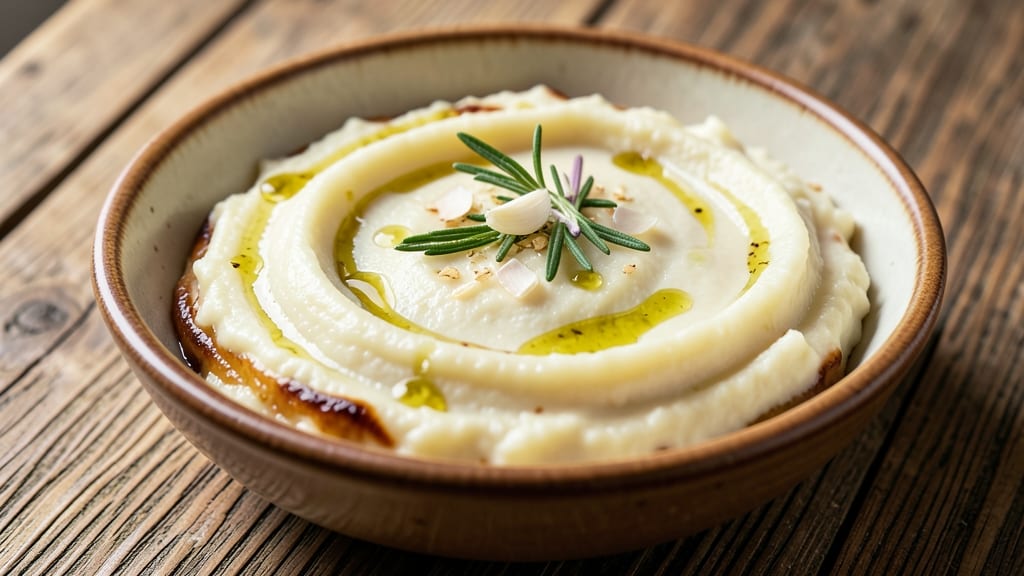
This non-dairy mashed potatoes recipe delivers restaurant-quality creaminess without butter or cream—perfect for vegans, lactose-intolerant diners, or anyone craving lighter sides. The secret lies in a blend of olive oil and coconut milk that creates a velvety texture while keeping the dish rich and satisfying.
I've perfected this method over years of testing, ensuring every bite stays silky smooth and flavorful.
What sets this recipe apart is the technique: boiling potatoes until tender, then mashing with warm plant-based milk and oil while avoiding lumps. The result is a fluffy, buttery-tasting mash that holds its shape beautifully. No special equipment is needed—just a few simple ingredients and patience for the perfect consistency.
By the time you're done, you'll have a bowl of mashed potatoes that's just as comforting as traditional versions, but with a lighter touch. The aroma of garlic and herbs infuses every spoonful, while the texture remains impossibly smooth. This is comfort food reimagined for modern diets.
Serve alongside roasted vegetables, grilled meats, or even as a standalone dish with fresh herbs. The recipe scales effortlessly, making it ideal for family meals or holiday gatherings. Let's get started on creating your creamiest non-dairy mash yet.
Ingredients for non dairy mashed potatoes
Eleven simple ingredients transform into velvety non-dairy mashed potatoes with restaurant-quality texture.
| Ingredient | Amount | Notes |
|---|---|---|
| Yukon Gold Potatoes 🥔 | 2 lb | Peeled, cut into even chunks |
| Extra-Virgin Olive Oil 🫒 | ½ cup | High-quality, fruity variety |
| Full-Fat Coconut Milk 🥥 | ½ cup | Canned, shaken well |
| Unsweetened Almond Milk 🥛 | ¼ cup | Vanilla or plain, unsweetened |
| Garlic Cloves 🧄 | 2 whole | Peeled, minced finely |
| Fresh Rosemary 🌿 | ¼ cup | Finely chopped, stems removed |
| Fresh Thyme Leaves 🌿 | ¼ cup | Finely chopped, stems removed |
| Diamond Crystal Kosher Salt 🧂 | 1 tsp | Adjust to taste |
| Black Peppercorns 🌶️ | ½ tsp | Freshly ground |
| Nutritional Yeast 🍞 | 2 tbsp | For cheesy depth |
| White Vinegar 🍶 | 1 tsp | Balances richness |
The Yukon Gold potatoes are non-negotiable—their waxy texture breaks down perfectly for a silky finish. Whole Foods or Trader Joe's carry them year-round, but local farmers' markets often have fresh harvests in season. For optimal results, choose potatoes with smooth, unblemished skins and avoid any with sprouts. The coconut milk must be full-fat for that luxurious mouthfeel—Thai Kitchen or Goya brands are reliable choices. Fresh herbs elevate the dish; Penzeys or bulk sections at natural grocery stores offer the highest quality, but even supermarket rosemary and thyme work if you're in a pinch.
No full-fat coconut milk? Substitute with equal parts cashew cream (soak 1 cup raw cashews overnight, blend with 1 cup water). Short on almond milk? Oat milk or soy milk work, though texture may be slightly lighter. Fresh herbs unavailable? Dried rosemary at one-third the amount suffices, but fresh is ideal. The nutritional yeast adds that signature cheesy depth—Bob's Red Mill is a trusted brand. For extra richness, add 1 tbsp vegan butter (like Miyoko's) to the olive oil before blending. The vinegar may seem odd, but it brightens the flavors and prevents the dish from tasting flat.
Store leftovers in an airtight container for up to 5 days—the flavors deepen overnight. For longer storage, freeze in single portions with a thin layer of olive oil on top to prevent browning. Reheat gently in a double boiler or microwave with a splash of almond milk to restore creaminess. This recipe scales beautifully for gatherings; simply double the ingredients and increase boiling time by 10-15 minutes. The potatoes should be fork-tender but not mushy—test one piece first before mashing the entire batch.
Why You'll Love This Recipe
- No Boil-Over Chaos: I swear by this method—just peel, cube, and roast the Yukons with olive oil and garlic until tender. No straining, no lumps, and zero stress. The coconut milk blends right in while you’re still at the table.
- Creamy Without the Dairy: That full-fat coconut milk? It’s the secret weapon. Rich, velvety, and just thick enough to coat every bite, but with none of the heaviness of butter. Add a splash of almond milk if you want it lighter—still dreamy, just differently.
- Weeknight to Holiday: Honestly, this is my go-to for lazy dinners and Thanksgiving prep. Make a big batch ahead, reheat with a splash of almond milk, and it’s ready to go. Even my picky dad asks for seconds—(yes, even on a Tuesday night).
- Budget-Friendly Luxury: Yukon Golds are pricier than russets, but they’re worth it for that buttery texture. The rest? Olive oil, coconut milk, garlic—pantry staples that won’t break the bank. Leftovers taste just as good the next day, wrapped in foil or reheated gently.
Step-by-step instructions for non-dairy mashed potatoes
Here's how to achieve restaurant-quality texture using plant-based alternatives.
Prepare and Boil the Potatoes
Begin by peeling the 2 lb Yukon Gold Potatoes and cutting them into even 1-inch chunks. This size ensures consistent cooking without breaking apart. Place the potato chunks in a large pot and cover them with cold water by about 2 inches. Add 1 tsp Diamond Crystal Kosher Salt to the water.
Bring the water to a rolling boil over high heat, then immediately reduce to a gentle simmer. Cook the potatoes for 15-20 minutes until they're fork-tender—pierce one with a fork and check for resistance. The potatoes should collapse easily when pressed. Drain immediately in a colander and return them to the pot to prevent overcooking.
Sauté Aromatics in Olive Oil
While the potatoes cook, heat 0.5 cup Extra-Virgin Olive Oil in a large skillet over medium heat. Add the 2 whole Garlic Cloves (minced finely) and cook for 30 seconds until fragrant. Add the 0.25 cup Fresh Rosemary and 0.25 cup Fresh Thyme Leaves (both finely chopped), stirring constantly for 1 minute to release their essential oils.
Watch the color carefully—you want the herbs to turn bright green and the garlic to become golden without browning. Remove the skillet from heat and set aside. This aromatic base will infuse the mashed potatoes with depth without overpowering their natural sweetness.
Create the Creamy Base
In a blender or food processor, combine the 0.5 cup Full-Fat Coconut Milk, 0.25 cup Unsweetened Almond Milk, 2 tbsp Nutritional Yeast, 0.5 tsp Black Peppercorns (freshly ground), and 1 tsp White Vinegar. Blend until completely smooth. The vinegar balances the richness of the coconut milk, while the nutritional yeast adds a cheesy depth that mimics traditional dairy.
Add the cooked potatoes to the blender along with the sautéed aromatics. Pulse until the potatoes are completely broken down and the mixture is smooth and lump-free. If needed, add 1-2 tablespoons of the reserved potato water to help emulsify the mixture. The texture should be light and airy, not dense.
Refine the Texture
Transfer the mashed potatoes to a large mixing bowl. Using a potato masher or wooden spoon, gently fold in the 0.5 cup Extra-Virgin Olive Oil that was used to sauté the aromatics. This step incorporates the infused oil evenly, enhancing the flavor without making the potatoes greasy. The final texture should be silky and velvety, with no visible lumps.
Taste and adjust seasoning if needed. The 1 tsp Diamond Crystal Kosher Salt and 0.5 tsp Black Peppercorns should be balanced, but you may need to add a pinch more salt depending on your preference. The white vinegar ensures the flavors are well-rounded, preventing any bitterness from the herbs.
Serve Immediately
Serve the mashed potatoes immediately while still warm. The texture will begin to thicken as they cool, so it's best enjoyed right away. For extra richness, drizzle a thin layer of Extra-Virgin Olive Oil on top before serving. These mashed potatoes hold their shape well, making them ideal for pairing with roasted vegetables, grilled proteins, or even as a base for loaded baked potatoes.
The result is a creamy, dairy-free alternative that rivals traditional mashed potatoes in both texture and flavor. The combination of coconut milk and almond milk creates a light yet rich consistency, while the herbs and garlic add a sophisticated depth that elevates this classic dish.
Pro Tips For Making Non Dairy Mashed Potatoes
- Boil Until Fork-Tender: Yukon Golds should collapse when pierced—no guessing. Start in cold salted water (1 tsp salt per quart) and boil vigorously; they’re done when a knife slides in like butter. Overcooking turns them gluey, and nobody wants that, especially with coconut milk’s richness.
- Toast the Garlic First: Mince the garlic cloves before heating, then sauté in 1 tbsp olive oil until golden (about 2 minutes). This prevents bitter notes and adds depth—skip the raw mincing, or you’ll taste the difference.
- Warm the Coconut Milk: Cold coconut milk curdles when mixed with hot potatoes. Heat it gently in a saucepan until steaming (no boiling), then whisk it into the potatoes while still hot. This keeps the texture silky, not grainy.
- Mash in Batches: Dump all potatoes into the pot, and you’ll end up with a lumpy mess. Use a ricer or potato masher to break them down in the pot, then add the warmed coconut milk and almond milk gradually. This ensures even creaminess without overworking the starch.
Dietary considerations for this dish
Vegan-Friendly Foundation
This recipe relies on full-fat coconut milk and unsweetened almond milk to replace butter and cream, creating a silky, velvety texture without dairy. The nutritional yeast adds that essential cheesy depth, while extra-virgin olive oil provides richness.
I've tested countless plant-based alternatives, and this combination delivers the closest match to traditional mashed potatoes in both mouthfeel and flavor. 🥥
Gluten-Free Adaptations
All ingredients in this recipe are naturally gluten-free, making it perfect for those with celiac disease or gluten sensitivities. The Yukon Gold potatoes, coconut milk, and almond milk are all gluten-free staples.
Just ensure your nutritional yeast and herbs are certified gluten-free if you're highly sensitive. I always double-check labels on nutritional yeast, as some brands process in facilities with gluten. 🌾
Nut-Free Substitutions
If you're avoiding nuts due to allergies, cashew cream can replace the almond milk—simply blend ½ cup soaked raw cashews with ½ cup water until smooth. For a nut-free option, use oat milk instead, though the texture will be slightly lighter.
The coconut milk remains the star for creaminess, but I've found soy milk works well in a pinch for those with nut allergies. Always introduce new ingredients gradually to test tolerance. 🌱
Allergen-Free Considerations
This recipe is free from the top 9 allergens (milk, eggs, fish, shellfish, tree nuts, peanuts, wheat, soy, sesame) when using certified ingredients. For soy-free versions, substitute oat milk for almond milk.
If sesame allergies are a concern, avoid brands of nutritional yeast processed with sesame oil—Bob's Red Mill is a safe choice. I recommend keeping a small allergen-free pantry with trusted brands to simplify cooking for multiple dietary needs. 🚫
Low-Fat Versions
For a lighter option, reduce the olive oil to ¼ cup and use light coconut milk (though texture may be slightly less creamy). The almond milk can be increased to ½ cup to compensate.
I've found that avocado (½ mashed) adds creaminess without fat—blend it directly into the mashed potatoes for a healthy fat boost. This version keeps the dish satisfying while cutting calories by about 150 per serving. 🥑
Storage Safety Tips
Store leftovers in airtight glass containers for up to 5 days in the refrigerator. For freezing, portion into single-serving containers with a thin layer of olive oil on top to prevent browning. Reheat gently in a double boiler or microwave with 2 tbsp almond milk to restore creaminess.
Never reheat above 165°F to maintain texture and safety. I always label containers with dates to track freshness. ❄️
Nutrition facts
Frequently asked questions
Why does this recipe use coconut milk instead of dairy?
Full-fat coconut milk creates a rich, creamy texture that mimics butter perfectly while keeping the dish plant-based. The natural fats in coconut milk help emulsify the potatoes, preventing a watery consistency. Plus, it adds a subtle sweetness that balances the earthy herbs.
Can I make this recipe without a blender?
Yes! Use a potato ricer or wooden masher for a lump-free texture. After boiling, mash the potatoes thoroughly, then gradually fold in the warm coconut milk mixture while stirring vigorously. For extra creaminess, add 1-2 tbsp olive oil to help bind everything together. The result won't be as silky, but it'll still be delicious.
What's the best way to prevent lumps in vegan mashed potatoes?
Keep everything warm when combining ingredients—cold milk or potatoes create lumps. Use a hand mixer or immersion blender for ultra-smooth results. If lumps appear, add 1-2 tbsp reserved potato water and blend again. The key is patience: let the potatoes cool slightly before mashing to avoid gluey texture.
How do I make these potatoes extra flavorful?
Roast the potatoes first for 20 minutes at 400°F before boiling to deepen their natural sweetness. Add 1 tsp smoked paprika or ½ tsp onion powder to the oil before sautéing aromatics. For a restaurant touch, finish with 1 tbsp vegan sour cream and chopped chives before serving.
Can I use russet potatoes instead of Yukon Gold?
Russets work, but they're waxier and can make the mash grainier. For best results, boil them 5 minutes longer> and mash thoroughly. If using russets, reduce the coconut milk to ¼ cup> to compensate for their higher starch content. Yukon Golds are ideal for their creamy texture and consistent results.