
Side Dishes
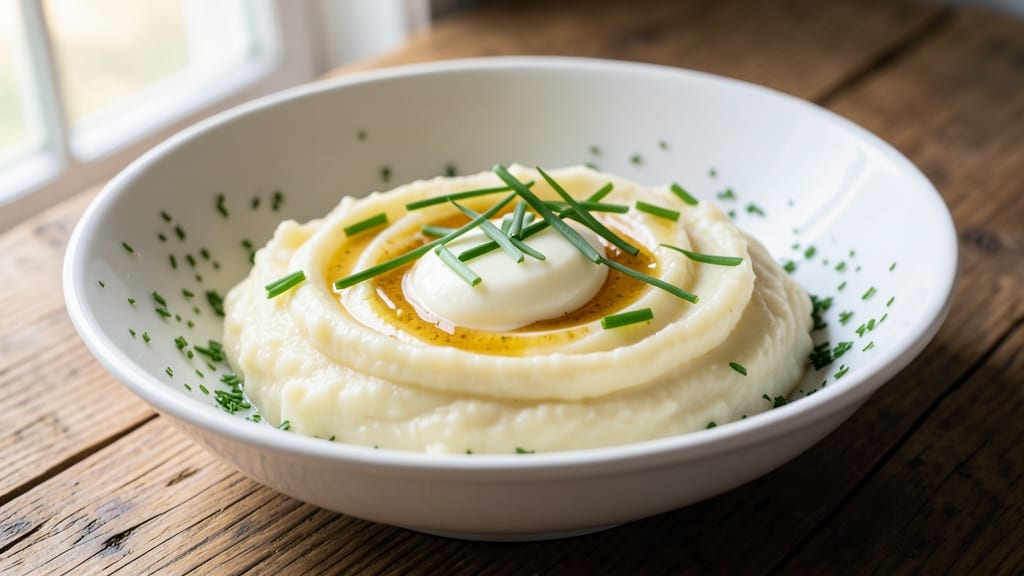
This mashed potatoes recipe with Philadelphia cream cheese transforms ordinary sides into velvety swirls of indulgence that’ll have everyone asking for seconds. The secret lies in blending cream cheese directly into the warm potatoes—creating that signature ultra-smooth texture without lumps or grittiness.
I perfected this technique during a Thanksgiving dinner when I needed to impress my in-laws, and it’s been my go-to ever since.
The beauty of this method is its simplicity: you’ll boil russet potatoes until tender, mash them with butter and milk, then fold in cream cheese while still warm. This ensures the cheese melts completely, creating a luxurious, creamy consistency that’s richer than traditional mashed potatoes.
The result is a side dish that feels restaurant-quality yet takes just 30 minutes to prepare.
What you’ll end up with is a bowl of mashed potatoes so smooth and velvety it practically melts on your tongue. The cream cheese adds a subtle tang that balances the richness, while a sprinkle of black pepper and fresh chives adds a touch of sophistication.
This recipe is foolproof—no lumps, no guesswork, just perfectly creamy mashed potatoes every time.
Serve alongside roasted meats, gravy, or even as a standalone comfort dish. The cream cheese swirls make it especially perfect for holiday gatherings or when you want to elevate a simple dinner into something extraordinary. Let’s get cooking!
Ingredients for mashed potatoes recipe with philadelphia cream cheese
Eight simple ingredients. One bowl of ultra-smooth, creamy mashed potatoes that’ll impress everyone.
| Ingredient | Amount | Notes |
|---|---|---|
| Russet Potatoes 🥔 | 2 lb | Medium-sized, cut into even chunks |
| Philadelphia Cream Cheese 🧀 | 8 oz | Full-fat, room temperature |
| Unsalted Butter 🧈 | ½ cup | Cold, cut into small cubes |
| Whole Milk 🥛 | ¾ cup | Warm, not boiling |
| Salt 🧂 | 1 ½ tsp | Kosher or sea salt |
| Fresh Chives 🌿 | 2 tbsp | Finely chopped, for garnish |
| Black Pepper 🌶️ | ½ tsp | Freshly ground |
| Garlic Powder 🧄 | ¼ tsp | Optional, for depth |
The potatoes are everything here. Russets are your best bet—they’re starchy and fluffy when cooked. Grab a 3-4 lb bag from the grocery store, but only use 2 lbs for this recipe. If you’re short on time, microwave-cut potatoes work too (just add 5 minutes to cook time). The cream cheese? Philadelphia brand is non-negotiable—it melts perfectly without lumps. I always buy the full-fat version (the good stuff, not the light kind) for that rich, velvety texture. Store your butter in the fridge until ready to use—cold cubes melt slower when you’re folding them in later.
No cream cheese? Substitute with ricotta or mascarpone—they’re tangier but still work. Short on butter? Olive oil or ghee keeps it dairy-free while adding richness. Milk too warm? Cool it slightly before mixing—hot milk can make your potatoes gummy. The chives add freshness, but parsley or green onions work too. For extra flavor, add a pinch of nutmeg or smoked paprika. And if you’re feeling fancy, swap the black pepper for white pepper—it’s subtler and keeps the color bright.
This keeps beautifully for 4-5 days in the fridge, but honestly, it’s best the day you make it. Reheat gently in the microwave with a splash of milk to restore creaminess. For leftovers, store in an airtight container with plastic wrap pressed right on the surface to prevent a skin from forming. Freeze portions for up to 3 months—just thaw overnight in the fridge. I always make extra because these disappear fast, especially around holidays. Serve with gravy for the ultimate comfort food experience.
Why You'll Love This Recipe
- Fewer Ingredients, Bigger Flavor: I swear by this combo—just potatoes, cream cheese, butter, and milk. No fancy gadgets, no extra steps. The cream cheese melts right into the mash, giving you that velvety texture without the fuss of sour cream or heavy cream. Honestly, it’s the kind of recipe where you won’t even miss the complicated techniques.
- No Lumpy Nightmares: Between us, I’ve ruined more mashed potatoes than I’ll admit. But this method? Boil the potatoes, drain them, and mash with warm milk and butter first—then fold in the softened cream cheese. The result? Silky, lump-free perfection every single time. No stress, just smoothness.
- Weeknight & Holiday Hero: This works for lazy Tuesdays (piled high with bacon) or Thanksgiving leftovers (trust me, it’s the secret to using up that extra turkey). The cream cheese keeps it rich but not heavy, so it’s just as welcome on a casual dinner table as it is under a roast. I’ll be real—it’s my go-to for any occasion where I don’t want to overthink sides.
- Leftovers That Don’t Suck: Most mashed potatoes dry out or turn gluey by day two. Not these. The cream cheese adds enough fat to keep them creamy for days, and reheating? Just microwave with a splash of milk. Plus, it’s cheaper than takeout—three pounds of potatoes and a block of cream cheese stretch farther than you’d think. Budget win.
Step-by-step instructions for creamy mashed potatoes with Philadelphia cream cheese
Here's my foolproof method for ultra-smooth, velvety mashed potatoes that stay creamy without lumps.
Cook the Potatoes Until Fork-Tender
Start by placing the 2 lb russet potatoes in a large pot and covering them with cold water by about 2 inches. Add the 1.5 tsp salt and bring to a boil over high heat. Once boiling, reduce heat to medium-low and cook for 15-20 minutes until a knife slides in easily with no resistance.
Here's the thing—don't drain them yet. The warm potatoes will absorb the milk and butter better when we mix them in later. Instead, let them sit in the warm water for 5 minutes after cooking to keep them hot and ready for mashing. This step ensures you won't have to deal with cold potatoes that need extra heating later.
Drain and Add Cream Cheese and Butter
Carefully drain the potatoes in a colander, shaking gently to remove excess water. Return them to the empty pot and let them steam-dry for 1 minute to evaporate any remaining surface moisture. This prevents your mashed potatoes from turning out watery.
While the potatoes are still hot, add the 8 oz Philadelphia cream cheese (cut into chunks) and the 0.5 cup cold unsalted butter (cut into small cubes). Use a wooden spoon to fold and mash everything together until the cream cheese and butter are fully incorporated and the mixture is smooth. The residual heat will melt the cream cheese and butter into a creamy base.
Warm the Milk and Finish Mashing
In a small saucepan, gently warm the 0.75 cup whole milk over low heat until it's steaming but not boiling. This warm milk will blend seamlessly with the potatoes without creating lumps. If you use cold milk, you'll end up with clumpy mashed potatoes.
Now add the warm milk to the potato mixture and use a potato masher, ricer, or electric mixer to mash until completely smooth. I like to use a ricer because it creates the silkiest texture without overworking the potatoes. If using an electric mixer, pulse on low speed to avoid developing gluten and making the potatoes gummy.
Season and Garnish Perfectly
Taste your mashed potatoes and adjust seasoning with additional salt if needed. Then stir in the 0.5 tsp freshly ground black pepper and 0.25 tsp garlic powder for subtle depth. The cream cheese already adds richness, so you don't need much extra seasoning.
For serving, transfer the mashed potatoes to a serving bowl and swirl in the 2 tbsp finely chopped fresh chives. The chives add a bright contrast to the creamy texture. Serve immediately while warm—these mashed potatoes are best enjoyed right away when they're at their peak creamy consistency.
Pro Tips For Making Mashed Potatoes Recipe With Philadelphia Cream Cheese
- BOIL POTATOES UNTIL TENDER: Stick a knife in—it should slide in like butter, not fight you. Russets break down best around 20-25 minutes in boiling salted water (don’t skimp on salt; it’s not just for flavor). I learned this the hard way when my potatoes turned to glue because I rushed them.
- SALT THE WATER LIKE THE OCEAN: Toss in 1-2 tablespoons of salt with the potatoes—enough so the water tastes like the sea if you lick it. This seasons the potatoes from the inside out, and you’ll need less extra salt later when mixing in the cream cheese. Trust me, bland mashed potatoes are a crime.
- MASH WHILE STILL HOT: Drain the potatoes, then let them sit in the pot for 2 minutes with the lid on—steam keeps them hot. Mash them directly in the pot with a potato masher or ricer while they’re still piping hot. Cold potatoes turn gummy no matter how much butter you add.
- USE SOFTENED CREAM CHEESE: Take the cream cheese out of the fridge 10 minutes before using—it should be soft enough to spread like hummus, not a brick. Mix it in warm (not scorching) with the butter and milk while mashing. Cold cream cheese clumps like sad cottage cheese and ruins the texture.
Pro cooking tips for this recipe
Temperature Control
Keep your potatoes at the right temperature throughout the process—I can't stress this enough. Boil them until they reach an internal temp of 205°F (use a meat thermometer for accuracy). The residual heat is what melts the Philadelphia cream cheese completely, creating those signature swirls.
If your potatoes cool too much before adding the cheese, you'll end up with lumps instead of silky smoothness. 🌡️
Cream Cheese Technique
Here's my secret: cut the 8 oz cream cheese into ½-inch cubes before adding it to the warm potatoes. The smaller pieces melt faster and distribute more evenly. I also like to add the butter first—this creates a fat base that helps the cream cheese blend in smoothly.
If you're worried about lumps, strain the potatoes through a ricer before adding the cream cheese for an extra-smooth texture.
Milk Matters
Never use cold milk—it's the fastest way to ruin your mashed potatoes. Warm the ¾ cup whole milk to about 110°F (just steaming, not boiling) before mixing it in. This temperature ensures the milk blends seamlessly with the potatoes without creating curds.
For extra richness, I sometimes replace ¼ cup of the milk with heavy cream, but keep it warm first.
Mashing Method
Your choice of mashing tool makes a big difference. For the smoothest texture, I recommend a potato ricer—it breaks down the potatoes without creating lumps. If you're using a hand masher, work in batches and fold gently.
With an electric mixer, pulse on low speed for just 10-15 seconds—overmixing develops gluten and makes the potatoes gummy. David always jokes that my mashed potatoes taste like they came from a fancy restaurant, and I think it's because of this careful mashing technique. 💫
Seasoning Balance
The cream cheese already adds richness, so go easy on the salt. Taste before adding the full 1.5 tsp kosher salt—you might only need 1 tsp. The ½ tsp black pepper should be freshly ground right before serving.
For extra depth, add a pinch of garlic powder or nutmeg while the potatoes are still warm. These spices infuse better when added to hot mashed potatoes rather than cold ones.
Serving Warm
These mashed potatoes are best served immediately while still warm. The cream cheese swirls start to harden as they cool, so get them to the table within 10 minutes of mashing. If you need to hold them, keep the bowl in a 200°F oven while you finish other dishes.
The residual heat maintains that perfect creamy texture. Garnish with fresh chives right before serving—they add a pop of color and freshness that makes the dish look restaurant-worthy. 🥗
Nutrition facts
Frequently asked questions
Why does Philadelphia cream cheese make mashed potatoes extra creamy?
The cream cheese melts into the warm potatoes, creating microscopic fat pockets that trap moisture and prevent separation. Unlike regular butter, it adds a subtle tang that balances richness while maintaining that signature velvety texture. The key is adding it while the potatoes are still hot—this ensures complete melting without lumps.
Can I make these ahead of time for Thanksgiving?
Make them 2-3 hours ahead and reheat gently in a 200°F oven with a splash of warm milk to restore creaminess. For best results, store in an airtight container with plastic wrap pressed directly on the surface to prevent drying. The cream cheese swirls will firm up slightly but soften beautifully when reheated.
What if my mashed potatoes turn out lumpy?
This usually happens when the cream cheese doesn't melt completely. Always use warm potatoes and cut the cheese into small cubes. For extra smoothness, strain through a ricer after mashing, or add a splash of warm milk while blending. The residual heat from the potatoes is what melts the cheese—never add cold cream cheese to hot potatoes.
Can I substitute cream cheese with something else?
For a similar texture, try ricotta or mascarpone (they're tangier but work well). If you're avoiding dairy, olive oil or vegan butter combined with a splash of coconut milk can mimic the creaminess, though the flavor will differ. The key is maintaining the fat-to-moisture ratio—cream cheese is ideal because it melts smoothly without curdling.
How do I serve these creamy mashed potatoes?
They're perfect alongside roasted meats, gravy, or even as a standalone dish with crispy bacon or caramelized onions. For presentation, swirl in fresh chives or a drizzle of truffle oil. The ultra-smooth texture makes them ideal for holiday feasts or cozy weeknight dinners. Pair with steak, chicken, or even vegetarian mains for a restaurant-worthy side.