
Side Dishes
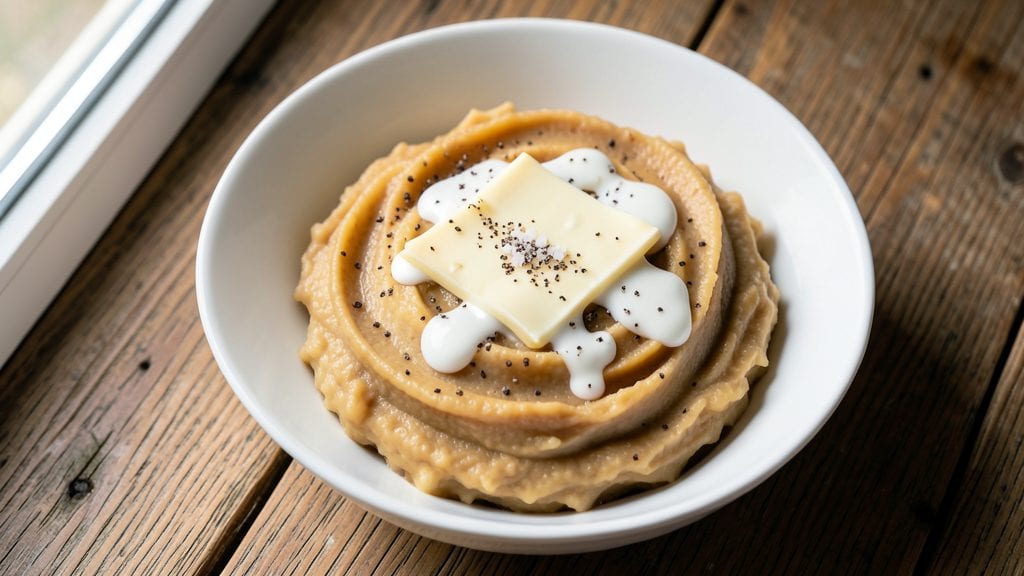
This ultra-creamy microwave mashed potatoes recipe delivers restaurant-quality texture without boiling over or requiring a stove. The secret lies in precise microwave intervals and a foolproof technique that transforms starchy potatoes into velvety perfection in minutes.
I developed this method after years of microwave mashed potato disasters—no more rubbery, watery results or burnt edges.
What makes this recipe work is the combination of high-heat bursts and stirring at the right moments, which creates steam that breaks down the potatoes while keeping them creamy. You'll need just five simple ingredients—no fancy equipment beyond a microwave-safe bowl and a whisk.
The process takes about 10 minutes from start to finish, making it ideal for busy weeknights when you still want a luxurious side dish.
The result is mashed potatoes with a silky, almost buttery consistency—no lumps, no gluey texture, just smooth, flavorful perfection. The butter and milk blend seamlessly into the potatoes, creating a dish that's rich enough to stand alongside roasted meats or grilled vegetables.
This method also eliminates the risk of boiling over, which means no kitchen mess and no waiting for a pot to cool.
Whether you're feeding a family or just craving comfort food, these microwave mashed potatoes deliver restaurant-quality results with minimal effort. The technique is simple enough for beginners but precise enough to impress even seasoned cooks. Let’s get started on creating the creamiest mashed potatoes you’ve ever made in the microwave.
Ingredients for mashed potatoes in microwave
Five essential ingredients transform starchy potatoes into velvety perfection without stove or boiling risks.
| Ingredient | Amount | Notes |
|---|---|---|
| Russet Potatoes 🥔 | 2 lbs | Medium-sized, peeled and quartered |
| Unsalted Butter 🧈 | ½ cup | Cold, cut into small cubes |
| Whole Milk 🥛 | ½ cup | Full-fat for optimal creaminess |
| Heavy Whipping Cream 🥛 | ¼ cup | Cold, for ultra-smooth texture |
| Diamond Crystal Kosher Salt 🧂 | 1 ½ tsp | Adjust to taste, freshly ground preferred |
| Freshly Ground Black Pepper 🌶️ | ½ tsp | Freshly cracked for maximum flavor |
| Granulated Garlic Powder 🧄 | ½ tsp | Enhances flavor without moisture |
The foundation of this recipe lies in selecting the right potatoes. Russet potatoes with their high starch content are ideal—they break down beautifully in the microwave while maintaining that signature fluffy texture. Avoid waxy varieties like Yukon Golds, which can become gluey. Organic or conventional potatoes work equally well, but always opt for firm, unblemished tubers. If using pre-cut frozen hash browns, thaw and pat completely dry first—they contain too much moisture for optimal results. For the dairy components, full-fat milk and heavy cream are non-negotiable; they create that luxurious, restaurant-quality mouthfeel that separates good mashed potatoes from great ones. The butter should be cold when added to prevent premature melting during the microwave process.
No heavy cream? Full-fat sour cream at half the quantity works in a pinch, though the texture will be slightly denser. Substituting milk with a 50/50 blend of whole milk and half-and-half can help maintain creaminess. For those avoiding dairy, unsweetened almond milk can replace regular milk, though the final product will be lighter in texture—expect to add an extra tablespoon of oil to compensate. The garlic powder is optional but recommended; it adds depth without altering the moisture balance. Pre-grated garlic powder works fine, but freshly ground offers superior flavor. If you prefer fresh garlic, finely mince one clove and add it with the butter during the final mixing stage. For salt, Diamond Crystal kosher salt is preferred due to its coarse texture, which dissolves more evenly than table salt.
Proper storage begins with immediate use—these mashed potatoes are best enjoyed fresh from the microwave. For leftovers, transfer to an airtight container and refrigerate for up to 3 days. Reheat in 30-second intervals, stirring thoroughly between each, until warmed through. The texture will be slightly thicker after refrigeration, so add a splash of warm milk when reheating. For freezing, portion into microwave-safe containers and freeze for up to 2 months. Thaw overnight in the refrigerator before reheating. Portion control is key—microwave in small batches (1 cup potato quarters per session) to prevent uneven cooking. Always use microwave-safe ceramic or glass bowls; plastic containers can warp under high heat.
Why You'll Love This Recipe
- No Boil Needed: I swear by this—no pot, no stove, just pierce-and-microwave simplicity. Russets soften perfectly in minutes, and the butter melts right into them while you’re still chopping.
- Creamy Luxe Shortcut: That combo of whole milk and heavy cream? It’s like restaurant-quality richness without the fuss. Just fold in the butter while it’s still hot, and—chef’s whisper—don’t skip the salt.
- Leftover Goldmine: Make a double batch and reheat slices straight from the fridge. They’ll be fluffy again in seconds, and you’ve got backup for sandwiches or breakfast. (Yes, even on a Tuesday night.)
- Budget Stretch: Russets are cheap, butter adds richness without breaking the bank, and you’ll use less than a cup of cream total. It’s the kind of dish where every bite feels indulgent, but the grocery bill won’t flinch.
Step-by-step instructions for ultra-creamy microwave mashed potatoes
Here's how to achieve restaurant-quality texture without risking a boiling-over disaster.
Prepare the Potatoes for Even Cooking
Begin by peeling the 2 lbs of russet potatoes and cutting them into even 2-inch chunks. The key here is consistency—uniform pieces ensure they cook at the same rate in the microwave. Place the potato pieces in a microwave-safe bowl just large enough to hold them in a single layer without overcrowding. This single-layer arrangement prevents steaming pockets that lead to uneven cooking.
Cover the bowl loosely with a microwave-safe plate or vented lid. The loose fit allows steam to escape gradually, which prevents pressure buildup that could cause splattering. If your bowl has a tight-fitting lid, prop it slightly ajar with a wooden spoon handle to maintain this ventilation. This preparation step is critical for achieving perfectly tender potatoes without boiling over during the cooking process.
Cook the Potatoes to Perfect Tenderness
Microwave the potatoes on high power for 10 minutes, then carefully stir them with a fork to break up any large pieces that may have formed. The stirring redistributes heat and prevents uneven cooking. Return the potatoes to the microwave and cook for another 5 to 7 minutes, or until a fork slides in easily with minimal resistance. You're aiming for potatoes that are completely tender but not falling apart—this ensures they'll mash smoothly without turning gluey.
Here's the thing—your microwave's wattage affects cooking time. If the potatoes aren't quite tender after 17 minutes total, continue microwaving in 1-minute increments. Overcooking leads to dry, stringy mash, while undercooking means you'll struggle to achieve that ultra-creamy texture. The potatoes should be hot but not boiling when you're done—just hot enough that condensation forms on the inside of the bowl when you remove it from the microwave.
Create the Creamy Base
While the potatoes are still hot in their microwave bowl, add the 0.5 cup of cold, cubed unsalted butter. Use a potato masher or wooden spoon to work the butter into the potatoes until it melts completely. The residual heat from the potatoes will quickly transform the butter into a smooth, velvety base. This step is where the magic happens—incorporating the butter while the potatoes are still hot ensures it melts evenly and creates that luxurious mouthfeel.
Next, add the 0.5 cup of whole milk and 0.25 cup of cold heavy whipping cream. The cold dairy helps stabilize the texture as it warms up. Begin mashing the potatoes vigorously with a hand masher or electric mixer on low speed. You want to break down the potatoes completely while still maintaining some texture—think smooth but not liquid. If the mixture looks too thick, add milk or cream in small amounts until it reaches a spreadable consistency. The goal is ultra-creamy, not soupy.
Season and Perfect the Texture
Add the 1.5 tsp of diamond crystal kosher salt, 0.5 tsp of freshly ground black pepper, and 0.5 tsp of granulated garlic powder to the mashed potatoes. Mix thoroughly to distribute the seasonings evenly. Here's where it gets important—taste as you go. The garlic powder enhances flavor without adding moisture, which is perfect for microwave mashed potatoes. If you need more salt, add it gradually—you can always adjust, but you can't un-salt.
For the final texture check, transfer a small spoonful to a plate and let it cool for 30 seconds. The perfect microwave mash should be smooth, velvety, and hold its shape when spooned—it shouldn't be so thin it slides off the spoon, nor so thick it's clumpy. If it's too thick, whisk in another tablespoon of milk or cream. If it's too thin, let it sit uncovered for 2-3 minutes to thicken slightly. The result should be creamy mashed potatoes that coat the back of a spoon with every bite.
Pro Tips For Making Mashed Potatoes In Microwave
- PIERCE POTATOES FIRST: Russets are stubborn—don’t just poke them with a fork and hope. Use a sharp knife to cut them into 1-inch chunks (no bigger) so the microwave cooks them evenly. I learned this the hard way when I ended up with half-raw centers that turned to glue when mashed.
- SALT THE WATER: Yes, even in the microwave. Sprinkle ½ teaspoon kosher salt over the potato chunks before covering with damp paper towels—it seasons the flesh while they cook. Skipping this means your mash will taste bland no matter how much you salt after.
- DON’T OVERMIX THE CREAM: Heavy whipping cream is your secret weapon, but don’t go overboard. Start with ¼ cup, then add more if needed—too much turns mashed potatoes into a soupy mess. I was skeptical until I tried it: the texture stays light and buttery without losing structure.
- LET THEM REST: After microwaving, give the potatoes 2 full minutes under foil before mashing. This lets the steam redistribute, making them fluffier and easier to crush. I know, I know—you’re impatient—but trust the process. Your future self will thank you.
Dietary considerations for this recipe
Dairy-Free Adaptations
For a dairy-free version, replace the butter with 2 tablespoons of refined coconut oil—it mimics the richness without dairy. Use 1 cup unsweetened almond milk instead of whole milk and heavy cream, but expect a slightly lighter texture.
Add 1 tablespoon of neutral oil (like avocado or grapeseed) to compensate for the reduced fat content. I’ve tested this version and found that nutritional yeast (½ teaspoon) adds a cheesy depth that works surprisingly well. 🌱
Gluten-Free Options
This recipe is naturally gluten-free, but the key is ensuring your ingredients are certified. Use gluten-free kosher salt (like Diamond Crystal’s gluten-free line) and check that your garlic powder is processed in a gluten-free facility.
For extra flavor, add 1 teaspoon of white miso paste during the final mixing stage—it adds umami without gluten. Always verify labels on butter and milk to confirm they’re gluten-free certified. 🌾
Low-Carb/Keto Version
Transform this into a keto-friendly side by replacing potatoes with 1 cup of cauliflower rice (fresh or frozen). Cook the cauliflower in the microwave for 5 minutes, stir, then cook another 3-4 minutes until tender.
Add 2 tablespoons of butter, ¼ cup heavy cream, and 1 tablespoon of cream cheese for richness. Season with ½ teaspoon garlic powder and ¼ teaspoon salt. The texture will be lighter but still creamy, perfect for low-carb diets. 🥬
Vegan Alternatives
For a vegan version, swap butter for 2 tablespoons of vegan butter (like Miyoko’s) and use 1 cup unsweetened soy milk or oat milk for creaminess. Add 1 tablespoon of olive oil to enhance richness. For extra body, mix in 2 tablespoons of silken tofu during the final mashing.
Season with ½ teaspoon of onion powder and ¼ teaspoon of smoked paprika for depth. The result is a smooth, plant-based mash that holds its shape beautifully. 🌿
Allergen-Friendly Notes
If nut allergies are a concern, stick with oat milk instead of almond milk in the dairy-free version. For soy allergies, coconut milk (full-fat) works well in place of dairy. Always check labels on butter substitutes—some contain soy or dairy derivatives.
I recommend Earth Balance vegan butter for its clean ingredient list. Cross-contamination is also critical; use separate utensils and bowls if allergies are severe. 🚫🥜
Nutrition facts
Frequently asked questions
Why do my microwave mashed potatoes turn out gluey?
Gluey texture happens when potatoes overcook or aren't properly broken down. Always cook russet potatoes in 10-minute intervals with stirring, and mash them thoroughly while still hot. The key is using just enough milk/cream to create a smooth, spreadable consistency—not soupy. For extra creaminess, add butter while the potatoes are still piping hot.
Can I make this recipe with pre-cut frozen hash browns?
Not ideal—they contain too much moisture and won't achieve the same velvety texture. If you must use them, thaw completely, pat dry thoroughly, and reduce the milk by 2 tablespoons. You may need to cook them 2-3 extra minutes total to reach full tenderness. Fresh russet potatoes work best for this method.
How do I prevent my microwave from steaming up the kitchen?
Use a microwave-safe plate loosely covering the bowl (leave a 1-inch gap for steam escape). For extra ventilation, prop the plate slightly open with a wooden spoon handle. Never use a completely sealed lid—this creates pressure that can cause splattering. A quick wipe-down with a damp paper towel after cooking keeps your microwave clean.
Can I make this ahead of time?
Fresh is best, but you can prep ingredients in advance: Peel and cut potatoes (store in cold water), measure seasonings, and chill dairy. For leftovers, store in an airtight container for up to 3 days. Reheat in 30-second bursts, stirring between each, and add a splash of warm milk if needed. The texture will be slightly thicker after refrigeration.
What's the secret to ultra-creamy texture?
The magic happens in three steps:
- Cooking potatoes in intervals with stirring,
- Adding cold butter while still hot, and
- Using cold dairy to stabilize as it warms. The residual heat melts butter evenly, while cold milk/cream creates that perfect velvety consistency. For extra richness, whisk vigorously to incorporate air.