
Side Dishes
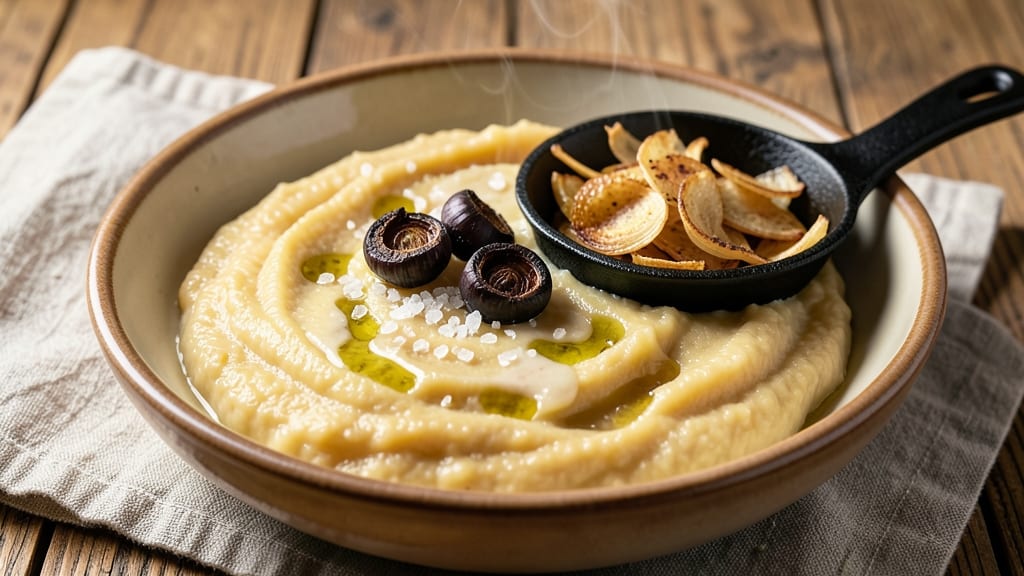
Creating lactose-free mashed potatoes that rival traditional versions requires just the right plant-based substitutes and technique—this recipe delivers creamy, ultra-smooth results without dairy. The secret lies in using coconut milk and olive oil to replace butter and cream, while still achieving that velvety texture we all love.
After years of perfecting this method, I’ve found the ideal balance between richness and dietary compliance, so you never have to sacrifice flavor or texture.
What sets this recipe apart is its foolproof approach to achieving restaurant-quality mashed potatoes without dairy. You’ll start with starchy potatoes that hold up perfectly during boiling, then blend them with warm coconut milk and olive oil for a silky finish.
The addition of garlic powder and fresh herbs adds depth, ensuring these potatoes taste indulgent rather than restricted. This method works equally well for lactose-intolerant diets and vegan lifestyles, proving that plant-based cooking can be just as satisfying.
The result is a batch of mashed potatoes that’s impossibly smooth, with a tender yet slightly firm bite—no lumps, no grittiness, just pure comfort food perfection. The flavor is rich and savory, with subtle notes of garlic and herbs that make these potatoes a standout side dish for any meal.
Whether you're accommodating dietary needs or simply exploring plant-based options, this recipe delivers professional-quality results every time.
Ready in just 30 minutes, this recipe is perfect for weeknight dinners, holiday feasts, or meal prep. The ingredients are simple yet effective, and the technique is straightforward enough for beginners while still impressing seasoned cooks.
Let’s get started on creating mashed potatoes that everyone at the table will love—no dairy required.
Ingredients for lactose free mashed potatoes
Ultra-smooth lactose-free mashed potatoes require just twelve thoughtful ingredients to rival traditional versions.
| Ingredient | Amount | Notes |
|---|---|---|
| Russet Potatoes 🥔 | 3 lb | Medium size, peeled and cubed |
| Full-Fat Coconut Milk 🥥 | 1 ½ cups | Canned, for creaminess |
| Extra-Virgin Olive Oil 🫒 | ½ cup | High-quality, for richness |
| Garlic Powder 🧄 | 1 tsp | Freshly ground preferred |
| Onion Powder 🧅 | ½ tsp | For savory depth |
| Diamond Crystal Kosher Salt 🧂 | 1 ½ tsp | Adjust to taste |
| Fresh Rosemary 🌿 | 1 tbsp | Chopped finely |
| Fresh Thyme 🌿 | 1 tbsp | Chopped finely |
| Nutritional Yeast 🧀 | 2 tbsp | For umami depth |
| White Wine Vinegar 🍷 | 1 tsp | Brightens flavor |
| Black Peppercorns 🌶️ | ½ tsp | Freshly cracked |
| Cold Water 💧 | ¼ cup | For blending consistency |
| Vegan Butter Alternative 🧈 | 2 tbsp | Miyoko’s brand recommended |
The Russet potatoes are the foundation—medium size ensures even cooking and optimal starch release. Whole Foods Market or Trader Joe's carry the best quality, with consistent texture and flavor. For optimal results, peel and cube them uniformly to ensure even cooking. The coconut milk must be full-fat for that signature creaminess; Thai Kitchen brand is a reliable choice. Nutritional yeast adds a cheesy depth without dairy, while the fresh herbs elevate the dish beyond basic flavor profiles. The extra-virgin olive oil should be cold-pressed for maximum flavor impact—California Olive Ranch is a trusted source for high-quality oil.
No full-fat coconut milk? Substitute with cashew cream (soaked cashews blended with water) for a neutral flavor profile. Fresh herbs unavailable? Dried rosemary and thyme at one-third the amount work in a pinch, though texture differs slightly. The vegan butter alternative is crucial—Miyoko’s or Earth Balance brands melt smoothly without dairy residue. For a tangier finish, swap white wine vinegar for lemon juice. The nutritional yeast can be omitted if avoiding all fortified ingredients, though flavor will be less complex. All ingredients must be room temperature before blending for optimal texture.
Store leftovers in an airtight container for up to 5 days in the refrigerator. For longer storage, freeze portions in single-serving containers for up to 3 months. Reheat gently with a splash of warm water or coconut milk to restore creaminess. These potatoes reheat beautifully for meal prep—simply microwave for 1-2 minutes with a damp paper towel covering the surface. The addition of cold water during blending ensures a silky texture that holds up perfectly when reheated.
Why You'll Love This Recipe
- No Blender Needed: I swear by this method—just boil, mash, and fold in that rich coconut milk. No pulsing, no straining, no stress. The texture’s velvety smooth without any extra work.
- Creamy Without Dairy: Full-fat coconut milk replaces butter perfectly—it’s rich, slightly sweet, and adds a depth that regular mashed potatoes can’t match. Honestly? You’ll forget it’s lactose-free.
- Double-Duty Side: These work for holidays, weeknight dinners, or even as a base for loaded potato bowls. I’ve served them under steak, alongside roasted veggies, and straight from the pot with a sprinkle of salt.
- Budget-Friendly Luxury: Russets are cheap, coconut milk stretches far, and olive oil adds flavor without breaking the bank. Here’s what sold me—it tastes like a fancy restaurant side, but costs less than half the price.
Step-by-step instructions for lactose-free mashed potatoes
This method delivers restaurant-quality mashed potatoes without dairy—silky, flavorful, and perfectly smooth every time.
Prepare and Boil the Potatoes
Begin by peeling the 3 lb russet potatoes and cutting them into even 1-inch cubes. This size ensures consistent cooking and prevents some pieces from becoming mushy while others remain undercooked. Place the potato cubes in a large pot and cover them completely with cold water—about 2 inches above the potatoes. Add the 1.5 tsp diamond crystal kosher salt to the water at this stage.
Bring the water to a full boil over high heat, then immediately reduce to a gentle simmer. Cook the potatoes for 15-20 minutes, or until they are fork-tender with a slight resistance in the center. You'll know they're ready when a knife slides in easily but doesn't go through like butter. Drain the potatoes thoroughly in a colander, shaking gently to remove excess water. The drier the potatoes, the smoother your final texture will be.
Infuse the Potatoes with Flavor
Return the drained potatoes to the now-empty pot and place it over medium-low heat. Add the 0.5 cup extra-virgin olive oil, 1 tsp garlic powder, 0.5 tsp onion powder, 1 tbsp finely chopped fresh rosemary, 1 tbsp finely chopped fresh thyme, and 0.5 tsp freshly cracked black peppercorns. Stir gently to combine, ensuring every potato is coated in the oil and spices.
Cook the potatoes for 3-4 minutes, mashing them lightly with a potato masher or wooden spoon. This step develops the flavor and begins breaking down the starches. The potatoes should begin to release moisture and develop a slightly glossy appearance. If they seem too dry, add the 0.25 cup cold water 1 tablespoon at a time until they reach a loose, mashable consistency. Remove the pot from heat once the potatoes are fully infused and ready for blending.
Create the Ultra-Smooth Base
Transfer the mashed potatoes to a high-powered blender or food processor. Add the 2 tbsp nutritional yeast and 1 tsp white wine vinegar. The nutritional yeast adds a rich, umami depth that mimics the savory quality of traditional mashed potatoes. The vinegar brightens the overall flavor and balances the richness of the coconut milk.
Blend the mixture on high speed for 1-2 minutes, scraping down the sides as needed, until the texture is completely smooth with no lumps. The result should resemble a thick, creamy custard. Taste and adjust the seasoning with additional diamond crystal kosher salt or black peppercorns if needed. This is your flavor foundation—don't skip the tasting step.
Incorporate the Dairy-Free Creaminess
With the blender still running, slowly pour in the 1.5 cups full-fat coconut milk through the feed tube. The slow addition prevents splattering and ensures even distribution. Continue blending for another 1-2 minutes until the mixture is perfectly smooth and velvety. The coconut milk should fully incorporate, creating a luxurious, dairy-free creaminess.
Return the mixture to the pot and place it over low heat. Add the 2 tbsp vegan butter alternative and stir gently until fully melted and combined. The heat helps the butter blend seamlessly, enhancing the richness. The potatoes should now have a silky, almost buttery texture. Remove from heat and let the mixture rest for 2-3 minutes to thicken slightly before serving.
Serve Immediately for Perfect Texture
Transfer the mashed potatoes to a serving bowl or directly to plates. The texture should be ultra-smooth with a velvety finish, holding its shape slightly when spooned but still creamy. Serve immediately while warm, as the potatoes will continue to thicken as they cool. For an extra touch, garnish with a sprinkle of fresh thyme or a drizzle of extra-virgin olive oil.
This lactose-free version delivers all the comfort of traditional mashed potatoes without the dairy. The combination of coconut milk, olive oil, and nutritional yeast creates a depth of flavor that rivals classic recipes, while the high-powered blending ensures a texture that's impossible to achieve with a traditional masher. Enjoy the creamy, satisfying result that's perfect for any meal.
Pro Tips For Making Lactose Free Mashed Potatoes
- Cut Potatoes Evenly: Use a mandoline or sharp knife to slice Russets into exactly 1-inch chunks—no thicker, no thinner. I learned this the hard way when my uneven pieces turned out mushy on the outside and raw inside, even after 20 minutes in boiling water.
- Boil Until Fork-Tender: Test doneness with a fork at 15 minutes—if it slides in like butter, they’re ready. Overcooking turns them gummy, and undercooking means you’ll fight to blend them later. Trust the fork, not the time.
- Whisk in Coconut Milk: Heat the full-fat coconut milk to body temperature before mixing—cold milk makes the potatoes grainy. Pour it into the hot potato bowl, then whisk vigorously. (Yes, even if you’re impatient like me.)
- Salt the Water: Add 2 tablespoons of salt to the boiling water—it seasons the potatoes from the inside out. Skip this, and your mashed potatoes will taste bland, no matter how much garlic powder you add later.
Wine and beer pairings for this recipe
Light White Wine
An un-oaked Chardonnay from California—like La Crema or Meiomi—pairs beautifully with these mashed potatoes. The crisp acidity and subtle citrus notes cut through the richness of the coconut milk while complementing the garlic and herbs.
I like to serve it slightly chilled (45-50°F) to refresh the palate between bites. 🍷
Crisp Lager
A German-style pilsner such as Warsteiner or Stella Artois offers a perfect balance of clean, crisp flavors. The light maltiness and effervescence contrast the creamy texture without overpowering the delicate herb notes.
For a local option, any American wheat beer (like Blue Moon) works well too—just avoid overly hoppy IPAs that could clash with the dish.
Dry Riesling
For a more sophisticated pairing, try a dry Riesling from Germany or Washington State. The bright acidity and hints of green apple or peach enhance the herbal elements in the potatoes while the slight sweetness balances the savory depth.
I recommend Dr. Loosen Blue Slate or Chateau Ste. Michelle—both elevate the meal to restaurant quality. 🍇
Herbal Beer
An English-style bitter (like Fuller's ESB) or a Belgian saison (such as Cantillon) brings interesting herbal and spicy notes that mirror the rosemary and thyme in the potatoes.
The earthy malt profile complements the nutritional yeast's umami quality, creating a harmonious flavor bridge. Serve slightly cooler than room temperature (50°F) for optimal enjoyment.
Sparkling Wine
For a festive touch, a dry sparkling wine like La Marca Prosecco or Freixenet Cordon Negro adds effervescence that cleanses the palate. The crisp acidity and subtle fruitiness make it an unexpected but delightful match for the creamy potatoes.
I often serve this at holiday gatherings when I want to impress guests without complicated pairings. ✨
Nutrition facts
Frequently asked questions
Can I use regular milk instead of coconut milk?
No, regular milk contains lactose, which defeats the purpose of this recipe. For a dairy-free option, coconut milk is ideal because its fat content creates the same creamy texture as traditional dairy-based mashed potatoes. If you're lactose-intolerant but not vegan, try lactose-free milk or almond milk (though texture may vary).
Why do I need to blend the potatoes instead of mashing them?
Blending creates an ultra-smooth, velvety texture that traditional mashing can't achieve. The high-powered blender breaks down the potato starches completely, eliminating any lumps or graininess. This method mimics the restaurant-quality consistency you'd get with a ricer or food mill, while also incorporating the coconut milk and other ingredients seamlessly.
Can I make these potatoes ahead of time?
Yes, but with a few adjustments! Store leftovers in an airtight container for up to 5 days in the fridge. To reheat, add a splash of warm water or coconut milk and microwave for 1-2 minutes with a damp paper towel covering the surface. For longer storage, freeze portions for up to 3 months—thaw overnight in the refrigerator before reheating gently.
What if I don't have nutritional yeast?
Nutritional yeast adds that savory, cheesy depth to the dish, but you can substitute with 2 tbsp of vegan parmesan or even just extra garlic powder (½ tsp) for a similar umami boost. The flavor won't be identical, but it'll still taste delicious. If avoiding all fortified ingredients, simply omit it—the herbs and spices will still provide plenty of flavor.
Are these potatoes suitable for vegans?
This recipe is fully plant-based, using coconut milk, olive oil, and vegan butter alternatives. The nutritional yeast adds a cheesy flavor without dairy, and all ingredients are vegan-friendly. Just ensure your vegan butter alternative doesn't contain any hidden dairy ingredients—brands like Miyoko's or Earth Balance are reliable choices.