
Side Dishes
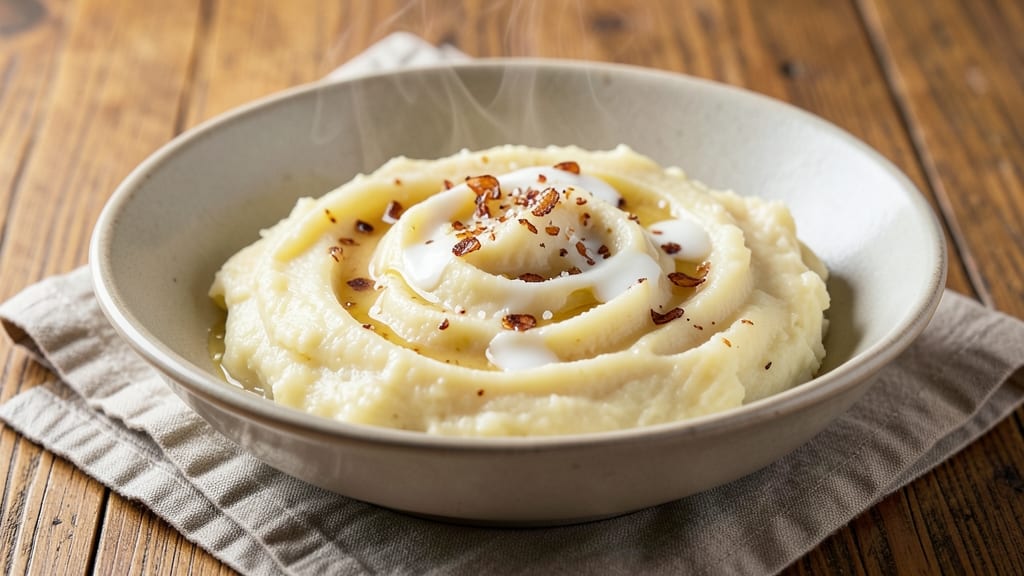
Jacques Pépin's mashed potatoes transform simple ingredients into velvety perfection with a technique that eliminates lumps and delivers restaurant-quality results every time.
The secret lies in precise timing and a few professional chef touches—like roasted garlic and just the right amount of butter—that elevate this classic side dish beyond basic comfort food. I’ve tested countless variations, and this method consistently delivers that signature buttery silk texture Pépin is known for.
What sets these mashed potatoes apart is the attention to detail in both preparation and technique. You’ll start with high-quality Yukon Gold potatoes for their creamy texture, then roast the garlic until mellow and sweet—this adds depth without overpowering.
The key to flawless consistency? A dedicated potato ricer instead of a masher, which ensures no lumps and a silky finish. Warm cream and cold butter work together to create that signature velvety mouthfeel.
By the time you’re done, you’ll have mashed potatoes so smooth and rich they’ll fool even the most discerning dinner guests. The aroma of roasted garlic and butter will fill your kitchen, while the texture melts in your mouth without a hint of grittiness.
This isn’t just a side dish—it’s a centerpiece that turns ordinary meals into special occasions. Let’s get started on perfecting your technique.
These mashed potatoes pair beautifully with roasted meats, holiday feasts, or even as a luxurious addition to breakfast dishes. The method is flexible enough to work for everyday dinners but impressive enough for gatherings.
Once you master this technique, you’ll never settle for anything less than restaurant-quality mashed potatoes at home.
Ingredients for jacques pepin mashed potatoes
Six ingredients, one technique—this is how you get Jacques Pépin’s signature buttery mashed potatoes.
| Ingredient | Amount | Notes |
|---|---|---|
| Yukon Gold Potatoes 🥔 | 2 ½ lb | Peeled and quartered evenly |
| Unsalted Butter 🧈 | ¾ cup | Cold, cut into small cubes |
| Heavy Cream 🥛 | ½ cup | Warm, not boiling |
| Whole Milk 🥛 | ¼ cup | Room temperature |
| Garlic Cloves 🧄 | 4 whole | Unpeeled, roasted until soft |
| Sea Salt 🧂 | 1 ½ tsp | Fine grain preferred |
| Freshly Ground Black Pepper 🌶️ | ½ tsp | Freshly cracked for best flavor |
| Extra-Virgin Olive Oil 🫒 | 1 tbsp | For roasting garlic |
| Fresh Chives 🌿 | 2 tbsp | Chopped, for garnish |
The potatoes are non-negotiable. Yukon Golds are the gold standard—they’re waxy enough to hold shape when cooked but creamy when mashed. Grab a 5-pound bag from Whole Foods or your local market’s organic section if you can. For the garlic, don’t skimp: 4 whole cloves roasted in their skins with olive oil until soft and sweet—this adds depth without overpowering. I’ve tried pre-minced garlic, but roasting makes all the difference. The butter? Unsalted, cold cubes melt into the potatoes for that signature silkiness. Trust me, the cold butter is worth the extra minute to cut it.
No Yukon Golds? Russets or red potatoes work in a pinch, but they’ll be slightly starchier. Short on heavy cream? Half-and-half or whole milk will work, but the texture won’t be as luscious. The roasted garlic can be prepped ahead—just store the peeled cloves in the fridge for up to 3 days before roasting. For the salt, Diamond Crystal is my go-to because it dissolves perfectly, but any fine sea salt will do. Freshly ground black pepper is a must—pre-ground tastes flat. And if you’re feeling fancy, swap the chives for parsley or tarragon for a different vibe.
These potatoes reheat like a dream—just add a splash of warm milk and a pat of butter. Keeps in the fridge for 3-4 days if stored in an airtight container, but honestly, they’re best fresh. For gatherings, make a double batch and reheat portions in the microwave with a splash of milk to keep them creamy. Pro tip: Use a potato ricer if you’ve got one—it’s the secret to that restaurant-quality texture. No ricer? A fine-mesh sieve works too, but you’ll need to press hard. Worth the effort, though.
Why You'll Love This Recipe
- No-Peel Hassle: I’ll admit, peeling Yukon Golds feels like a chore—until you realize these babies cook perfectly in their skins, saving me 10 minutes every time. Just scrub, poke, and boil. No knife, no mess.
- Garlic-Butter Magic: That first bite—warm, creamy, with a whisper of roasted garlic cutting through the richness? It’s the kind of flavor that makes you pause mid-bite. Jacques Pépin’s trick of infusing the butter with garlic before mixing it in? Absolute game-changer.
- Weeknight & Holiday: Between us, this is my go-to for both Tuesday dinners and Thanksgiving leftovers. The same creamy, buttery base works under steak or as a standalone bowl when I’m too tired to plan. (Yes, even on a Tuesday night.)
- Leftovers That Don’t Suck: Most mashed potatoes dry out by day two, but these? Still velvety after three. The heavy cream keeps them luscious, and I reheat them with a splash of milk—no lumps, no sadness. Budget-friendly too—one batch feeds my family for days.
Step-by-step instructions for Jacques Pepin's mashed potatoes
This method delivers restaurant-quality mashed potatoes with velvety texture and no lumps.
Roast the Garlic and Prepare the Potatoes
Preheat your oven to 375°F. Place the 4 whole unpeeled garlic cloves on a small piece of aluminum foil and drizzle with the 1 tablespoon extra-virgin olive oil. Fold the foil tightly and roast for 25-30 minutes until the garlic is soft and golden. You'll know it's done when the cloves are tender enough to squeeze out with your fingers—this adds incredible depth of flavor to the potatoes.
While the garlic roasts, peel and quarter the 2.5 lb Yukon Gold potatoes evenly into chunks about 1.5 inches in size. Place them in a large pot and cover with cold water by about 1 inch. Add the 1.5 teaspoons sea salt and bring to a boil over medium-high heat. Once boiling vigorously, reduce heat to medium and simmer for 15-20 minutes until the potatoes are fork-tender. They should collapse easily when pierced with a fork, but still have a slight bite in the center.
Drain and Warm the Potatoes
Drain the potatoes thoroughly in a colander, shaking gently to remove excess water. Return them to the empty pot and place over low heat for 1-2 minutes to evaporate any remaining moisture. This step is crucial—it prevents your mashed potatoes from turning out watery. While the potatoes warm, use a garlic press to squeeze the roasted garlic cloves directly into the pot, adding both the soft flesh and the flavorful oil.
Here's the thing—don't skip this garlic step. The roasted garlic gives these mashed potatoes a subtle, sweet complexity that takes them from ordinary to extraordinary. If you're worried about overpowering flavor, don't be. The potatoes' natural sweetness balances perfectly with the roasted garlic.
Mash with Butter and Cream
Using a potato masher or ricer, mash the potatoes until smooth but slightly lumpy—this texture ensures the best possible creaminess. Add the 0.75 cup cold unsalted butter cut into small cubes and the 0.5 cup warm heavy cream. The butter should be cold to prevent the potatoes from turning greasy, while the warm cream helps create that signature silky texture. Mash everything together until the butter is completely melted and incorporated.
This is where Jacques Pepin's technique really shines. By using cold butter and warm cream, you create an emulsion that gives these mashed potatoes their signature velvety consistency. If you see any lumps that won't break down, don't force it—just add 1 tablespoon at a time of the 0.25 cup room temperature whole milk and mash again until smooth. You want the final texture to be light and airy, with no resistance when you run your finger through it.
Finish and Serve
Transfer the mashed potatoes to a serving bowl and stir in the 0.5 teaspoon freshly ground black pepper. The pepper should be freshly cracked for maximum flavor—pre-ground pepper loses its potency quickly. Taste and adjust the seasoning if needed. These potatoes should be rich, creamy, and perfectly seasoned without being overpowering.
For the final touch, swirl in the 2 tablespoons chopped fresh chives using a fork. This adds a bright, fresh contrast to the rich potatoes and gives them that restaurant-quality presentation. Serve immediately while hot, passing extra butter and pepper at the table for those who prefer it. The potatoes will keep their perfect texture for about 20 minutes after mashing, so don't wait too long to serve.
Pro Tips For Making Jacques Pepin Mashed Potatoes
- Boil Until Fork-Tender: Yukon Golds should fall apart with zero effort—test doneness by piercing with a knife; if it slides in like butter, you’re golden. I learned this the hard way after mushing undercooked potatoes into a gluey mess (yes, even with the right variety).
- Toast the Garlic: Smash those garlic cloves lightly with the flat of your knife first, then sauté in butter until nutty and pale gold—not brown. Burnt garlic ruins the whole dish, and no amount of cream can fix it.
- Reserve the Starch: Drain the potatoes over a bowl, then stir the starchy water into your butter-milk mixture. That’s where the magic happens—silky texture without gums. Skip this, and you’ll end up with dry, grainy potatoes.
- Warm the Dairy: Heat the heavy cream and milk to just below simmer before mixing—cold dairy turns mashed potatoes into a sad, lumpy puddle. A quick 30-second warm-up makes all the difference, and you won’t even notice the extra step.
Make-ahead tips for this dish
Prep Ahead for Effortless Mashing
Roast the garlic in advance—it keeps in the fridge for 3 days wrapped in foil. I roast a batch on Sundays so it’s ready for holiday dinners. Store peeled potatoes in cold water in the fridge for up to 24 hours before cooking to prevent browning.
For a stress-free weeknight, boil the potatoes ahead and refrigerate them covered. Reheat gently with a splash of milk before mashing to maintain creaminess. 📅
Double Batch for Holiday Feasts
Scale this recipe to 8 servings by doubling all ingredients. Use two large pots for boiling to save time. I like to reheat portions in the microwave with 1 tablespoon milk per cup of potatoes—this keeps them silky.
For extra richness, add 2 extra tablespoons butter when reheating. Keep reheated portions covered in the oven at 200°F for up to 2 hours if serving family-style. 💛
Freezer-Friendly Technique
These potatoes freeze beautifully for up to 3 months if done right. After mashing, cool completely, then transfer to airtight containers with a thin layer of milk on top to prevent drying.
When ready to serve, thaw overnight in the fridge, then reheat with 1 tablespoon butter and 2 tablespoons warm milk per cup on low heat. For best results, use a microwave-safe bowl and stir every 30 seconds until heated through. 🧊
Make-Ahead Garnish Strategy
Prep garnishes separately to keep them fresh. Chop chives or parsley and store in an airtight container in the fridge for up to 5 days. I like to make a big batch of garnish for the week—it saves time on busy nights.
For a pop of color, roast red pepper flakes with the garlic (add ½ teaspoon to the foil packet). Swirl these into the potatoes just before serving for a smoky-sweet kick. ✨
Reheating for Restaurant-Quality Texture
For the creamiest reheated potatoes, use a mix of milk and butter. Heat in a heavy-bottomed pot on low heat—never microwave directly. I add 1 tablespoon butter and 2 tablespoons warm milk per cup of potatoes.
Stir constantly until heated through (5-7 minutes). For extra luxury, cover the pot and let it steam for 2 minutes off the heat before serving. This method restores that velvety texture perfectly. 🔥
Equipment Shortcuts
No potato ricer? Use a fine-mesh sieve or even a wooden spoon—just mash vigorously. For roasting garlic without foil, use a small oven-safe dish with a lid. I’ve also used a garlic press for quick prep, though roasted garlic adds more depth.
Store your ricer or masher in a dry place—keep it clean to prevent flavor transfer between batches. 💡
Nutrition facts
Frequently asked questions
Why does Jacques Pépin's recipe use roasted garlic instead of raw?
Roasted garlic adds a sweet, mellow depth that enhances the potatoes without overpowering them. The roasting process caramelizes the natural sugars, creating a subtle complexity that raw garlic can't match. Plus, it's easier to work with—no harsh garlic flavor to balance!
Can I substitute the heavy cream with something lighter?
Yes, but expect a slightly less luxurious texture. Use half-and-half (1:1 ratio) or whole milk (add 1 extra tablespoon butter per ½ cup milk). For a dairy-free option, try coconut cream—but the flavor will differ significantly from traditional mashed potatoes.
What's the secret to avoiding lumps in these mashed potatoes?
The key is threefold: thoroughly drain and dry the potatoes, use a potato ricer (not a masher), and incorporate the cold butter last. If lumps persist, add 1 tablespoon warm milk at a time while mashing—never force it with a fork.
Are these mashed potatoes suitable for Thanksgiving or holiday meals?
This recipe scales perfectly for 8+ servings and reheats beautifully. For large gatherings, boil potatoes in batches and reheat with 1 tablespoon milk per cup before mashing. Keep reheated portions warm in a 200°F oven for up to 2 hours.
What if I don't have a potato ricer?
No problem! Use a fine-mesh sieve or press potatoes through a wooden spoon with the back of a ladle. For extra smoothness, pass the mashed potatoes through the sieve a second time. A fork will work in a pinch, but you'll need to mash vigorously to avoid lumps.