
Side Dishes
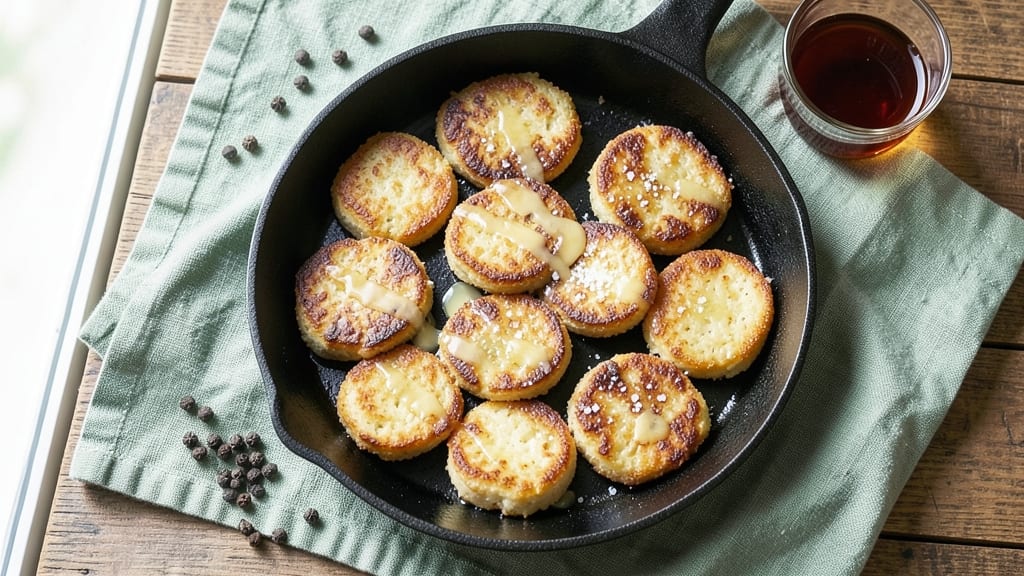
Ina Garten’s potato latkes recipe delivers the perfect balance of crispy edges and tender centers with a vinegar-kissed tang that elevates this classic dish. The secret lies in precise grating, thorough draining, and a high-heat frying technique that ensures every bite stays golden and shatteringly crisp.
I’ve tested countless variations, and this method—inspired by Ina’s signature approach—never fails to impress, whether served at a holiday brunch or a casual weeknight meal.
What sets these latkes apart is the careful attention to texture and seasoning. Grating the potatoes finely and pressing out excess moisture prevents soggy results, while a touch of vinegar in the batter adds brightness that cuts through the richness. The key to achieving that signature crispiness?
Frying in small batches at the right temperature—hot enough to seal the edges instantly but not so hot that the oil smokes. This method guarantees latkes that hold their shape and deliver on every bite.
By the time you’ve flipped the last latke, you’ll have a plate of golden, vinegar-infused bites with a satisfying crunch that gives way to fluffy interiors. The aroma alone—warm, buttery, with a hint of tang—will have everyone reaching for seconds.
These latkes are perfect for serving with applesauce, sour cream, or a dollop of herbed smetana, but they’re so delicious on their own that you might not need anything else.
Whether you’re preparing for a holiday gathering or simply craving a comforting side, this recipe delivers restaurant-quality results with minimal fuss. The technique is straightforward, but the details—like draining the potatoes thoroughly and maintaining consistent oil temperature—make all the difference.
Let’s get started on latkes that taste like they came straight from Ina’s kitchen.
Ingredients for ina garten potato latkes
Nine essential ingredients transform humble russets into Ina’s signature crispy, vinegar-kissed latkes.
| Ingredient | Amount | Notes |
|---|---|---|
| Russet Potatoes 🥔 | 3 lb | Cold, peeled, finely grated |
| Large Eggs 🥚 | 2 whole | Room temperature, beaten |
| All-Purpose Flour 🌾 | ½ cup | Sifted for light texture |
| White Vinegar 🍋 | 1 tbsp | Distilled for tang |
| Diamond Crystal Kosher Salt 🧂 | 1 tsp | Fine grain preferred |
| Ground Black Pepper 🌶️ | ½ tsp | Freshly cracked |
| Unsalted Butter 🧈 | 1 ½ cups | Cold, cubed for frying |
| Fresh Parsley 🌿 | ¼ cup | Finely chopped, for garnish |
| Granulated Sugar 🍚 | 1 tsp | Optional, for subtle sweetness |
The russet potatoes are non-negotiable—their high starch content ensures that signature crispiness. Opt for organic russets from Whole Foods or Trader Joe’s for the best texture, but any russet will work. Peel them first, then grate immediately over a bowl to prevent browning. The key step? Press the grated potatoes through a clean kitchen towel to remove excess moisture—this prevents soggy latkes. If you’re short on time, pre-grated potatoes from the produce section (like Bartlett’s) work, but freshly grated delivers superior texture. Store peeled potatoes in cold water until grating to maintain freshness.
White vinegar adds the signature tang that cuts through the richness, but apple cider vinegar works in a pinch (use half the amount). The Diamond Crystal kosher salt is preferred here—its larger crystals dissolve evenly without over-salting. No fresh parsley? Dried parsley at one-third the amount suffices, though fresh adds vibrant color. For the butter, European-style unsalted (like Plugrá) melts more smoothly, but any high-quality unsalted works. If you’re concerned about the oil temperature, invest in a deep-fry thermometer—350°F is ideal for golden, not greasy, latkes. The sugar is optional but enhances the vinegar’s brightness if you prefer a slightly sweeter profile.
Freshly grated potatoes lose moisture quickly, so work in batches and fry immediately. If prepping ahead, store the grated potato mixture in an airtight container in the fridge for up to 24 hours, but drain excess liquid before frying. Leftover latkes reheat beautifully in a 350°F oven for 10-12 minutes, though they’re best enjoyed fresh. For large gatherings, double the recipe—just ensure your fryer or deep pot can handle the volume without overcrowding. The secret to restaurant-quality results? Patience and precision: small batches, consistent oil temperature, and thorough draining make all the difference.
Why You'll Love This Recipe
- Crispy in Minutes: I swear by the vinegar trick—just toss those grated Russets with a splash before draining, and you’ll get that golden, shatter-like crust without fuss. No waiting for the oven to preheat or flipping a million times like with other recipes.
- Saltier Than You’d Think: Diamond Crystal kosher salt in the batter? That’s the secret. It doesn’t just season—it amplifies the potato’s natural sweetness while keeping the edges razor-sharp. (Yes, even my picky husband licks the plate.)
- Breakfast or Dinner Fix: Same batter, endless uses. Serve them with scrambled eggs and apples for brunch, or pile them high with smoked salmon and cream cheese for a lazy weekend lunch. Honestly, I’ve even reheated leftovers straight from the freezer for a 5-minute dinner.
- Pantry Staple Magic: You’re already using eggs and flour for half the recipes you make—this just adds potatoes. No specialty ingredients, no last-minute grocery runs. And since they freeze like a dream, I make a double batch and thank myself later.
Step-by-step instructions for crispy vinegar-kissed potato latkes
Master Ina Garten's signature technique for golden, lacy-edged latkes with perfect texture every time.
Grate and Squeeze the Potatoes
Using a box grater or food processor, grate the 3 lb russet potatoes into a large bowl. I prefer the food processor for finer, more consistent shreds that yield crispier latkes. Transfer the grated potatoes to a clean kitchen towel and squeeze out all excess moisture by twisting and wringing the towel tightly. This step is critical—wet latkes won't crisp properly. You should end up with about 4 cups of dry potato shreds.
Real talk: Don't skip squeezing the moisture. I've made this mistake too many times, and the result is always a greasy, soggy latke. Work in batches if needed, but take your time to get every last drop of water out. The drier the shreds, the crispier your final latkes will be.
Combine Wet and Dry Ingredients
In a large mixing bowl, combine the dry potato shreds with the 0.5 cup sifted all-purpose flour, 1 tsp diamond crystal kosher salt, 0.5 tsp freshly cracked ground black pepper, and 1 tsp granulated sugar (if using). Stir gently to distribute the seasonings evenly without breaking up the potato shreds. Add the 2 whole room-temperature beaten eggs and 1 tbsp white vinegar, mixing just until combined. The vinegar adds brightness and helps create that signature crispy exterior.
I always use a gentle hand here—overmixing develops gluten in the flour, which makes latkes tough. The mixture should hold together when pressed but still look rustic, with visible potato strands. If it seems too wet, add 1-2 tablespoons more flour; if too dry, add 1 teaspoon more vinegar. The batter should resemble wet sand that holds together when squeezed.
Chill the Batter for Optimal Texture
Cover the bowl with plastic wrap and refrigerate for at least 30 minutes (I prefer 1 hour). Chilling firms up the potatoes and flour, which prevents the latkes from spreading too much in the butter. This step also allows the flavors to meld, resulting in more cohesive bites. Don't skip this—it's the secret to Ina's signature crispy edges and tender centers.
While the batter chills, cube the 1.5 cups unsalted butter and place it in the refrigerator to stay cold. Cold butter is essential for creating that perfect golden crust. If your kitchen gets warm, you can even pop the butter cubes in the freezer for 10 minutes before frying to ensure they stay firm.
Fry the Latkes in Batches
Heat a large skillet over medium heat and add enough butter to create a ¼-inch layer at the bottom. You'll likely need to work in 2 batches—don't overcrowd the pan, or the latkes will steam instead of crisp. Let the butter melt completely and foam subside before adding the batter. Using a ¼-cup measure, scoop the chilled potato mixture and gently press it into the skillet, flattening slightly with the back of the measure.
Fry for 3-4 minutes per side until deep golden brown with crispy edges. You'll see the classic lacy pattern develop at the edges—that's your signal they're ready. Don't walk away during this step; latkes burn quickly. If the butter starts to smoke excessively, reduce the heat slightly to medium-low and continue cooking. Transfer cooked latkes to a paper towel-lined plate to drain excess butter.
Serve Immediately with Fresh Garnish
Keep the fried latkes warm in a 200°F oven while you finish the second batch. Once all latkes are cooked, sprinkle them generously with the 0.25 cup finely chopped fresh parsley right before serving. The parsley adds a bright contrast to the rich, crispy latkes and ties all the flavors together. Serve immediately while still hot and crispy—latkes lose their texture as they cool.
For the ultimate experience, pair with classic toppings like applesauce or sour cream, though Ina often serves them plain to let the crispy potato shine. Each latke should be golden with crispy edges and a tender, fluffy interior. If any latkes seem undercooked in the center, return them to the skillet for 30 seconds to finish cooking.
Pro Tips For Making Ina Garten Potato Latkes
- GRATE THE POTATOES DRY: Rinse the grated Russets twice—once to remove starch, then again to squeeze out excess moisture. Use your hands or a clean kitchen towel to wring them out like a sponge. Wet latkes steam instead of crisp, and this step cuts the guesswork.
- SALT THE POTATOES FIRST: Toss the grated potatoes with 1½ teaspoons of kosher salt before mixing in the egg and flour. Let them sit for 5 minutes—this draws out moisture and sharpens the flavor. (Yes, even if you’re impatient like me.)
- PRESS THE BATTER HARD: Don’t just spoon the batter into the pan. Use a fork or your palm to press each latke firmly into the oil—this creates a sturdy crust that won’t crumble. Think "dense pancake," not "fluffy cloud."
- COOK IN BATCHES OF THREE: Overcrowding drops the oil temperature and turns latkes greasy. Cook three at a time, spaced apart, and resist the urge to flip too soon. A golden crust takes 3–4 minutes—wait for it.
Wine and beer pairings for this recipe
Crispy Latkes
Potato latkes are rich and buttery, so a dry, crisp white wine cuts through the richness beautifully. I recommend a Sauvignon Blanc from New Zealand or France—its citrusy acidity and herbal notes complement the vinegar tang in the latkes.
A Chardonnay with minimal oak (like a California or Sonoma County example) also works well, especially if you prefer a creamier profile. 🍷
Tangy Beer Pairings
A sour or tart beer balances the latkes' richness perfectly. Try a Berliner Weisse (a German wheat beer with raspberry or woodruff syrup) or a Belgian-style witbier like Hoegaarden—their citrusy, spicy notes mirror the vinegar in the batter.
For something stronger, a Belgian dubbel with its caramel and fruit undertones adds depth without overpowering.
Creamy Options
If you prefer something creamier, a light-bodied lager like Peroni or Heineken provides a clean, refreshing contrast. The crispness of the beer highlights the latkes' crispy edges. Avoid heavy, malty beers—they’ll clash with the delicate potato flavor.
A pilsner with its bright, hoppy finish also pairs wonderfully, especially if you serve the latkes with applesauce.
Non-Alcoholic Choices
For a non-alcoholic option, a sparkling apple cider (like Martinelli’s) or a ginger beer (such as Feani) adds a fizzy, tangy brightness. These mimic the vinegar’s acidity while keeping the experience refreshing.
A cucumber-mint infused water with a squeeze of lemon also works—it’s light, crisp, and lets the latkes shine.
Nutrition facts
Frequently asked questions
Why do your latkes turn out crispier than other recipes?
Two key factors: thorough draining and chilling the batter. We press grated potatoes through a towel to remove all moisture, and refrigerating the mixture for 1 hour prevents spreading while frying. This creates that signature Ina Garten crispy edge with tender centers.
Can I use sweet potatoes instead of russets?
Not ideal—russets have the right starch-to-moisture ratio for crispiness. Sweet potatoes are denser and won't develop the same lacy edges. If you must substitute, try Yukon Golds (they're slightly sweeter) but increase the flour to 0.75 cup to help bind. The texture will differ, though!
How do I keep latkes warm while frying?
Transfer cooked latkes to a 200°F oven on a wire rack (not directly on the tray) to maintain crispiness. For large batches, keep them in a single layer and work in 2 batches—never pile them up, or they'll steam instead of staying crisp.
What's the best oil for frying latkes?
Butter is traditional for flavor, but if you prefer oil, use vegetable or canola oil (high smoke point). For a lighter option, try avocado oil—it stays stable at 350°F and adds a subtle nutty note. Never reuse oil—fresh oil ensures the best crispy texture each time.
Can I make latkes ahead of time?
Fry them fresh for best results, but you can prep the batter 1 day ahead. Store in an airtight container in the fridge, then drain excess liquid before frying. For reheating, warm in a 350°F oven for 10-12 minutes—they won't be as crispy but still delicious. For serving, garnish with fresh parsley right before eating.