
Side Dishes
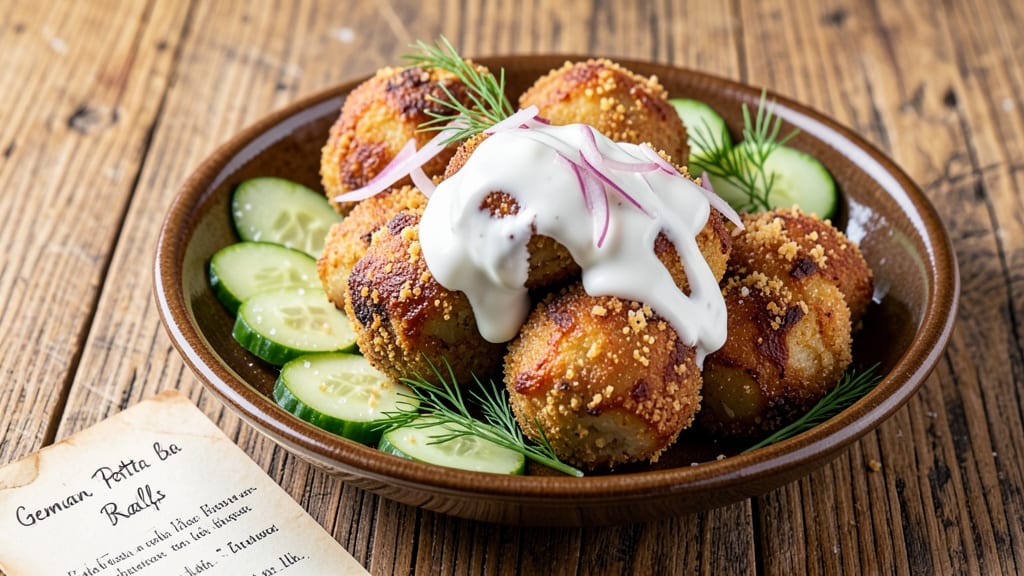
This German potato balls recipe delivers the perfect balance of crispy exteriors and fluffy interiors, a classic side that transforms simple ingredients into a comforting bite. 💛 I first encountered them in a Boston-area German deli, where the vinegar-kissed coating and golden-brown crust made them impossible to resist.
The secret lies in the precise ratio of grated potatoes to flour and the gentle frying technique that ensures even cooking without sogginess.
What makes these potato balls truly special is their versatility—they work as a standalone appetizer, a hearty side dish, or even a comforting main when paired with gravy or applesauce.
Unlike many fried potato dishes, this recipe requires no deep-frying; instead, we pan-fry them in small batches to maintain that signature crispy texture while keeping the centers tender. The vinegar in the coating not only adds a tangy depth but also helps create that satisfying crunch.
By the time you finish making these, you'll have a platter of golden, vinegar-kissed potato balls that are crispy on the outside and light as air inside. The aroma of frying potatoes fills the kitchen, and the first bite delivers a satisfying contrast of textures—crunchy, then fluffy, then creamy.
This is the kind of dish that feels like a hug in food form, perfect for family dinners or holiday gatherings where comfort is key.
Serve them warm with a dollop of applesauce or a sprinkle of fresh parsley for a touch of color. The recipe scales easily, so you can make a big batch for a crowd or just a few for a cozy meal.
Let's get started on these crispy, fluffy bites that taste like home.
Ingredients for german potato balls
Simple ingredients transform into golden, vinegar-kissed potato balls with crispy exteriors and fluffy centers.
| Ingredient | Amount | Notes |
|---|---|---|
| Russet Potatoes 🥔 | 2 ½ lbs | Cold grated, skin removed |
| All-Purpose Flour 🌾 | 1 ½ cups | Lightly sifted for coating |
| White Vinegar 🍶 | ½ cup | Distilled preferred for tang |
| Large Eggs 🥚 | 2 whole | Room temperature for binding |
| Baking Powder 🧂 | 1 tsp | For lightness in batter |
| Salt 🧂 | 1 ½ tsp | Kosher or sea salt |
| Unsalted Butter 🧈 | ½ cup | Melted for frying |
| Vegetable Oil 🫒 | 1 ½ cups | High smoke point for frying |
| Fresh Parsley 🌿 | ¼ cup | Chopped for garnish |
| Applesauce 🍎 | ½ cup | Unsweetened for serving |
| Ground Black Pepper 🌶️ | ½ tsp | Freshly ground for flavor |
The potatoes are the foundation—Russet potatoes have the right starch-to-moisture ratio for that perfect texture. Grate them fresh using the large holes of a box grater (the kind with the long handle), and squeeze out excess moisture with a clean kitchen towel. For the best results, chill the grated potatoes for 30 minutes before mixing with other ingredients. This step is non-negotiable—it prevents soggy centers. I recommend buying potatoes from local farms or specialty stores like Whole Foods for their consistent texture and lower moisture content, but any Russet will work if stored properly in a cool, dark place.
No vinegar? Lemon juice works in a pinch, but the flavor won't be as sharp or authentic. The flour should be all-purpose, not cake flour—it's got the right protein level for binding. If you're making a big batch, divide the dough into two portions and fry them separately to avoid overcrowding the pan. For extra crispiness, double the flour in the coating (use 2 cups total), but don't skip the baking powder—it's what gives them that light, airy interior. The parsley is purely decorative, but it adds a fresh pop of color that makes these look restaurant-worthy. If you're short on time, dried parsley works too, though fresh is always better.
These potato balls reheat beautifully—just pop them in a 350°F oven for 10-15 minutes until crispy again. They keep well in the fridge for 3-4 days if stored in an airtight container, though they're best enjoyed fresh. For longer storage, freeze them on a baking sheet first to prevent sticking, then transfer to a bag. They'll stay good for up to 3 months—just thaw and reheat. I like to make a double batch and freeze half; it's perfect for lazy weeknights when you want that comforting, crispy bite without the fuss.
Why You'll Love This Recipe
- That’s the magic: the white vinegar tenderizes the potatoes while the egg coating creates a golden crust. First bite? Pure satisfaction—crunch gives way to fluffy, warm potato goodness. It’s what makes these worth the effort.
- No Fuss, No Mess: I swear by this recipe—just boil potatoes, mash them, mix in flour and egg, and drop. No food processor, no fancy techniques. The vinegar keeps them light, and the baking powder gives that subtle lift without extra work.
- Crispy Outside, Creamy Inside: That’s the magic: the white vinegar tenderizes the potatoes while the egg coating creates a golden crust. First bite? Pure satisfaction—crunch gives way to fluffy, warm potato goodness. It’s what makes these worth the effort.
- Potluck Star: Between us, these disappear at gatherings. Serve them warm with gravy, or cold in a salad—no one judges. They’re hearty enough for a main, but light enough for a side. My in-laws request them every holiday, no lie.
Step-by-step instructions for German potato balls
Here's how to achieve that perfect balance of crispy exteriors and fluffy interiors.
👨🍳 Step 1: Grate and Squeeze the Potatoes
Using a box grater, grate the 2.5 lbs russet potatoes, skin and all. I like to use a fine side for that classic potato ball texture. Transfer the grated potatoes to a clean kitchen towel and squeeze out every drop of moisture—this is critical for crispy potato balls. You want them as dry as possible before mixing.
Work in batches if needed, pressing firmly to remove excess starch. The drier the potatoes, the better they'll hold their shape and crisp up during frying. If you skip this step, your potato balls will turn out gummy instead of crispy. Trust me, it makes all the difference.
🍳 Step 2: Make the Vinegar-Kissed Batter
In a large mixing bowl, combine the 1.5 cups all-purpose flour, 1 tsp baking powder, and 1.5 tsp salt. Whisk together until smooth, then create a well in the center. Add the 2 whole large eggs and 0.5 cup white vinegar to the well and mix gently until just combined.
The vinegar is what gives these potato balls that signature tangy flavor while also helping to tenderize the potatoes. Add the grated potatoes to the batter and mix gently with a wooden spoon. You're looking for a thick, shaggy consistency that holds together when pressed. If it's too wet, add a little more flour; if too dry, add a splash of water.
🥘 Step 3: Shape and Chill the Potato Balls
Using slightly wet hands (this prevents sticking), roll the potato mixture into balls about 1.5 inches in diameter. I like to use a small cookie scoop for consistency. Place the formed potato balls on a parchment-lined baking sheet and refrigerate for 30 minutes to firm up.
Chilling helps the potato balls maintain their shape during frying. While they're chilling, melt the 0.5 cup unsalted butter in a small saucepan over low heat. This butter will be used for brushing after frying to add that signature shine and extra richness. Keep it warm until you're ready to use it.
🔥 Step 4: Fry to Golden Perfection
Heat 1.5 cups vegetable oil in a deep skillet or Dutch oven to 350°F. You'll want enough oil to submerge the potato balls halfway. Test the oil with a small piece of potato—it should sizzle and float. Carefully add the chilled potato balls in batches, being careful not to overcrowd the pan.
Fry for 3-4 minutes per side until they're deep golden brown and crispy. They should float to the top when ready. Use a slotted spoon to transfer them to a paper towel-lined plate to drain excess oil. Immediately brush the hot potato balls with the melted butter while they're still sizzling—this creates that beautiful glossy finish.
🍽️ Step 5: Serve with Applesauce and Garnish
Let the potato balls rest for 2-3 minutes before serving. This brief rest allows any residual heat to finish cooking the centers while keeping them tender. Serve immediately with 0.5 cup unsweetened applesauce on the side and sprinkle with 0.25 cup chopped fresh parsley and 0.5 tsp freshly ground black pepper.
The contrast of crispy potato balls with cool, tangy applesauce makes this dish irresistible. Each bite should deliver that perfect balance of textures—crispy exterior, fluffy interior, and that vinegar-kissed flavor that makes these potato balls uniquely German. Enjoy while warm for the ultimate experience!
Pro Tips For Making German Potato Balls
- Boil Potatoes Until Fork-Tender: I learned this the hard way—overcooked mashed potatoes turn gummy, but undercooked ones make your potato balls dense and heavy. Test with a fork: it should slide in like butter, not fight you. No guesswork.
- Soak Shredded Potatoes for 10 Minutes: Skip this, and your batter will be soggy. Toss shredded Russets in a bowl with cold water and a splash of vinegar for 10 minutes, then drain well. The vinegar brightens flavor, and the soak removes excess starch—no more gluey dough.
- Don’t Overmix the Batter: I used to beat the egg and flour into the potatoes like I was making pancakes. Wrong. Stir just until combined—lumps are fine. Overworking makes the balls tough instead of light and airy.
- Fry in Small Batches at 350°F: Crowding the pan drops the oil temp, and your potato balls steam instead of crisp. Keep it to 3-4 at a time, and resist the urge to flip too soon—wait until the bottom is golden before turning. Patience pays off.
Common mistakes when making your german potato balls
Overcrowding the Pan
I’ve made this mistake more times than I’d admit—dumping too many potato balls into the oil at once. When you overcrowd, the temperature drops, and your potato balls steam instead of fry, resulting in greasy, unevenly cooked balls. The solution?
Fry in batches of 3-4 potato balls at a time, giving them room to breathe and crisp up properly. A 10-inch cast iron skillet is my go-to for this recipe—it’s wide enough to handle the batches without overfilling. 🔥
Skipping the Chill Step
If you rush and skip the 30-minute chill before frying, your potato balls will fall apart in the oil like sad, gummy pancakes. The cold helps the starches set and the mixture firm up, so it holds its shape.
I learned this the hard way when I was late for a dinner party—my potato balls turned into a greasy mess. Pro tip: Set a timer and use this time to prep your serving dishes or melt the butter for brushing.
Using Wet Potatoes
The key to crispy potato balls is dry grated potatoes, but I’ve seen people skip the squeezing step or use pre-shredded bagged potatoes (which are often wetter). If your mixture feels damp or sticky, your potato balls will absorb too much oil and turn out greasy instead of crispy.
To fix this, wrap the grated potatoes in a clean kitchen towel and press firmly for 5-10 minutes to remove excess moisture. If you’re in a hurry, sprinkle 1-2 tablespoons of flour into the grated potatoes before mixing with the batter.
Frying at the Wrong Temperature
Your oil needs to be at a steady 350°F—any lower, and your potato balls will absorb oil and turn out soggy; too high, and they’ll burn on the outside before cooking through.
I use an instant-read thermometer to check the temperature, but if you don’t have one, test with a small piece of potato: it should sizzle and float. If it sinks or burns, adjust the heat.
A deep skillet or Dutch oven is ideal because it maintains a consistent temperature and gives the oil enough space to work.
Not Brushing with Butter
That final step of brushing the hot potato balls with melted butter isn’t just for flavor—it seals in the crispiness and gives them that glossy finish. I’ve seen people skip it, and while the potato balls are still good, they lack that restaurant-quality shine.
Keep the butter warm (but not hot) in a small saucepan while frying, and brush it on immediately after draining. The butter adds richness and helps the crust set even firmer as they cool. 💛
Underestimating Rest Time
Freshly fried potato balls need 2-3 minutes of rest before serving. If you dive in too soon, they’ll collapse under their own weight, and the juices will escape, leaving you with dry, sad bites. Use this time to garnish with parsley or set out your applesauce.
Trust me, the wait is worth it—they’ll hold their shape and taste even better after resting. It’s like letting a good stew simmer; patience pays off in texture and flavor.
Nutrition facts
Frequently asked questions
What makes these potato balls different from regular potato pancakes?
These German potato balls use a vinegar-kissed batter and a pan-frying method instead of deep-frying, creating a lighter, crispier texture. The vinegar adds tang while the baking powder keeps them fluffy inside. They're also shaped into balls rather than flattened pancakes for a different mouthfeel.
Can I make these potato balls ahead of time?
Yes! Shape and chill the potato balls up to 24 hours ahead, then fry just before serving. For longer storage, freeze them on a baking sheet before transferring to a bag. They'll keep for 3 months—thaw in the fridge and reheat in a 350°F oven for 10-15 minutes to restore crispiness.
Why do my potato balls turn out greasy instead of crispy?
Greasy potato balls usually mean either wet potatoes or overcrowded frying. Always squeeze moisture from grated potatoes and fry in batches of 3-4 at 350°F. Use a thermometer to maintain proper oil temperature—too cool oil absorbs more oil.
What's the best way to serve these potato balls?
They're delicious with unsweetened applesauce, tangy mustard, or creamy gravy. For a German touch, serve with braised red cabbage or sauerkraut. Garnish with fresh parsley and black pepper right before serving for maximum flavor.