
Side Dishes
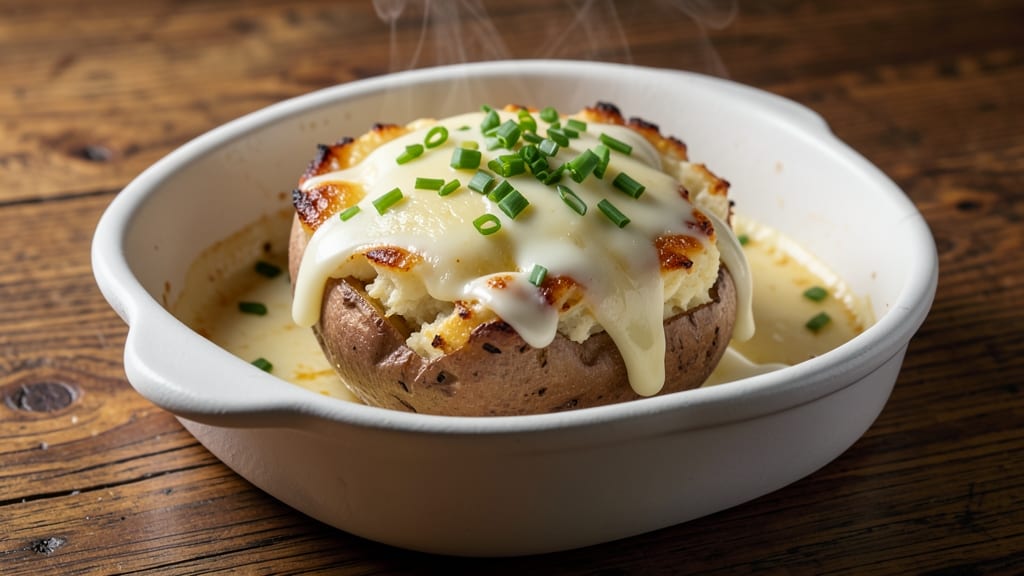
Mastering Gordon Ramsay's twice-baked potato recipe transforms a simple side into a restaurant-worthy centerpiece with its golden, vinegar-kissed crust and creamy, cheesy pull-apart magic. The secret lies in precise boiling, baking, and the perfect balance of tangy and rich flavors—techniques I’ve refined after years of perfecting this dish.
Every bite delivers crispy edges and velvety insides, making it worth the effort.
This recipe starts with flawlessly boiled potatoes—never undercooked, never mushy—before baking until tender. The filling combines sharp cheddar, velvety butter, and fresh chives for a flavor that’s both comforting and sophisticated.
A splash of vinegar in the topping ensures that signature crispy crust, while a final broil locks in the texture. It’s the kind of dish that elevates any meal from ordinary to extraordinary.
What makes this version stand out is the professional-level crispiness without sacrificing moisture inside. The vinegar trick is non-negotiable—it cuts through the richness and creates that perfect contrast.
Whether you’re serving it as a side for steak or making it the star of a loaded potato bar, the results are consistently impressive. The key is patience: let the potatoes cool slightly before mixing, and don’t rush the final broil.
Optional variations let you customize it further—add crispy bacon for smoky depth, swap cheddar for Gruyère, or stir in sour cream for extra creaminess. The beauty of this recipe is its adaptability, but the core technique remains the same: crispy outside, creamy inside, every time.
Ready to take your twice-baked potatoes to the next level? Let’s get started.
Ingredients for gordon ramsay twice baked potato
Four flawless russets, sharp cheddar, and vinegar’s crispy secret transform humble potatoes into a restaurant-worthy masterpiece.
| Ingredient | Amount | Notes |
|---|---|---|
| Russet Potatoes 🥔 | 4 whole | Large, uniform size, peeled |
| Sharp White Cheddar Cheese 🧀 | 1 ½ cups | Freshly grated, block preferred |
| Unsalted Butter 🧈 | ½ cup | Cold, cubed for even melting |
| Fresh Chives 🌿 | ¼ cup | Finely chopped, mild onion flavor |
| White Vinegar 🍶 | 1 tbsp | Distilled, for crispy crust |
| Heavy Cream 🥛 | ¼ cup | Full-fat for richness |
| Diamond Crystal Kosher Salt 🧂 | 1 ½ tsp | For seasoning and boiling water |
| Ground Black Pepper 🌶️ | ½ tsp | Freshly cracked for heat |
| Garlic Cloves 🧄 | 2 cloves | Minced, optional for depth |
| All-Purpose Flour 🌾 | 2 tbsp | For dusting potato tops |
| Crispy Bacon Bits 🥓 | ¼ cup | Optional, for smoky depth |
The russet potatoes are non-negotiable—Idaho-grown russets from Whole Foods or Trader Joe's deliver the ideal waxy texture. Look for potatoes that feel dense and heavy for their size; lighter ones often lack starch. Peel them just before boiling to prevent oxidation. For the cheddar, sharp white cheddar from a block (like Cabot or Gouda) provides the perfect balance of tang and creaminess. Pre-shredded cheese contains anti-caking agents that ruin texture, so grating your own is worth the effort. The butter should be unsalted and cold—this ensures even melting without overpowering the dish.
No sharp cheddar? Gruyère or aged cheddar work beautifully, though the flavor profile shifts slightly. For a dairy-free option, nutritional yeast plus a splash of lemon juice mimics the umami depth. The vinegar is critical—distilled white vinegar ensures crispiness without overpowering, but apple cider vinegar adds subtle complexity. Short on chives? Green onions or parsley provide a similar freshness, though chives’ mild onion note is ideal. The bacon bits, if using, should be crispy and finely chopped—store-bought bits from Costco or Trader Joe's save time without sacrificing quality.
Boiled potatoes should be completely cool before mixing—this prevents the filling from turning watery. Store the filling in an airtight container with parchment between layers to prevent sticking; it keeps for 2 days in the fridge. For longer storage, freeze the assembled potatoes (unbaked) for up to 3 months. Reheat gently in the oven at 375°F (190°C) until the edges are golden. The vinegar trick? Add it to the flour mixture last—this ensures even distribution and maximum crispiness.
Why You'll Love This Recipe
- Crispy Twice the Fun: I swear, the first time I baked these, I couldn’t believe how effortless it was—just bake, slice, stuff, bake again. That golden crust? It’s all thanks to the white vinegar trick Gordon Ramsay swears by, cutting through the richness of the cheddar and butter.
- Cheddar Overload: Between us, this isn’t your basic potato. The sharp white cheddar melts into a gooey blanket, while the chives add that bright, herby punch. Honestly, the first bite makes me forget I’m even eating a potato—it’s that good.
- Game Day Gold: This is my go-to for tailgates, movie nights, or when friends drop by unannounced. It’s hearty enough to feed a crowd but still feels special—no one guesses it’s basically a baked potato hack. (Yes, even on a Tuesday night.)
- Budget-Friendly Luxury: Russets are cheap, butter’s a pantry staple, and a block of cheddar lasts forever. I made four of these for under $5, and they disappear faster than my willpower when I’m hungry. Leftovers? Reheat in the oven, and they’re just as good—if not better.
Step-by-step instructions for Gordon Ramsay's twice-baked potato recipe
Here's how to achieve that legendary cheesy, pull-apart texture with a vinegar-kissed crust.
Boil and Dry the Potatoes
Place the 4 whole russet potatoes in a large pot and cover with cold water by 2 inches. Add 1.5 teaspoons of the diamond crystal kosher salt. Bring to a boil over high heat, then reduce to a simmer and cook for 15-20 minutes until a knife slides in easily. Drain immediately and let them steam-dry in the pot for 5 minutes.
This drying step is crucial—it removes excess moisture that would prevent the vinegar crust from forming properly. I always use a slotted spoon to transfer them to a cutting board, letting any remaining steam escape completely before proceeding. The potatoes should feel warm but not damp to the touch when you're ready to slice.
Prepare the Cheese Filling
While the potatoes cool, melt the 0.5 cup unsalted butter in a saucepan over medium heat. Add the 2 minced garlic cloves and cook for 30 seconds until fragrant. Remove from heat and stir in the 1.5 cups freshly grated sharp white cheddar cheese until fully melted and smooth.
In a separate bowl, whisk together the 0.25 cup heavy cream, 0.5 teaspoon ground black pepper, and the remaining 0.5 teaspoon diamond crystal kosher salt. Slowly pour this mixture into the cheese while whisking constantly to create a creamy, uniform filling. The texture should be thick but still pipeable—if it's too thick, warm it gently over low heat for 10 seconds.
Create the Vinegar Crust
Cut the cooled potatoes in half lengthwise and scoop out the flesh, leaving a ¼-inch thick shell. Place the potato shells on a parchment-lined baking sheet. In a small bowl, mix the 1 tablespoon white vinegar with the 2 tablespoons all-purpose flour until smooth.
Brush this mixture generously over the cut sides of each potato half, focusing on the edges where they'll make contact with the baking sheet. The vinegar creates a chemical reaction with the starches that produces that signature crispy crust. I use a pastry brush for even coverage—don't skip this step, as it's what makes these potatoes truly special.
Assemble and Bake
Spoon the cheese filling into each potato shell, pressing down gently to create a smooth surface. Sprinkle the 0.25 cup crispy bacon bits and 0.25 cup finely chopped fresh chives evenly over the top. The filling should be level with the edges of the potato shells for even baking.
Transfer the baking sheet to a preheated 375°F oven and bake for 25-30 minutes until the tops are golden brown and the filling is bubbling at the edges. The potatoes are done when they're firm to the touch and the cheese has developed a slight crust on top. If the filling browns too quickly, tent loosely with foil for the last 5 minutes of baking.
Serve Immediately
Remove from the oven and let rest for 2-3 minutes before serving. The pull-apart texture develops during this resting period as the filling sets slightly. Serve with additional chopped fresh chives and a sprinkle of ground black pepper if desired.
Each bite should deliver creamy, melty cheese with that vinegar-kissed crust that's crispy on the outside and tender on the inside. The bacon bits add a smoky depth that complements the sharp cheddar perfectly. For best results, serve immediately while the potatoes are at their peak texture.
Pro Tips For Making Gordon Ramsay Twice Baked Potato
- BAKE POTATOES UNTIL SOFT: DESCRIPTION: Don’t rush—aim for a fork-tender center that collapses when pierced. I used to pull them too soon, and the second bake turned them gummy. Russets take 60-75 minutes at 425°F (220°C), wrapped in foil halfway through, for perfect moisture.
- GRATE CHEESE FRESH: DESCRIPTION: Pre-shredded cheddar packs extra starch and moisture. Use a box grater for sharp, dry flakes—no rinsing needed. Pro tip: Mix the grated cheese with the butter before adding it to the potatoes so it melts evenly.
- SALT THE POTATOES WELL: DESCRIPTION: Skip the salt in the water—salting the cut potatoes before baking (1 tsp per pound) guarantees flavor. I learned this after tasting bland, waterlogged centers. No need to rinse after salting.
- BROIL FOR CRUST, NOT COLOR: DESCRIPTION: The final broil isn’t about browning—it’s about sealing the cheese. Watch closely after 3-4 minutes; overcooking turns the top rubbery. If it’s not golden enough, lower the heat and keep an eye on it.
Troubleshooting your gordon ramsay twice baked potato
Potatoes Too Mushy
Over-boiling is the #1 cause of mushy potatoes. Always use a thermometer—boil until internal temp reaches 205°F (about 15-20 minutes). Drain immediately and let steam-dry for 5 minutes in the pot. I’ve learned the hard way: never skip this step, or your vinegar crust will turn soggy. 🥔
Filling Too Watery
If your cheese filling separates or looks runny, the potatoes weren’t cool enough when mixed. Let them rest 10 minutes after boiling before scooping. For extra insurance, pat the insides dry with a paper towel.
I also recommend warming the filling gently (10 seconds on low heat) to thicken it before piping. 🧈
Crust Not Crispy
The vinegar trick is non-negotiable, but timing matters. Brush the vinegar-flour mix right before baking—don’t prep it too early. Also, ensure your oven is fully preheated to 375°F and use a light-colored baking sheet (dark pans absorb heat unevenly).
For extra crispiness, broil for 1-2 minutes at the end. 🔥
Uneven Baking
If the tops brown too fast while the edges stay pale, tent with foil for the last 5 minutes. The opposite problem? Your oven runs hot. Rotate the baking sheet halfway through and check the temp with an oven thermometer—many home ovens are 25°F off.
I use an OXO Good Grips thermometer for accuracy. 🌡️
Filling Spills Over
Overfilling is a common rookie mistake. Press the cheese mixture gently into the shells—it should sit slightly below the rim. For extra stability, chill the assembled potatoes in the fridge for 15 minutes before baking. This helps the filling hold its shape. 💡
Cheese Too Grainy
Pre-shredded cheese contains anti-caking agents that make it clump. Always grate your own using a box grater for smooth, melty results. For extra creaminess, warm the cheese with the butter over low heat while stirring constantly. I also recommend using sharp white cheddar—it melts better than mild varieties. 🧀
Nutrition facts
Frequently asked questions
Why does Gordon Ramsay's recipe use vinegar for the crust?
The vinegar creates a chemical reaction with the potato starches when baked, producing that signature crispy, golden crust. It also balances the richness of the cheese filling.
Can I make these ahead of time?
Yes, but with care. Assemble the potatoes and refrigerate unbaked for up to 24 hours. Bake straight from the fridge, adding 5-10 minutes to the baking time. For the best texture, serve immediately after baking.
What's the best way to reheat leftovers?
Wrap in foil and reheat at 350°F (175°C) for 10-15 minutes until warmed through. The crust may lose some crispiness, so it's best enjoyed fresh. For extra crunch, broil for 1-2 minutes at the end.
Can I substitute other cheeses?
Sharp cheddar is ideal, but Gruyère or aged cheddar work well. For a dairy-free option, use nutritional yeast with a splash of lemon juice for umami depth. Just remember, sharpness matters—mild cheeses won't melt as smoothly.
Why do my potatoes turn out soggy?
Most likely, you didn't dry them properly after boiling. Let them steam-dry for 5 minutes in the pot, then pat the insides dry before adding filling. Also, ensure your oven is fully preheated to 375°F (190°C).