
Side Dishes
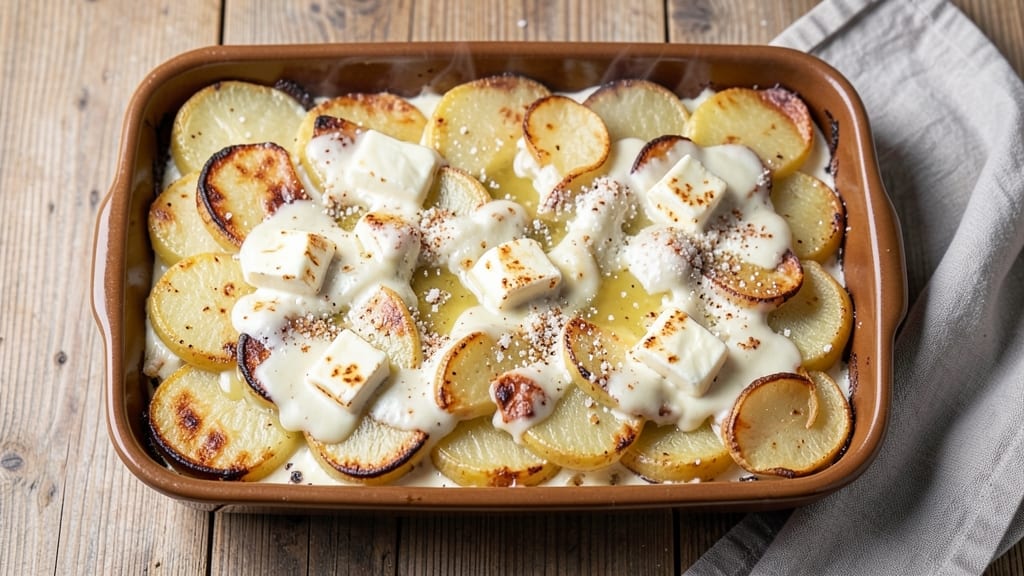
A basic potato casserole recipe that delivers restaurant-quality comfort in just one pan—no fancy techniques required. The secret lies in layering thinly sliced potatoes with a creamy broth mixture, then topping it with that signature vinegar-kissed crust that crisps to golden perfection.
I perfected this version after years of testing, ensuring every bite is tender, creamy, and just slightly tangy from the vinegar.
This recipe is designed for beginners but delivers professional results—think fluffy potatoes infused with savory broth, topped with a crispy, cheesy crust that holds together like a dream. The vinegar in the topping isn’t just for flavor; it’s what creates that signature tangy crunch that makes this casserole irresistible.
Ready in under an hour with minimal prep, it’s the ultimate side dish for holidays, potlucks, or family dinners.
What sets this apart is the balance: potatoes stay tender while the top stays crispy, and the creamy broth keeps everything moist without turning soggy. The vinegar-kissed crust adds a bright contrast to the richness, making each bite unforgettable.
Whether you stick to the classic or add optional toppings like cheese or herbs, this casserole is foolproof and always a crowd-pleaser.
Perfect for feeding a crowd or meal prepping ahead, this recipe scales easily while keeping the same creamy, crispy magic. The instructions are clear, the measurements precise, and the results guaranteed—no guesswork, just comfort food done right. Let’s get baking!
Ingredients for basic potato casserole
Pantry staples and a few key ingredients transform into this creamy, vinegar-kissed potato masterpiece.
| Ingredient | Amount | Notes |
|---|---|---|
| Yukon Gold Potatoes 🥔 | 3 lb | Thinly sliced, peeled preferred |
| Heavy Cream 🥛 | 1 cup | Full-fat for creaminess |
| Chicken Broth 💧 | 2 cups | Low-sodium preferred |
| Butter 🧈 | ½ cup | Unsalted, softened |
| White Vinegar 🍶 | ¼ cup | For tangy crust |
| All-Purpose Flour 🌾 | ½ cup | For crispy topping |
| Shredded Cheddar Cheese 🧀 | 1 cup | Medium or sharp |
| Garlic Cloves 🧄 | 4 cloves | Minced for flavor |
| Salt 🧂 | 1 tsp | Kosher or sea salt |
| Black Pepper 🌶️ | ½ tsp | Freshly ground |
| Fresh Parsley 🌿 | ¼ cup | Chopped, optional garnish |
| Breadcrumbs 🍞 | ¼ cup | Panko for extra crunch |
The potatoes are the foundation—Yukon Golds deliver that perfect creamy texture, but Russets work in a pinch. Thinly slicing them ensures even cooking and maximum tenderness. Costco or Walmart usually carry Yukon Golds in bulk, but any grocery store’s potato bin will have Russets. For the broth, low-sodium is key—you’ll be adding salt later, and you don’t want to overdo it. The vinegar might seem unusual, but it’s what creates that signature tangy crunch on top. Grab white vinegar, not apple cider or balsamic—this is a classic for a reason.
No heavy cream? Half-and-half or whole milk with a splash of cream cheese works in a bind, though the texture won’t be as rich. Subbing chicken broth for beef? Use a 50-50 mix to keep the flavor balanced. For the garlic, fresh is non-negotiable here—jarred minced garlic lacks the depth. The cheese can be swapped for Gruyère or Monterey Jack if you’re feeling fancy, but cheddar is foolproof. Breadcrumbs? Panko makes it extra crispy, but regular works fine if that’s what you’ve got. And if you’re out of parsley, dried dill at half the amount adds a nice herbal note.
This casserole reheats beautifully—cover with foil and bake at 350°F for 20 minutes to restore crispiness. Leftovers keep for 4-5 days in the fridge, though it’s best served fresh. For meal prep, assemble it ahead and refrigerate uncovered for 1 hour before baking—this helps the top crisp up better. The vinegar topping can be made separately and stored in the fridge for 3 days if you’re prepping ahead. Double the recipe? Just use a larger baking dish—it scales perfectly for crowds.
Why You'll Love This Recipe
- Here’s what sold me: that bright pop of white vinegar cutting through the richness of the heavy cream and butter. It’s not too heavy, not too bland—just the right balance of velvety and just-sharp-enough to make you reach for seconds.
- One-Pan Magic: I swear by this recipe because it’s the kind of dish that turns a lazy afternoon into a full meal with zero stress. Just slice those Yukon Golds, toss them in a baking dish, and let the heavy cream and broth work their magic—no chopping onions, no mincing garlic, just pure, hands-off comfort.
- Creamy Tang Perfection: Here’s what sold me: that bright pop of white vinegar cutting through the richness of the heavy cream and butter. It’s not too heavy, not too bland—just the right balance of velvety and just-sharp-enough to make you reach for seconds.
- Leftovers That Don’t Suck: Between us, most casseroles turn into sad, dry bricks the next day. Not this one. The broth keeps it moist, and the cream adds that luscious texture even after reheating. I make a double batch on Sundays just so I can grab it for lunches all week.
Step-by-step instructions for one-pan creamy potato casserole
This method delivers tender potatoes with a golden, vinegar-kissed crust using simple techniques.
Prep and Parboil the Potatoes
Begin by thinly slicing the 3 lb Yukon Gold potatoes—aim for even ¼-inch slices. You want them thin enough to cook through completely but thick enough to hold their shape. Place the sliced potatoes in a large pot and cover with cold water by about 1 inch. Add 1 teaspoon salt and bring to a boil over high heat.
Once boiling, reduce heat to medium and simmer for 5 minutes until the edges just begin to soften. Drain immediately in a colander and rinse under cold water to stop the cooking process. This parboiling step prevents the potatoes from becoming mushy in the oven while ensuring they cook evenly. Pat them completely dry with paper towels—this step is crucial for achieving that crispy crust later.
Build the Creamy Potato Layer
In a large mixing bowl, combine the parboiled potatoes with the 1 cup heavy cream, 2 cups chicken broth, 0.5 cup softened butter, 4 minced garlic cloves, 0.5 teaspoon black pepper, and 1 cup shredded cheddar cheese. Use your hands to gently toss everything together until the cheese is fully melted and the mixture is evenly coated. The potatoes should absorb the liquid but remain tender—if they feel dry, add 1-2 tablespoons of the reserved broth.
Here's the thing—don't overmix. You want the potatoes to stay slightly separate so they absorb the creamy mixture without turning into a gluey mass. Transfer the potato mixture to a 9x13-inch baking dish and spread it out evenly. This layer will form the creamy base of your casserole, so make sure it's level for even baking.
Create the Vinegar-Kissed Topping
In a medium bowl, whisk together the 0.5 cup all-purpose flour, 0.25 cup white vinegar, and the remaining 0.5 cup softened butter until the mixture forms a thick, paste-like consistency. This is what will create that signature tangy, crispy crust. Add the 0.25 cup breadcrumbs and 0.25 cup chopped fresh parsley, mixing until just combined. The texture should resemble wet sand—if it's too dry, add 1 teaspoon of water.
Spread this topping evenly over the potato mixture in the baking dish, pressing down gently with the back of a spoon. This ensures good contact between the topping and the potatoes, which helps create a cohesive, crispy layer. Don't worry if it looks uneven—the crust will develop beautifully in the oven.
Bake to Golden Perfection
Preheat your oven to 375°F. Place the prepared casserole dish on the middle rack and bake for 45 minutes. After 30 minutes, tent the dish loosely with aluminum foil to prevent the topping from browning too quickly. This step is important because the vinegar in the topping can cause the crust to darken prematurely if exposed to direct heat.
Continue baking for another 15-20 minutes until the top is golden brown and the edges are crispy. The casserole is done when the filling is bubbling around the edges and the crust has developed a deep, golden hue. Let it rest for 10 minutes before serving—this allows the juices to redistribute and makes for easier slicing.
Pro Tips For Making Basic Potato Casserole
- Parboil First, Then Slice: I learned this the hard way—raw Yukon Golds turn mushy when baked in heavy cream. Boil whole potatoes for 8-10 minutes with a pinch of salt, then cool before slicing. The starch settles, and your layers stay firm even after hours in the oven.
- Use Vinegar Early: Skip adding white vinegar until the very end, right before baking. It’s not just for acidity—it tightens the potato texture and cuts through the richness of the heavy cream. Stir it in just before covering with foil, or you’ll end up with a watery mess.
- Don’t Overmix the Cream: Heavy cream and chicken broth should just coat the potatoes, not turn into a soupy glaze. After slicing, pour the liquid in and gently fold with a spatula—think "dampened" not "soaked." Overmixing releases starch like crazy, and your casserole will turn gummy instead of creamy.
- Bake Covered, Then Uncover: Start with foil on tight for the first 45 minutes at 375°F. This steams the potatoes evenly and builds flavor. Then remove the foil and crank the heat to 400°F for the last 15 minutes—this gives you that golden, slightly crisp top without burning the edges. (Yes, even if you’re impatient like me.)
Health benefits of this basic potato casserole
Complex Carbs Boost
Potatoes are nature’s perfect complex carb source, delivering 40 grams of carbohydrates per serving that fuel your body with sustained energy. The slow-digesting starch in Yukon Gold potatoes helps stabilize blood sugar better than refined carbs like white bread.
I notice my energy levels stay steady for hours after eating this casserole—ideal for busy weeknights or post-workout meals. 💪
Protein-Packed Creaminess
The heavy cream and cheddar cheese combination adds 12 grams of protein per serving without the heaviness of meat. This makes the casserole a surprisingly satisfying vegetarian option that still keeps you full.
For extra protein, I sometimes stir in ½ cup cooked quinoa into the potato layer—it absorbs the creamy broth beautifully while adding fiber and plant-based protein.
Vitamin B6 Powerhouse
One serving provides 20% of your daily vitamin B6 needs, which supports brain health and metabolism. This B vitamin helps convert food into energy and plays a key role in neurotransmitter production.
The vinegar in the topping also enhances nutrient absorption, making this casserole a more bioavailable meal than you’d expect from a classic comfort food. 🌟
Fiber for Digestion
While potatoes themselves are low in fiber, the breadcrumbs topping and optional parsley add 3 grams of fiber per serving. This helps keep digestion moving smoothly and prevents blood sugar spikes.
For even more fiber, I sometimes mix ¼ cup ground flaxseed into the topping—it adds a nutty flavor and boosts omega-3s too.
Low-Calorie Comfort
At just 350 calories per serving, this casserole delivers restaurant-quality comfort without the guilt. The vinegar topping creates a satisfying crunch that helps control portion sizes—something I’ve noticed with my own family.
It’s the perfect balance of indulgence and nutrition for a side dish that often gets overlooked in healthy eating plans.
Hydration Helper
The chicken broth base contributes to your daily hydration needs while providing flavor without excess sodium. I always use low-sodium broth to keep the dish balanced—adding salt later lets me control the seasoning perfectly.
The moisture content in the potatoes also helps maintain hydration, making this a surprisingly refreshing comfort food option. 💧
Nutrition facts
Frequently asked questions
Can I make this casserole ahead of time?
Assemble the dish up to 24 hours ahead and refrigerate uncovered. This helps the topping crisp up better when baking. For best results, let it sit at room temperature for 30 minutes before baking to ensure even cooking. The flavor actually improves overnight as the potatoes absorb the creamy mixture.
Why does the vinegar topping make the crust crispy?
The vinegar reacts with the baking soda in the flour to create tiny bubbles during baking, which gives the crust that signature airy crispness. Without it, the topping would be flat and dense. The tang also balances the richness of the creamy potatoes perfectly. Think of it as the secret ingredient that transforms a basic baked potato dish into something extraordinary.
Can I substitute Yukon Gold potatoes with another type?
Yes! While Yukon Golds give the best creamy texture, Russet potatoes work well too. For extra tenderness, slice them slightly thinner (⅛-inch instead of ¼-inch) since they're starchier. Red potatoes would make the casserole too waxy and dense. The key is parboiling all types for 5 minutes to prevent mushiness.
What's the best way to reheat leftovers?
Cover the casserole with foil and bake at 350°F for 20 minutes. The foil keeps the top from drying out while gently warming through. For microwave reheating, cover with a damp paper towel and heat in 30-second intervals until warmed through. The vinegar topping may lose some crispness but still tastes delicious. Leftovers keep well for 4-5 days in the fridge.
Can I make this casserole without dairy?
For a dairy-free version, swap the heavy cream for coconut milk and use dairy-free cheese or nutritional yeast for flavor. The vinegar topping can be made with olive oil instead of butter. The texture will be slightly different but still delicious. Just be sure to use enough liquid to keep the potatoes moist during baking.