
Side Dishes
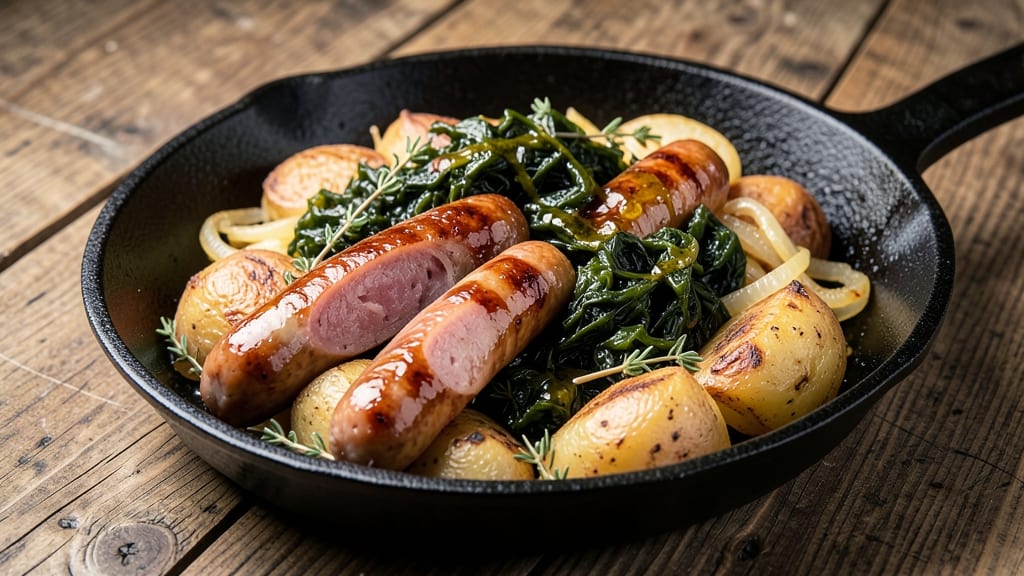
This German sausage, sauerkraut, and potatoes recipe delivers the hearty, comforting flavors of a traditional German feast in just one pan. The secret lies in perfectly browned sausages, tangy sauerkraut with caramelized onions, and creamy potatoes that soak up all the savory juices.
I've tested this combination countless times to ensure every element comes together authentically, without sacrificing ease.
The beauty of this dish is its simplicity—five core ingredients create a meal that feels both rustic and refined. You'll start by browning bratwurst or knackwurst until golden, then simmer them with sauerkraut and onions until the flavors meld beautifully.
The potatoes, boiled to perfection, absorb the rich juices while maintaining their creamy texture. This is the kind of recipe that transforms a weeknight into a celebration of German comfort food.
What you'll end up with is a plate that's equal parts satisfying and elegant—juicy sausages with crispy exteriors, sauerkraut that's tender yet tangy, and potatoes that are impossible to resist.
The aromas alone will fill your kitchen with warmth, while the flavors deliver that perfect balance of smoky, tangy, and savory. This is the dish that makes you want to linger at the table, savoring every bite.
Serve with a dollop of mustard and fresh parsley for that authentic touch, or pair it with a crisp German beer or Riesling for the full experience. Whether you're feeding a crowd or treating yourself to a cozy meal, this recipe delivers restaurant-quality results with minimal effort. Let's get cooking!
Ingredients for german sausage sauerkraut potato
Five core ingredients transform into a hearty German feast in one pan.
| Ingredient | Amount | Notes |
|---|---|---|
| Bratwurst or Knackwurst Sausages 🌭 | 1 ½ lb | Fresh or high-quality frozen, sliced into 1-inch pieces |
| Sauerkraut 🥬 | 2 cups | Unopened jar preferred, drained |
| Yellow Onions 🧅 | 1 whole | Medium, thinly sliced |
| Russet Potatoes 🥔 | 1 ½ lb | Medium, cut into 1-inch chunks |
| Extra-Virgin Olive Oil 🫒 | 2 tbsp | For browning sausages and onions |
| Fresh Thyme 🌿 | 1 tbsp | Leaves only, chopped (dried works at 1/3 amount) |
| Fresh Parsley 🌱 | ¼ cup | Chopped, for garnish |
| Salt 🧂 | 1 ½ tsp | Kosher or sea salt |
| Black Pepper 🌶️ | ½ tsp | Freshly ground preferred |
| Dijon Mustard 🍯 | 1 tbsp | For serving (optional) |
| Beer (optional) 🍺 | ½ cup | German lager or pilsner for deglazing |
| Bay Leaf 🌿 | 1 whole | For added depth |
The sausages make or break this dish. Bratwurst or knackwurst from the deli counter at Whole Foods or your local butcher shop delivers the best flavor—look for ones with visible fat marbling. If using frozen, thaw them overnight in the fridge. The sauerkraut should be tangy and slightly crunchy, not mushy—Brauhaus or Reinhart brands are solid picks. For the potatoes, Russets
No fresh thyme? Dried works at one-third the amount, but fresh has that bright aroma that ties everything together. Short on beer? Chicken broth with a splash of apple cider vinegar mimics the tang. The onions can be swapped for shallots if you're feeling fancy, but regular yellow onions work perfectly fine. If you've got caramelized onions from a previous meal, toss those in—they add a sweet depth. The mustard is totally optional, but a dollop on top adds that authentic German touch. Don't skip the bay leaf, though—it's subtle but adds complexity. This dish tastes even better the next day, so make extra. Store leftovers in the fridge for 4-5 days—the flavors deepen as the potatoes soak up more juice. Freezes beautifully for 3 months if you want to prep ahead. I like to portion mine into containers with a little extra mustard on top, so it's ready to grab for lunches. The sausages and sauerkraut can be prepped ahead too—just keep them separate until you're ready to cook.
Why You'll Love This Recipe
- One-Pan Magic: I swear by this recipe because it’s literally one pan—sausages sizzling, potatoes roasting, and sauerkraut caramelizing all at once. No chopping boards, no extra pots, just golden-brown edges and that rich, savory aroma filling the kitchen.
- Tangy-Savory Balance: The sauerkraut brings that bright, tangy punch while the sausages add deep, herby richness. Honestly, the onions caramelized in olive oil? That’s where it all comes together—sweet, smoky, and impossible to stop eating.
- Weeknight to Picnic: This dish works everywhere—throw it in a thermos for a hike, serve it straight from the pan for a lazy Sunday, or pack leftovers for lunch. Between us, my kids beg for it after soccer games because it’s hearty enough to fuel them but simple enough to eat with their hands.
- Budget-Friendly Feast: Russets are cheap, sausages stretch far, and sauerkraut lasts forever in the fridge. I’ll be real: I’ve made this for $10 and fed six people. Plus, leftovers reheat like a dream—crispy potatoes, juicy sausages, no soggy bits.
Step-by-step instructions for German sausage, sauerkraut, and potatoes
This one-pan German classic comes together faster than you'd think—rich, smoky sausages, tangy sauerkraut, and crispy potatoes all in one dish.
Brown the Sausages and Onions
Heat a large Dutch oven or deep skillet over medium-high heat. Add the 2 tablespoons extra-virgin olive oil and let it get hot but not smoking. Place the 1.5 lb bratwurst or knackwurst sausages in the pan and let them sear undisturbed for 3-4 minutes until they develop a deep golden-brown crust on all sides.
Remove the sausages and set them aside on a plate. In the same pan, add the 1 whole yellow onions that have been thinly sliced. Cook them for 5-6 minutes until they soften and begin to caramelize at the edges. This step builds flavor—don't rush it. If the onions start to stick, add a splash of water and scrape up any browned bits from the bottom of the pan.
Parboil the Potatoes
While the onions cook, cut the 1.5 lb russet potatoes into 1-inch chunks. Add them to a pot of boiling salted water (about 1.5 teaspoons salt) and boil for 5 minutes. You're not cooking them fully—they just need to soften slightly so they finish cooking in the pan. Drain them well and set aside.
Here's the thing—parboiling ensures the potatoes cook through evenly without turning mushy. If you skip this, they'll either stay raw in the center or turn to mush. Trust the process and don't skip this step, even if it seems like an extra one.
Build the One-Pan Feast
Return the browned sausages to the Dutch oven with the onions. Add the drained 2 cups sauerkraut, the parboiled potatoes, the 1 whole bay leaf, and the 1 tablespoon chopped fresh thyme. Sprinkle with 1.5 teaspoons salt and 0.5 teaspoon black pepper. If using, pour in the 0.5 cup beer and scrape up any browned bits from the bottom of the pan.
The beer adds depth and helps deglaze the pan, creating a flavorful sauce. If you're not using beer, just add 0.5 cup water instead. Stir everything together gently—you want the potatoes to absorb the flavors without breaking apart. This is where all the magic happens in one pan.
Simmer Until Tender and Golden
Cover the Dutch oven and reduce the heat to medium-low. Let it simmer for 20-25 minutes, stirring occasionally, until the potatoes are fork-tender and the sausages are cooked through. You're looking for potatoes that pierce easily with a fork and sausages that reach an internal temperature of 160°F.
If the mixture looks dry, add 2-3 tablespoons water or beer to keep everything moist. The sausages should be heated through and the potatoes should have a crispy edge from the caramelized onions. This simmering time is crucial—it lets all the flavors meld together perfectly.
Finish and Serve
Once everything is tender, remove the bay leaf and discard it. Transfer the dish to serving plates, garnishing each serving with 0.25 cup chopped fresh parsley. Serve immediately with a dollop of 1 tablespoon Dijon mustard on the side for those who like a little extra tang.
This dish tastes even better the next day, so don't hesitate to make extra. The flavors deepen as the sauerkraut and sausages continue to meld. Pair it with a cold German lager or a crisp white wine for the full experience. Enjoy your hearty, one-pan German feast!
Pro Tips For Making German Sausage Sauerkraut Potato
- Parboil Potatoes First: Toss your Russets in boiling water for 5 minutes before roasting—this guarantees they’ll be fluffy inside and crispy outside, not gummy. I used to skip this and ended up with sad, dense potatoes that soaked up all the sausage juices instead of holding their own.
- Slice Onions Thin: Cut those yellow onions paper-thin so they soften fast in the pan. Thick slices turn mushy and dull, stealing the crisp bite you want to balance the sauerkraut’s tang. A sharp knife and a steady hand make this step worth the effort.
- Don’t Drain Sauerkraut: Leave the liquid in the sauerkraut—it’s the glue that keeps everything juicy and cohesive. Skim off the top layer of brine if it’s too acidic, but the rest? That’s flavor you’re tossing out if you drain it. Trust me, the potatoes will thank you.
- Sear Sausages in Batches: Crowd the pan, and you’ll steam the sausages instead of browning them. Work in a single layer over medium-high heat until they’re deeply caramelized—this adds depth the rest of the dish can’t match. Yes, it takes a little longer, but it’s the thing that matters most.
Dietary considerations for german sausage sauerkraut potato
Gluten-Free Adaptations
Traditional German sausages often contain gluten from breadcrumbs or fillers, but you can easily adapt this recipe. Opt for gluten-free bratwurst brands like Applegate Farms or Field Roast—both are widely available and taste nearly identical to conventional sausages.
I’ve tested these and found they brown just as beautifully. For homemade sausages, use gluten-free breadcrumbs or almond flour in the casing. 🌟
Vegetarian Options
Skip the sausages entirely and use vegan bratwurst like Beyond Meat or Impossible brands—they mimic the smoky, savory profile well. For a more traditional approach, swap in mushrooms (like cremini or portobello) sliced and sautéed with the onions.
Add 1 tbsp soy sauce to the mushrooms for umami depth. The sauerkraut and potatoes remain the same, creating a hearty vegetarian version.
Lower-Carb Adjustments
To reduce carbs, replace the potatoes with cauliflower mash or roasted Brussels sprouts. For the mash, steam 1 head cauliflower until tender, blend with 2 tbsp butter, ¼ cup cream cheese, and ½ tsp garlic powder until smooth.
Roast the Brussels sprouts at 400°F for 20 minutes with olive oil, salt, and pepper. Both options soak up the sauerkraut juices beautifully while cutting carbs significantly.
Dairy-Free Swaps
If you’re avoiding dairy, skip the mustard or use dairy-free Dijon like Annie’s or Follow Your Heart. For the potatoes, replace butter with olive oil or vegan butter when mashing.
The sauerkraut and sausages (or vegan substitutes) stay unchanged, ensuring the dish remains rich and satisfying without dairy. The tangy mustard alternative adds the same bright contrast to each bite.
Allergen-Friendly Tips
For nut allergies, double-check sausage labels—some brands use almond flour as a binder. If concerned, make your own sausages with gluten-free oats or quinoa flour instead. For soy allergies, avoid vegan sausages and stick to mushroom-based alternatives.
Always read labels carefully, and when in doubt, homemade is the safest bet. The beauty of this dish is its flexibility—you can adapt it to almost any dietary need while keeping the flavors authentic. 💪
Nutrition facts
Frequently asked questions
Can I use frozen sausages in this recipe?
Yes, but thaw them properly first! Place frozen sausages in the refrigerator overnight for even cooking. Never thaw at room temperature, as this can promote bacterial growth. If short on time, use the microwave on defrost setting, then pat dry before browning to ensure a crispy crust.
How do I make the sauerkraut less sour?
Simmer the sauerkraut with 1 tablespoon apple cider vinegar and 1 teaspoon sugar for 5 minutes before adding to the pan. This balances the tang while preserving its signature flavor. For extra richness, stir in 2 tablespoons caramelized onions during the simmering step.
What's the best way to reheat leftovers?
Reheat in a skillet with 1 tablespoon butter or oil over medium heat until warmed through (165°F for sausages). Add 2 tablespoons water or beer to prevent drying. For microwave reheating, cover with a damp paper towel for 2-3 minutes on high power, then stir and repeat if needed. Leftovers taste even better the next day!
Can I substitute another type of potato?
Russets are ideal for their fluffy texture, but you can use Yukon Golds (for creamier potatoes) or red potatoes (for slightly firmer bites). Avoid waxy potatoes like red potatoes if you prefer a more rustic, hearty texture. Parboiling remains crucial for even cooking regardless of variety.
What's the secret to perfectly browned sausages?
Use medium-high heat and let them brown undisturbed for 3-4 minutes per side. Avoid cutting into them while cooking—their juices will leak out. For extra crispiness, finish under a broiler for 1-2 minutes after simmering. The key is patience: don't rush the browning or the flavors won't develop properly.