Side Dishes
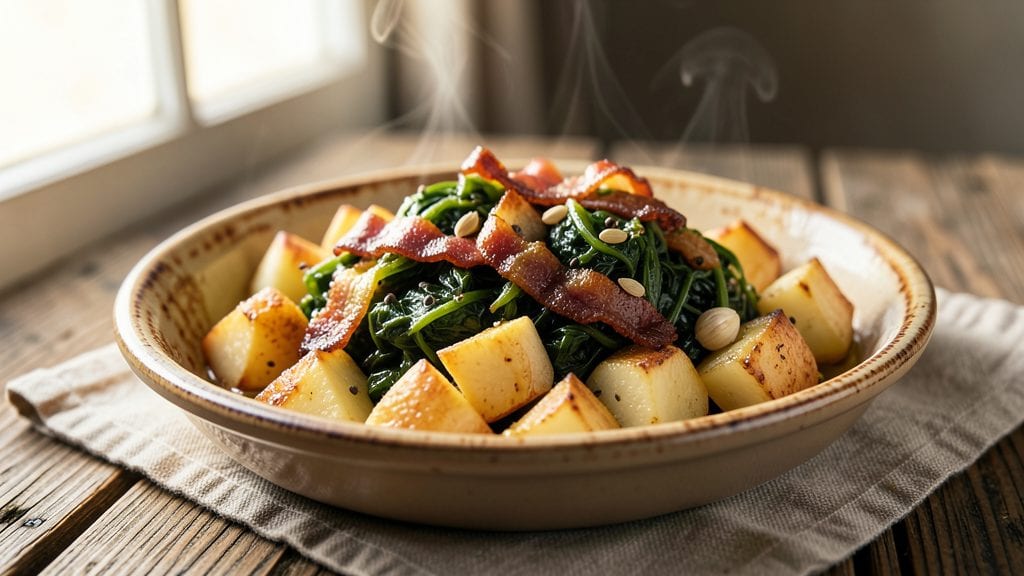
A sauerkraut and potatoes recipe like this transforms simple ingredients into a dish that balances tangy-sour flavors with satisfying crispy edges—perfect for elevating any meal.
The secret lies in roasting potatoes until golden and caramelized while sautéing sauerkraut with aromatic spices like caraway and garlic, creating a harmony of textures and tastes. This method ensures every bite delivers both hearty comfort and bright acidity, making it a standout side dish.
What sets this recipe apart is its versatility—whether you follow a traditional German approach with bacon or a lighter fusion twist with herbs, the technique remains foolproof. Potatoes cook until tender yet crispy on the edges, while the sauerkraut develops a rich, slightly sweet depth from the slow caramelization.
The result is a dish that feels both rustic and refined, ready to pair with roasted meats or serve as a standalone centerpiece.
By the time you’re done, you’ll have a pan of perfectly roasted potatoes—crispy along the edges, tender inside—tossed with sauerkraut that’s tender yet still retains its signature tang. The dish carries that inviting aroma of caramelized potatoes and fermented cabbage, promising a flavor profile that’s bold yet balanced.
This is the kind of recipe that turns a simple side into a showstopper.
Serve it alongside roasted chicken, pork chops, or even as a hearty vegetarian main with a dollop of sour cream or a sprinkle of fresh dill.
The crispy edges and tangy-sour balance make it irresistible, proving that even classic dishes can feel fresh and exciting with the right technique. Let’s get cooking!
Ingredients for sauerkraut and potato
Simple ingredients that deliver bold, crispy-sour harmony—perfect for weeknight dinners or holiday feasts.
| Ingredient | Amount | Notes |
|---|---|---|
| Russet Potatoes 🥔 | 2 lbs | Cut into 1-inch cubes, parboiled |
| Sauerkraut 🥬 | 1 lb | Unopened jar preferred for tang |
| Bacon 🥓 | 6 oz | Thick-cut, chopped into small pieces |
| Caraway Seeds 🌿 | 1 tbsp | Whole, lightly toasted |
| Garlic Cloves 🧄 | 4 cloves | Minced, for depth of flavor |
| Olive Oil 🫒 | ½ cup | Extra-virgin, for roasting |
| Dried Thyme 🌿 | 1 tsp | Or 1 tbsp fresh thyme leaves |
| Salt 🧂 | 1 ½ tsp | Kosher or sea salt, adjust to taste |
| Black Pepper 🌶️ | ½ tsp | Freshly ground for best flavor |
| Fresh Dill 🌿 | ¼ cup | Chopped, for brightness (optional) |
| Sour Cream 🥛 | ¼ cup | Full-fat for serving (optional) |
| Apple Cider Vinegar 🍎 | 1 tbsp | For balancing sauerkraut acidity |
The potatoes are the foundation—russet potatoes with their high starch content develop the perfect crispy edges when roasted. Grab a 2-pound bag from the grocery store, but if you're feeling fancy, organic potatoes from a farmers market add extra flavor. For the sauerkraut, look for unopened jars with liquid covering the top—this ensures maximum tang. Braunschweiger or Reinhart brands are reliable choices, but any quality sauerkraut will work. The bacon adds richness, so thick-cut is ideal—it renders fat slowly, creating a smoky base for the dish. If you're avoiding meat, smoked paprika can mimic that depth.
No bacon? Substitute with smoked turkey bacon or crispy chicken skin for a lighter option. Out of caraway seeds? Celery seeds work in a pinch, though the flavor will be milder. Fresh dill is ideal, but dried dill at one-third the amount gets you close. The apple cider vinegar is key—it balances the sauerkraut's acidity, so don’t skip it if you want that perfect tangy-sour harmony. For extra crispiness, parboil the potatoes before roasting—this ensures they stay tender inside while getting that golden crust. If you're short on time, microwave the potatoes for 5 minutes before roasting to speed up the process.
Roasted potatoes keep well—reheat in the oven at 375°F for 10 minutes to restore crispiness. The sauerkraut mixture stays fresh for 4-5 days in the fridge, but the flavor deepens over time. Portion into containers for easy lunches or leftovers. For a vegetarian twist, swap bacon for crispy chickpeas—toss them in olive oil and roast until golden. This dish also freezes beautifully—store the potatoes and sauerkraut separately and reheat from frozen in the oven.
Why You'll Love This Recipe
- Here’s what sold me: this recipe is basically a lazy person’s brunch. Use the leftovers to top eggs or mix into a hash the next morning. The potatoes stay fluffy, the bacon’s still crispy, and you’ve got a full meal for pennies. (Yes, even on a Tuesday night.)
- One-Pan Magic: I swear by this recipe when I’m too tired to scrub pots. Toss everything—peeled potatoes, sauerkraut, bacon, even the garlic—onto a sheet pan, roast until golden, and call it a meal. The bacon renders its own fat, so no extra oil needed.
- Caraway-Kissed Crunch: Honestly, the caraway seeds are the secret weapon. They turn this into something way more interesting than plain potatoes—earthy, nutty, and just a little funky from the sauerkraut. It’s the kind of flavor that makes you want to eat it straight from the pan.
- Leftovers That Don’t Suck: Between us, most leftover potato dishes turn into sad, dry mush. Not this one. The sauerkraut keeps things tangy, and the bacon adds richness, so reheating it later feels like a treat. I’ve had it cold in sandwiches, too—no joke.
Step-by-step instructions for sauerkraut and potatoes with crispy edges
Here’s how to create a perfect balance of crispy potatoes and tangy sauerkraut with rich, smoky bacon.
Parboil and Season the Potatoes
Place the 2 lbs of russet potatoes, cut into 1-inch cubes, in a large pot and cover with cold water. Add 1.5 tsp salt and bring to a boil over medium-high heat. Once boiling, reduce heat to medium and cook for 8 minutes—they should be slightly tender but still firm to the bite. Drain immediately and transfer to a rimmed baking sheet.
While the potatoes are still warm, drizzle them evenly with 0.5 cup olive oil and toss gently to coat. Sprinkle with 1 tsp dried thyme, 0.5 tsp black pepper, and 1 tbsp caraway seeds. Toss again until the potatoes are fully coated and evenly seasoned. This step ensures crispy edges while keeping the insides tender.
Cook the Bacon and Prepare the Sauerkraut
In a separate skillet, cook the 6 oz bacon, chopped into small pieces, over medium heat until crispy, about 8-10 minutes. Use a slotted spoon to transfer the bacon to paper towels to drain excess fat, leaving about 2 tablespoons of bacon fat in the skillet. This fat will add depth to the sauerkraut.
In the same skillet, add the 1 lb sauerkraut and cook over medium heat for 5 minutes, stirring occasionally. Pour in 1 tbsp apple cider vinegar and 4 cloves minced garlic, then cook for another 3-4 minutes until the sauerkraut softens slightly and the garlic is fragrant. Remove from heat and set aside.
Roast the Potatoes to Crispy Perfection
Preheat your oven to 425°F. Arrange the seasoned potatoes in a single layer on the baking sheet, ensuring they don’t overlap. Roast for 30-35 minutes, stirring once halfway through, until the edges are deep golden brown and crispy. The potatoes should be tender when pierced with a fork but still hold their shape.
For extra crispiness, broil for 2-3 minutes at the end, watching closely to avoid burning. The high heat will caramelize the edges while keeping the centers moist. Remove from the oven and let them rest for 5 minutes before serving.
Assemble and Garnish
Divide the crispy potatoes among 4 plates, spooning the sauerkraut mixture over the top. Drizzle with any remaining bacon fat from the skillet and scatter the crispy bacon pieces evenly. Garnish with 0.25 cup chopped fresh dill for brightness and a dollop of 0.25 cup sour cream on each serving.
Serve immediately while the potatoes are still crispy and the sauerkraut is warm. The tangy-sour balance of the sauerkraut pairs perfectly with the rich, smoky bacon and the crispy edges of the potatoes, creating a satisfying, hearty dish.
Pro Tips For Making Sauerkraut And Potato
- PARBOIL POTATOES FIRST: Toss peeled Russets into boiling water for 8-10 minutes before roasting—this guarantees even cooking and prevents the outside from burning while the center stays doughy. I used to skip this and ended up with crispy exteriors hiding raw insides, especially with larger potatoes.
- RINSE THE SAUERKRAUT: Drain the sauerkraut and give it a quick cold-water rinse to cut the acidity, then pat it dry with a towel. This balances the flavors without muting the tang, and dry sauerkraut browns better when cooking. (Yes, even if you’re impatient like me—trust the process.)
- COOK BACON LOW AND SLOW: Render the bacon over medium-low heat until crispy, then remove it from the pot and set it aside. The residual fat will cook the potatoes and sauerkraut evenly without burning. After burning three batches, I finally figured out that patience here saves cleanup later.
- TOAST THE CARAWAY: Dry-toast the whole caraway seeds in a separate pan for 30 seconds before grinding them—this deepens their aroma and prevents them from turning bitter. My grandmother swore by this, and she was right: the flavor jumps off the plate. (Sounds weird, but it works.)
Regional styles of this dish
German Kartoffel Tradition
In Germany, this dish often appears as Kartoffeln mit Sauerkraut, a classic side for sausages or pork. The key difference? Germans frequently use potatoes boiled whole (not cubed) and serve them with smoked sausages like bratwurst.
I’ve adapted the technique by roasting cubes for extra crispiness while keeping the sauerkraut’s tangy depth. For authenticity, swap the bacon for smoked pork shoulder or crispy pork belly. 🥓
Polish Kapusta Kiszona Twist
Poland’s version, kapusta kiszona z ziemniakami, leans heavier on caraway seeds and often includes dried mushrooms for umami. I recommend adding 2 tbsp chopped dried porcini to the sauerkraut mixture during cooking.
Polish cooks also traditionally serve this with baked pierogi or roasted duck. For a true Polish touch, finish with chopped marjoram instead of dill.
Scandinavian Surströmming Fusion
While not traditional, Scandinavian cooks sometimes pair sauerkraut with fermented fish like surströmming. For a fusion twist, I suggest adding 1 tbsp fish sauce (like Red Boat) to the sauerkraut while cooking, then garnishing with pickled onions.
Serve with crispy rye bread for a Nordic-inspired side. The fish sauce adds a briny depth that complements the potatoes beautifully. 🌊
American BBQ-Style Adaptation
In the US, this dish often gets a smoky BBQ twist—I’ve seen it served as a side for pulled pork. Add 1 tbsp smoked paprika and ½ tsp cayenne to the potato seasoning, then roast at 450°F for 25 minutes for extra crispiness.
Top with crumbled bacon and a drizzle of BBQ sauce instead of sour cream. This version works perfectly at tailgates or cookouts.
Vegetarian Chickpea Crisp Version
For plant-based eaters, replace bacon with ½ cup roasted chickpeas (tossed in olive oil and smoked paprika). Use 1 tbsp nutritional yeast in the sauerkraut for a cheesy depth. Garnish with avocado slices and a squeeze of lime. This version keeps the crispy edges while making it completely meat-free. 🌱
Czech Kysané Zeleniny Style
In Czech cuisine, sauerkraut is often mixed with carrots and apples for sweetness. Add ½ cup grated carrot and ½ cup diced apple to the sauerkraut while cooking.
Czech cooks also frequently serve this with fried cheese (like tvarohové knedlíky). The sweetness balances the tang perfectly, making it a unique regional take.
Nutrition facts
Frequently asked questions
Can I make this recipe without bacon?
For a vegetarian version, replace the bacon with ½ cup roasted chickpeas (tossed in olive oil and smoked paprika) or crispy pork-free sausage crumbles. You can also skip the meat entirely and boost flavor with 1 tbsp nutritional yeast in the sauerkraut for a cheesy depth. The crispy edges will still shine!
Why do the potatoes need to be parboiled before roasting?
Parboiling creates a head start on cooking, ensuring the potatoes stay tender inside while developing those perfect crispy edges in the oven. Skipping this step risks dry, gummy potatoes. The 8-minute boil is key—just until they're fork-tender but still firm.
How can I make this dish spicier?
Add ½ tsp cayenne pepper or 1 tsp hot paprika to the potato seasoning, or stir 1 tbsp sriracha into the sauerkraut mixture. For heat lovers, sprinkle red pepper flakes on top before serving. The tangy-sour balance will make the spice sing!
Can I use sweet potatoes instead of russets?
Yes, but expect a slightly different texture. Sweet potatoes will be softer and less crispy—roast them at 400°F instead of 425°F for 35-40 minutes, and add 1 tbsp maple syrup to the sauerkraut for sweetness contrast. The flavor will be richer but less crisp.
What's the best way to reheat leftovers?
For crispy edges, reheat potatoes in a 400°F oven for 10-12 minutes—add a splash of water to the pan to steam them gently. Warm sauerkraut in the same skillet over low heat with 1 tbsp water**> to prevent drying. Never microwave potatoes—they’ll turn soggy!