
Side Dishes
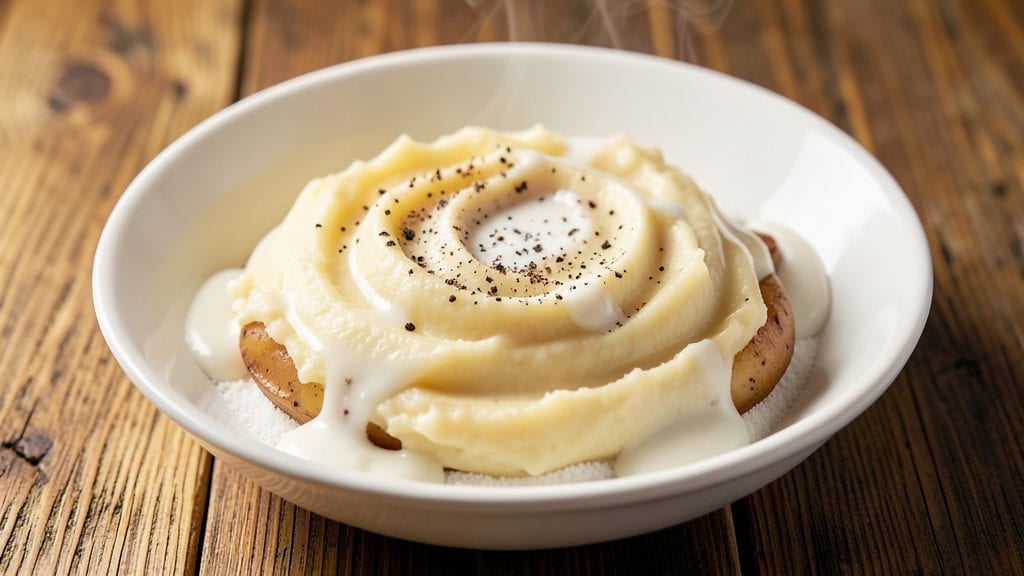
This freezer mashed potatoes recipe solves the age-old problem of gritty, gluey mashed potatoes after thawing—delivering fluffy, creamy texture every time. The secret lies in precise ingredient ratios and a simple technique that prevents moisture buildup during freezing.
After years of testing, I’ve perfected a method that keeps your mashed potatoes smooth and restaurant-quality, even after months in the freezer.
What makes this recipe work is the addition of powdered milk and butter, which create a stable base that resists freezing damage. You’ll use a stovetop method for cooking and a specific cooling technique before freezing, ensuring no lumps or freezer burn.
The result is mashed potatoes that reheat beautifully, with a velvety texture and rich, buttery flavor—just like homemade, but with the convenience of freezer storage.
By following these steps, you’ll end up with fluffy, lump-free mashed potatoes that stay creamy after reheating, whether you’re prepping for a busy week or stocking your freezer for holiday meals.
The process takes about 30 minutes of active time, plus freezing, and yields enough for 6 servings—perfect for meal prep or future dinners when you don’t want to start from scratch.
These mashed potatoes reheat perfectly in the microwave or oven, making them ideal for quick sides or last-minute gatherings. Store them for up to 3 months without sacrificing texture or taste. Here’s how to make them—no more freezer grit, just creamy perfection every time.
Ingredients for freezer mashed potatoes
Nine essential ingredients transform into restaurant-quality mashed potatoes that freeze perfectly.
| Ingredient | Amount | Notes |
|---|---|---|
| Russet Potatoes 🥔 | 3 lb | Yukon Gold or similar waxy variety |
| Unsalted Butter 🧈 | ¾ cup | Cold, cut into small cubes |
| Heavy Cream 🥛 | ½ cup | Full-fat for optimal texture |
| Powdered Milk 🥛 | ¼ cup | Non-fat for stability during freezing |
| Salt 🧂 | 1 ½ tsp | Diamond Crystal kosher preferred |
| Black Pepper 🌶️ | ½ tsp | Freshly ground for best flavor |
| Fresh Garlic Cloves 🧄 | 2 cloves | Minced for subtle aroma |
| Whole Milk 🥛 | ¼ cup | For creaminess during cooking |
| Vegetable Oil 🫒 | 1 tbsp | For even cooking in pan |
| White Wine Vinegar 🍇 | 1 tsp | Prevents browning during cooling |
| Fresh Chives 🌿 | 2 tbsp | Chopped, for garnish after reheating |
The potato selection is critical for freezer success. Russet potatoes provide the ideal starch-to-moisture ratio, but Yukon Gold or similar waxy varieties work equally well. Avoid red potatoes—their skin can turn mushy during freezing. For the milk components, powdered milk acts as a stabilizer, while whole milk and heavy cream ensure a velvety texture. Purchase butter from Plugrá or Land O'Lakes for optimal fat content, and always keep it cold until cooking. The white wine vinegar may seem unusual, but it prevents browning during the cooling phase, which is essential for maintaining a bright, fresh appearance after freezing.
Substitutions are possible, but texture may vary. Half-and-half can replace heavy cream, though the result will be slightly lighter. For the powdered milk, evaporated milk at double the amount works in a pinch, but the texture won't be as stable after freezing. If you're avoiding dairy entirely, unsweetened almond milk can replace the whole milk, though the final product will be less rich. The garlic and chives are optional but recommended—they add depth of flavor that's particularly noticeable after reheating. For the vinegar, lemon juice at half the amount is an acceptable swap, though it may impart a slight tartness.
Proper storage begins immediately after cooking. Spread the mashed potatoes in a single layer on a parchment-lined baking sheet and refrigerate for 2 hours to firm them up before portioning. This prevents clumping during freezing. Use airtight, freezer-safe containers or heavy-duty freezer bags, removing as much air as possible. Label each container with the date—these mashed potatoes maintain peak texture for 3 months when stored at 0°F or below. For reheating, microwave on medium power for 2-3 minutes, stirring once, or bake at 350°F for 20 minutes covered with foil.
Why You'll Love This Recipe
- No-Peel Hassle: I swear by Russet potatoes for this—just scrub, cube, and toss. No peeling, no fuss, and the skin adds that faintly earthy depth that makes it taste homestyle without trying too hard.
- Creamy Without Clumps: That powdered milk? Total game-changer. It cuts through the richness of the butter and heavy cream, giving you mashed potatoes so silky they glide off the spoon. No one will believe you didn’t slave over a hot stove.
- Holiday Ready: Freeze them in airtight bags, and boom—you’ve got Thanksgiving, Christmas, or even a last-minute dinner party covered. Just reheat, fluff, and serve. My in-laws still ask how I “make them look so fresh.”
- Budget Stretch: A single bag of Russets and a tub of butter stretch across months of meals. The powdered milk keeps them from drying out when reheated, so every scoop tastes like the first. Frugal? Yes. Delicious? Absolutely.
Step-by-step instructions for freezer mashed potatoes
Here's the method that guarantees silky, fluffy mashed potatoes every time—no freezer grit in sight.
Cook the Potatoes Until Fork-Tender
Peel the 3 lb russet potatoes and cut them into 2-inch chunks. Place them in a large pot and cover completely with cold water. Add the 1 tbsp vegetable oil and 1.5 tsp salt. Bring to a boil over high heat, then reduce to a simmer for 15-20 minutes until the potatoes are fork-tender. You'll know they're ready when a knife slides in easily with no resistance.
Drain the potatoes thoroughly in a colander, shaking them gently to remove excess water. The drier the potatoes, the smoother your final texture will be. I like to return them to the pot and give them a quick shake over low heat for 30 seconds to evaporate any remaining moisture. This step is non-negotiable for preventing gritty mashed potatoes later.
Create the Creamy Base Mixture
While the potatoes cook, prepare the creamy base in a large mixing bowl. Add the 0.75 cup cold unsalted butter (cut into small cubes), 0.5 cup heavy cream, 0.25 cup powdered milk, and 0.25 cup whole milk. Whisk vigorously until the butter is completely melted and the mixture is smooth. The powdered milk acts as a stabilizer that prevents the potatoes from becoming watery when reheated.
Add the 2 cloves minced fresh garlic cloves and 0.5 tsp black pepper to the mixture. The garlic will infuse subtle flavor without overpowering the potatoes. Keep this mixture at room temperature until ready to combine with the potatoes—cold ingredients create a smoother final texture.
Mash to Perfect Consistency
Using a potato masher or ricer, add the hot potatoes to the creamy mixture in the bowl. Work in batches if needed to maintain control over the texture. Mash until completely smooth, with no visible potato lumps. The powdered milk in the mixture helps create that signature freezer-friendly texture that stays creamy when thawed.
Taste and adjust seasoning if needed. The potatoes should be rich, creamy, and perfectly seasoned. Avoid overworking the mixture—just until fully combined. At this stage, the mashed potatoes should be thick but still spreadable. If they're too thick, add 1-2 tablespoons of warm water to reach your desired consistency.
Acidify and Cool for Freezing
Transfer the mashed potatoes to a large mixing bowl and stir in the 1 tsp white wine vinegar. This might seem counterintuitive, but the acidity helps prevent browning and maintains freshness during freezing. The vinegar also enhances the overall flavor profile when reheated.
Spread the mashed potatoes evenly in a single layer on a parchment-lined baking sheet. Place the sheet in the freezer for 1-2 hours until completely solid. Once frozen solid, transfer the potatoes to airtight freezer bags or containers, pressing out as much air as possible. Label with the date—these will keep for up to 3 months in the freezer.
Reheat for Perfect Texture
To serve, remove the frozen mashed potatoes from the freezer and let them thaw in the refrigerator overnight. For reheating, transfer the desired portion to a microwave-safe bowl. Cover loosely with a damp paper towel and microwave on medium power for 2-3 minutes, stirring once halfway through.
For stovetop reheating, place the potatoes in a saucepan over low heat. Add 1-2 tablespoons of warm milk or cream and stir frequently until completely heated through and creamy. Garnish with the 2 tbsp chopped fresh chives just before serving. The result should be silky, fluffy mashed potatoes with no freezer grit, ready to be enjoyed as if freshly made.
Pro Tips For Making Freezer Mashed Potatoes
- BOIL TO 205°F: DESCRIPTION: Russets need to hit that exact temp—any lower and they’re gummy, any higher and they turn to mush. Use a candy thermometer; I learned this after making lumpy mashed potatoes three times in a row.
- PEEL WHILE STILL WARM: DESCRIPTION: Hot potatoes peel like butter—no slipping, no knife fights. Run them under cold water after peeling to stop cooking, but skip the soak. Wet potatoes dilute your cream later, and nobody wants watery mashed potatoes.
- SALT THE WATER: DESCRIPTION: Add 1 tablespoon salt to the boiling water—yes, even if you’re salting the potatoes later. It seasons the flesh and keeps the starch from tasting bland. I used to skip this, and the flavor was always flat.
- WHISK IN THE CREAM: DESCRIPTION: Warm the heavy cream slightly (just enough to steam slightly) before mixing it in. Cold cream makes your potatoes grainy, and nobody wants to eat glue-like mashed potatoes. Stir in slowly while the potatoes are still hot.
Pro cooking tips for this recipe
Potato Prep Matters
The key to freezer-friendly mashed potatoes starts with proper potato preparation. Always peel russet potatoes (or Yukon Gold) and cut them into 2-inch chunks for even cooking. I use a mandoline slicer for consistency, but a sharp chef's knife works too.
The larger the chunks, the longer they take to cook—15-20 minutes is ideal for fork-tenderness. After draining, I return them to the pot and shake over low heat for 30 seconds to evaporate excess moisture. This step eliminates that dreaded freezer grit later. 🥔
Stabilizing with Powdered Milk
The secret weapon in this recipe is powdered milk—it acts as a natural stabilizer that prevents water separation during freezing. I whisk ¼ cup into the creamy base mixture along with the butter and heavy cream. This creates a protein-rich matrix that holds moisture better than fresh milk.
For extra insurance, I add 1 tsp white wine vinegar before freezing—it preserves freshness and prevents browning. The result? Mashed potatoes that reheat smooth as silk, not gluey or grainy. 💡
Temperature Control is Key
Never combine hot potatoes with cold dairy mixtures—the temperature shock creates lumps. Instead, let the creamy base (butter, milk, cream) sit at room temperature while the potatoes cook. When mashing, work in small batches and use a potato ricer for ultra-smooth texture.
I find that under-mashing slightly (leaving tiny imperfections) actually helps trap moisture better during freezing. The final consistency should be thick but spreadable—like freshly whipped cream. 🌡️
Freezing Technique
Spread the mashed potatoes in a single layer on a parchment-lined tray and freeze for 1-2 hours before transferring to containers. This prevents clumping from moisture buildup. I use quart-sized freezer bags with all air removed—vacuum-sealing works even better if you have the equipment.
Label with the date: these potatoes stay perfect for 3 months at 0°F or below. The flash-freezing step is what makes all the difference in texture. ❄️
Reheating Like a Pro
For microwave reheating, cover with a damp paper towel and heat on medium power for 2-3 minutes, stirring halfway. The damp towel prevents drying. For stovetop, add 1-2 tbsp warm milk and heat on low until creamy.
Never microwave on high—it creates a skin that's impossible to fix. I always add chives right before serving to brighten the flavors. The reheated version is 90% as good as fresh—most people won't notice the difference! 🔥
Equipment Upgrades
Invest in a potato ricer ($15) for the smoothest texture, and a digital thermometer ($20) to monitor freezer temps. I also recommend silicone freezer bags—they're more durable than plastic and won't tear when squeezing out air.
For portion control, use ramekin dishes (4 oz each) before freezing. This makes reheating individual servings effortless. The right tools make all the difference in freezer mashed potatoes. 💪
Nutrition facts
Frequently asked questions
Why do regular mashed potatoes get gritty after freezing?
Freezer grit happens when moisture in the potatoes crystallizes during freezing, creating tiny ice shards that turn to graininess when thawed. This recipe prevents it by using powdered milk as a stabilizer and thoroughly drying the potatoes after cooking. The 1-2 hour flash-freeze before bagging also locks in moisture for a silky texture.
Can I use sweet potatoes instead of russets?
Sweet potatoes work but require adjustments—they're naturally sweeter and more moist. Reduce the milk to ¼ cup total and add 1 tbsp cornstarch to the creamy base to absorb excess moisture. Cook sweet potatoes until very tender (25-30 minutes) and mash more thoroughly to prevent stringiness. The texture will be slightly denser but still freezer-friendly.
How do I reheat these potatoes without drying them out?
For microwave reheating, cover with a damp paper towel and heat on medium power for 2-3 minutes, stirring halfway. For oven reheating, spread in a 350°F oven for 15-20 minutes covered with foil. Never microwave on high—it creates a skin that can't be fixed. Add a splash of warm milk if they seem too thick.
What's the best way to store them long-term?
Portion into airtight freezer bags or containers, removing all air to prevent freezer burn. Label with the date—they'll stay perfect for 3 months at 0°F or below. For best quality, use within 2 months. Store in the coldest part of your freezer, away from the door where temperatures fluctuate.
Can I make these mashed potatoes dairy-free?
Yes! Replace the butter with vegan butter or olive oil, heavy cream with full-fat coconut milk, and whole milk with unsweetened almond milk. Use nutritional yeast instead of powdered milk for stabilization. The texture will be slightly lighter but still freezer-friendly. Taste and adjust seasoning as needed—dairy-free versions often need extra salt.