
Side Dishes
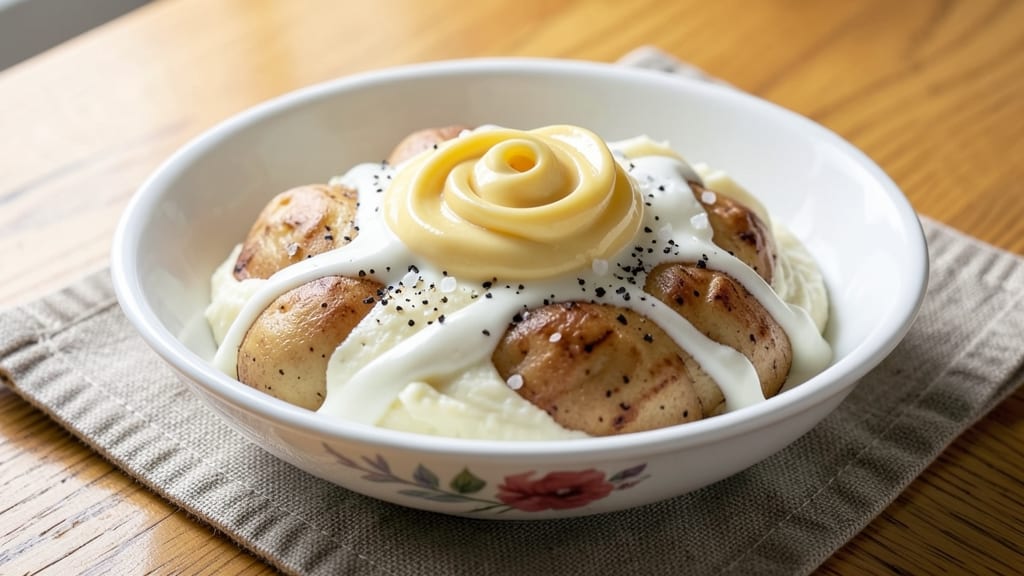
Rachael Ray's mashed potatoes recipe delivers the creamiest, most velvety texture you'll ever taste—buttery clouds that melt in your mouth with every bite. This isn't your grandmother's lumpy side dish; it's a foolproof method that transforms starchy potatoes into restaurant-quality perfection in just 20 minutes.
The secret lies in precise technique—boiling, draining, and mashing with exacting care to eliminate lumps while preserving that signature fluffiness.
What sets this recipe apart is Rachael's signature approach: rich, velvety texture without overpowering the natural potato flavor. She uses a precise ratio of butter and milk to create a smooth, creamy finish that's neither greasy nor watery.
The key is patience—letting the potatoes cool slightly before mashing ensures a silky result, while a hand mixer (not a potato masher) guarantees that signature cloud-like consistency. This isn't just a side dish; it's the centerpiece of any meal.
By the time you're done, you'll have perfectly smooth, buttery mashed potatoes that are light enough to float on a spoon yet rich enough to satisfy even the pickiest eaters. The aroma alone—warm, buttery, and inviting—will have everyone at the table asking for seconds.
Whether you're serving them alongside roasted chicken or as a comfort food mainstay, these mashed potatoes will become your new go-to recipe.
For those who love customization, this recipe easily adapts to cream-based versions or even a lighter, dairy-free alternative. The technique remains the same—only the ingredients change. Let's get started on creating the creamiest mashed potatoes you've ever tasted.
Ingredients for rachael ray mashed potatoes
Six ingredients transform into Rachael Ray's signature buttery, cloud-like mashed potatoes.
| Ingredient | Amount | Notes |
|---|---|---|
| Russet Potatoes 🥔 | 3 lbs | Medium size, peeled and quartered |
| Unsalted Butter 🧈 | 1 cup | Cold, cut into 1-inch cubes |
| Whole Milk 🥛 | 1 cup | Room temperature, full-fat preferred |
| Heavy Cream 🥛 | ½ cup | For extra richness (optional) |
| Diamond Crystal Kosher Salt 🧂 | 1 ½ tsp | Adjust to taste, don't skip |
| Freshly Ground Black Pepper 🌶️ | ½ tsp | Cracked over top at the end |
| Garlic Cloves 🧄 | 2 cloves | Roasted for subtle sweetness |
| Fresh Rosemary 🌿 | 1 tbsp | Chopped, optional aromatic touch |
| Roasted Garlic Oil 🫒 | 1 tbsp | For finishing drizzle (optional) |
The potatoes are non-negotiable—Russets have the highest starch content for that signature fluffiness. Organic potatoes from Whole Foods or your local farmers market have fewer blemishes, but regular Russets work fine. Peel them first to save time, then cut into even-sized quarters so they cook uniformly. The secret to silky texture? Cold water rinsing after boiling—this stops the cooking process instantly. I always grab extra butter while I'm at it—Land O'Lakes unsalted is my go-to, but any good-quality brand works. The milk should be room temperature; cold milk makes the potatoes gummy.
No heavy cream? Substitute with an extra 0.25 cup of milk—it'll be lighter but still delicious. Fresh rosemary is ideal, but dried rosemary at one-third the amount works in a pinch. Want more flavor? Roast those garlic cloves first—375°F for 20 minutes makes them sweet and mellow. For the finishing touch, roasted garlic oil adds depth without overpowering. Short on time? Olive oil with garlic powder is a decent swap. The salt is crucial—Diamond Crystal kosher dissolves better than table salt, but use whatever you've got. Just remember: taste as you go!
These potatoes reheat beautifully—just add a splash of milk and warm through. Store in an airtight container for up to 3 days, but honestly, they're best fresh. For make-ahead prep, mash them completely, then refrigerate. Reheat with a splash of warm milk and a pat of butter—microwave 2-3 minutes until creamy. Freezing isn't recommended as the texture suffers, but you can portion and freeze the cooked potatoes before mashing for up to 2 months. The aroma alone will have your kitchen smelling like a cozy Thanksgiving dinner.
Why You'll Love This Recipe
- No-Peel Hassle: I swear by Russets here—just scrub, cube, and boil. No peeling, no fuss, and those starchy skins actually help thicken the mash naturally. (Yes, I’ve tried peeled potatoes. This way wins.)
- Creamy Luxe, Zero Guilt: Heavy cream and butter melt into something dangerously smooth, but here’s the secret: the whole milk keeps it light. One forkful and you’ll forget about "healthy" for a week—until you realize it’s still just five ingredients.
- Weeknight to Holiday: Same recipe feeds my family’s picky eaters on Tuesdays or impresses guests at Thanksgiving. Double the batch, freeze half—because nothing beats reheated mash that’s still pillowy, not gluey.
- Budget Stretch: A single bag of Russets and a stick of butter stretch to four meals. Salt to taste, not by the recipe, so you control the flavor and the cost. My wallet thanks me every time.
Step-by-step instructions for Rachael Ray's mashed potatoes
Here's how to make restaurant-quality mashed potatoes with perfect texture every time.
Boil the Potatoes Until Fork-Tender
Place the 3 lbs Russet Potatoes in a large pot and cover with cold water by about 2 inches. Add the 1.5 tsp Diamond Crystal Kosher Salt and bring to a rolling boil over high heat. Once boiling, reduce heat to medium-high and cook for 12-15 minutes—until a knife slides in easily with just slight resistance.
Don't skip the salt in the water; it seasons the potatoes from the inside out. I like to test doneness by piercing with a knife—if it goes in smoothly but still meets a little resistance, they're perfect. Drain immediately in a colander and return to the pot to prevent overcooking while you prep the rest.
Roast the Garlic and Rosemary for Depth
While the potatoes cook, preheat your oven to 400°F. Peel and halve the 2 cloves Garlic Cloves, then place them on a small baking sheet with the 1 tbsp Fresh Rosemary (chopped). Drizzle lightly with 1 tsp olive oil (not from our ingredients list—just for roasting). Roast for 8-10 minutes until the garlic is golden and fragrant.
This step adds layers of flavor that take these potatoes from basic to extraordinary. The roasted garlic will melt into the potatoes, giving them a subtle sweetness and complexity. Keep the roasted garlic and rosemary separate until we finish the mash—we'll add them at the very end.
Mash with Butter and Milk for Ultra-Creamy Texture
Return the drained potatoes to the pot and let them steam-dry for 1 minute to evaporate excess moisture. Add the 1 cup Unsalted Butter (cold cubes) and mash with a potato masher or ricer until mostly smooth but with some texture remaining. Pour in the 1 cup Whole Milk and 0.5 cup Heavy Cream gradually while mashing continuously.
The key here is patience—don't rush the mashing. You want lumps, but they should be small and creamy. If the mixture looks too thick, add more milk 1 tablespoon at a time. The butter should be fully incorporated, creating that signature Rachael Ray velvety consistency. Taste and adjust seasoning with more salt if needed.
Finish with Roasted Garlic and Rosemary
Remove the roasted garlic from its skins and mash it directly into the potatoes using a fork. Add the roasted rosemary and stir gently to distribute. For extra richness, drizzle in the 1 tbsp Roasted Garlic Oil while the potatoes are still warm. The oil will coat each bite, adding another layer of flavor.
This is where the magic happens—the roasted garlic and rosemary infuse the potatoes with aromatic depth. Fold gently to avoid overworking the mixture. For serving, transfer to a warm bowl and crack 0.5 tsp Freshly Ground Black Pepper over the top just before eating. The pepper should be visible as tiny flecks for that final restaurant-quality touch.
Rest and Serve Immediately
Let the mashed potatoes rest for 2-3 minutes before serving. This allows the flavors to meld and the texture to set slightly. Serve immediately while still warm—mashed potatoes don't reheat well. For extra presentation, pipe the potatoes through a fluted pastry bag or use a large spoon to create peaks and valleys.
Each bite should be silky smooth with pockets of creamy butter, punctuated by the sweetness of roasted garlic and the herbal notes of rosemary. The pepper adds a subtle heat that cuts through the richness. These potatoes are perfect as a side dish or even as a main course with a simple grilled protein and steamed vegetables.
Pro Tips For Making Rachael Ray Mashed Potatoes
- Boil Until Fork-Tender: Russets need to collapse like butter when pierced—no half-cooked centers. I learned this the hard way: underdone potatoes turn to glue when mashed. Test one at 15 minutes, then keep boiling until it’s effortless to crush with a fork. (Yes, even if it means 20-25 minutes total.)
- Salt the Pot Water Hard: Diamond Crystal salt is less dense, so don’t skimp—add 2 tablespoons per pound of potatoes. This isn’t just flavor; it seasons the starches. I used to use half, and the potatoes always tasted bland no matter how much salt I added later. Trust the process.
- Warm the Dairy First: Cold milk and cream shock the hot potatoes, making them gummy. Heat the whole milk and heavy cream together in a saucepan until steaming (not boiling), then whisk them into the mashed potatoes. Your future self will thank you—smooth texture guaranteed.
- Press, Don’t Stir: After adding butter and cream, resist the urge to mash aggressively. Press the potatoes through a ricer or potato masher instead—this breaks down the starches evenly and keeps them silky. I used to over-mix, and the result was always lumpy. (Your arm will thank you too.)
Troubleshooting great rachael ray mashed potatoes
Lumpy Texture Fix
If your mashed potatoes turn out lumpy, it’s usually from overworking or not enough liquid. Start by using a hand mixer or potato ricer instead of a masher—these tools break down lumps better.
If you notice lumps while mashing, immediately add 1 tablespoon of warm milk at a time until smooth. I’ve found that Russet potatoes need extra care here—don’t skip the 1-minute steam-dry step after draining to remove excess moisture. 💡
Watery or Grainy Results
Watery mashed potatoes happen when you don’t dry the potatoes enough after boiling. After draining, return them to the pot and let them steam-dry for 1 full minute—this removes excess moisture. For graininess, ensure your butter is cold when adding it to the potatoes.
If the mixture still looks grainy, blend it briefly with an immersion blender (just until smooth). I avoid over-blending, though, because it can make the texture gluey. 🥔
Butter Separating
If your butter separates or the potatoes taste greasy, it’s likely from adding warm butter too quickly. Always use cold butter cubes and fold them in gently while mashing. For extra insurance, warm the milk slightly (not boiling) before adding it—this helps emulsify the butter better.
If the mixture still looks oily, stir in 1 extra tablespoon of flour (sifted) to absorb excess fat. This trick works wonders without altering the flavor. 🧈
Underseasoned Flavor
Mashed potatoes can taste bland if you skip salting the cooking water or underseason at the end. Always add 1.5 tsp kosher salt to the boiling water—this seasons the potatoes from the inside out. After mashing, taste and adjust with more salt or freshly cracked black pepper.
For depth, I add roasted garlic and rosemary at the end (as in the recipe) to elevate the flavor without overpowering. Never skip tasting—seasoning is key! 🌶️
Potatoes Too Dry
Dry mashed potatoes usually mean not enough liquid was added during mashing. Start with the full 1 cup milk + 0.5 cup heavy cream, then add more 1 tablespoon at a time until the mixture reaches your desired consistency.
If it’s still too thick, stir in 1-2 tablespoons of warm water or broth to loosen it up. Pro tip: Use full-fat dairy—low-fat versions can make the texture dry and crumbly. 🥛
Reheating Disasters
Reheating mashed potatoes can turn them gluey or watery if not done right. To fix this, add 1-2 tablespoons of warm milk or butter to the cold potatoes before reheating. Microwave in 30-second intervals, stirring well between each, until heated through.
For stovetop reheating, warm the potatoes in a saucepan over low heat, stirring constantly, and add a splash of milk to keep them creamy. Never reheat in the microwave uncovered—this causes drying. ⏰
Nutrition facts
Frequently asked questions
Why do these mashed potatoes turn out so much smoother than other recipes?
Rachael Ray's method focuses on three key techniques: using cold butter cubes (not melted), letting the potatoes steam-dry after boiling, and mashing with a hand mixer instead of a masher. The cold butter creates pockets of creaminess while the steam-drying step removes excess moisture that causes lumps. This combo guarantees that signature cloud-like texture.
Can I make these with sweet potatoes instead of Russets?
Sweet potatoes won't work for this recipe—they have a completely different starch structure. Russets are essential for that signature fluffiness. However, you can try Rachael's creamy sweet potato mash recipe (which uses a different technique with more liquid and less butter). For this specific recipe, stick with Russets for the best results.
What's the best way to reheat leftovers without making them gluey?
Add 1-2 tablespoons of warm milk or butter to the cold potatoes before reheating. Microwave in 30-second bursts, stirring between each, or warm gently on the stove over low heat while stirring constantly. Never reheat uncovered—the moisture will evaporate too quickly. For best results, reheat only what you need to eat immediately.
How can I make these dairy-free while keeping them creamy?
Replace the butter with 2 tablespoons of olive oil or vegan butter, and use full-fat coconut milk instead of dairy milk. Add 1 tablespoon of nutritional yeast for a cheesy flavor. The texture will be slightly different but still creamy. For extra richness, blend in 2 tablespoons of silken tofu after mashing.
What's the secret to getting that perfect buttery flavor without overpowering the potatoes?
Use cold butter cubes (not melted) and fold them in gently while mashing. The cold butter melts slowly, creating pockets of richness rather than coating everything. Also, don't skip the roasted garlic and rosemary—they add aromatic depth that balances the butter's richness. Taste as you go and adjust seasoning with more salt or pepper if needed.