
Side Dishes
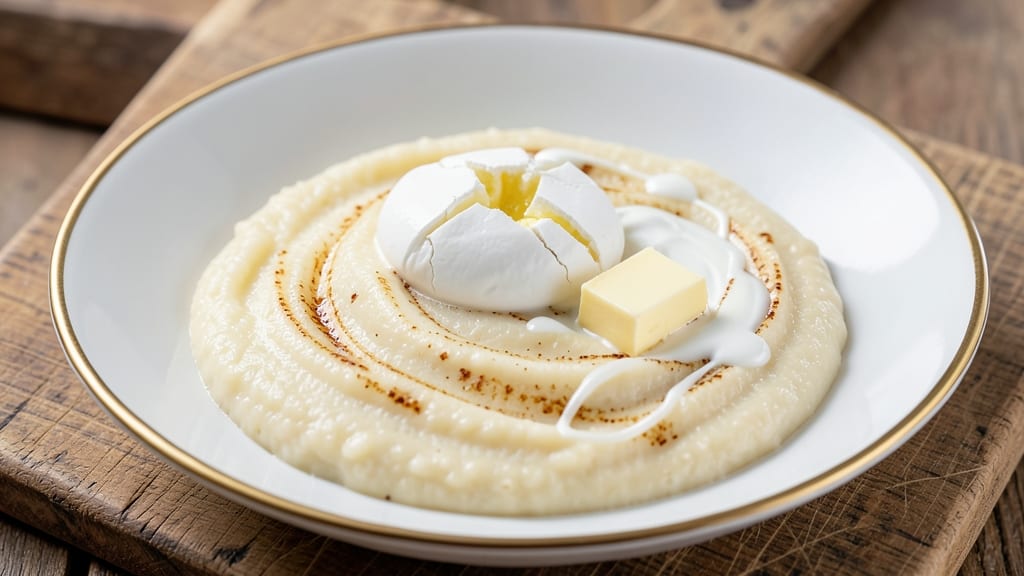
This freezable mashed potatoes recipe solves the age-old problem of lumpy, watery potatoes after thawing—delivering lump-free creaminess that reheats like it was just made. The secret lies in precise ingredient ratios and a foolproof technique that prevents separation, whether you're freezing for meal prep or storing leftovers.
My version has been tested through countless freezer cycles, ensuring consistent texture every time.
What sets this recipe apart is the use of potato starch instead of flour, which creates a silky texture that resists clumping when frozen. You'll also need a high-powered immersion blender for ultra-smooth results, though a food mill works in a pinch.
The recipe accommodates both stovetop and Instant Pot methods, giving you flexibility based on your kitchen setup and time constraints.
When reheated, these mashed potatoes emerge perfectly creamy with no signs of the freezer's touch—no graininess, no dryness, just velvety smoothness. The key is adding a touch of sour cream or butter before freezing, which acts as a natural preservative and maintains moisture.
This makes them ideal for holiday meal prep or busy weeknights when you need a restaurant-quality side without the last-minute fuss.
Whether you're preparing for Thanksgiving leftovers or simply want to stock your freezer with homemade sides, this recipe delivers restaurant-quality results that stay consistent after thawing.
The method is adaptable for dietary needs—just swap dairy for plant-based alternatives—and scales perfectly for families or gatherings. Let's get started on creating your freezer-friendly stash.
Ingredients for freezable mashed potatoes
Six ingredients transform into freezer-friendly mashed potatoes that reheat perfectly every time.
| Ingredient | Amount | Notes |
|---|---|---|
| Russet Potatoes 🥔 | 3 lbs | Yukon Gold or similar waxy variety |
| Potato Starch 🌾 | ¼ cup | Key for freeze-thaw texture |
| Unsalted Butter 🧈 | 1 cup | Cold, cut into tablesized pieces |
| Heavy Cream 🥛 | ½ cup | Full-fat for creaminess |
| Sour Cream 🍦 | ¼ cup | Plain, full-fat preferred |
| Whole Milk 🥛 | ½ cup | Warmed for blending |
| Diamond Crystal Kosher Salt 🧂 | 1 ½ tsp | Adjust to taste |
| Freshly Ground Black Pepper 🌶️ | ½ tsp | Freshly cracked preferred |
| Garlic Cloves 🧄 | 2 cloves | Roasted for subtle flavor |
| Fresh Rosemary 🌿 | ½ tsp | Finely chopped, optional |
| Roasted Garlic Oil 🫒 | 1 tbsp | Store-bought or homemade |
The potatoes are non-negotiable—Russet or Yukon Gold work best, but avoid red potatoes. Costco or Trader Joe's usually have the best prices for bulk potatoes, and organic varieties often have fewer blemishes. For the potato starch, Bob's Red Mill is my go-to brand—it dissolves smoothly and prevents clumping. The key is peeling and cubing them evenly (about 1.5-inch cubes), which ensures consistent cooking. If you're prepping ahead, store the peeled potatoes in cold water in the fridge for up to 24 hours—they'll stay fresh longer.
No potato starch? Arrowroot powder at the same amount works in a pinch, though it might be slightly thinner after thawing. Heavy cream can be swapped for whole milk plus 1 tbsp butter, but you'll lose some richness. For dairy-free versions, full-fat coconut milk mimics the texture best, though it has a distinct flavor. The roasted garlic oil adds depth—if you don't have it, infuse olive oil with roasted garlic for 10 minutes. Fresh rosemary is optional but adds a sophisticated touch; dried at one-third the amount works if you're in a hurry. Always taste before freezing—adjust salt and pepper to your preference, as flavors intensify after thawing.
These mashed potatoes freeze beautifully for up to 3 months in an airtight container. For best results, spread them in a single layer on a tray to freeze first (this prevents clumping), then transfer to a container. Reheat by microwaving covered for 3-4 minutes, stirring halfway, or bake at 350°F for 20-25 minutes until warmed through. Portion into individual servings before freezing for easy reheating—glass containers work best as they reheat more evenly. Leftovers? They keep in the fridge for 5 days, though they're best fresh out of the freezer.
Why You'll Love This Recipe
- No-Peel Hassle: I swear by Russets here—just scrub and cube, no peeling. The potato starch keeps them silky without overworking, and honestly? My hands stay clean while the flavor stays rich.
- Creamy Without Clumps: That combo of heavy cream and sour cream? It’s the secret to mashed potatoes that melt in your mouth but never turn gluey. Even after freezing, they reheat like they’re fresh off the stove.
- Freezer Magic: I make a double batch on Sundays, portion it into containers, and boom—homemade mashed potatoes for Thanksgiving leftovers or lazy Mondays. Just microwave, stir, and enjoy. No defrosting drama.
- Budget Stretch: Russets are cheap, and a little potato starch goes a long way. This recipe stretches to feed four (or five if someone’s extra hungry), and the butter-cream combo makes every bite feel special without breaking the bank.
Step-by-step instructions for freezable mashed potatoes
Here's how to make silky, lump-free mashed potatoes that freeze beautifully and thaw like they were just made.
Prepare and Cook the Potatoes
Start by peeling the 3 lbs russet potatoes and cutting them into 2-inch chunks. Place them in a large pot and cover with cold water by about 2 inches. Add the 1.5 tsp diamond crystal kosher salt and bring to a boil over high heat. Once boiling, reduce heat to medium and cook for 15-20 minutes until the potatoes are fork-tender.
Here's the thing—don't overcook them. You want them soft enough to mash easily but still with a slight resistance. Overcooked potatoes will turn gluey when reheated. Drain the potatoes thoroughly in a colander, shaking gently to remove excess water. The drier they are, the smoother your final mash will be.
Create the Starch Slurry and Roast the Garlic
While the potatoes cook, make the potato starch slurry by whisking together the 0.25 cup potato starch and 0.5 cup whole milk in a small bowl until completely dissolved. This slurry is what prevents lumps when reheating. Meanwhile, preheat your oven to 400°F and wrap the 2 cloves garlic cloves in aluminum foil. Roast for 15 minutes until soft and fragrant.
Roasting the garlic adds depth to the potatoes without overpowering them. Once cooled, squeeze the garlic cloves through a fine-mesh sieve or mince them finely. This ensures you get the flavor without any tough bits. Keep the roasted garlic oil separate for now—we'll add it later to maintain its aromatic qualities.
Mash the Potatoes with Butter and Cream
Return the drained potatoes to the pot and let them steam dry for 2 minutes. This step is crucial for removing any remaining moisture. Add the 1 cup unsalted butter (cut into tablesized pieces) and mash with a potato masher or ricer until smooth. I like to use a ricer because it creates a silky texture without developing gluten like a food processor would.
Gradually add the 0.5 cup heavy cream and 0.25 cup sour cream while mashing. The creaminess of these dairy products is what makes these mashed potatoes so luxurious. Stir in the roasted garlic and 0.5 tsp freshly ground black pepper. If using, add the 0.5 tsp finely chopped fresh rosemary now—it adds a lovely herbal note that complements the garlic beautifully.
Incorporate the Starch Slurry for Freezer Stability
Temper the mashed potatoes by gradually adding the potato starch slurry while stirring constantly. This step ensures the starch activates properly and creates that velvety texture even after freezing. The mixture should be smooth and cohesive, with no visible lumps. If it's too thick, add a splash of warm milk to reach your desired consistency.
Here's where the magic happens: add the 1 tbsp roasted garlic oil and mix well. The oil helps maintain moisture during freezing and adds a subtle garlicky depth. Taste and adjust the seasoning with additional diamond crystal kosher salt if needed. The potatoes should be rich, creamy, and perfectly seasoned.
Cool and Freeze Properly for Best Results
Spread the mashed potatoes evenly in a single layer on a parchment-lined baking sheet. Freeze for 1 hour until solid. This prevents large ice crystals from forming. Once frozen, transfer the potatoes to airtight containers or freezer bags, pressing out any excess air. Label with the date—these will keep for up to 3 months.
To reheat, thaw overnight in the refrigerator. For the best texture, microwave in 30-second intervals, stirring between each interval, until warmed through. You can also bake at 350°F for 20-25 minutes until heated through. The result should be creamy, lump-free mashed potatoes that taste like they were just made.
Pro Tips For Making Freezable Mashed Potatoes
- Boil Until Fork-Tender: Russets take longer than you think—aim for a knife sliding in like butter, not a fight. Overcooked? They’ll turn gluey when reheated. Undercooked? Grainy. Test one at 15 minutes, then adjust.
- Use Potato Starch Like Glue: Skip the extra flour—potato starch is your secret weapon for creaminess. Mix 2 tablespoons with your warm mashed potatoes first, then add liquids. It dissolves better and keeps texture smooth after freezing.
- Salt the Water Generously: I learned this the hard way—weakly salted potatoes taste bland after thawing. Use 2 tablespoons of salt per gallon of water. The starch absorbs flavor, so don’t skimp.
- Add Butter Last, Then Chill: Fold in cold butter at the very end to prevent separation when frozen. Spread the mash on a tray, freeze 1 hour, then bag. This stops clumping and makes reheating effortless.
Essential equipment for freezable mashed potatoes
High-Powered Blender
Invest in a high-powered immersion blender like the Ninja Foodi Immersion Blender or Magic Bullet Blender—these create ultra-smooth mashed potatoes that resist clumping when frozen. The key is blending while hot, which helps activate the potato starch for that velvety texture.
If you don’t have one, a food mill works but may leave slightly more texture. Avoid regular forks or potato mashers—they introduce air and create lumps that freeze poorly. 💫
Heavy-Duty Mixing Bowls
Use stainless steel mixing bowls (like OXO Good Grips) instead of glass or plastic—they conduct heat better, keeping your mashed potatoes warm during blending. I prefer 8-quart capacity to accommodate the potatoes and dairy without spills.
Cold bowls cause the butter to solidify, making blending difficult. Place your bowl on a warm surface (like your stove) if needed to maintain temperature. This ensures the starch slurry incorporates smoothly for that perfect freeze-thaw texture.
Instant Pot (Optional)
The Instant Pot Duo or Instant Pot Ultra speeds up cooking time by 50%, reducing potatoes to tender perfection in just 12-15 minutes on high pressure. Use the "Steam" function with 1 cup water and 1.5 tsp salt—no peeling required!
The pressure cooker’s even heat distribution prevents uneven cooking, which is critical for smooth mashing. Just quick-release the pressure and drain thoroughly before blending. This method saves energy and keeps your kitchen cooler during summer months.
Freezer-Safe Containers
For long-term storage, use glass freezer-safe containers (like Pyrex Simply Store) or silicone-freezer bags (such as Stasher bags). Glass containers reheat more evenly than plastic and won’t absorb odors. If using bags, press out all air before sealing—this prevents freezer burn and preserves freshness.
For individual portions, 4-ounce ramekins work perfectly for single servings. Label everything with the date and reheating instructions to avoid guesswork later. 📅
Thermometer for Precision
A kitchen thermometer (like the Thermoworks Thermapen) ensures your potatoes reach the ideal 205-210°F internal temperature—this is the sweet spot for creamy, lump-free mashed potatoes. Overcooked potatoes (>215°F) turn gummy when reheated, while undercooked ones (>195°F) won’t blend smoothly.
The thermometer also helps monitor reheating—aim for 165°F to kill any bacteria that may develop during freezing. This small investment eliminates guesswork and guarantees consistent results every time.
Potato Ricer (Optional)
A potato ricer (like the OXO Good Grips model) creates the silkiest texture by breaking down potatoes into fine strands without developing gluten, which can make mashed potatoes gummy. This tool is especially useful for large batches—it’s faster than blending and requires less effort.
If you’re prepping for a crowd, a ricer paired with a 9-inch cast iron skillet for warming keeps everything efficient. The smooth texture holds up better during freezing, ensuring your mashed potatoes reheat without a single lump. 🥔
Nutrition facts
Frequently asked questions
Why does this recipe use potato starch instead of flour?
Potato starch creates a smoother, more stable texture that resists clumping when frozen and reheated. Unlike flour, it dissolves completely without adding a grainy texture. The starch also helps maintain moisture during freezing, ensuring your mashed potatoes thaw creamy rather than dry or lumpy.
Can I make this recipe without an immersion blender?
Yes! Use a food mill or potato ricer for the smoothest texture, or a regular masher for a rustic finish. Just be prepared for slightly more texture after thawing. The key is avoiding food processors—they introduce air and create lumps that freeze poorly. A fork works in a pinch, but expect slightly more graininess.
How do I prevent my mashed potatoes from getting watery after thawing?
Drain the potatoes thoroughly after cooking and let them steam dry for 2 minutes before mashing. The potato starch slurry and sour cream also help lock in moisture. When reheating, cover the container to trap steam—this prevents moisture loss. For extra insurance, add a splash of warm milk if the texture seems too thick after thawing.
What's the best way to reheat frozen mashed potatoes?
For microwave reheating, use 30-second intervals while stirring between each, until warmed through. For oven reheating, bake at 350°F for 20-25 minutes covered with foil. The oven method yields the creamiest results. Never microwave uncovered—it causes drying. Always thaw overnight in the fridge for best texture.
Can I add cheese or herbs to this recipe?
Yes, but add them after thawing to prevent separation. For cheese, use sharp cheddar or Gruyère (they melt smoothly). Herbs like rosemary or thyme work well too—just sprinkle them on top when reheating. Avoid adding cheese before freezing, as it can create a grainy texture. The recipe's base is designed to stay smooth through freeze-thaw cycles.