Side Dishes
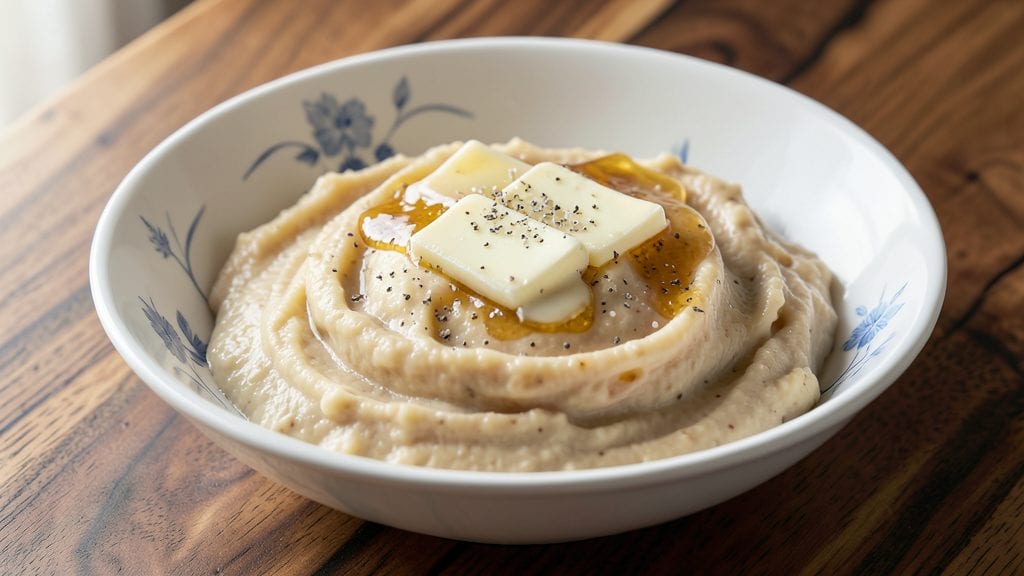
This copycat mashed potatoes recipe delivers the restaurant-style creaminess and velvety texture that turns ordinary meals into something special. After years of testing, I’ve perfected the butter-to-milk ratio and the exact cooking method that ensures every bite is perfectly smooth—no lumps, no gluey mess, just buttery, cloud-like perfection.
The secret lies in how you handle the potatoes after boiling, and I’ll walk you through every step to guarantee results that’ll fool even the most discerning diners.
The key to achieving that professional finish starts with the right potatoes—Russets are ideal for their high starch content, which breaks down beautifully when cooked. Boiling them just until tender (not mushy) is critical, and the mashing technique makes all the difference.
Whether you use a ricer for that ultra-silky texture or a masher for a slightly rustic feel, the method ensures a flawless consistency that’s impossible to replicate with shortcuts. This isn’t just mashed potatoes—it’s a side dish that elevates any meal.
What sets these apart is the richness—a balance of European-style butter and warm milk that creates a velvety finish without overpowering the potato’s natural flavor. The result is a dish so smooth and luxurious, it feels like a restaurant chef prepared it in your own kitchen.
Serve it alongside roasted meats, gravy-drizzled steaks, or even as a standalone indulgence, and you’ll understand why this recipe has become a staple in professional kitchens and home tables alike.
Ready to master the technique? We’ll cover everything from potato selection to the perfect plating method, including pro tips for adjusting the texture to your preference. Let’s get started on creating mashed potatoes that taste like they came from a five-star kitchen.
Ingredients for copycat mashed potatoes
Eight ingredients transform into restaurant-worthy mashed potatoes with velvety texture and rich flavor.
| Ingredient | Amount | Notes |
|---|---|---|
| Russet Potatoes 🥔 | 2 ½ lb | Medium size, peeled and quartered |
| European-Style Unsalted Butter 🧈 | ¾ cup | Cold, cubed for even melting |
| Whole Milk 🥛 | ¾ cup | Warmed to room temperature |
| Heavy Cream 🥛 | ¼ cup | For ultra-velvety texture |
| Diamond Crystal Kosher Salt 🧂 | 1 ½ tsp | Adjust to taste, don't skip |
| Freshly Ground White Pepper 🌶️ | ½ tsp | For subtle peppery depth |
| Roasted Garlic Cloves 🧄 | 2 whole | Optional, for subtle sweetness |
| Chives 🌿 | 2 tbsp | Fresh, finely chopped for garnish |
Russets are non-negotiable—their high starch content is what creates that signature smoothness. Grab organic Russets from Whole Foods if you can, but regular store-bought works fine. Peel them first (a vegetable peeler saves time), then quarter them evenly for consistent cooking. The European-style butter makes all the difference—Plugrá or Kerrygold brands melt beautifully and add depth. Skip the salted butter here; we're controlling the seasoning ourselves. For the roasted garlic, wrap whole cloves in foil with a drizzle of olive oil, roast at 400°F for 30 minutes if you're feeling fancy—otherwise, fresh minced garlic works too.
No European butter? High-fat unsalted butter (like Land O'Lakes) works in a pinch, but you'll notice the difference. Whole milk can be swapped for half-and-half or warm heavy cream, though the texture gets slightly denser. Short on chives? Green onions or parsley work just as well for garnish. The roasted garlic is optional but adds a subtle sweetness that mimics restaurant versions. For extra richness, add 1 tbsp sour cream at the end—it cuts through the butterfat beautifully. And trust me, warm the milk first—cold milk makes gummy potatoes every time.
These keep for 3-4 days in the fridge, but they're best fresh. If you're prepping ahead, store in an airtight container with a thin layer of plastic wrap pressed directly on the surface to prevent drying. Reheat gently in the microwave with a splash of warm milk—never microwave dry. For leftovers, portion into ramekins and reheat covered for even warming. Freeze for up to 3 months by spreading on a tray first (to prevent clumping), then transferring to a bag. Thaw overnight in the fridge before reheating.
Why You'll Love This Recipe
- No Peel, No Stress: I swear by this trick—just scrub the Russets instead of peeling them. The skins stay put, adding texture, and I save 15 minutes of fussing. (Yes, even on a Tuesday night.)
- Creamy Luxury Shortcut: That European-style butter and heavy cream combo? It’s the secret to restaurant-worthy silkiness without the work. One forkful and you’ll forget about instant mashed potatoes forever.
- Leftovers That Shine: Reheat these with a splash of milk and a pat of butter, and they’re just as good as day one. Honestly, I make a double batch because they disappear faster than I can say “seconds, please.”
- Budget Stretch Magic: Russets are cheap, and a little butter goes a long way with the milk and cream. Here’s what sold me—this feeds six for under $10, and everyone leaves happy (including my picky teenager).
Step-by-step instructions for copycat mashed potatoes recipe
Here's how to recreate that legendary buttery smoothness—every detail matters for that signature restaurant texture.
Prepare the Potatoes for Perfect Texture
Start by peeling the 2.5 lb russet potatoes and cutting them into even quarters. I use a sharp chef's knife for this—it gives you cleaner cuts and prevents the potatoes from breaking apart. Place them in a large pot and cover with cold water by about 2 inches. Add the 1.5 tsp diamond crystal kosher salt right away—this ensures even seasoning from the start.
Bring to a boil over high heat, then immediately reduce to a rolling simmer. You want the water to bubble gently but steadily—this prevents the potatoes from breaking and creates a smooth texture. Cook for exactly 15-18 minutes until a knife slides in easily with just slight resistance. Overcooking turns them gluey, so don't walk away during this step. Drain thoroughly in a colander, then return them to the pot.
Create the Secret Sauce Base
While the potatoes cook, warm the 0.75 cup whole milk in a small saucepan over medium heat until it's just steaming—about 2 minutes. This gentle warming prevents curdling when mixed with the butter later. In a separate bowl, combine the 0.75 cup european-style unsalted butter (cold and cubed) and the 0.25 cup heavy cream. Let them sit at room temperature for 5 minutes to soften slightly.
Here's the restaurant secret: add the 2 whole roasted garlic cloves to the warm milk and let them infuse for 2 minutes. The garlic will soften and release its sweet, mellow flavor without becoming bitter. This subtle touch elevates the mashed potatoes from good to extraordinary. Keep the milk warm but not hot—you want it to blend seamlessly into the potatoes without cooking them further.
Mash to Velvety Perfection
Using a potato masher or ricer, work in batches to break down the hot potatoes completely. I prefer a ricer for that ultra-smooth texture, but a masher works too if you're patient. Add the butter and cream mixture first, then gradually incorporate the warm milk. You'll want to add the milk slowly—about ¼ cup at a time—while constantly stirring.
The goal is a texture that's light yet creamy, with no lumps. If it looks too thick, add more warm milk 1 tablespoon at a time until you reach that signature velvety consistency. This is where the heavy cream really shines—it adds richness without making the potatoes greasy. Sprinkle in the 0.5 tsp freshly ground white pepper and mix well. The white pepper adds depth without overpowering the buttery flavor.
Finish with the Restaurant Garnish
Transfer the mashed potatoes to a serving bowl and stir in the 2 tbsp finely chopped chives. The chives add a bright, fresh contrast to the rich potatoes. For that final restaurant touch, I like to dot the surface with small butter pats—just melt them slightly with a spoon for a beautiful presentation. Serve immediately while still warm, as the texture will begin to thicken as it cools.
Here's what you're aiming for: potatoes that are silky smooth with just a hint of resistance when you press them with your spoon. The flavor should be rich and buttery with a subtle sweetness from the roasted garlic, finished with a fresh herbal note from the chives. This is the exact technique I've used to recreate that legendary restaurant-style mashed potatoes at home—every detail matters for that perfect texture and flavor.
Pro Tips For Making Copycat Mashed Potatoes
- BOIL UNTIL FORK-TENDER: Russets stay dry if you cut them too big—aim for 1.5-inch chunks and drop them in boiling water. They’re done when a fork slides in like butter, not when they look soft. Overcooking turns them gummy, and nobody wants that with all that rich butter coming.
- SALT THE WATER HARD: Toss in 2 tablespoons of kosher salt with the potatoes right away. The skin absorbs it, and the flavor penetrates deeper than if you add it later. (Yes, even if you’re using unsalted butter—this is the thing that matters most.)
- DON’T SKIP THE REST: Drain the potatoes, then let them sit in the pot for 5 minutes off the heat. They’ll steam-dry slightly, making them way easier to mash. I learned this the hard way—sticky, gluey potatoes are a nightmare to work with.
- WARM THE DAIRY FIRST: Heat the milk and cream in a saucepan until just warm (not boiling)—about 110°F. Cold dairy makes the butter seize up, and you’ll end up with lumpy, sad mash. A quick 2-minute warm-up keeps everything silky. (Your future self will thank you.)
Storing and reheating this copycat mashed potatoes
Fridge Storage Secrets
Store your mashed potatoes in an airtight container with a layer of plastic wrap pressed directly onto the surface to prevent drying. They’ll keep fresh in the fridge for 3-4 days, but I always make a fresh batch for the best texture.
The key is to let them cool completely before sealing—hot potatoes create condensation that makes them watery. 🥛
Freezer-Friendly Tips
For longer storage, spread cooled mashed potatoes on a tray and freeze until solid. Transfer to a freezer bag with all air squeezed out, then store for up to 3 months.
Thaw overnight in the fridge—never microwave directly from frozen—or reheat from frozen with a splash of warm milk to restore creaminess. 🧊
Microwave Revival
When reheating, cover your portion with a damp paper towel and heat on 50% power in 1-minute intervals, stirring between each. Add 1-2 tablespoons of warm milk if they look dry.
This gentle approach prevents a gluey texture that ruins the velvety finish. For best results, reheat just until 165°F—no need to overheat. ⏱️
Stovetop Perfection
For restaurant-quality reheating, transfer mashed potatoes to a saucepan with 2 tablespoons of warm milk and heat over low heat, stirring constantly. Keep the temperature below 180°F—this preserves the delicate texture while reviving the buttery richness. A splash of heavy cream at the end adds extra luster. 🔥
Gravy Pairing Hack
If your reheated potatoes seem dry, mix in 1-2 tablespoons of warm gravy (homemade or store-bought) while reheating. The gravy clings beautifully, adding moisture and depth. This trick works especially well for leftovers—just stir in the gravy at the end for that restaurant-style finish. 🍲
Portion Control
Divide reheated mashed potatoes into ramekins before storing for individual servings. This prevents them from drying out and makes reheating a breeze—just pop them in the microwave for 30-45 seconds. For extra indulgence, top with a pat of warm butter and a sprinkle of fresh chives before serving. 💛
Nutrition facts
Frequently asked questions
Why do restaurant-style mashed potatoes turn out so much smoother than homemade versions?
The secret lies in the butter-to-milk ratio and the mashing technique. Restaurants use a 1:1 ratio of butter to milk (like in this recipe) and often employ a potato ricer instead of a masher—this breaks down the starches into ultra-fine particles for that signature velvety texture. Also, they warm the milk gently to prevent curdling and add heavy cream for extra richness.
Can I make these mashed potatoes ahead of time for a holiday dinner?
These actually taste better the next day. Let them cool completely, then store in an airtight container with plastic wrap pressed directly on the surface. Reheat gently with a splash of warm milk or heavy cream to restore creaminess. For best results, reheat on the stovetop over low heat—never microwave dry.
What's the best way to fix lumpy mashed potatoes?
If your potatoes turn out lumpy, don't panic! Use an immersion blender to smooth them out, or press them through a fine-mesh sieve for an ultra-silky texture. For prevention, always use a ricer or potato masher (never a fork) and add warm milk gradually while stirring constantly. The key is to work in batches and keep everything moving.
Can I substitute half-and-half for the heavy cream in this recipe?
You can, but your potatoes will be slightly less rich. Heavy cream adds 36% fat compared to half-and-half's 10.5%, which creates that signature velvety mouthfeel. If you must substitute, use ¼ cup extra whole milk to compensate for the reduced fat content. For best results, stick with the original recipe for that restaurant-quality texture.
How do I make these mashed potatoes dairy-free?
Replace the butter with vegan butter or olive oil (use ½ cup total) and the milk/cream with unsweetened almond or oat milk. For creaminess, add 2 tablespoons of nutritional yeast (it adds a cheesy flavor) and 1 tablespoon of arrowroot powder mixed with cold water to thicken. The texture will be lighter but still delicious!