
Side Dishes
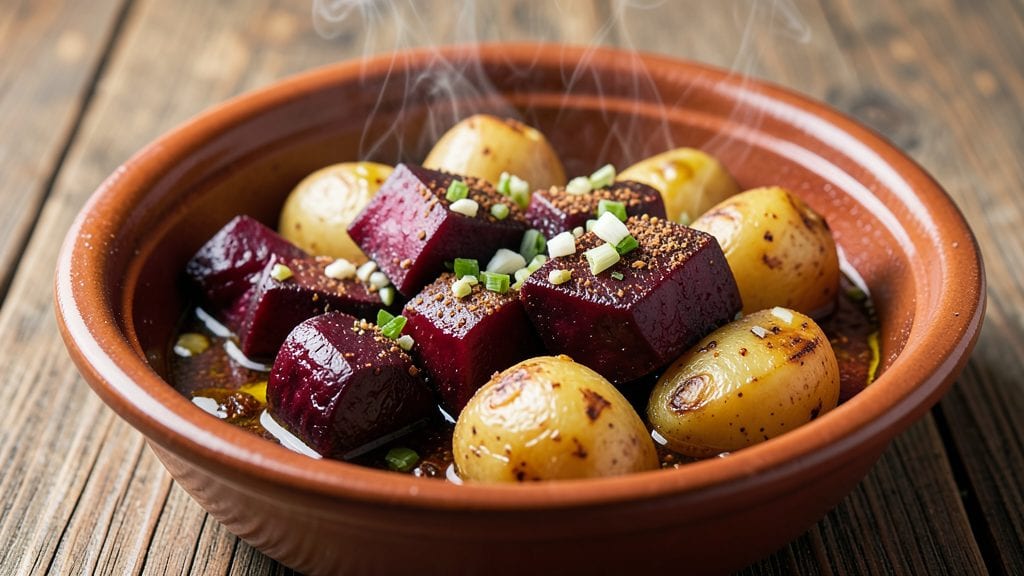
This Ethiopian beets and potatoes recipe transforms simple root vegetables into a vibrant, spice-infused dish that balances berbere heat with caramelized sweetness. The secret lies in slow-cooking the vegetables with traditional Ethiopian spices, creating a side that’s rich in flavor and texture.
I first discovered this technique during a visit to Addis Ababa, where it was served alongside injera and lentils—a meal that became an instant favorite. The combination of earthy beets and starchy potatoes absorbs the spices beautifully, making every bite deeply satisfying.
The recipe begins with a foolproof spice blend of berbere, garlic, and ginger, which adds warmth and depth without overpowering the natural sweetness of the vegetables. Unlike many side dishes, this one develops even more flavor as it sits, making it perfect for meal prep or serving at gatherings.
The slow-cooking process ensures tender yet firm potatoes and beets, with edges that caramelize into a golden brown. This method is simple but requires patience—worth every minute for the restaurant-quality results.
What you’ll end up with is a dish that’s visually striking with its deep red and golden hues, and packed with layers of flavor from the berbere spice. The aroma alone—smoky, slightly sweet, and spicy—will draw everyone to the table.
This side pairs beautifully with injera, grilled meats, or even as a standalone vegetarian meal. Ready in about 45 minutes, it’s a dish that feels special without requiring advanced skills.
For those unfamiliar with Ethiopian cuisine, this recipe is an excellent introduction to the bold flavors of the region. The berbere spice, often called the "king of Ethiopian spices," adds a unique kick that’s both complex and approachable.
Once you try it, you’ll want to make it again and again—perhaps even experimenting with variations like adding niter kibbeh for extra texture. Let’s get started on this flavorful journey.
Ingredients for ethiopian beets and potatoes
Ethiopian spices and root vegetables create a visually stunning, aromatic dish perfect for special occasions or weeknight meals.
| Ingredient | Amount | Notes |
|---|---|---|
| Red Beets 🍠 | 2 lbs | Medium-sized, peeled and cut into 1-inch cubes |
| Yellow Potatoes 🥔 | 2 lbs | Russet or Yukon Gold, cut into 1-inch chunks |
| Berbere Spice Blend 🌶️ | 2 tbsp | Traditional Ethiopian blend, adjust heat preference |
| Fresh Garlic 🧄 | 6 cloves | Peeled and minced, aromatic foundation |
| Fresh Ginger 🌿 | 1 tbsp | Finely grated, adds zesty depth |
| Extra-Virgin Olive Oil 🫒 | ¼ cup | High-quality, fruity variety preferred |
| Vegetable Broth 💧 | 2 cups | Low-sodium for balanced seasoning |
| Lemon Juice 🍋 | 1 tbsp | Freshly squeezed, brightens flavors |
| Diamond Crystal Kosher Salt 🧂 | 1 ½ tsp | Adjusts seasoning to taste |
| Ground Black Pepper 🌶️ | ½ tsp | Freshly cracked for optimal flavor |
| Fresh Cilantro 🌿 | ¼ cup | Chopped, garnish for freshness |
| Niter Kibbeh 🥜 | ½ cup | Optional, for added texture (optional) |
The berbere spice blend is the heart of this dish—sourcing authentic berbere from specialty stores like African Market or Bazaar Spices ensures the deepest flavor profile. Look for vibrant red berbere with visible chili flakes and fenugreek seeds; avoid blends with added sugar, which can mute the spices' complexity. Fresh ginger and garlic should be aromatic and firm, with no signs of sprouting or softening. For the beets, organic varieties from Whole Foods or local farmers' markets often have richer color and sweeter flavor due to their natural growing conditions. Potatoes should be firm and free of sprouts—Yukon Golds caramelize beautifully, while Russets hold their shape better during slow cooking.
No berbere on hand? Create a substitute blend with 1 tbsp smoked paprika, 1 tsp each of cayenne, coriander, and fenugreek, plus a pinch of cardamom and cinnamon. Fresh ginger and garlic are non-negotiable—their aromatic oils are essential for depth, though dried ginger at half the amount can work in a pinch. For the beets, golden beets add visual contrast and a slightly sweeter profile. The vegetable broth can be swapped for water plus 1 tsp miso paste for umami richness. Niter kibbeh, if unavailable, can be replaced with toasted chickpeas for texture, though the dish will still shine without it. Always taste and adjust salt before serving—berbere varies in intensity.
This dish improves with time—reheat gently with a splash of water to restore moisture. Store in an airtight container in the refrigerator for up to 5 days, though the flavors peak within the first 24 hours. For longer storage, portion into glass containers with a thin layer of olive oil on top to preserve freshness; it freezes beautifully for up to 3 months. Serve at room temperature for the best texture and aroma. The berbere spice can be stored in a cool, dark place for up to 6 months after opening, though it loses potency over time. Garnish with fresh cilantro just before serving to maintain its vibrant green color and bright flavor.
Why You'll Love This Recipe
- One-Pot Magic: I swear by this for lazy nights—just toss chopped beets, potatoes, and spices into a single pot with garlic and ginger. No fancy tools, no extra bowls, and the flavors meld together like they’ve been simmering all day.
- Berbere Bliss: That spice blend? Chef’s kiss. It’s got heat, earthiness, and a depth that turns simple veggies into something unforgettable. Honestly, I’ll take this over store-bought seasoning packets any day—it’s the star here.
- Lunchbox Hero: Between us, this keeps perfectly for days. Pack it cold for work lunches or reheat it for dinner—still tender, still packed with flavor. My kid even asks for it in his school lunchbox (yes, really).
- Budget Brightener: Beets and potatoes are cheap, but this recipe makes them feel like a gourmet dish. A little berbere goes a long way, and fresh ginger adds luxury without breaking the bank. My wallet and taste buds thank me.
Step-by-step instructions for Ethiopian-spiced beets and potatoes
Mastering this dish relies on balancing sweetness, spice, and caramelization through precise technique.
Prepare the Vegetables for Even Cooking
Begin by peeling the 2 lbs red beets and cutting them into 1-inch cubes, ensuring uniform size for consistent cooking. The beets should be firm but not mushy when pierced with a knife—this indicates proper preparation. For the 2 lbs yellow potatoes, cut them into similar 1-inch chunks using a sharp chef's knife. I recommend using a mandoline for precision if you have one, as even slices prevent some pieces from overcooking while others remain underdone.
Place the prepared vegetables in separate bowls. This separation prevents color transfer between the red beets and yellow potatoes, which is especially important for presentation. The beets will develop a deep mahogany hue, while the potatoes will maintain their golden-yellow color when cooked properly. Reserve any vegetable scraps for making broth later if desired.
Sauté Aromatics and Build the Berbere Base
Heat the 0.25 cup extra-virgin olive oil in a large, heavy-bottomed pot over medium heat. Add the 6 cloves minced fresh garlic and 1 tbsp finely grated fresh ginger, cooking for 2-3 minutes until the garlic becomes fragrant but doesn't brown. This step forms the aromatic foundation of the dish—don't rush it, as proper development of these flavors is critical.
Reduce the heat to medium-low and stir in the 2 tbsp berbere spice blend, allowing it to bloom for 1 minute while stirring constantly. This activation of the spices releases their essential oils, which deepens their complexity. Here's the thing—berbere can vary in heat, so taste the blend before proceeding and adjust the 1.5 tsp diamond crystal kosher salt and 0.5 tsp ground black pepper to balance the seasoning. The spices should sing without overpowering the natural sweetness of the vegetables.
Caramelize Vegetables with Spiced Oil
Add the prepared red beets and yellow potatoes to the pot, tossing them thoroughly to coat in the spiced oil. Increase heat to medium-high and cook for 10-12 minutes, stirring occasionally, until the vegetables begin to develop a golden-brown crust in spots. This caramelization is what creates the deep, complex flavors that define this dish. You'll notice the beets softening slightly while the potatoes develop a slight resistance when pierced with a fork.
I press down gently on the vegetables with a wooden spoon during this stage to ensure even contact with the hot surface. This prevents them from cooking unevenly and helps develop that coveted caramelized crust. If the vegetables appear too dry before reaching the desired color, add ¼ cup vegetable broth to maintain moisture while continuing to develop color.
Braise Until Tender with Flavorful Broth
Pour in the remaining 2 cups vegetable broth and the 1 tbsp lemon juice, bringing the mixture to a gentle simmer. The lemon juice brightens the dish and cuts through the richness of the berbere spices. Reduce heat to low and cover the pot, allowing the vegetables to steam gently for 25-30 minutes. This braising period ensures the vegetables become fork-tender while absorbing all the spiced flavors.
Check for doneness by piercing a potato with a fork—it should slide in easily with minimal resistance. The beets should be completely tender with no firm core remaining. If the vegetables aren't quite tender after 30 minutes, continue cooking uncovered for another 5-10 minutes, adding small amounts of water as needed to prevent drying. The final texture should be creamy yet hold its shape when served.
Finish and Garnish for Presentation
Once the vegetables reach perfect tenderness, remove the pot from heat and stir in the 0.5 cup niter kibbeh (if using), allowing it to warm through for 2-3 minutes. The kibbeh adds a delightful textural contrast that complements the creamy vegetables. Taste and adjust seasoning with additional diamond crystal kosher salt or ground black pepper as needed—this final adjustment ensures the balance of flavors is perfect.
Transfer the finished dish to a serving platter and garnish with the 0.25 cup chopped fresh cilantro. The bright green color of the cilantro provides a striking visual contrast to the deep colors of the beets and potatoes. Serve immediately while the vegetables are hot, allowing the aromatic steam to rise and fill the room with the enticing blend of spice, sweetness, and acidity that characterizes this Ethiopian classic.
Pro Tips For Making Ethiopian Beets And Potatoes
- PEEL POTATOES LAST MINUTE: I used to slice potatoes hours ahead, and they’d turn mushy by the time I cooked them—especially with the acidic berbere. Keep them whole and peel them right before cutting into chunks. The starch stays intact, and the potatoes hold their shape even after simmering in spiced oil.
- TOAST THE BERBERÉ FIRST: Skip the raw, bitter punch by dry-toasting the berbere blend in a hot pan for 30 seconds before adding oil. This blooms the spices and deepens their flavor—no burnt taste, just a warm, earthy aroma that cuts through the beets’ sweetness.
- DON’T OVERCOOK THE BEETS: Beets go from tender to falling apart fast. Once they’re fork-tender (about 20 minutes in boiling water), drain and shock them in ice water immediately. This stops the cooking and keeps them vibrant, not sad and mealy.
- USE GINGER ZEST, NOT JUST GRIST: I was skeptical until I tried it—grate the ginger and scrape the zest from the surface with a spoon. That bright, citrusy edge lifts the dish, especially when paired with the deep heat of berbere. (Yes, even if you’re impatient like me.)
Make-ahead tips for this dish
Prep Ahead Strategy
Start by prepping all vegetables the night before—peel and cube the 2 lbs red beets and 2 lbs yellow potatoes, storing them in separate airtight containers with a damp paper towel to prevent drying.
This saves 20 minutes of active prep time on cooking day. The beets will maintain their vibrant color overnight, and the potatoes stay firm for even cooking. 💫
Spice Activation
Make your berbere base a day ahead by blooming the 2 tbsp berbere spice with 0.25 cup olive oil over low heat for 5 minutes, then cooling completely. Store in a small jar in the fridge—this pre-activated spice blend infuses faster during cooking.
I like to add 1 tsp lemon juice to preserve freshness. This step cuts your cooking time by 10 minutes and intensifies the flavor.
Slow Cooker Option
For hands-off cooking, transfer prepped vegetables and pre-activated spice oil to a 6-quart slow cooker. Add 2 cups vegetable broth and cook on LOW for 6 hours or HIGH for 3 hours, stirring once halfway.
The slow cooker's gentle heat ensures perfect tenderness without monitoring. Finish with 0.5 cup niter kibbeh and fresh cilantro just before serving. ✨
Freezer-Friendly Assembly
Assemble the complete dish (except garnish) up to 3 days ahead and freeze in a single layer on a tray before transferring to an airtight container. To reheat, thaw overnight in the fridge, then warm in a pot with 2 tbsp water over medium-low heat for 10 minutes.
The textures hold up beautifully, though the beets may soften slightly more than fresh-cooked.
Portion Control
Divide cooled beets and potatoes into 4 meal-sized portions in glass containers with tight lids. Store in the fridge for up to 5 days, reheating individual portions with 1 tbsp water in the microwave for 2-3 minutes on 50% power.
The berbere spices maintain their punch when reheated gently—never microwave uncovered, as this can dry out the vegetables.
Garnish Last-Minute
Always add fresh cilantro and niter kibbeh just before serving to preserve their vibrant colors and crisp textures. The cilantro releases its bright aroma when freshly chopped, while the kibbeh adds that satisfying crunch.
For extra flair, drizzle with a touch of olive oil and a pinch of flaky sea salt right before eating. 🌿
Nutrition facts
Frequently asked questions
Can I use regular paprika instead of berbere spice?
While regular paprika won't replicate berbere's complex flavor, you can create a close substitute by mixing 1 tbsp smoked paprika, 1 tsp cayenne, 1 tsp coriander, ½ tsp cinnamon, and ¼ tsp cardamom. This blend captures some of berbere's warmth and depth, though the authentic version has more layers from fenugreek and other Ethiopian spices. For best results, add a pinch of chili flakes to mimic the heat profile.
How do I prevent the potatoes from turning mushy?
Keep the potatoes firm by using Yukon Gold or Russet varieties and cutting them into even 1-inch chunks. Avoid overcrowding the pot during cooking, and always simmer gently after adding broth—never boil vigorously. If the dish seems too wet, uncover and cook for 5-10 minutes to evaporate excess moisture. The potatoes should be tender but still hold their shape when pierced with a fork.
What's the best way to store leftovers?
Store in an airtight container in the fridge for up to 5 days, or freeze for 3 months. To reheat, add 1-2 tbsp water and warm over medium-low heat for 5-7 minutes, stirring occasionally. For microwave reheating, use 50% power for 2-3 minutes with a damp paper towel covering the dish to retain moisture. Always add fresh cilantro and niter kibbeh after reheating.
Can I make this dish in an Instant Pot?
Yes! Sauté the garlic, ginger, and berbere in 0.25 cup olive oil for 2 minutes, then add vegetables and broth. Seal the lid and cook on High Pressure for 8 minutes, followed by a 10-minute natural release. Finish by stirring in niter kibbeh and fresh cilantro. The Instant Pot reduces cooking time to about 20 minutes while maintaining tender textures. For extra caramelization, sauté the vegetables for 5 minutes before pressure cooking.
Why does my dish taste bland?
Blandness often comes from under-seasoned berbere or insufficient caramelization. First, ensure you're using authentic berbere—store-bought blends vary widely. Taste the spice blend before adding vegetables and adjust with extra salt or lemon juice if needed. For deeper flavor, increase the caramelization time by 5-10 minutes before adding broth. Finally, finish with a squeeze of lemon and fresh herbs just before serving to brighten the dish.