
Side Dishes
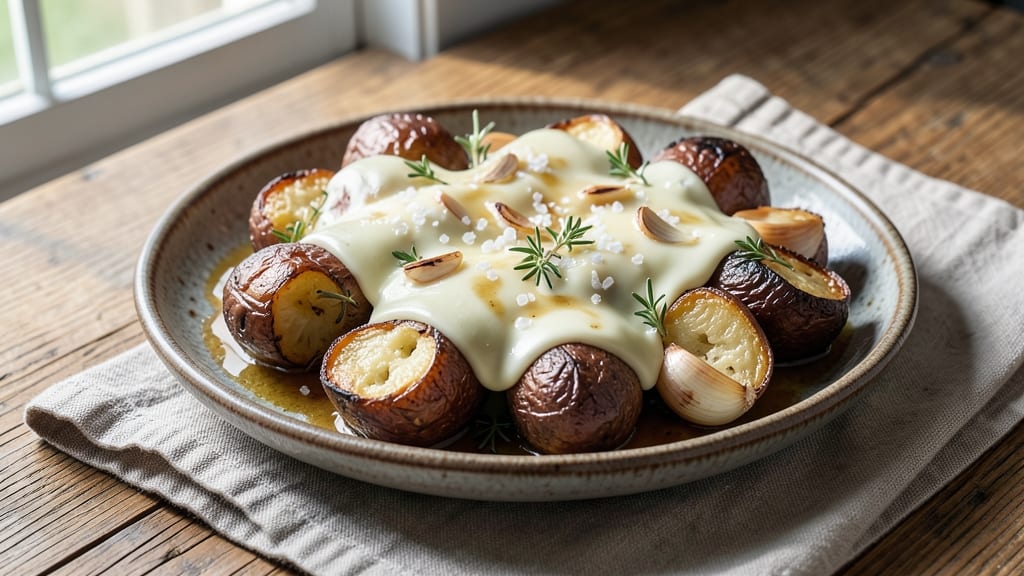
This caramelised potatoes recipe transforms humble spuds into crispy-edged, golden-brown bites that balance buttery sweetness with tender centers—exactly how they should be. 🌟 The secret lies in slow-cooking them in their own juices until they develop that signature caramelized crust while staying perfectly tender inside, a technique I’ve perfected after years of testing different methods.
The process is simpler than it sounds: slice the potatoes evenly for consistent cooking, then pan-fry them low and slow in duck fat or butter until they’re deeply browned and caramelized.
A pinch of salt and fresh thyme at the end elevates the flavor, but the real magic happens when the natural sugars concentrate into that irresistible sweetness. This method works equally well for weeknight dinners or holiday feasts.
What you’ll end up with is a side dish so delicious it steals the show—crispy on the outside, creamy and caramelized within, with a buttery aroma that fills your kitchen.
The texture is what makes it special: each bite offers a satisfying contrast between the crunchy edges and the tender, almost custardy interior. It pairs perfectly with grilled meats, roasted chicken, or even on its own as a hearty vegetarian dish.
For extra depth, try adding a splash of balsamic glaze at the end or sprinkling with flaky sea salt before serving. The possibilities are endless, but the foundation—slow-cooked, caramelized perfection—is what makes this recipe a must-try. Ready to elevate your sides? Let’s get started.
Ingredients for caramelised potatoes
Buttery duck fat, crispy edges, and tender caramelized centers—just nine ingredients for show-stopping potatoes.
| Ingredient | Amount | Notes |
|---|---|---|
| Russet Potatoes 🥔 | 2 ½ lb | Cut into 1/2-inch cubes, uniform size |
| Unsalted Butter 🧈 | ½ cup | Cold, cut into 1-inch cubes |
| Duck Fat 🦆 | ¼ cup | Or substitute with extra butter |
| Kosher Salt 🧂 | 1 ½ tsp | Diamond Crystal preferred |
| Fresh Thyme Leaves 🌿 | ¼ cup | Stems removed, chopped |
| Garlic Cloves 🧄 | 3 cloves | Minced, for finishing |
| Flaky Sea Salt 🧂 | 1 tbsp | For garnish, like Maldon |
| Balsamic Glaze 🍷 | 2 tbsp | For drizzling, optional |
| Vegetable Oil 🫒 | 2 tbsp | For preheating pan |
The potatoes are non-negotiable—Russets have the right starch-to-moisture ratio for that perfect caramelized crust. Grab a 5-pound bag from Whole Foods or your local market, but don’t skip the uniform cut: 1/2-inch cubes ensures even cooking. If you’re feeling fancy, Yukon Golds work too, but they’ll break down faster. The duck fat? Costco or Trader Joe’s sell it in tubs—it’s worth the splurge for that rich, nutty flavor. If duck fat’s not an option, extra butter works just fine, though it’ll be slightly less decadent.
No duck fat? Ghee or lard adds depth without overpowering. Fresh thyme is ideal, but dried thyme at one-third the amount cuts it if you’re in a pinch. The balsamic glaze should be the good stuff—Maille or a quality Italian brand—not that syrupy stuff from the regular aisle. For the salt, Diamond Crystal kosher dissolves better than table salt, but Maldon flakes are a must for that final sprinkle. The garlic? Freshly minced releases more flavor than jarred, but if you’re short on time, garlic powder at half the amount won’t ruin the dish.
These potatoes reheat beautifully—350°F for 10-15 minutes until crispy again. Store leftovers in a single layer on a tray to keep them crisp, then transfer to a container. They’ll stay good for 3-4 days in the fridge, though they’re best the day they’re made. For make-ahead prep, par-cook the potatoes (step 1 of the recipe), then refrigerate and finish cooking when ready. The balsamic glaze? Keep it in the fridge and drizzle just before serving—it’ll stay vibrant longer.
Why You'll Love This Recipe
- One-Pan Magic: I swear by this when I’m too tired to scrub pots—just slice, roast, and walk away. The duck fat and butter do all the heavy lifting while you sip wine and pretend you’re a fancy chef.
- Rich Without Effort: That crispy, golden crust? Pure satisfaction. The duck fat adds depth, the butter makes it silky, and the thyme—oh, the thyme ties it all together like a warm hug.
- Weeknight Workhorse: Toss these with steak, chili, or even eggs the next morning. They’re my go-to for lazy dinners or when I need something hearty but still feels special.
- Budget-Friendly Luxury: Russets are cheap, duck fat lasts forever, and a little goes a long way. You’ll have leftovers that taste even better the second day—proof that simple ingredients can feel indulgent.
Step-by-step instructions for buttery sweet crispy potatoes
Here's how to transform humble russets into restaurant-worthy caramelized bites with perfect texture every time.
🍳 Step 1: Preheat and Prepare the Potatoes
Heat a large oven-safe skillet over medium-high heat and add the 2 tablespoons vegetable oil. Swirl to coat the bottom evenly. While the oil heats, cut the 2.5 lb russet potatoes into ½-inch cubes—uniform size is key for even cooking. I use a mandoline for precision, but a sharp knife works too if you take your time.
Here's the thing—don't skip the oil preheating. You want it shimmering but not smoking when you add the potatoes. Cold oil will steam the potatoes instead of creating that golden crust we're after. Test with a single cube: when it sizzles immediately and turns golden in 2 minutes, your pan's ready.
👨🍳 Step 2: Sear and Layer the Potatoes
Working in batches if needed, add the potato cubes to the skillet in a single layer. Don't crowd the pan—this prevents steam buildup that leads to soggy potatoes. Let them sear undisturbed for 5-6 minutes until they develop a deep golden brown crust on the bottom. You'll hear that satisfying sizzle and see the edges start to crisp—that's your signal to gently flip each piece with a spatula.
After flipping, immediately sprinkle half of the 1.5 teaspoons kosher salt and half of the 0.25 cup fresh thyme leaves over the potatoes. The salt enhances flavor development while cooking, and the thyme adds that earthy aroma we love. Let them cook another 4-5 minutes until golden on the second side. Transfer the seared potatoes to a plate and set aside.
🔥 Step 3: Build the Flavor Layers
Return the skillet to medium heat and add the 0.5 cup cold unsalted butter and 0.25 cup duck fat in cubes. Let them melt completely, about 2 minutes, until the butter turns a rich golden color. Here's where it gets good—add the 3 minced garlic cloves and cook for 30 seconds until fragrant but not browned. You want garlic flavor, not bitterness.
Now return all the potatoes to the skillet, tossing gently to coat them in that luxurious butter-fat mixture. Sprinkle the remaining 0.75 teaspoons kosher salt and 0.125 cup fresh thyme leaves over the potatoes. The residual heat will finish cooking them while they absorb all that flavorful fat. Let them cook for 3-4 minutes until everything is evenly coated and the edges are caramelized.
⏰ Step 4: Finish with Crispy Perfection
Transfer the skillet to a 425°F preheated oven and roast for 15-20 minutes, stirring once halfway through. You're looking for potatoes that are deep golden brown with crispy edges and tender centers. Real talk: your oven might run hot, so start checking at the 15-minute mark. The potatoes should be fork-tender but still hold their shape when pierced.
When done, remove from the oven and let them rest for 2 minutes before serving. This resting prevents the fat from pooling at the bottom. Drizzle with 2 tablespoons balsamic glaze and sprinkle with 1 tablespoon flaky sea salt right before serving. The contrast of sweet glaze and salty flakes takes these potatoes to next-level flavor.
Pro Tips For Making Caramelised Potatoes
- CUT POTATOES SMALLER THAN YOU THINK: Russets are starchy, but they still need time to soften properly—aim for ½-inch dice, not ¾-inch chunks. I learned this the hard way when my first batch turned out chewy instead of creamy, even after hours in the oven. Smaller pieces caramelize faster and absorb that duck fat better, so don’t rush the knife work.
- SALAD DRESSING THE POTATOES FIRST: Toss the raw diced potatoes with salt, thyme, and half the butter/duck fat mix before roasting. This ensures every piece gets coated and starts cooking evenly—no dry edges or underseasoned bits. (Yes, it looks messy, but trust me, it’s worth the extra 30 seconds.)
- SKIP THE CROWDED PAN: If using a sheet pan, spread the potatoes in a single layer with no overlaps—this is the thing that matters most for even browning. I used to pile them high for "efficient cooking," but they’d steam instead of crisp. Give them space, or you’ll end up with soggy bottoms and uneven caramelization.
- REST THEM UNDER FOIL: After roasting, tent the pan with foil for 5-10 minutes before serving. This traps heat and lets the residual starch convert into a glossy, velvety finish—no one wants dry, flaky potatoes. (Your future self will thank you, even if you’re impatient like me.)
Creative variations of this dish
Herb-Infused Variations
Swap thyme for rosemary or sage—both add earthy depth that pairs beautifully with duck fat. I like using 1 tbsp finely chopped rosemary in place of thyme, then finishing with toasted pine nuts for crunch.
For a Mediterranean twist, add ½ tsp dried oregano and a pinch of red pepper flakes during the final oven roast. 🌿
Spiced Sweet Potato Twist
Replace russets with sweet potatoes, cut into ½-inch cubes, and toss with 1 tsp smoked paprika and ½ tsp ground cumin before searing. Use coconut oil instead of duck fat for a nutty flavor, then finish with a drizzle of honey-balsamic reduction.
The natural sweetness caramelizes even faster, creating a dessert-like side. 🍠
Cheesy Potato Casserole
For a heartier version, layer cooked caramelized potatoes with ½ cup shredded Gruyère and ¼ cup cream cheese between steps 3 and 4. Top with breadcrumbs and broil for 3-4 minutes until golden. This makes an impressive side for holiday dinners—just double the recipe. 🧀
Umami Boost with Mushrooms
Sauté 8 oz sliced cremini mushrooms in the same skillet before adding potatoes. Their earthy flavor complements the caramelization perfectly. Add 1 tsp soy sauce when tossing with butter-fat, then finish with chopped parsley. The umami depth elevates these potatoes to restaurant-quality. 🍄
Balsamic-Glazed Finish
For a restaurant-worthy touch, reduce ¼ cup balsamic vinegar with 1 tbsp brown sugar on the stovetop until syrupy. Drizzle over finished potatoes and sprinkle with crumbled goat cheese. The tangy-sweet glaze cuts through the richness while adding visual appeal. 🍷
Smoky Grilled Adaptation
Swap the oven finish for medium-high grill heat. Toss potatoes with 1 tbsp olive oil and ½ tsp chipotle powder before grilling for 10-12 minutes, turning occasionally. The smoky char adds a BBQ-friendly twist that pairs perfectly with grilled meats. 🔥
Nutrition facts
Frequently asked questions
Why do my caramelised potatoes turn out soggy instead of crispy?
Overcrowding the pan creates steam that steams instead of crisps the potatoes. Cook in batches with single-layer spacing and use medium-high heat for proper browning. Also, avoid covering while roasting—this traps moisture. The secret is patience: slow cooking builds that perfect crust.
Can I make this recipe without duck fat?
Use extra butter, ghee, or lard for similar richness. For a lighter option, try olive oil (though it won’t be as decadent). The key is using enough fat—about 1/4 cup total—to coat the potatoes evenly.
How do I store leftovers to keep them crispy?
Spread cooled potatoes in a single layer on a baking sheet and refrigerate for 2 hours to dry the surface. Store in an airtight container for up to 4 days. To reheat, bake at 350°F for 10-15 minutes until crispy again. Microwaving kills the crunch!
What’s the best potato variety for caramelizing?
Russets are ideal—their high starch content creates that signature crispy crust. Yukon Golds work too but break down faster. Avoid waxy potatoes like reds or fingerlings—they won’t caramelize as well. Pro tip: Soak cut potatoes in cold water for 10 minutes before cooking to remove excess starch.
Can I make this ahead of time for a party?
Yes! Par-cook the potatoes up to Step 3 (after butter-fat tossing), then refrigerate. Finish cooking in the oven when ready—just add 5-10 extra minutes to the roasting time. For make-ahead plating, store finished potatoes in a 200°F oven until serving to maintain crispness.