
Sauces & Condiments
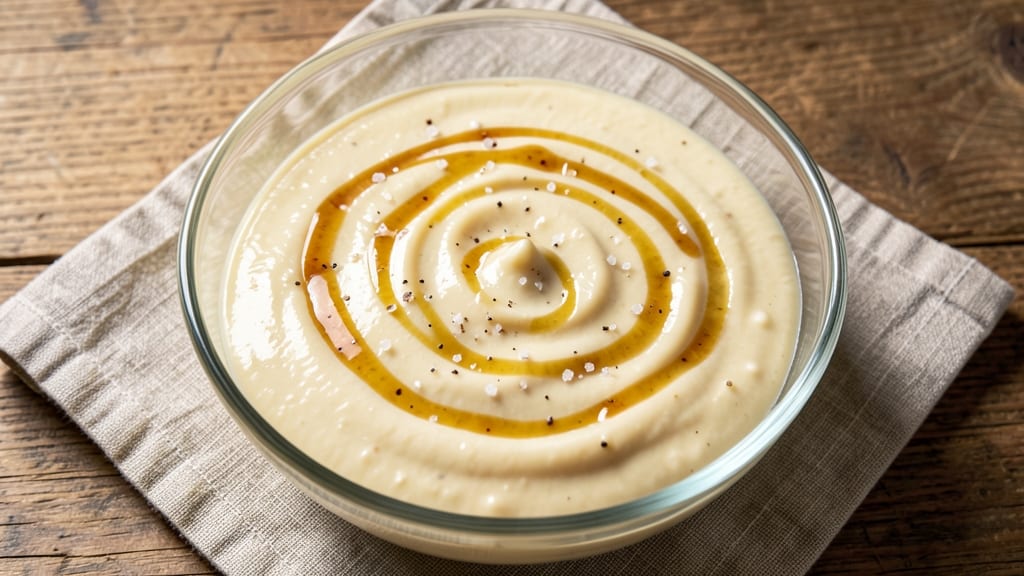
This Marzetti potato salad dressing copycat recipe delivers that signature tangy, mustard-forward zing that makes every bite unforgettable.
After years of perfecting homemade versions—learning from my grandmother's vague notes about "just enough vinegar to make it pop"—I've cracked the code for a dressing that's smoother, brighter, and just as addictive as the jarred version.
The secret lies in balancing sharp yellow mustard with white vinegar while keeping the texture perfectly emulsified, without any graininess.
What sets this recipe apart is its precision: no guesswork, just measured ingredients that come together in minutes. You'll need just five simple components—mayonnaise, mustard, vinegar, sugar, and a pinch of salt—but the technique is what transforms them into something restaurant-worthy.
The key? Slowly incorporating the mustard and vinegar into the mayo while whisking vigorously to prevent separation. This method ensures a velvety, clingy dressing that coats every potato perfectly.
By the time you're done, you'll have a dressing that's bold enough to stand up to buttery potatoes yet smooth enough to blend seamlessly. The mustard's sharpness cuts through the richness, while the vinegar adds that signature tang that makes Marzetti's version so beloved.
This is the kind of dressing that turns a simple potato salad into the star of the picnic table—no jar required.
Use it on classic potato salad, of course, but don't stop there. Drizzle it over deviled eggs, mix it into coleslaw, or even use it as a tangy dip for veggies.
The possibilities are endless, and the flavor stays consistent every time. Let's get started on recreating this copycat classic that's been a pantry staple for generations.
Ingredients for marzetti potato salad dressing copycat
Five ingredients, perfect balance—this copycat dressing captures Marzetti's iconic tangy zing without the jarred shortcuts.
| Ingredient | Amount | Notes |
|---|---|---|
| Mayonnaise 🥛 | ¾ cup | High-quality, full-fat preferred |
| Dijon-Style Yellow Mustard 🌶️ | ¼ cup | Sharp, not mild, for zing |
| White Vinegar 💧 | ¼ cup | Distilled preferred for clarity |
| Granulated Sugar 🍚 | 2 tbsp | White or light brown |
| Kosher Salt 🧂 | ½ tsp | Fine grain for balance |
The mayo is non-negotiable here—Duke's or Hellmann's are my go-tos for that classic richness. If you're using a lighter mayo, add an extra tablespoon of oil to compensate. For the mustard, French's Classic Yellow or Maille delivers the sharpness Marzetti's version craves. White vinegar should be distilled (like Heinz) to avoid any funky aftertaste. The sugar isn't just for sweetness—it helps balance the acidity while keeping the dressing stable. I always buy organic cane sugar from the bulk bin at Whole Foods for the cleanest flavor, but regular granulated works perfectly fine.
No Dijon? Stone-ground mustard at half the amount works in a pinch, but the texture won't be as smooth. Substituting apple cider vinegar for white? Use the same amount—it adds subtle sweetness. Running out of sugar? Honey or maple syrup at half the quantity adds depth but may darken the dressing slightly. The salt is crucial—Diamond Crystal (the flaky kind) dissolves better than table salt. For a lower-fat version, reduce mayo to 0.5 cup and add 1 tbsp olive oil, but the texture won't be identical. This dressing is forgiving, but the mustard-to-vinegar ratio is sacred—don't swap them out for other condiments.
This dressing keeps beautifully—up to 2 weeks in the fridge once made. Store it in a clean, airtight jar with a tight seal. The flavors actually improve over time as everything melds. If it separates (which can happen with mayo-based dressings), just whisk vigorously to re-emulsify. For longer storage, freeze in ice cube trays—thaw overnight in the fridge. The sugar helps preserve freshness, but it's still best used within 3 months for peak flavor. I always make a double batch—it disappears fast during picnic season.
Why You'll Love This Recipe
- Here’s what sold me: the white vinegar cuts through the richness of the mayo, while the sugar and Dijon mustard add just enough bite to keep it interesting. It’s not too sweet, not too sharp—just spot-on for that classic Marzetti vibe.
- I’ll be real: this recipe saves me money in two ways. First, the ingredients cost pennies compared to store-bought. Second, the leftovers? They last for days in the fridge, so I’m not scrambling to make more. Just shake, store, and reuse—no waste.
Step-by-step instructions for Marzetti potato salad dressing copycat recipe
This method delivers the signature tangy, creamy balance of Marzetti's dressing without shortcuts.
Whisk Together the Base Ingredients
In a medium bowl, combine the 0.75 cup mayonnaise with the 0.25 cup Dijon-style yellow mustard. Use a sturdy whisk to blend until completely smooth—this ensures even distribution of the mustard's sharp flavor throughout the dressing. The mixture should look uniform with no visible streaks of mustard remaining.
Next, add the 0.25 cup white vinegar and the 2 tablespoons granulated sugar. The vinegar will immediately begin to cut through the richness of the mayonnaise, creating that signature tang. Stir well to dissolve the sugar completely—you'll notice the mixture becoming slightly lighter in color as the sugar integrates. This step is where the dressing's signature balance begins to form.
Season and Adjust for Perfect Harmony
Add the 0.5 teaspoon kosher salt and whisk vigorously for about 30 seconds. The salt should dissolve completely, enhancing all the flavors without overpowering the delicate balance. At this point, taste the mixture—it should be noticeably tangy with a creamy texture, but slightly sharp from the mustard and vinegar.
If the dressing tastes too sharp, add another ½ teaspoon granulated sugar to balance the acidity. Conversely, if it needs more tang, add another ½ teaspoon white vinegar. This adjustment phase is critical for replicating Marzetti's signature flavor profile. The dressing should be bold but not overpowering, with a clean finish rather than a harsh aftertaste.
Rest and Refine the Dressing
Cover the bowl with plastic wrap and refrigerate the dressing for at least 30 minutes. This resting period allows all the flavors to meld together and the texture to thicken slightly, which is essential for achieving the right consistency. During this time, the vinegar's acidity will mellow slightly, and the sugar will fully integrate, creating a smoother overall taste.
After resting, give the dressing one final stir. The texture should be thick enough to coat the back of a spoon but still pourable. If it's too thick, add 1 teaspoon water or white vinegar to reach your desired consistency. The dressing is now ready to toss with your potato salad—its bold mustard-vinegar zing will elevate every bite, just like the original.
Pro Tips For Making Marzetti Potato Salad Dressing Copycat
- Mix Slowly: Stir the mayo, mustard, and vinegar in stages—start with half the mayo, then add the rest gradually. I learned this the hard way: dumping everything in at once can turn your dressing into a sad, watery mess, especially if your mayo isn’t perfectly chilled.
- Use Cold Ingredients: Keep your mayo, mustard, and vinegar refrigerated until you’re ready to mix. Cold ingredients emulsify better and prevent the dressing from separating later. (Yes, even if you’re impatient like me.)
- Balance the Vinegar: Start with 1 tablespoon of vinegar, taste, then adjust. Too much makes it harsh; too little leaves it flat. My grandmother swore by this: "A little at a time, or you’ll regret it."
- Sweeten Last: Add the sugar after mixing the other ingredients—it dissolves better when everything’s already combined. Skip this, and you’ll end up with grainy bits that ruin the texture. (Your future self will notice.)
Make-ahead tips for this recipe
Prep Ahead for Picnics
I always make this dressing the night before picnics—it saves time and lets flavors meld perfectly. Store it in a glass jar with a tight lid in the fridge. The next morning, just give it a quick whisk before tossing with your potatoes.
I pack it in a thermos-style container to keep it cool during transport. This way, you arrive with everything ready to serve, no last-minute prep needed. 🧺
Double Batch for Parties
For gatherings, double the recipe and store it in two separate 16-ounce mason jars. Label them with the date and refrigerate. The dressing stays fresh for 2 weeks, and you'll have extra for deviled eggs or coleslaw.
I like using amber-colored jars because they preserve the dressing's vibrant color better than clear glass. Plus, they look festive on the picnic table. 🎉
Freeze for Emergency Meals
Freeze individual portions in 1-ounce ice cube trays for quick use later. Once frozen, transfer the cubes to a ziplock bag and flatten to save space. Thaw overnight in the fridge before using.
This is my go-to trick for when I'm short on time but still want that Marzetti tang. Just toss one or two cubes into your potato salad—no need to thaw completely. 🥶
Make-Ahead for BBQs
Prepare this dressing 3 days ahead of your BBQ to ensure maximum flavor development. The longer it sits, the smoother and more balanced it becomes. I keep it in a thermos container in the cooler until serving time.
This method works perfectly for tailgates or outdoor cookouts where you want everything prepped and ready. Just bring it in a separate cooler from the raw meat to keep it safe. 🏈
Strain for Ultra-Smooth Texture
For an extra-smooth dressing, strain it through a fine-mesh sieve after resting. This removes any tiny mustard particles that might make the texture slightly grainy. I use a stainless steel sieve because it doesn't impart any flavors.
This step is optional but makes a noticeable difference if you're serving the dressing as a dip or for fussy eaters. 🥄
Adjust for Seasonal Flavors
In summer, I reduce the sugar slightly (1.5 tbsp) to keep the dressing lighter. For winter gatherings, I add ¼ tsp ground mustard to deepen the flavor. The key is always balancing the mustard and vinegar—adjust by ¼ tsp increments until you hit that perfect tang.
My grandmother used to say, "Trust your tongue, not the recipe," and she was right. 🌡️
Nutrition facts
Frequently asked questions
Why does my homemade dressing separate after mixing?
Mayo-based dressings like this one can separate if whisked too vigorously or if the mustard and vinegar aren't incorporated slowly. Always add the mustard and vinegar in small increments while whisking continuously. If it does separate, just whisk in 1 teaspoon water or vinegar to re-emulsify. The resting period in the fridge also helps stabilize the texture.
Can I use this dressing on other dishes besides potato salad?
This tangy, creamy dressing works perfectly on deviled eggs, coleslaw, or even as a dip for veggies and chips. The mustard-vinegar balance makes it versatile for any dish that needs a bold, creamy kick. Just adjust the thickness with water or vinegar if needed for different uses.
What's the difference between Dijon and regular yellow mustard?
Dijon-style mustard is sharper and smoother than regular yellow mustard, which is why this recipe calls for it. Regular mustard can make the dressing grainy and less refined. If you only have regular mustard, use half the amount and strain the dressing afterward for a smoother texture.
How do I make this dressing lower in fat?
Reduce the mayo to 0.5 cup and add 1 tablespoon olive oil to maintain creaminess. The texture will be slightly lighter, but the tangy flavor stays intact. For extra richness without fat, you could also use Greek yogurt (start with 0.5 cup) and adjust the vinegar to taste.
Can I make this dressing spicier?
Yes! Add ½ teaspoon hot sauce or ¼ teaspoon cayenne pepper for heat. For a smoky twist, stir in ½ teaspoon smoked paprika after resting. Just remember to taste as you go—build the spice gradually to avoid overpowering the dressing's signature tang.