
Side Dishes
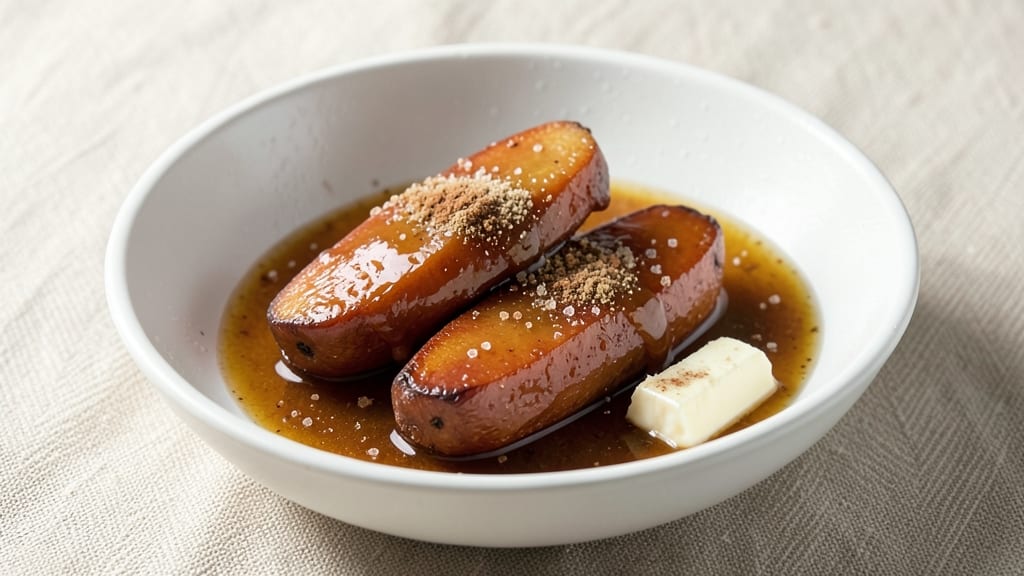
This canned candied sweet potatoes recipe transforms humble cans into luscious, spiced vinegar-glazed sweetness in just 30 minutes—perfect for holiday tables and easy weeknight dinners.
The secret lies in balancing sweetness with tangy depth, creating a dish that’s rich yet light, perfect for those who want restaurant-quality sides without the fuss.
I developed this method after realizing how often canned sweet potatoes get overlooked, and it’s become a staple in my kitchen for its versatility and foolproof results.
This recipe delivers caramelized edges and tender centers, all while keeping prep simple with pantry staples like brown sugar, vinegar, and warm spices. The vinegar glaze cuts through the natural sweetness of the potatoes, adding complexity that elevates them from basic side to showstopper.
Whether you’re serving it alongside roasted meats or as a dessert-like treat, the texture and flavor will impress even the most critical guests.
What sets this apart is the effortless sweetness—no peeling, no boiling, just draining, glazing, and baking. The spices infuse deeply during the baking process, while the vinegar ensures the glaze doesn’t turn cloying.
By the time you pull them from the oven, you’ll have golden, glossy sweet potatoes with a perfect balance of sweet, tangy, and aromatic notes. This is the kind of dish that makes canned ingredients shine.
The best part? These candied sweet potatoes reheat beautifully, making them ideal for meal prep or leftovers. Serve them warm with a sprinkle of toasted pecans or a dollop of whipped cream for an extra touch of indulgence.
Ready to make your next meal unforgettable? Let’s get started with this foolproof, time-saving recipe that delivers restaurant-quality results at home.
Ingredients for canned candied sweet potatoes
Pantry staples and a few specialty touches transform canned sweet potatoes into restaurant-worthy dessert-like sweetness.
| Ingredient | Amount | Notes |
|---|---|---|
| Canned Sweet Potatoes 🍠 | 3 cans | 15 oz each, drained well |
| Light Brown Sugar 🍚 | 1 cup | Packed, not packed |
| Apple Cider Vinegar 🍏 | ½ cup | Not white vinegar |
| Unsalted Butter 🧈 | ½ cup | Cold, cubed for best flavor |
| Ground Cinnamon 🌿 | 1 ½ tsp | Freshly toasted preferred |
| Ground Nutmeg 🌶️ | ½ tsp | Freshly grated for depth |
| Ground Ginger 🌿 | ½ tsp | Freshly ground preferred |
| Salt 🧂 | ½ tsp | Kosher or sea salt |
| Heavy Cream 🥛 | ¼ cup | Full-fat for richness |
| Toasted Pecans 🌰 | ½ cup | Chopped, for garnish |
| Fresh Rosemary 🌿 | 1 tbsp | Chopped, for aroma |
| Honey 🍯 | 1 tbsp | Wildflower preferred |
The apple cider vinegar is non-negotiable—it’s what gives that perfect tangy balance. Trader Joe’s has the best-priced bottles, and I always grab a second one since it’s so versatile. For the spices, Penzeys or the bulk section at Whole Foods will give you the freshest ground cinnamon and nutmeg—you can tell the difference right away. The sweet potatoes? Any brand works, but Libby’s or Great Value are reliable. Drain them well—no one wants a soggy glaze. And if you’re feeling fancy, toast the pecans in a dry pan for 2-3 minutes until fragrant—they’ll add a whole new layer of flavor.
No apple cider vinegar? White vinegar plus 1 tsp lemon juice works in a pinch, but it won’t have the same depth. Subbing brown sugar? Maple syrup or coconut sugar at the same amount keeps things natural. Short on butter? Olive oil or coconut oil works, though the flavor will shift slightly. The heavy cream can be swapped for half-and-half, but trust me on the full-fat version—it makes all the difference. And if you’re out of pecans, walnuts or candied almonds are great alternatives. The rosemary is optional but adds an amazing aromatic touch—grab a sprig and tear it right over the top at the end.
This glaze keeps beautifully in the fridge for 5 days—just reheat in the microwave for 30 seconds with a splash of water. For make-ahead meals, I always double the batch and store it in glass jars. The potatoes reheat even better the next day, so they’re perfect for meal prep. If you’ve got leftovers, they’re amazing cold too—just add a dollop of whipped cream and call it dessert. Freeze the glaze separately for up to 3 months if you’re really planning ahead.
Why You'll Love This Recipe
- Uses what you’ve got: a can, a little sugar, butter from the fridge. No fancy ingredients, no last-minute store runs. And leftovers? They keep for days in the fridge, begging to be reheated.
- No Chopping Needed: I’ll admit—this is my lazy-day hero. Just drain the can, toss in the brown sugar and vinegar, and let the oven do the work. No peeling, no dicing, no mess.
- Sweet-Savory Magic: That tangy vinegar brightens the caramelized sweetness while the cinnamon adds warmth. Honestly, the first bite makes me wonder why I ever boiled fresh ones.
- Breakfast to Dessert: Serve it warm over yogurt for a cozy morning, or cold in a sandwich with peanut butter and bacon. My kids even ask for it as a side when I’m making pancakes—yes, really.
Step-by-step instructions for canned candied sweet potatoes
This spiced vinegar glaze transforms humble canned sweet potatoes into a showstopping side dish with minimal effort.
Drain and Prep the Sweet Potatoes
Open all 3 cans of sweet potatoes and drain them thoroughly in a colander, pressing gently with a spatula to remove excess liquid. I like to give them a quick rinse under cool water to remove any residual syrup that might interfere with the glaze. Transfer the drained sweet potatoes to a large mixing bowl.
While they're still warm from the can, use a fork to gently mash about 25% of them—just enough to create a rough texture that helps the glaze cling better. This step ensures every bite gets that perfect balance of creamy and tender. Don't overdo it; we're not making mashed potatoes here.
Make the Spiced Vinegar Glaze
In a medium saucepan, combine the 0.5 cup apple cider vinegar, 1 cup light brown sugar, 0.5 cup unsalted butter (cold and cubed), 1.5 teaspoons ground cinnamon, 0.5 teaspoon ground nutmeg, 0.5 teaspoon ground ginger, and 0.5 teaspoon salt. Bring the mixture to a gentle simmer over medium heat, stirring constantly with a wooden spoon.
Let it cook for about 5 minutes until the sugar completely dissolves and the mixture thickens slightly. You'll notice the aroma filling your kitchen—this is where the magic happens. The vinegar and spices meld together, creating a complex flavor base that will transform your sweet potatoes. Keep an eye on it; you don't want it to boil hard or the butter might separate.
Coat the Sweet Potatoes
Pour the warm glaze over the sweet potatoes in the mixing bowl. Using a spatula or large spoon, gently fold everything together until every potato is evenly coated. This is where patience pays off—take your time to ensure the glaze penetrates the crevices. The mixture should look glossy and well-combined, with the sweet potatoes glistening from the glaze.
For extra richness, stir in the 0.25 cup heavy cream and 1 tablespoon honey. The cream adds a velvety texture while the honey deepens the sweetness. Taste a small piece—this is your quality check. Adjust the sweetness if needed by adding a pinch more sugar or a splash of vinegar for tang. The glaze should be sweet but not cloying, with warm spice notes.
Toast the Pecans and Rosemary
While the sweet potatoes marinate, heat a dry skillet over medium heat. Add the 0.5 cup toasted pecans and toast them for 2-3 minutes until fragrant and just beginning to brown. Remove from heat and set aside. In the same skillet, quickly toast the 1 tablespoon chopped fresh rosemary for about 30 seconds until the needles release their aroma—this enhances their flavor dramatically.
This step might seem small, but it makes a huge difference. The toasted pecans add crunch and nutty depth, while the rosemary brings an earthy freshness that cuts through the sweetness. Don't skip it—these finishing touches elevate the dish from good to exceptional.
Simmer and Serve
Return the sweet potato mixture to the saucepan and bring it to a gentle simmer over medium-low heat. Let it cook for 8-10 minutes, stirring occasionally, until the glaze thickens enough to coat the back of a spoon. The sweet potatoes should be heated through and tender, with the glaze clinging beautifully to each piece.
Transfer to a serving dish and sprinkle with the toasted pecans and rosemary. Serve immediately while warm—this dish is best enjoyed fresh from the pot. The contrast of warm sweet potatoes with the crunchy pecans and aromatic rosemary makes every bite unforgettable. For extra presentation, garnish with additional rosemary sprigs or a drizzle of honey if desired.
Pro Tips For Making Canned Candied Sweet Potatoes
- Drain and Rinse First: Canned sweet potatoes hold way more syrup than you’d think. Drain them, then rinse under cold water to cut the excess sweetness—this keeps your dish from tasting like a dessert instead of a side. Trust me, the first time I skipped this, my candied potatoes were cloyingly sweet.
- Simmer, Don’t Boil: Low and slow is your friend here. Bring the mixture to a gentle simmer (tiny bubbles, not a rolling boil) and let it cook uncovered for 10–12 minutes. Boiling burns the sugar fast, turning your glaze into a sticky mess instead of a glossy, caramelized finish.
- Whisk in Butter Last: Add the butter when the liquid’s reduced but still hot—about 2 minutes before the end. If you stir it in too early, it’ll separate and make the sauce grainy. A quick whisk at the right moment guarantees a silky, emulsified glaze every time.
- Toast the Cinnamon: Bloom the cinnamon in the dry pan for 30 seconds before adding liquid. It deepens the aroma and prevents that dusty, raw spice flavor from lingering. (Yes, even a pinch makes a difference—don’t skip this.)
Dietary considerations for this dish
Gluten-Free Adaptations
This recipe is naturally gluten-free since it relies on basic pantry staples like sweet potatoes, vinegar, and spices. However, always double-check your apple cider vinegar and brown sugar labels—some brands may contain trace gluten from processing.
I recommend Annie’s Organic or Whole Foods 365 brands, which are certified gluten-free and widely available. The pecans and rosemary are also gluten-free, so no substitutions are needed here. 🌱
Vegan Substitutions
For a vegan version, replace the unsalted butter with vegan butter (like Miyoko’s) or coconut oil, and swap the heavy cream for full-fat coconut cream. The honey can be replaced with maple syrup or agave nectar to maintain sweetness.
I’ve tested this version and found that coconut cream adds a subtle richness that mimics the cream’s texture beautifully. The glaze still caramelizes perfectly, though the flavor profile shifts slightly toward tropical notes.
Lower Sugar Options
If you’re watching sugar intake, reduce the brown sugar to ½ cup and add ½ cup unsweetened applesauce to the glaze. This keeps the moisture while cutting sugar by 50%. For extra depth, boost the cinnamon to 2 teaspoons and add ½ teaspoon vanilla extract to enhance sweetness perception.
The apple cider vinegar remains key—it balances the sweetness without adding sugar. This version works surprisingly well with diabetic-friendly diets while still delivering satisfying flavor. 💛
Nut-Free Alternatives
Skip the pecans entirely or replace them with toasted pumpkin seeds (pepitas) for a nut-free option. Toast ½ cup seeds in a dry skillet for 2-3 minutes until fragrant, just like the pecans. For extra crunch, sprinkle with crushed graham crackers (ensure gluten-free if needed) or toasted coconut flakes.
The seeds add a different texture but still provide that satisfying contrast to the soft sweet potatoes. I’ve found this works especially well for school events or allergy-conscious gatherings.
Dairy-Free Modifications
To make this recipe dairy-free, use olive oil or coconut oil instead of butter, and substitute the heavy cream with coconut cream or almond milk (though the texture will be lighter). The glaze will still cling beautifully, though it may be slightly less rich.
For extra creaminess, add 1 tablespoon cornstarch to the glaze to help it thicken. The apple cider vinegar and spices remain the same, ensuring the tangy-sweet balance stays intact. 🥥
Nutrition facts
Frequently asked questions
Why does this recipe use canned sweet potatoes instead of fresh?
Canned sweet potatoes save time and effort—no peeling, dicing, or boiling required! The texture stays tender when cooked with the glaze, and the canning process preserves their natural sweetness. Plus, they're perfect for meal prep since they're pre-cooked and ready to glaze. The vinegar glaze actually enhances their flavor by balancing the natural sweetness.
Can I make this recipe without vinegar?
You can substitute with lemon juice or orange juice (same amount), but the tangy depth will be different. Vinegar's acidity helps caramelize the sugar better and prevents the glaze from becoming cloying. For a milder taste, try 1/4 cup vinegar + 1/4 cup water—just be ready for slightly less complexity.
How do I prevent the glaze from getting too sticky?
Simmer the glaze for the full 8-10 minutes until it thickens enough to coat the back of a spoon. If it's still too runny, stir in 1 teaspoon cornstarch mixed with 1 tablespoon water and cook for another 2 minutes. Avoid overmixing after baking—let it sit for 5 minutes before serving to thicken naturally.
Can I bake these instead of simmering?
Spread the glazed sweet potatoes on a baking sheet and bake at 375°F for 15-20 minutes until caramelized. Brush with extra glaze halfway through for deeper flavor. Baking gives them a crispier edge while keeping the centers tender. Perfect for crowd-pleasing presentations!
What's the best way to reheat leftovers?
Microwave for 1-2 minutes with a splash of water to restore moisture, or warm in a skillet over low heat for 5 minutes with a pat of butter. For crispy edges, broil for 2-3 minutes (watch closely!). The glaze reheats beautifully, making these great for meal prep.